
Review · PHOTOGRAPHY TOURS
Photo Tour + adventure in San Sebastian & Basque Country
San Sebastián looks best through a lens. This four-hour outing combines a small-group photo walk with a short coastal adventure, giving you city views, street scenes, and striking Basque scenery in one compact trip. I like the mix of hands-on camera advice and local flavor, especially the chance to pair photography with favorite places to eat and a local wine tasting.
I also like that you can use a proper camera or simply your phone. The guide works with beginners and experienced photographers, and the limited group of six makes personal feedback more realistic. The main consideration is time: four hours moves quickly, and taxis, meals, drinks, and personal expenses are not included. The route is also not suitable for wheelchair users.
Five details that shape the experience
- Monte Igueldo by historic funicular: Start with broad views over San Sebastián and La Concha, a strong setting for learning basic landscape photography.
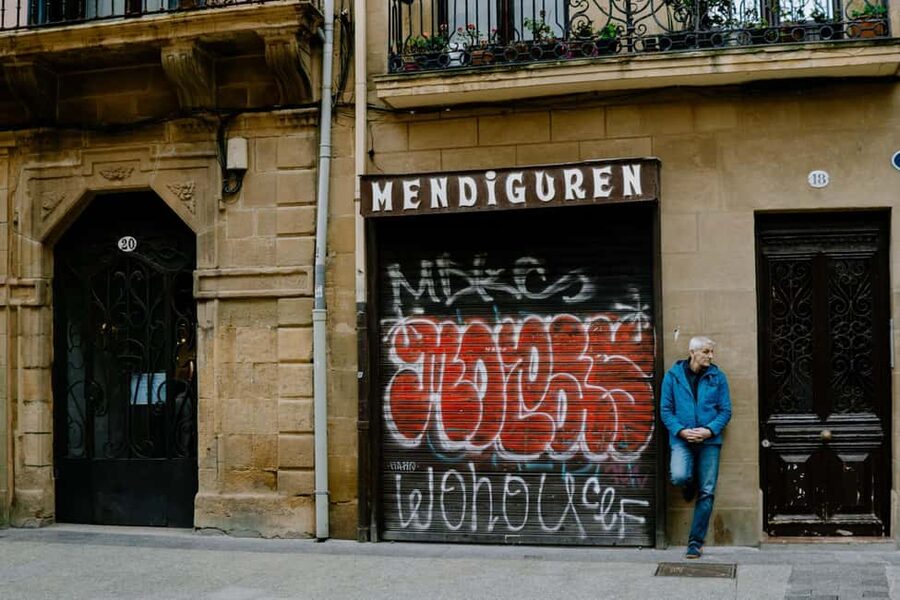
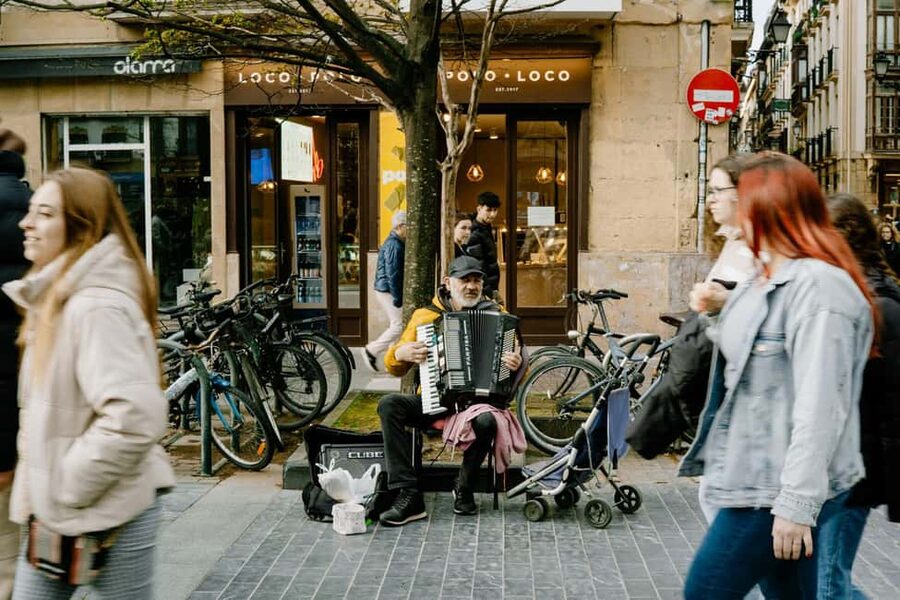
- Street photography in the Old Town: Practice composition, light, and visual storytelling among the city’s historic streets.
- A second coastal location: The outing continues beyond central San Sebastián to Pasaia or another nearby scenic spot.
- Small groups of six or fewer: The format gives the guide time to look at your work and adjust advice to your skill level.
- Photography with food and wine: Local eating tips and a wine tasting add a distinctly Basque touch to what could otherwise be a standard photo walk.
Why this photo tour works for San Sebastián
San Sebastián is easy to admire and harder to photograph well. The bay, hills, old streets, harbor, and coastal towns give you plenty to point a camera at, but attractive scenery alone does not guarantee strong pictures. This experience is useful because it treats photography as a skill, not just sightseeing with a camera in hand.
The four-hour format is split into two parts. The first two hours focus on San Sebastián itself. The second two hours move to a nearby coastal setting, with Pasaia listed as the main option and other mini-adventure routes possible. That gives you a good range of subjects without requiring you to organize buses or figure out where the best views are yourself.
I find the small group especially appealing. With a maximum of six participants, you are more likely to receive direct feedback instead of standing behind a guide while a large crowd waits. One particularly positive experience came from an afternoon with Sophia, who began with photography basics and then gave individual help as the group moved from the beach toward the mountain. That kind of attention matters more than fancy equipment.
More Photography Tours in Spain
- Barcelona E-Bike Photography Tour
★ 5.0 · 843 reviews - Photographic tour of Madrid with a professional photographer
★ 5.0 · 104 reviews - Photo Walking Tour Sitges Experience Beaches and Town
★ 5.0 · 65 reviews
Monte Igueldo gives you the big picture
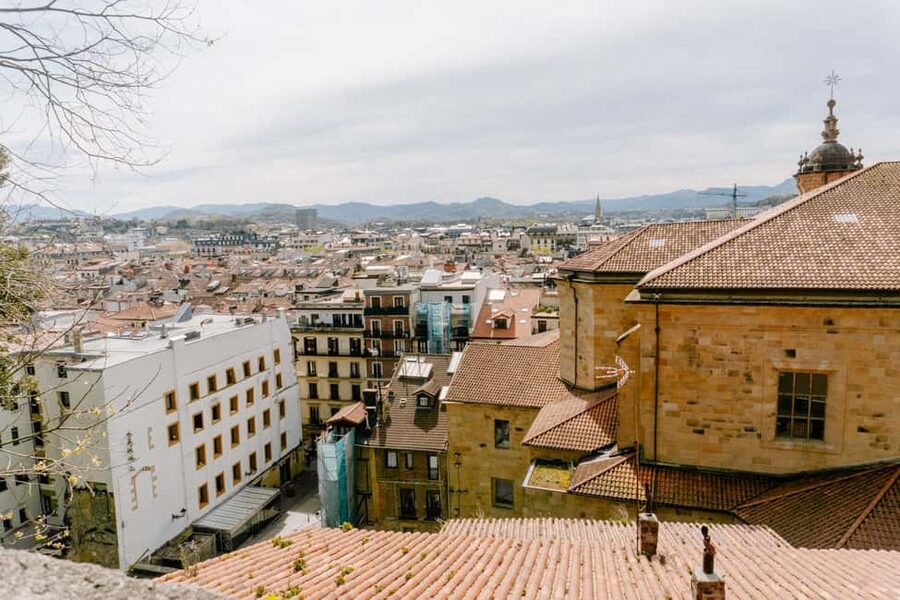
The tour begins at Amara Donostia Euskotren, a practical meeting point in San Sebastián. From there, the route includes the historic funicular up Monte Igueldo. The ride itself adds character, but the real prize is the high view across San Sebastián and La Concha.
This is the right place to work on broad scenic images. You can practice keeping the horizon straight, deciding how much sky or water to include, and finding a useful foreground instead of photographing only a distant view. If you use a phone, the guide can help you avoid the common problem of a dramatic scene turning into a flat, tiny image.
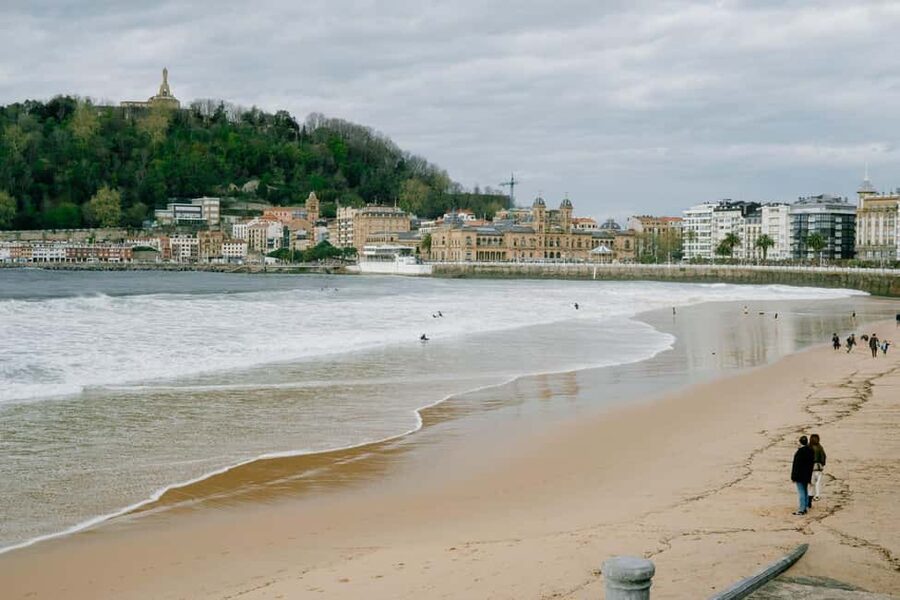
The Monte Igueldo stop also helps you understand the shape of the city before walking through it. From above, San Sebastián’s setting becomes clear: the curved bay, the surrounding hills, and the built-up center pressed between land and sea. That wider view can make the later street photography feel more connected.
Do not expect a long session at every viewpoint. The full activity lasts four hours, and the route includes several distinct places. If your main goal is careful tripod work or repeated attempts at one image, the pace may feel quick. If you want a varied set of photographs and useful instruction, the movement is a benefit.
La Concha and the port: learning to see ordinary scenes
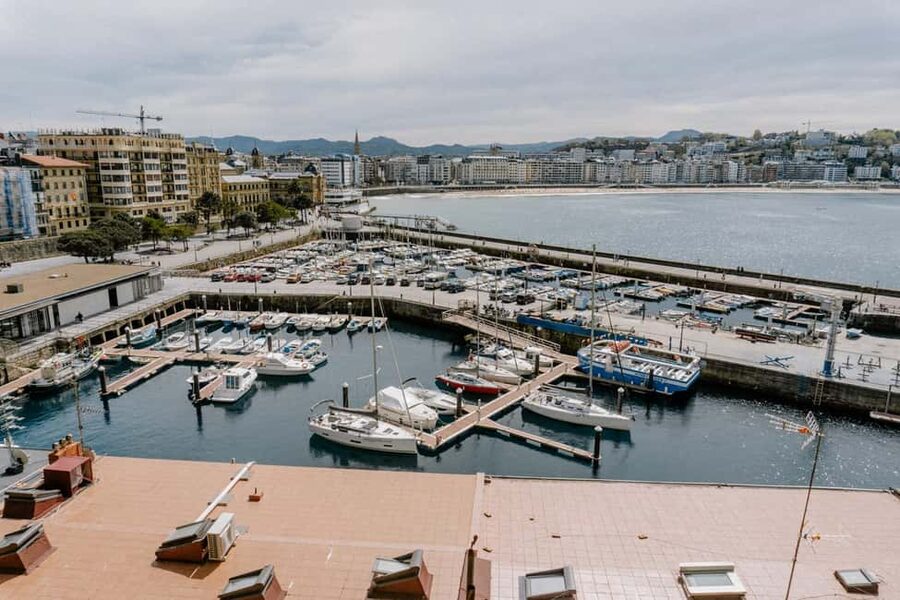
The walk continues around La Concha and the Port of San Sebastián. These areas give you more than postcard views. You can work with shoreline details, boats, architecture, public spaces, and people moving through the city.
Here, the guide focuses on composition, lighting, and storytelling. Those terms become useful when applied to an actual scene. You might learn to place a person at the edge of a frame to show scale, use lines from a street or railing to guide the eye, or wait for better light before pressing the shutter.
The port is also a good place to move between different types of photography. One minute you may be making a travel image with the bay behind it. The next, you may be looking for a small detail that says something about daily life in San Sebastián. That change of scale helps prevent every photo from looking like the same wide view.
You will want comfortable shoes here. The experience includes walking, and the recommended gear list also includes water, sunscreen, and a hat. Bring your own camera or smartphone, and keep expectations realistic about what the instructor can provide. The tour offers technical advice and composition theory, but not camera equipment.
The Old Town puts street photography first
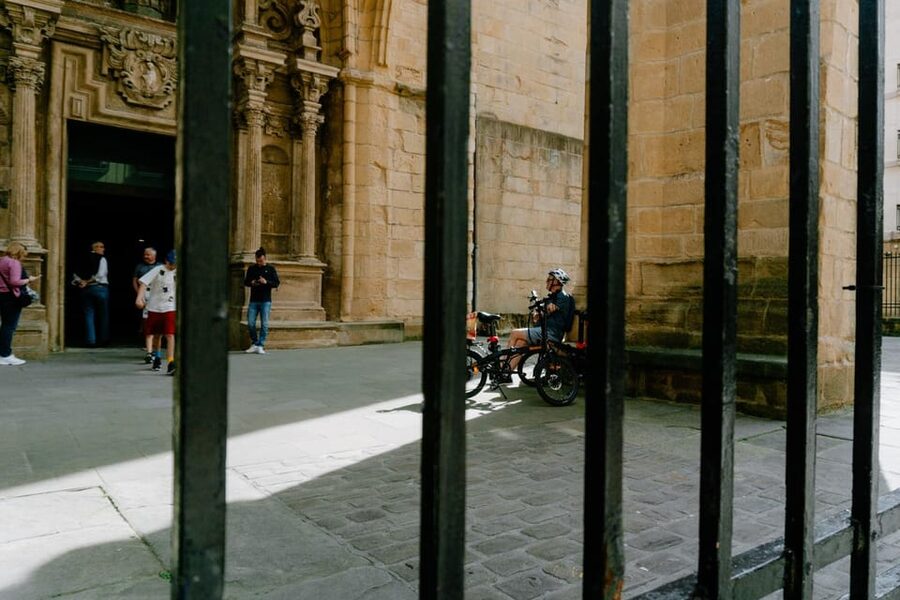
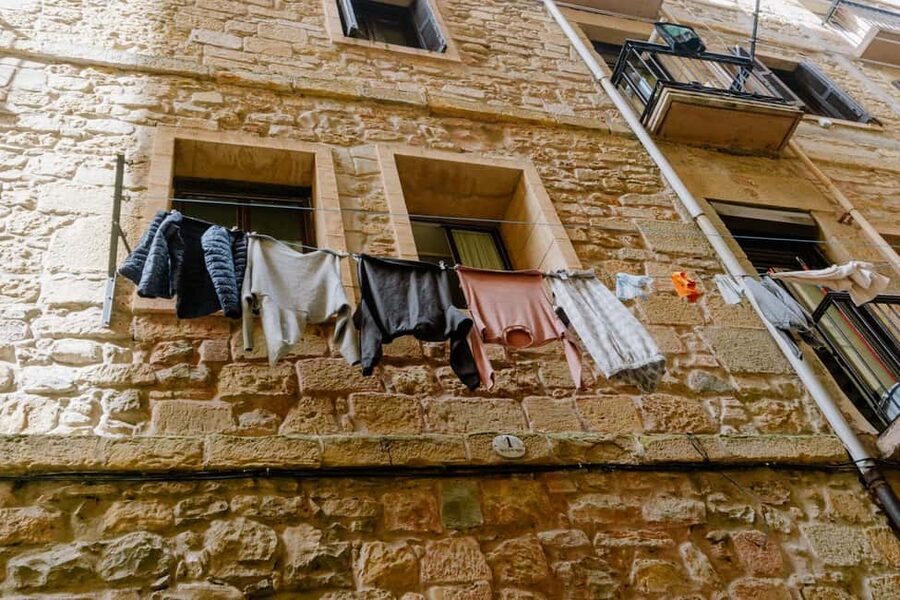
The Old Town is where the tour’s street photography side comes into focus. Narrow streets and historic landmarks offer a useful setting for learning how to make a picture tell a story rather than simply record a place.
The guide can help with practical questions: Where should you stand? How much of the street belongs in the frame? Is the light helping or flattening the scene? Should you use a wide view, or isolate one architectural detail? These decisions are simple to describe but easier to understand when someone points them out as you work.
I like that the instruction is designed for all levels. A beginner can learn basic composition and camera control, while a more experienced photographer can ask for feedback on framing or visual storytelling. The activity is not described as a formal technical class, so you should not expect a long lecture on manual settings. Its value comes from applying ideas while walking.
San Sebastián’s Old Town also gives the tour a cultural side. You are not only collecting attractive images. You are learning how to notice the relationship between streets, buildings, food, people, and the coast. The included suggestions for favorite places to eat are a welcome extra, especially if you want to continue exploring after the tour ends.
Same place, a different kind of shoot:
- Cala en Porter: Menorca Caves Kayaking Tour & GoPro Photos
★ 4.5 · 744 reviews - Barcelona: Paddleboarding at Sunrise. Includes: instructor, photos, equipment
★ 4.7 · 570 reviews - Costa Brava: Kayak, Snorkel, Photos, Lunch, Beach & Cliff Jump!
★ 5.0 · 508 reviews - Valencia: Pobla de Farnals Jet Ski Rental, Photos, and Beach
★ 4.8 · 351 reviews
Pasaia brings cliffs and a change of pace
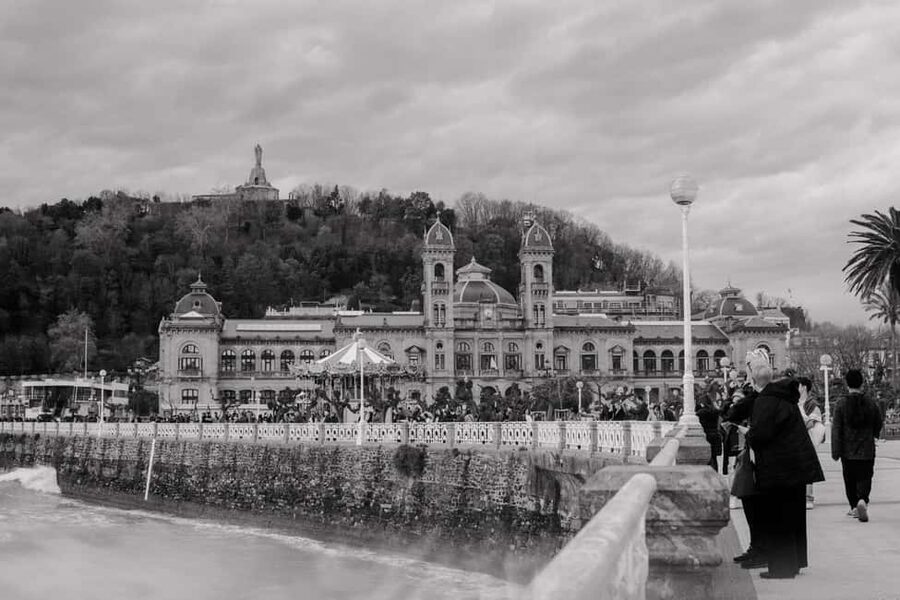
The second half moves beyond the city to Pasaia, described as a place of dramatic coastal cliffs and charming architecture. This shift is important. After working with urban scenes, you get a different setting for photographs of rock, water, historic buildings, and open space.
Pasaia gives the experience its mini-adventure feel. It is not just a second neighborhood walk. The change of scenery lets you compare how you photograph a city with how you photograph the coast. The guide can discuss travel photography, scenic framing, and historic landmarks while you enjoy the setting.
The supplied route also refers to the Txakoli Route and sunset possibilities around Zumaia and Zarautz. The exact second location can be personalized, so you should check the route offered for your date if one particular place matters to you. Pasaia is the named coastal option, while Zumaia and Zarautz are connected with the sunset-focused route.
That flexibility is useful, but it also means the experience may not be identical for every group. Ask about the planned route if you have a strong preference for cliffs, sunset, architecture, or a particular coastal town. Personalization is available, with the possibility of shaping the outing around preferred locations.
Photography advice that works with a phone
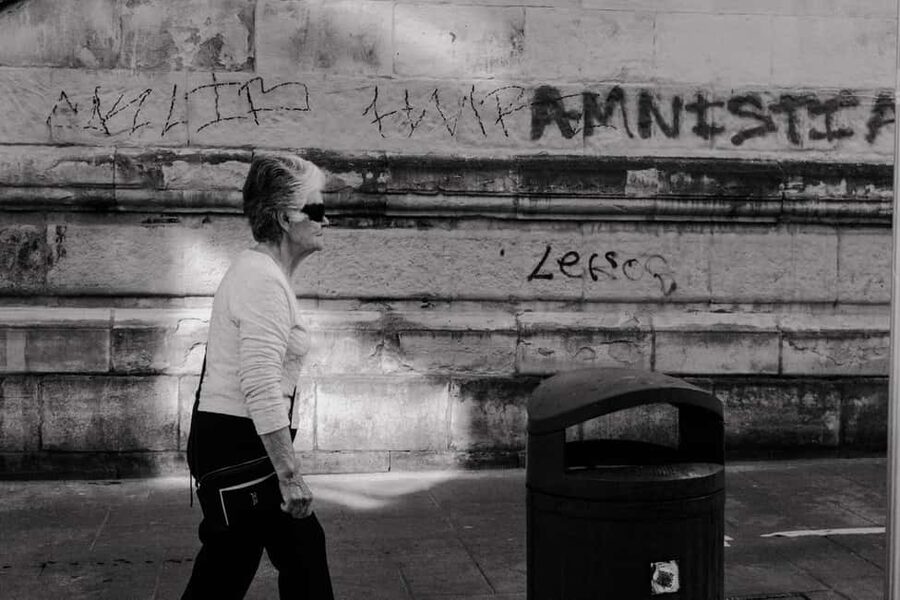
You do not need a professional camera to take part. A smartphone is explicitly welcome, and that makes the tour accessible to people who want better holiday pictures without carrying a full kit.
The most useful phone advice is likely to concern framing, light, and timing. A phone can handle many scenic views well, but it can also produce images with too much sky, weak subjects, or distracting edges. A guide can help you notice those problems before they become permanent souvenirs.
Camera users can ask for advice suited to their own equipment. The experience covers technical tips, composition theory, and guidance for scenic, travel, and street photography. Still, the information provided does not promise advanced instruction in a particular camera brand, editing software, or specialist technique. If you want a highly technical workshop, this may feel more like guided practice than a classroom course.
The strongest benefit is feedback in real time. One participant described Sophia starting with basic instruction, then moving through scenic spots from the beach to the mountain and making time for each person’s progress. That suggests a supportive teaching style rather than a rigid, one-size-fits-all lesson.
A taste of Basque food and wine
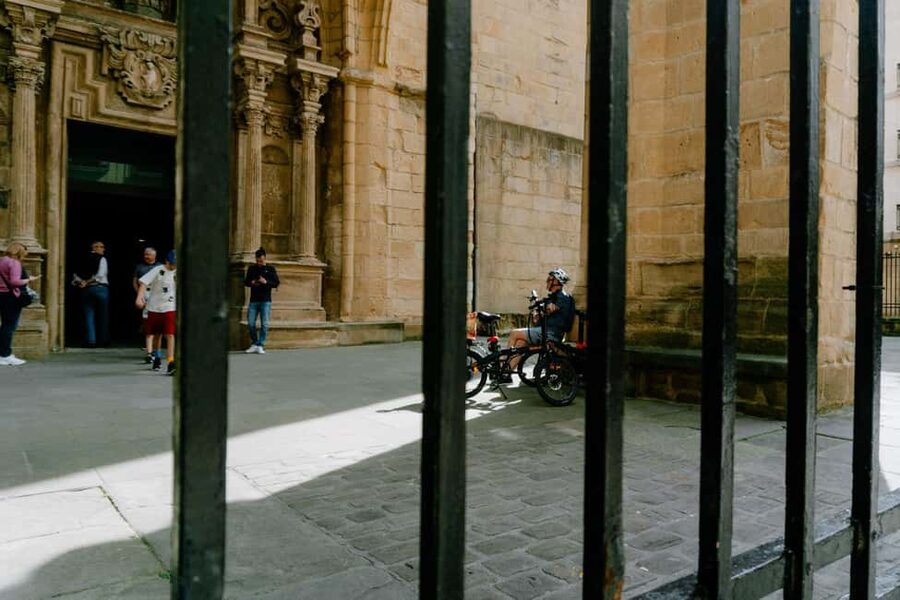
Food is part of the appeal, though it is not included in the $125 price. The guide points out favorite places to eat in San Sebastián, and the coastal section includes a local wine tasting.
The tasting adds local character without turning the tour into a food excursion. It gives you a chance to connect the scenery with the region’s well-known drink culture, while keeping photography as the main purpose. You should budget separately for any food and drinks beyond what is specifically included.
At $125 per person, the value depends on how much use you make of the guidance. For a casual sightseeing ride, the price would be harder to justify. For a small-group outing that combines transport, a funicular visit, two different photographic settings, instruction, local food suggestions, and a wine tasting, it is more reasonable.
The group limit matters here. A private lesson would normally cost more, but a group of no more than six can still provide personal attention without the full private-tour price. I would consider it good value for someone who wants both organized sightseeing and practical photography help.
Transport, timing, and the small practical points
The tour starts and ends at Amara Donostia Euskotren. Bus transportation is included, which removes some planning work between the San Sebastián section and the nearby coastal stop.
Taxi transportation is not included. Meals, drinks, and personal expenses are also your responsibility. Bring water and sun protection, and wear clothing and shoes suitable for walking. The route includes outdoor viewpoints and coastal areas, so comfort matters more than dressing up.
The activity lasts four hours, but starting times vary. Check availability before booking, especially if you want sunset conditions for the Txakoli Route. Light can change the character of the photos, and a late start may suit you better if evening color matters more than morning instruction.
Free cancellation is available until 24 hours before the activity for a full refund. You can also reserve now and pay later, which is helpful if your Basque Country plans are still shifting. These are small conveniences, but they reduce the risk of committing too early.
The tour is offered in English and Spanish. It is not suitable for wheelchair users, and the walking requirements should be taken seriously. If mobility is a concern, ask about the precise route before reserving.
Who will get the most from four hours?
This experience fits a few types of visitors particularly well:
- Beginners who want friendly guidance without signing up for a long technical course.
- Phone photographers who want sharper, better-composed holiday images.
- Experienced photographers who enjoy local direction and fresh locations.
- Couples or friends who want an activity that mixes scenery, culture, and food advice.
- Visitors with limited time who want San Sebastián and a nearby coastal place in one outing.
It may not suit you if you want a slow, private shoot at one location, a full-day photography workshop, or a food tour where eating is the main event. It also may not be right for anyone unable to manage walking and outdoor viewpoints.
The small group makes it more personal, but the itinerary still has several moving parts. You will get variety rather than unlimited time at each stop. That is the trade-off.
Should you book the San Sebastián photo tour?
Book it if you want more than a sightseeing checklist and like the idea of improving your pictures as you go. The best reasons are the small group, the mix of city and coast, the practical advice for both phones and cameras, and the chance to learn from a guide such as Sophia, who made time for individual progress.
I would be more cautious if your priority is a long sunset session, a private instructor, or a highly specialized camera workshop. Before booking, check the starting time and confirm which coastal route is planned, especially if you have your heart set on Zumaia, Zarautz, or Pasaia.
For most visitors, $125 is a fair price for four hours of instruction, transport, scenic stops, and local suggestions. You should leave with more than a folder of pretty views. If the teaching suits you, you will also have a better eye for framing the next street, shoreline, and plate of pintxos you photograph in the Basque Country.
FAQ
How long does the photography tour last?
The activity lasts four hours. The first part is a two-hour San Sebastián photo walk, followed by a two-hour coastal or other mini-adventure photography tour.
Where does the tour start and finish?
It starts and ends at Amara Donostia Euskotren in San Sebastián.
Is transportation included?
Bus transportation is included. Taxi transportation is not included.
Can I use my smartphone instead of a camera?
Yes. You may bring a camera or smartphone, and the guide provides tips for taking better photographs with either one.
What languages are offered?
The tour is offered in English and Spanish.
How large is the group?
The group is limited to six participants.
Is food included in the price?
No. Meals and drinks are not included. The experience does include local food suggestions and a local wine tasting.
What should I bring?
Bring comfortable shoes, a hat, sunscreen, water, and your camera or smartphone.
Is the tour suitable for wheelchair users?
No. The activity is not suitable for wheelchair users.
Just added around Spain
- Private Mallorca Photoshoot – Palma & North Beaches options★ 5.0 · 11 reviews
- Private Photo Session with a Local Photographer in Marbella★ 5.0 · 2 reviews
- Photographer, Professional Photo Shoot – Palma De Mallorca★ 5.0 · 2 reviews
- Private Professional Vacation Photoshoot in Mallorca★ 5.0 · 2 reviews
- Professional Photo Session in Malaga★ 5.0 · 5 reviews
- Photoshooting in Malaga – Photo session by OhMyGoodGuide★ 5.0 · 10 reviews
- Flying dress photoshoot in Madrid★ 5.0 · 20 reviews
- Private Photography Tour in Madrid with Personal Guide and Photographer★ 5.0 · 2 reviews
Photography Tours, compared.
Browse the lists this shoot appears in