Review · KIMONO & COSTUME PHOTOSHOOTS
Guided Tour of Walking and Photography in Asakusa in kimono
Asakusa makes a perfect photo set. This four-hour experience combines kimono dressing, cultural guidance, and a walking route through some of Tokyo’s most recognizable sights. You choose a kimono and hairstyle, receive help with the fitting, then explore Kaminarimon Gate, Nakamise Shopping Street, Senso-ji Temple, and the Sumida River Terrace with a guide taking photos on your own camera.
I like the way this tour joins practical help with cultural context. You are not left to guess how to wear the kimono or where to pose. I also like the small-group size, limited to seven people, because it should make photo stops and questions easier than they would be with a large coach group.
The main caution is timing. About one hour goes to choosing and adjusting the kimono, leaving roughly three hours for walking, photos, and sightseeing. A missed meeting or late arrival is not refundable, so you need to reach Asakusa Station’s Exit 1 on time. One past booking also involved a serious 45-minute wait after the reservation could not be found, so I would confirm the meeting details before the day.
Key Points to Know Before You Book
- Your guide helps choose the kimono and hairstyle: Cultural advice is part of the dressing process, not an afterthought.
- The route links Asakusa’s classic sights: You visit Kaminarimon Gate, Nakamise Shopping Street, Senso-ji Temple, and the Sumida River Terrace.
- Photos are taken with your camera: You do not need to rely only on self-timer shots or strangers for help.
- The group is capped at seven people: This is useful when several people need individual portraits.
- A qualified guide leads the outing: The guide has kimono-dressing and domestic travel itinerary management qualifications.
- Optional next-day kimono return adds freedom: If selected, you can continue sightseeing in the kimono after the guided portion.
Why Asakusa Works So Well for a Kimono Walk
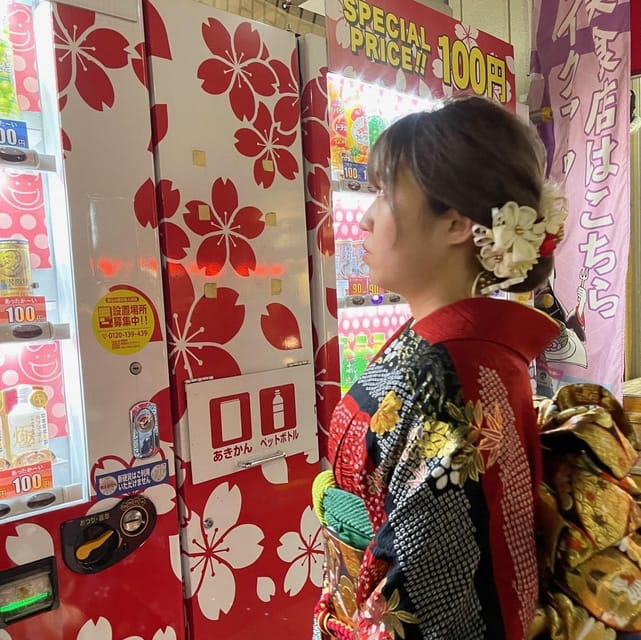
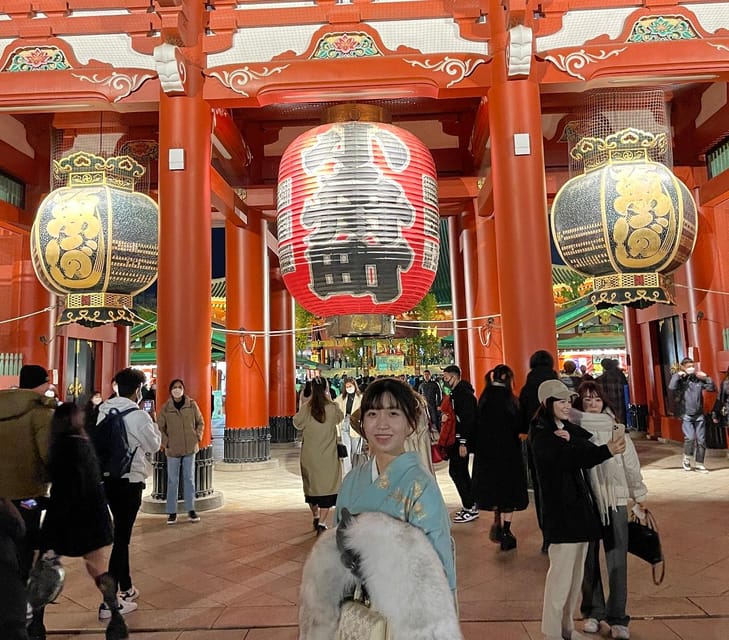
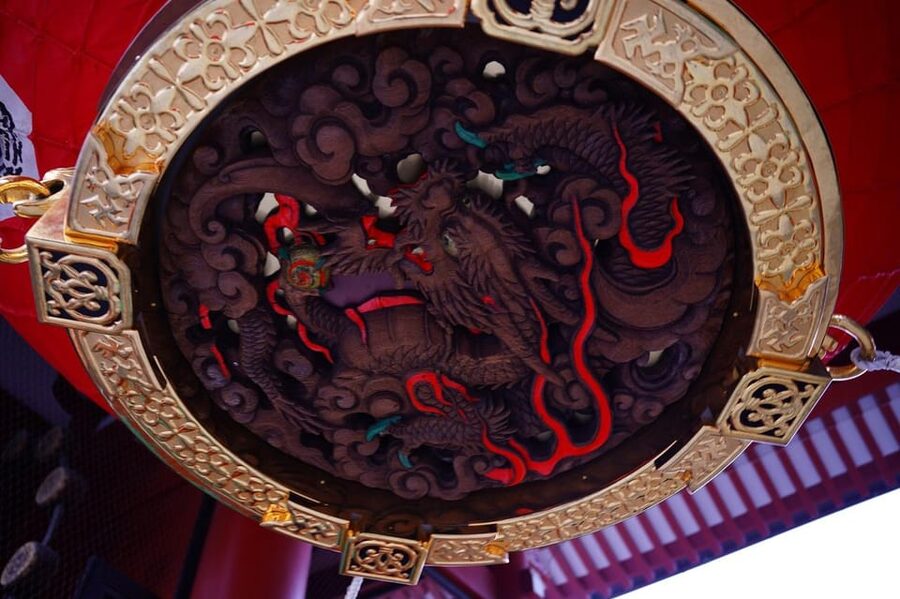
Asakusa is one of Tokyo’s best places for this kind of outing because the setting has a strong traditional character. Kaminarimon Gate, with its enormous lantern, gives you an unmistakable opening photo. Nakamise Shopping Street adds old-style shopfronts and souvenir stalls, while Senso-ji supplies the temple architecture and religious setting.
The kimono is not simply a costume for these stops. It matches the visual character of Asakusa, which is why the photos can feel more connected to the place than a standard portrait taken against a modern building. Your guide can point out locations where the clothing and background work together, rather than simply leading you from one famous sight to the next.
I would set realistic expectations about the neighborhood. Asakusa is a popular part of Tokyo, and the main sights can be busy. Your guide may help you find better angles, but you should not expect every photograph to show an empty temple gate or a deserted shopping street.
The walking distance is manageable, with the route moving between nearby locations on foot. You still need to be comfortable walking for several hours in traditional clothing. Kimono sleeves, footwear, and the tied obi can feel different from ordinary sightseeing clothes, so sensible pacing matters.
More Kimono and Costume Photoshoots in Japan
- Tokyo: Kimono Dressing, Walking, and Photography Session
★ 4.9 · 427 reviews - Tokyo Authentic Kimono Rental in Asakusa with Photography Option
★ 5.0 · 46 reviews - Tokyo:Genuine Tea Ceremony, Kimono Dressing, and Photography
★ 5.0 · 33 reviews
The First Hour: Choosing and Adjusting Your Kimono
The tour begins near Asakusa Station, followed by a short walk of about five minutes to the kimono shop. This first stage takes approximately one hour. You select the kimono, choose a hairstyle, and have the garment fitted and adjusted.
This is where the guide’s qualifications matter most. A guide who understands both kimono dressing and sightseeing can give advice from a Japanese cultural perspective. You can ask for help choosing an outfit that suits the planned photographs instead of selecting only by color or pattern.
The standard kimono fee is included, but optional upgrades cost extra. The available details specifically mention additional choices at the shop, including hairstyle variations and other kimono options. You should ask what is included in the standard package and what carries an extra fee before making your final selection.
The hairstyle is an important part of the finished look. The shop handles hair styling, and the experience can be adjusted with additional choices if you wish. One useful point from the available feedback is that the shop offered a wide selection, while extra styling choices were optional rather than required.
For families, the guide’s attitude may make a real difference. Emiko received especially warm praise for helping a family with a two-year-old child through the fitting and tour. That does not guarantee the same guide on every date, but it suggests the experience can work well for parents who want a cultural activity without handling every detail alone.
Men can also take part. The description presents the kimono as a way for men to look more masculine and women to look cute and elegant, but the practical point is simpler: this is not designed only for women. The guide can help each participant choose an outfit suitable for the photos.
Kaminarimon Gate and the Start of the Photo Walk
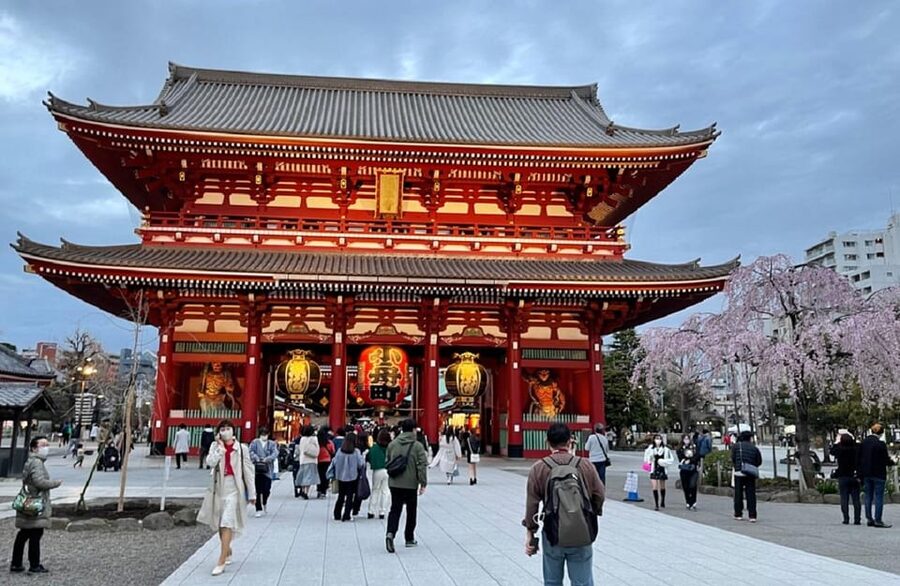
Once dressed, you walk about five minutes to Kaminarimon Gate, the main entrance to Senso-ji. Its official name is Kaminari Gate, though most people know it by the popular name Kaminarimon. The large red gate and lantern give you one of the clearest visual markers in Asakusa.
The planned stop here is short, around ten minutes at first, but the route also includes later free time around Kaminarimon. That repeated appearance in the schedule likely allows time for different photographs and personal browsing. Either way, do not rush your first look at the gate. The guide can help position you so the kimono, gate, and lantern all read clearly in the frame.
You provide the camera or phone, and the guide takes your photos. This is a major advantage over a normal self-guided kimono rental. You can concentrate on your posture and expression instead of balancing a phone on a railing or repeatedly asking passersby for help.
The guide can also suggest poses and viewpoints suited to the clothing. That does not mean you need to perform for every shot. If you prefer natural images, say so. A good photo session should leave room for both posed portraits and simple walking pictures.
Nakamise Shopping Street in About 15 Minutes
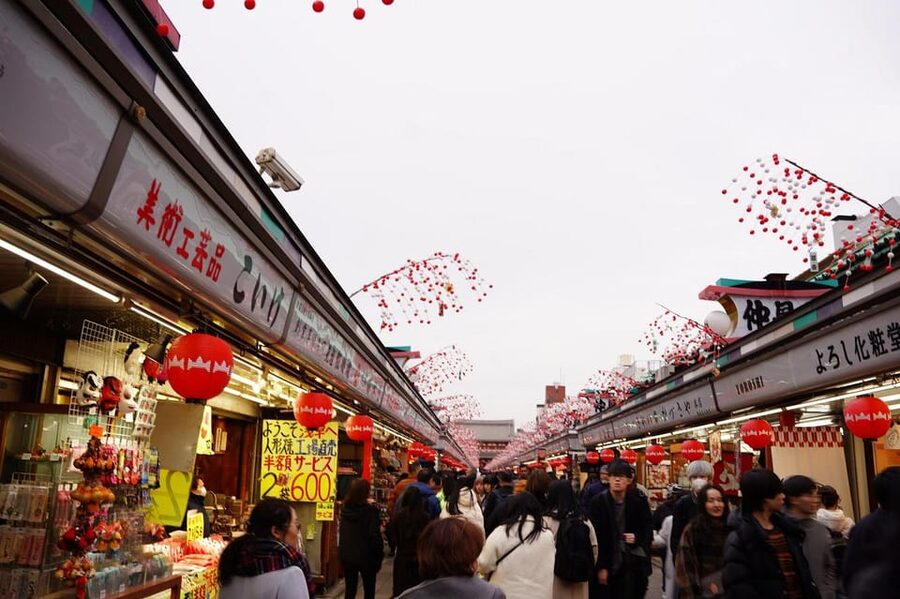
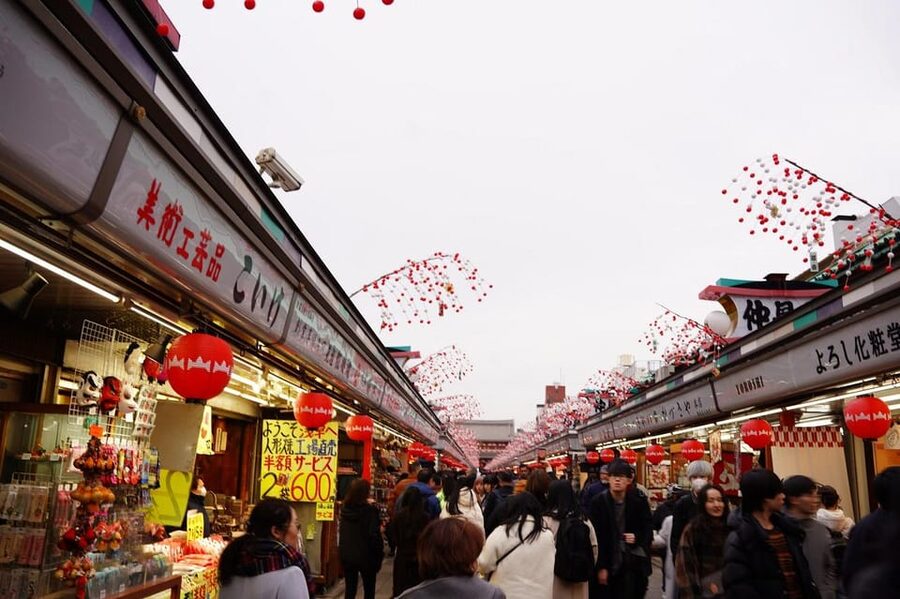
From Kaminarimon, you continue along Nakamise Shopping Street. This is one of Japan’s oldest shopping streets, lined with established stores and souvenir shops. The scheduled visit is about 15 minutes, so think of it as a short cultural and shopping stop rather than a full retail session.
The street works well in kimono photographs because it gives you a sense of movement and place. You can browse traditional souvenirs, look at the shop displays, and let the guide explain what may be worth your attention. If you want to buy gifts, keep an eye on the clock. Four hours passes quickly once dressing and photography begin.
The kimono can also make ordinary shopping feel more memorable. You are not simply purchasing a souvenir from a modern mall. You are moving through a historic approach to a major temple while dressed in traditional clothing. That connection is one of the strongest reasons to choose this experience over a basic rental with no guide.
Still, the short stop means you should not plan a long shopping list here. If you know you want substantial browsing time, ask the guide for advice about using your free time around Kaminarimon or returning to the area later.
More Kimono and Costume Photoshoots in Tokyo
- :Tokyo,Shibuya/ Pro Photography in Kimono / English-Friendly
★ 5.0 · 26 reviews - Tokyo: Private Makeover Photography Studio in Luxury Kimono
★ 5.0 · 22 reviews - Asakusa Kimono/Yukata Rental & Photography_Tsutsuji
★ 5.0 · 12 reviews - Asakusa Kimono Photography Tour
★ 5.0 · 8 reviews
Senso-ji Temple and the Five-Story Pagoda
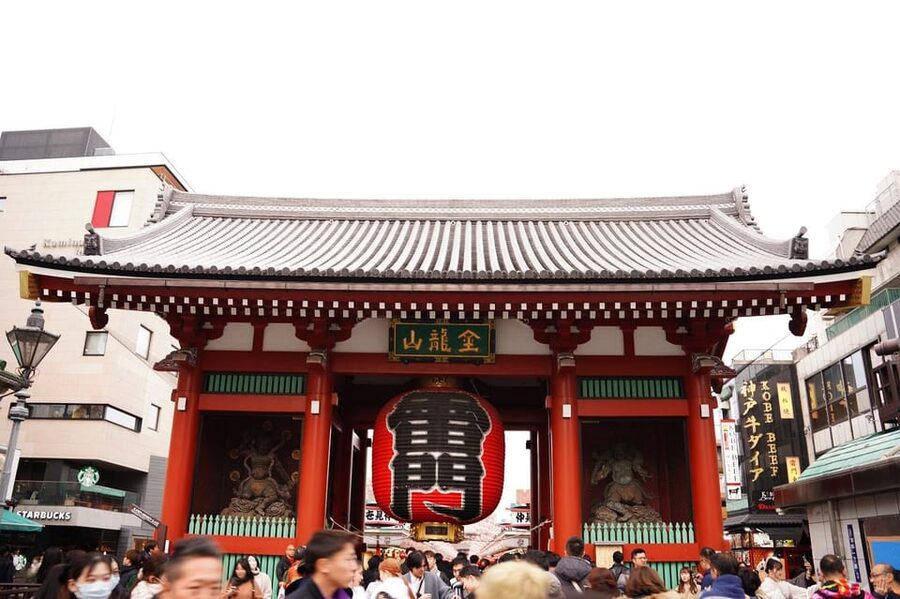
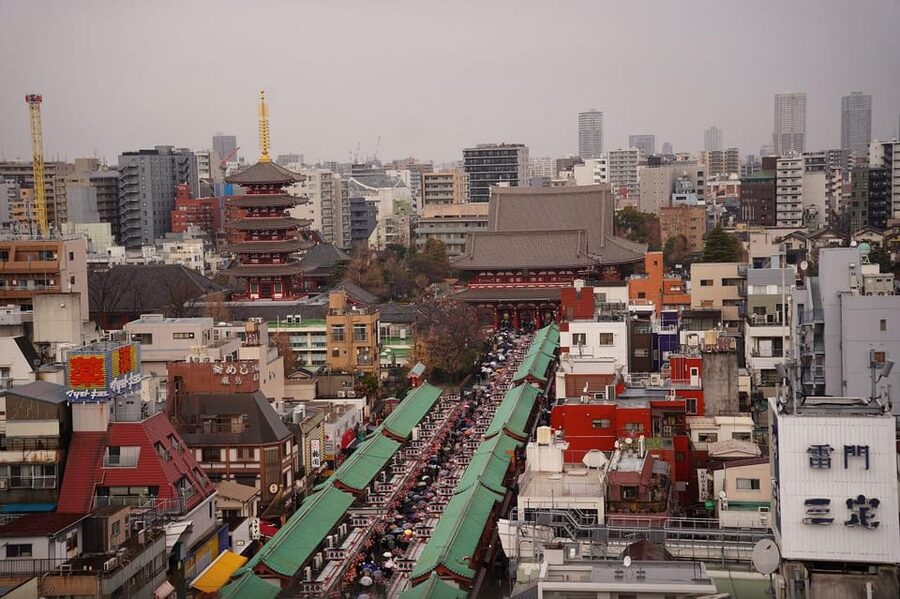
Senso-ji is the central cultural stop on the route. The temple has a history of more than 1,000 years and remains one of Asakusa’s defining sights. You have about 25 minutes for sightseeing and walking, enough to see the main areas and offer prayers.
Your guide can help you approach the temple respectfully and explain what you are seeing. That guidance is useful if you are unfamiliar with Japanese temple customs. You should still allow the temple to be more than a backdrop. Take a moment to observe the worshippers, the architecture, and the way the grounds function as an active place of faith.
The five-story pagoda is another important subject for the camera. It is a familiar symbol in images of Asakusa, but it gains more value when you can frame it with your kimono and the temple buildings. During cherry blossom season, the guide aims to place the blossoms, Senso-ji, and Tokyo Skytree in one photograph.
That three-part view is one of the most appealing photo goals in the tour. It brings together old Tokyo, seasonal scenery, and the city’s modern skyline. The exact view will depend on the season and conditions, so treat it as a planned possibility rather than a guaranteed postcard.
The temple stop is also where the pace may feel tight. Twenty-five minutes is enough for a focused visit, but not for a leisurely exploration of every corner. You are paying for a guided photo walk, not a long temple study. If Senso-ji is your main priority, plan to return independently after the tour.
Sumida River Terrace and the Tokyo Skytree Backdrop
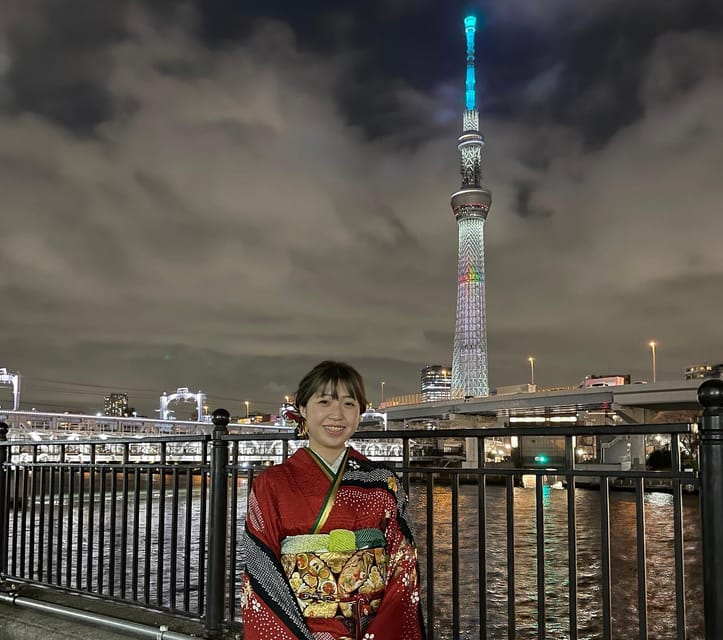
The route then heads toward the Sumida River Terrace, specifically the left bank area downstream from Shirahige Bridge. The walk takes about five minutes, followed by roughly 30 minutes at the riverside.
This is the tour’s broadest view. The river terrace gives your photographs more open space than the narrow streets near the temple. The guide aims to capture you in kimono with Tokyo Skytree and cherry blossoms behind you, creating a clear contrast between traditional clothing and Tokyo’s modern skyline.
The riverside stop also gives the tour a change of rhythm. After gates, shops, and temple grounds, you have room to step back and take wider photos. I like this balance because a complete photo set needs more than close portraits at famous landmarks.
Season matters here. Cherry blossoms are mentioned as a key backdrop, but the experience is not limited to blossom season. If you visit at another time, the river, skyline, and kimono still provide the main setting. You should simply avoid booking solely for a guaranteed blossom image unless your dates align with the season.
The guide takes photos with your camera during this stop as well. Ask for both vertical and horizontal images if you want a mix suitable for social media and printed photographs. That small request can make your final collection more useful.
Returning the Kimono and the Optional Extra Day
After the riverside photographs, you walk back toward the kimono shop. The final shop visit takes about 15 minutes, and the guided experience ends near Asakusa Station.
The standard arrangement requires you to return the kimono at the end. If you choose the next-day return option, you can continue exploring in the kimono after the tour and return it later. This changes the value of the booking considerably because you are no longer limited to the guided route for your dressed-up sightseeing.
The next-day option is especially useful if you want more time for shopping or additional photographs. The guide can suggest places to visit afterward, but the supplied details do not specify a fixed extra route. Ask about the return deadline, extra fee, and any restrictions before choosing this option.
Do not assume optional kimono services are part of the advertised price. The $116 per person price includes the standard kimono fee and the guided experience, but optional kimono charges, entrance fees, transportation, food, drinks, and personal purchases are separate.
Is $116 a Fair Price?
At $116 per person, this is not a cheap way to take a walk through Asakusa. You are paying for several services bundled together: the standard kimono, dressing assistance, hair arrangement, a qualified English-speaking guide, route planning, cultural explanation, and photos taken on your camera.
The value is strongest if you want a polished experience without managing the details yourself. A basic rental may cost less, but it may not include a guide who knows how to choose photo locations, explain the setting, and take pictures throughout the walk. The small group, capped at seven, also gives this tour an advantage over a large organized outing.
The price is less attractive if you mainly want to rent a kimono and wander alone. You may not need a guide, and you may prefer spending several hours at Senso-ji or shopping at your own pace. In that case, the fixed four-hour format could feel restrictive.
Remember to budget for extras. Optional kimono choices, some hairstyles, facility entrance fees, transportation, meals, drinks, and personal shopping are not included. The route itself focuses on outdoor sightseeing, so the listed stops do not require you to add a large number of admission fees.
Guides, Group Size, and Communication
The experience includes an English-speaking guide, with English, Chinese, and Japanese available. The guide is also described as a qualified domestic travel itinerary managing supervisor, which supports the tour’s organized approach.
Emiko is the guide most often praised in the supplied feedback. Specific praise centers on her kindness, help during kimono selection, cultural explanations, restaurant suggestions, shopping assistance, and ability to take many attractive photos and videos. Past comments also describe her as particularly helpful with a young child.
You should not assume Emiko will lead every departure, but those details show the kind of personal help the experience aims to provide. The guide’s role is not limited to pointing at monuments. You can ask for advice about food, cultural points, shopping, and places to continue afterward.
A group limit of seven is a useful middle ground. You receive more personal attention than on a bus tour, while still sharing the experience with a few other people. Photo timing can still require patience if everyone wants individual portraits, but the small size should keep the process manageable.
The meeting point is precise: Ginza Line Asakusa Station, Exit 1. Look for the guide holding a company sign with the LightSpeedStar logo in orange. The operator says it will contact you about the kimono around seven days before the date and offers WhatsApp contact, so check your messages before leaving for Japan.
Who Will Enjoy This Experience Most?
I would recommend this tour to first-time visitors who want a straightforward introduction to Asakusa. It suits you if you want traditional clothing, famous sights, cultural explanation, and usable photographs in one half-day.
It is also a good fit for couples, families, and friends who want a shared activity rather than a simple photo rental. The positive experience with a two-year-old child suggests families may find the guide’s support helpful, though young children can still affect the pace.
This is a particularly good choice if you are traveling with limited time in Tokyo. You see several major Asakusa sights without having to work out the best route or ask strangers to take your pictures.
You may prefer another arrangement if you dislike fixed schedules, want extensive temple time, or do not enjoy being photographed. The one-hour dressing period and planned walking route leave less room for spontaneous detours. You also need to be punctual, since no-shows and late arrivals are not refunded.
Free cancellation is available up to 24 hours before the start time, and reserve-now-pay-later booking is offered. Those policies help with changing plans, but they do not remove the need to confirm the kimono arrangements and meeting point in advance.
Should You Book the Asakusa Kimono Photo Walk?
Book it if you want more than a costume rental. The best part is the combination of traditional dress, local guidance, and photographs taken in settings that actually suit the kimono. Kaminarimon, Senso-ji, the five-story pagoda, and the Sumida River Terrace give you a varied set of images rather than one repeated backdrop.
The tour is also a sensible pick for families and first-time Tokyo visitors who value help with cultural details. Emiko’s warm, practical approach has been a highlight for several past bookings, especially with kimono selection, photos, shopping, and family support.
Skip it if you want a slow, independent day or if $116 feels high for a guided photo session. For everyone else, the small group and careful route make this a useful way to see Asakusa dressed for the occasion, provided you arrive on time and budget for optional extras.
FAQ
Where does the tour meet?
Meet at Exit 1 of the Ginza Line Asakusa Station. The guide will hold a sign with the LightSpeedStar company logo, which is orange.
How long does the experience last?
The guided experience lasts four hours. The kimono selection, hairstyle, and fitting take approximately one hour.
What languages are available?
Live guiding is available in English, Chinese, and Japanese.
Is the activity wheelchair accessible?
Yes, the activity is listed as wheelchair accessible.
What does the price include?
The $116 price includes the standard kimono fee, a qualified domestic travel itinerary managing supervisor as guide, and an English-speaking guide. Optional kimono fees, entrance fees, transportation, food, drinks, and personal expenses are not included.
Can I cancel or pay later?
You can cancel up to 24 hours in advance for a full refund. Reserve-now-pay-later booking is also available. No-shows and late arrivals are not refundable.
Just added around Tokyo
- Tokyo: Customized Private Historical Guided Photoshoot Tour★ 5.0 · 25 reviews
- Tokyo: Private Photo Shoot with a Professional Photographer★ 5.0 · 11 reviews
- Tokyo: Private Photoshoot at Shibuya Crossing★ 4.7 · 7 reviews
- Tokyo: Private Makeover Photography Studio in Luxury Kimono★ 5.0 · 22 reviews
- Tokyo Portrait Tour with a Professional Photographer★ 5.0 · 29 reviews
- Tokyo Photoshoot Tour with a Local Photographer★ 5.0 · 37 reviews
- Tokyo Private photo tour with Nightstreet Neon photographer★ 5.0 · 17 reviews
- Tokyo: Personalized Photography and Walking Tour★ 5.0 · 4 reviews
Kimono & Costume Photoshoots, compared.
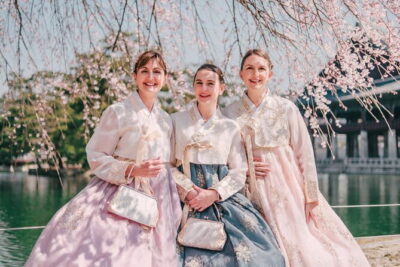
Kimono Dressing, Walking, and Photography Session
Read our review →Hanbok Photoshoot and History Tour at Gyeongbokgung Palace
Read our review →

Witch Costume Photo Shoot – Olde Salem Village theatrical set
Read our review →
Professional Hanbok Photography at Gyeongbok Palace
Read our review →
Witch Costume Photo Shoot – Witch Cottage theatrical set
Read our review →