Review · KIMONO & COSTUME PHOTOSHOOTS
Tokyo:Genuine Tea Ceremony, Kimono Dressing, and Photography
Tea becomes a lesson in Japanese manners. This small Tokyo experience combines a genuine matcha ceremony, traditional kimono dressing, a shrine visit, and photographs in one carefully paced outing. I especially like the chance to make your own tea after watching an instructor work up close, and the personal help from Sayoko, who assists with choosing a kimono and explains shrine etiquette.
The main consideration is the price: at $115 per person, it costs more than a basic tea demonstration. You also need to choose your kimono by the day before, and everyone present must pay, even if they do not dress up. Still, the group limit of three makes this feel more like a private cultural lesson than a standard tourist stop.
Key Points to Know Before You Book
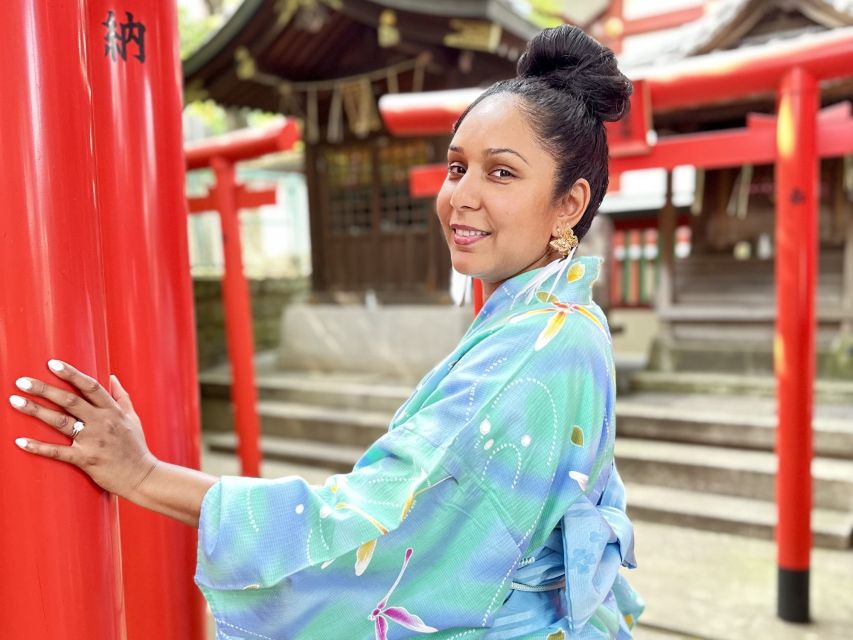
- Choose from more than 50 kimonos or yukata: You wear a summer cotton yukata in warm weather and a traditional kimono in winter.
- Make your own matcha: You first watch the tea instructor prepare tea, then try the process yourself.
- Visit a local shrine in traditional dress: Sayoko explains how to pray and how to move respectfully around the shrine.
- Receive photographs during the experience: Sayoko usually takes pictures with an iPhone 14 Pro at the shrine and in the tea room.
- Expect a very small group: The experience is limited to three participants, which allows plenty of personal attention.
- Plan for a weather-proof outing: It takes place rain or shine, with a plastic umbrella available if needed.
Why This Experience Feels More Personal Than a Standard Tea Demonstration
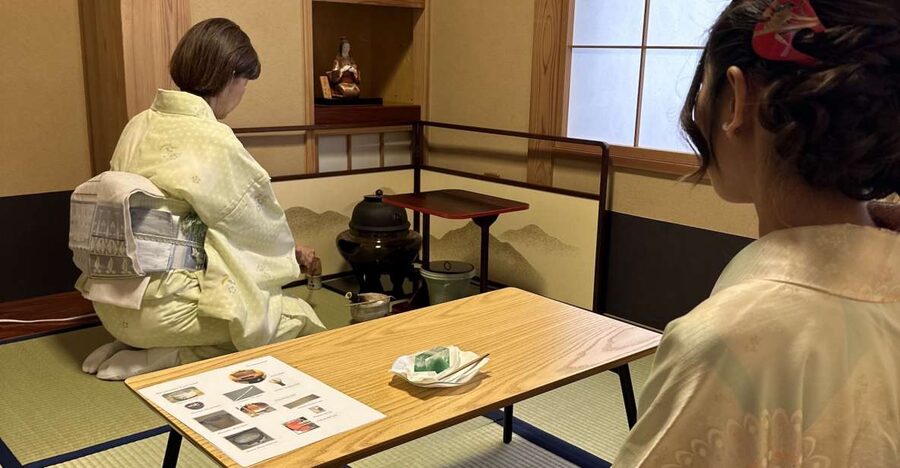
A tea ceremony can be easy to watch without fully understanding. You sit quietly, admire the movements, drink the matcha, and leave with a few photographs. This experience goes further by giving you a role in the ritual.
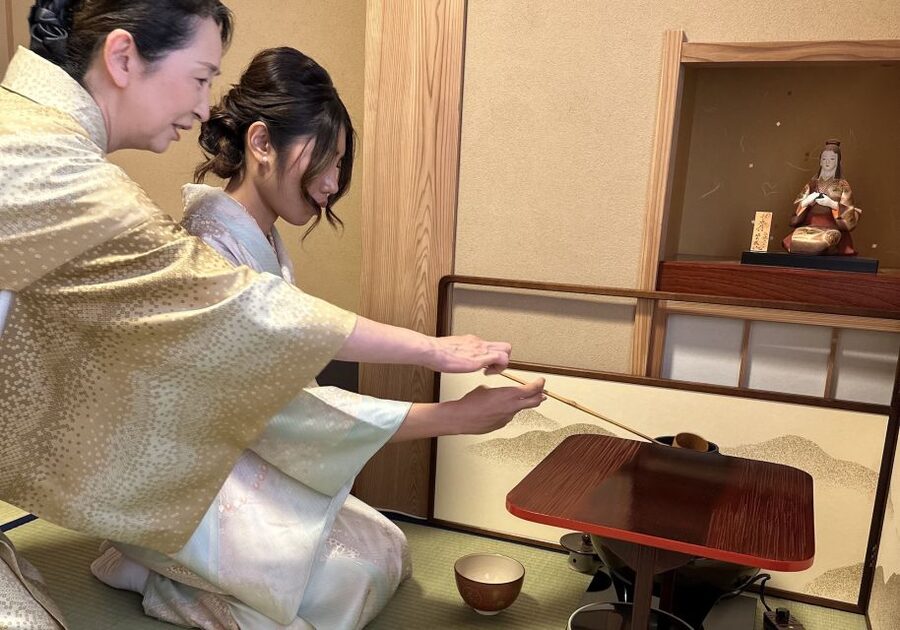
You watch an experienced tea instructor prepare matcha at close range. The careful motions, equipment, and quiet rhythm help show that the ceremony is about more than making a drink. Attention, respect, and proper behavior are part of the experience.
Then you prepare your own tea. You still receive professionally made matcha, but trying it yourself gives you a better sense of the work involved. You can compare your preparation with the instructor’s version, which makes the lesson practical rather than purely ceremonial.
I like that the tone appears to be both formal and friendly. The ceremony keeps its dignity, but the hosts also explain what is happening and welcome questions. That balance matters if you are new to Japanese tea culture and worry about making a mistake.
The experience is conducted in English and Japanese. Sayoko’s guidance includes more than the tea itself. She also explains how to walk, sit, behave, and pray properly while wearing a kimono or yukata.
More Kimono and Costume Photoshoots in Japan
- Tokyo: Kimono Dressing, Walking, and Photography Session
★ 4.9 · 427 reviews - Tokyo Authentic Kimono Rental in Asakusa with Photography Option
★ 5.0 · 46 reviews - :Tokyo,Shibuya/ Pro Photography in Kimono / English-Friendly
★ 5.0 · 26 reviews
Choosing Your Kimono Before the Day
The clothing is a major part of the appeal. You can choose from more than 50 kimono or yukata options, along with an obi and the accessories needed to complete the outfit. The provider uses authentic silk kimonos made in the traditional way, while summer participants wear lighter cotton yukata.
This is not a quick costume rental. Dressing in a kimono changes how you move. Your steps become shorter, your posture more deliberate, and sitting down takes some thought. Sayoko teaches these small details during the walk, which helps you look more natural in photographs and gives you a better feel for the clothing.
You must select your outfit by the day before the experience. After booking, Sayoko contacts you through GetYourGuide or WhatsApp, usually within 12 hours, to help with the choice. Reply promptly. Waiting until the last moment could make the preparation more stressful, especially if you are booking for several people.
The kimono and accessories are included in the $115 price. That is useful when comparing this activity with separate kimono rental, a tea ceremony, shrine photography, and cultural instruction. You are paying for several connected parts rather than one short demonstration.
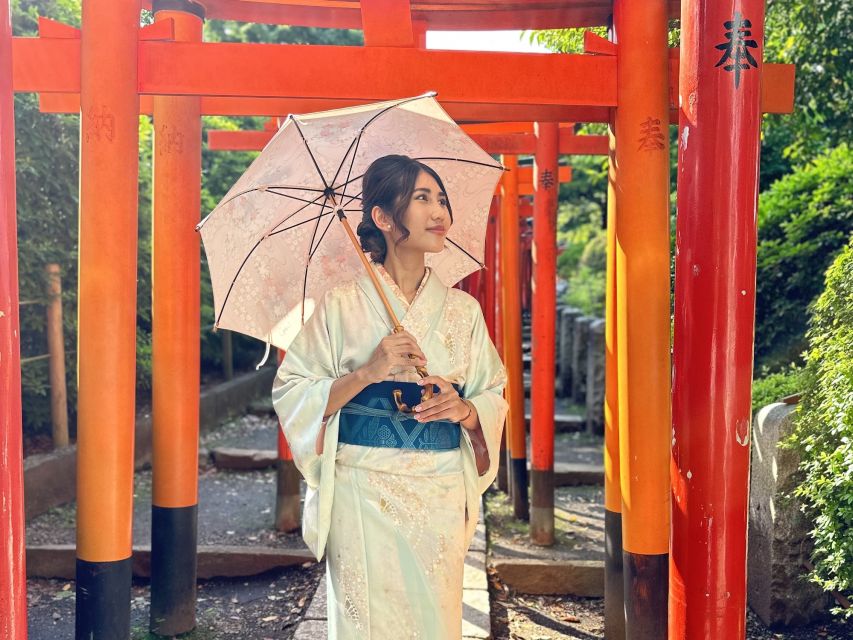
One unusual extra is the AKIZAKURA kimono upcycled umbrella. You carry it during the walk, adding a thoughtful visual touch to the photographs. If it rains, a plastic umbrella is also provided, so bad weather does not automatically cancel the outing.
A Practical 2.5-Hour Itinerary
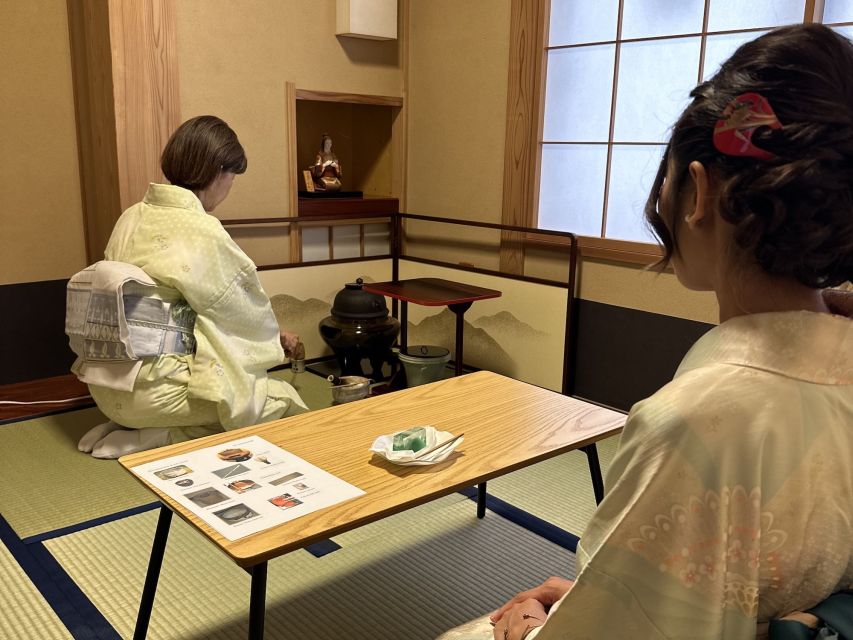
The experience lasts about two and a half hours, though the exact starting time depends on availability. The order may vary, but you can expect the day to move through dressing, instruction, the shrine walk, photography, and tea.
Getting Dressed and Learning to Move
The first stage is putting on your kimono or yukata. The clothing is supplied, along with the obi and other accessories. This is the part that requires patience. Traditional clothing has more layers and details than an ordinary rental outfit, so allow yourself to enjoy the process rather than rushing toward the photographs.
Once dressed, you learn basic walking manners. You are shown how to sit down and how to behave while wearing the garment. These instructions may sound small, but they are useful. A kimono looks best when you move carefully, and the guidance helps prevent you from treating it like an ordinary dress or coat.
The provider also offers a table, chairs, and other equipment for anyone who finds sitting on the floor uncomfortable. That option is important. Traditional ceremonies are often associated with floor seating, but you do not have to accept unnecessary leg pain to take part.
More Kimono and Costume Photoshoots in Tokyo
- Asakusa Kimono/Yukata Rental & Photography_Tsutsuji
★ 5.0 · 12 reviews - Asakusa Kimono Photography Tour
★ 5.0 · 8 reviews
Walking to the Shrine
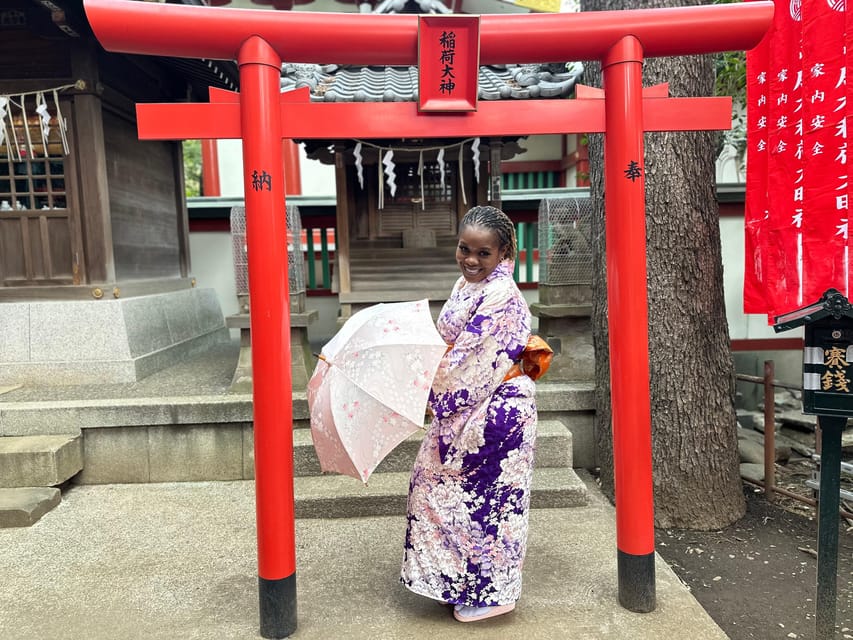
You then walk in your kimono or yukata to a nearby local shrine. The shrine provides a more natural setting for photographs than an indoor studio, and the visit adds a religious and cultural element to the outing.
Sayoko explains how to pray properly at the shrine. This is one of the most useful parts for a first visit because shrine etiquette is not always obvious. You learn the expected pattern of behavior instead of simply copying someone nearby.
The walk also gives you a chance to practice the movements introduced during dressing. You may find that the outfit feels restrictive at first, but the slower pace is part of the experience. It encourages you to notice posture, gestures, and the way traditional clothing shapes daily behavior.
The exact shrine is not specified in the available information, so you should not book this expecting a major landmark or a famous temple complex. The value is the local setting and the explanation, not checking off a headline attraction.
Photography at the Shrine and Tea Room
Photography is included, normally using an iPhone 14 Pro. Sayoko takes commemorative photographs at the shrine and in the tea room, giving you a record of both the formal clothing and the ceremony.
The photographs are a useful bonus because getting a good picture of yourself in a kimono can be difficult. You may be focused on walking, handling the umbrella, or following instructions. Having someone direct the shots means you can concentrate on the experience.
Set your expectations correctly. This is not a professional photography session unless you pay extra for a professional photographer. The included images are made with an iPhone, which should be perfectly suitable for casual keepsakes and sharing, but it is not the same service as a planned portrait shoot.
Professional hair and makeup are also available for an additional fee. If you want a more polished appearance, arrange that separately in advance. It is not part of the standard $115 package.
The Tea Room and the Art of Making Matcha
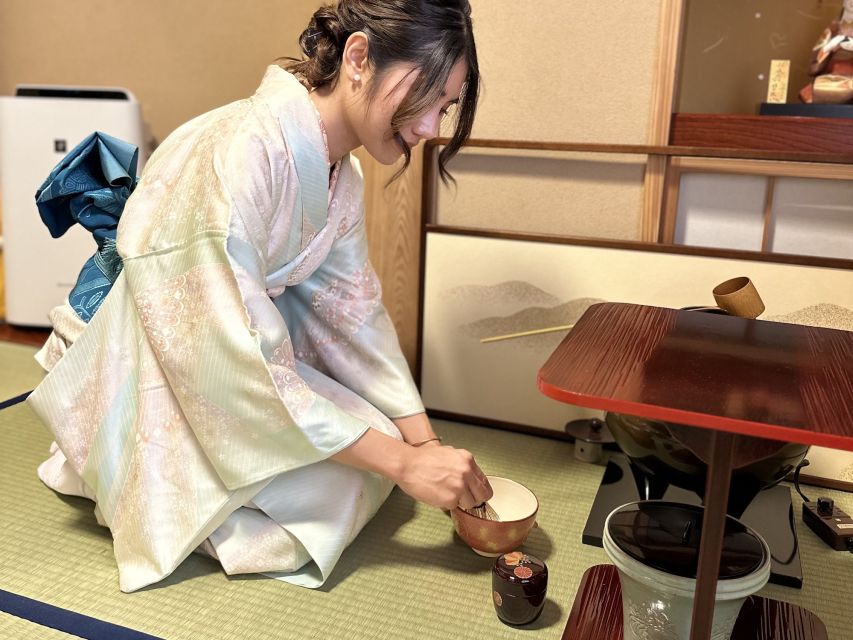
The tea ceremony is the heart of the experience. An experienced instructor prepares the matcha while you watch closely. The appeal lies in the details: the measured movements, the quiet focus, and the respectful handling of the tea equipment.
You receive matcha and tea sweets during the ceremony. The sweets provide a small balance to matcha’s earthy, slightly bitter taste. If you have only tried sweetened green tea drinks, the flavor may be more direct than expected.
After observing the instructor, you make your own matcha. This is a simple but valuable change from passive sightseeing. You can see how preparation affects the final drink, and you gain a better understanding of why the ceremony treats every movement with care.
The ceremony has a calm pace. One of the strongest features is the sense that you are being taught rather than hurried through a performance. The instructor explains the ritual, and the hosts make room for your questions and attempts.
You do not need prior knowledge. The experience is designed to introduce you to the ceremony, including proper behavior and the meaning of the actions. The instruction is available in English and Japanese, which makes the process approachable for international visitors.
Comfort, Pace, and Group Size
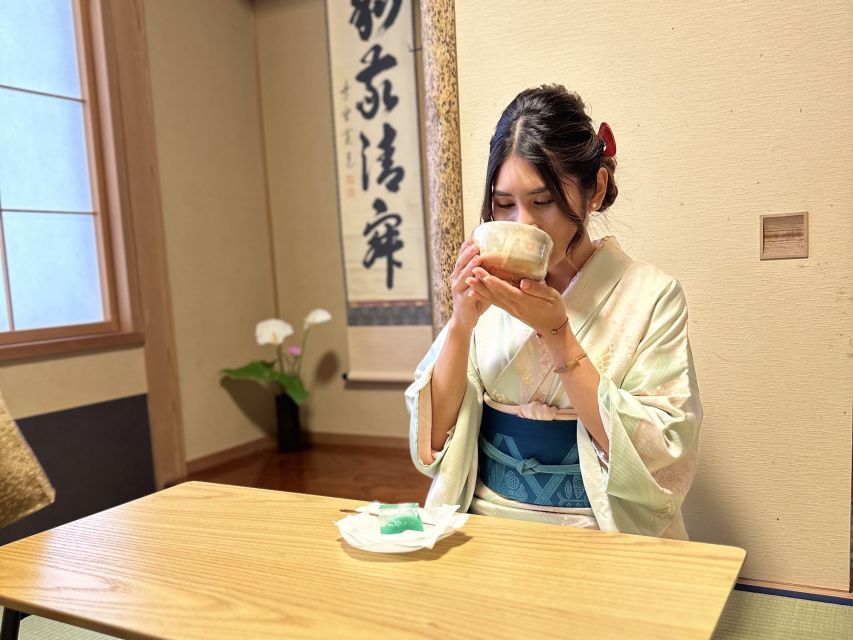
The small group limit is three participants. That makes a real difference here. Dressing assistance, photography, shrine instruction, and tea preparation all work better when the host can focus on each person.
A larger group could make the ceremony feel less personal and would likely reduce your time with the instructor. With only three participants, you have a better chance to ask questions, receive help with the clothing, and get individual guidance while making matcha.
The experience is also paced as a complete cultural outing rather than a single activity. You are not only drinking tea, and you are not only dressing for photographs. Each part supports the next: the clothing leads to lessons in movement, the walk leads to shrine etiquette, and the tea ceremony gives the day its main focus.
Comfort is worth considering. A kimono can be warm and restrictive, particularly if you are not accustomed to traditional clothing. The provider offers chairs and tables for those who need them, but you should still expect a formal outfit and a slower style of movement.
The activity runs rain or shine. A kimono upcycling umbrella is provided for the walk, and a plastic umbrella is available if the weather turns wet. Rain may affect the photographs, but it does not remove the tea ceremony or the dressing portion.
Is $115 Good Value?
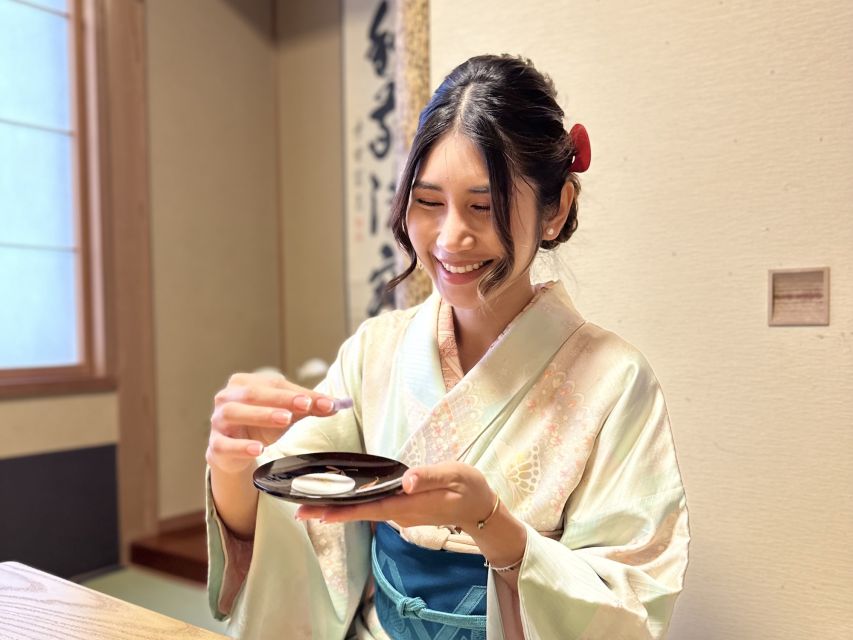
At $115 per person, this is not the cheapest way to experience matcha in Tokyo. If you only want to taste green tea, you can spend much less. The value comes from the combination of services and the unusually small group.
Your fee covers the kimono or yukata, obi, accessories, matcha, tea sweets, the tea lesson, shrine visit, walking instruction, umbrella, and iPhone photography. You also receive direct help from Sayoko and the tea instructor.
Separate costs for kimono rental, a guided shrine visit, photographs, and a tea ceremony could quickly approach the same amount. Here, those pieces are arranged into one 2.5-hour experience. That makes the price easier to justify for a first-time visitor who wants a focused introduction to traditional Japanese culture.
The value is strongest for people who care about context. If you mainly want a quick outfit change and a few posed photographs, a basic kimono rental may suit you better. If you want to understand how to behave in a shrine, how to move in traditional clothing, and how to make matcha, this package offers more.
Remember that every person present must be booked and charged, even if someone chooses not to wear a kimono. That rule matters for couples, families, or friends where only one person plans to dress up.
What the Strongest Praise Tells You
The most consistent praise centers on the hosts, the careful preparation, and the warm tone of the ceremony. Sayoko receives particular appreciation for communication before the day, help selecting outfits, photography, and explanations at the shrine.
The tea instructor is also praised for calm, dignified teaching. That matters because the ceremony could feel intimidating if it were presented as a strict test of etiquette. Here, the instruction seems designed to help you participate with respect, not to catch you out.
The experience also earns strong marks for pacing. You move from dressing to walking, photographs, and tea without cramming too much into a short session. The 2.5-hour length gives each part enough room to feel meaningful.
The photographs are another repeated success. Sayoko is described as an excellent photographer, and the images serve as a lasting record of the outing. Again, remember that the standard service uses an iPhone 14 Pro. Choose the professional photography upgrade if polished portraits are a priority.
Who Should Book This Experience?
I would recommend it to first-time visitors who want a gentle introduction to Japanese customs without joining a large group. It works especially well for couples, solo visitors, and small families who value personal instruction and photographs.
It also suits anyone interested in clothing. You do not simply wear a kimono for a few minutes. You learn how it affects walking, sitting, posture, and behavior. That makes the clothing feel connected to culture rather than a decorative prop.
The experience may be less suitable if you dislike formal rituals, do not want to wear traditional clothing, or prefer a flexible self-guided morning. The schedule includes several structured steps, and the clothing requires care.
If you have difficulty sitting on the floor, mention your needs and use the available table and chairs. If you want hair and makeup or a professional photographer, arrange those paid extras before the day.
Should You Book It?
Book this if you want more than a photo in a rented kimono. The strongest reason to choose it is the combination of personal guidance, shrine etiquette, hands-on matcha preparation, and a very small group.
The $115 price is fair for the amount included, particularly if you would otherwise pay separately for clothing, a tea ceremony, and photographs. Just choose your outfit by the day before, reply to Sayoko’s message, and remember that all participants must be paid for.
I would skip it only if you want a quick, inexpensive tea tasting or a professional portrait session as the main goal. For a thoughtful first look at Japanese tea culture, traditional dress, and respectful shrine behavior, this is a well-shaped half-day experience.
FAQ
How long does the tea ceremony and kimono experience last?
The experience lasts 2.5 hours. Starting times depend on availability.
How much does the experience cost?
The listed price is $115 per person.
How many people can join?
The experience is limited to three participants.
Is the experience available in English?
Yes. The instructor and hosts offer the experience in English and Japanese.
What clothing is provided?
You receive a kimono or yukata, an obi, and all accessories needed to wear it. Yukata are used in summer, while traditional kimono are used in winter.
When do I choose my kimono?
You must choose your kimono or yukata by the day before the experience. Sayoko contacts you after booking through GetYourGuide or WhatsApp to help with the selection.
Is photography included?
Yes. Photography with an iPhone 14 Pro is included at the shrine and tea room. A professional photographer is available for an extra fee.
Does the experience take place if it rains?
Yes. The activity runs rain or shine. A kimono upcycling umbrella and a plastic umbrella for rain are included.
Just added around Tokyo
- Asakusa Kimono/Yukata Rental & Photography_Tsutsuji★ 5.0 · 12 reviews
- Asakusa Kimono Photography Tour★ 5.0 · 8 reviews
- Travel Tokyo with Your Own Personal Photographer★ 5.0 · 43 reviews
- Personal Travel and Vacation Photographer Tour in Tokyo★ 5.0 · 19 reviews
- Tokyo: Private photo shoot★ 5.0 · 31 reviews
- Tokyo: Photo Shoot with a Private Vacation Photographer★ 5.0 · 53 reviews
- Tokyo: Evening Photography Tour★ 4.8 · 61 reviews
- :Tokyo,Shibuya/ Pro Photography in Kimono / English-Friendly★ 5.0 · 26 reviews
Kimono & Costume Photoshoots, compared.
Kimono Dressing, Walking, and Photography Session
Read our review →Hanbok Photoshoot and History Tour at Gyeongbokgung Palace
Read our review →

Witch Costume Photo Shoot – Olde Salem Village theatrical set
Read our review →
Professional Hanbok Photography at Gyeongbok Palace
Read our review →
Witch Costume Photo Shoot – Witch Cottage theatrical set
Read our review →