Review · PHOTOGRAPHY TOURS
Omo Valley Tribes Photography Tour by Locals
Remote Ethiopia rewards patience. This seven-day trip links Dorze, Mursi, Hamer, Karo, Konso, Bena, and Dasenech communities with markets, wildlife, and long scenic drives through the Great Rift Valley. I like the strong mix of cultural visits and nature, especially Lake Chamo, Mago National Park, and the Omo River crossing. I also like the small group limit of eight, which matters when you are carrying camera gear and hoping for time with local guides.
The main drawback is the pace. You cover a huge amount of southern Ethiopia in seven days, with several four-hour driving stretches and one full return drive to Addis Ababa. Market visits also depend on the day of the week, so you need to accept a flexible plan rather than expect every listed stop to happen exactly as written.
Five things to know before you book
- The Dorze visit begins the cultural story: See beehive-shaped homes, cotton weaving, and kocho made from false banana.
- Market days shape the route: Dimeka, Key Afar, Konso, Weyto, and other markets operate on different days.
- Mago National Park leads to a Mursi village: This is one of the tour’s most recognizable photography stops.
- Lake Chamo adds wildlife to the itinerary: Crocodiles are the main attraction, with hippos possible too.
- The $1,250 price covers a lot: Transport, guide, meals, taxes, bottled water, and a camera if requested are included.
- This is a road trip, not a relaxed resort holiday: Expect basic lodging, long drives, and a moderate level of fitness.
Why this route is worth seven days
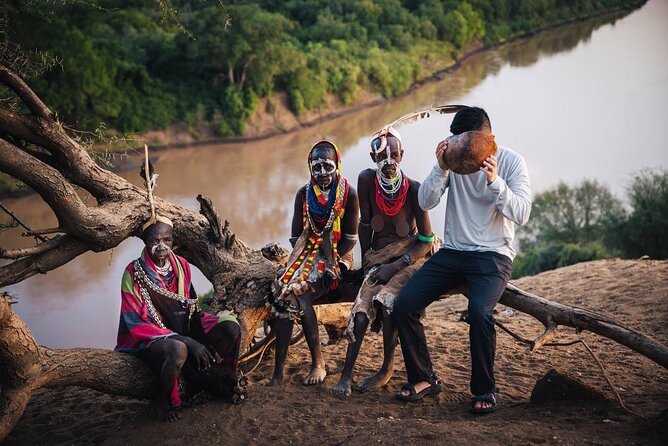
The Omo Valley is not a single attraction you can see in an afternoon. It is a large region where communities, markets, roads, parks, lakes, and villages are spread over considerable distances. This tour works because it gives you a broad introduction rather than focusing on only one group.
You move from the Dorze highlands to the dry southern Omo region, then return through Konso and the Rift Valley. Along the way, the focus shifts from traditional architecture and farming to markets, portraits, river travel, wildlife, and local museums.
I especially like the range of settings. One day may involve a mountain village and textile work. Another may bring a crocodile-filled lake, while later days take you to a Mursi settlement or an isolated village reached by a locally made boat.
The tour is also built for photography, but you should not expect a staged studio session. The most useful images may come from ordinary moments: weaving, preparing food, working metal, trading goods, or crossing the Omo River. Your guide is important here. A professional local guide can help you approach people with more care and explain what you are seeing.
More Photography Tours in the world:
- Barcelona E-Bike Photography Tour
★ 5.0 · 843 reviews - Tromso: Northern Lights Photography Tour
★ 4.2 · 843 reviews - Tromsø: Northern Lights Photography Tour
★ 4.8 · 788 reviews
Day 1: Dorze homes, cotton, and kocho
The first day heads south from Addis Ababa through the Great Rift Valley. Lunch is planned in Sodo before the road continues toward Chencha, the mountain village associated with the Dorze people.
Dorze homes are one of the clearest visual highlights of the trip. Their tall, beehive-shaped structures are made from woven thatch and have an unusual silhouette. You can see how the homes are constructed, along with cotton weaving and the production of traditional cloth called shammas.
The visit also introduces kocho, a traditional bread made from the false banana plant. You may have the chance to learn how it is prepared, which gives the stop more substance than simply taking photographs of a distinctive house.
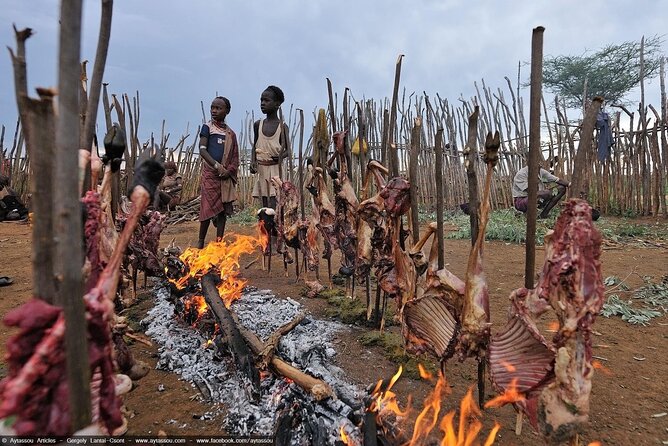
An optional evening program includes a bonfire, killing a goat for dinner, and cooking with local people. This is clearly not a standard restaurant meal, so consider your comfort level before agreeing. The overnight stay may be in Dorze or Arba Minch, and that difference can affect how much time you have for the evening visit.
The day includes about five hours of touring. That may sound manageable, but the total road time from Addis Ababa will make it a demanding opening day. I would keep your camera ready but avoid planning a packed schedule after arrival.
Day 2: Lake Chamo and the road toward Turmi
Lake Chamo, part of Nechisar National Park, brings a welcome change of pace. The area is known for its crocodiles, and the nickname crocodile market refers to the part of the lake where large numbers are often seen. Hippos also live in the lake and might appear.
This is one of the tour’s best chances for wildlife photography. It also gives you a break from portrait work and village visits. Still, animals are not guaranteed to pose, so bring patience rather than expecting a perfectly timed crocodile photograph.
The route then continues toward Turmi through several communities and market towns. Konso is associated with terraced agriculture and wooden waka statues. Weyto is linked with the Tsemai people, while Key Afar is connected with the Bena community. Dimeka serves as a major market area for Hamer and Karo people.
The market calendar matters:
- Weyto market day is Saturday.
- Key Afar market day is Thursday.
- Dimeka market days are Tuesday and Saturday.
- Konso market days are Monday and Thursday.
If your dates line up, the markets can be among the most rewarding parts of the tour. People from several communities gather to trade goods, and you get a wider view of daily life than at a single village. If the timing does not line up, you will still pass through the towns, but the atmosphere may be quieter.
In Turmi, you might see Hamer night dancing, known as evangadi. This is not guaranteed, so treat it as a bonus. The day also includes a stop near Weyto, with a possible market visit if the timing is right.
Day 3: Dimeka, Key Afar, and the Omo delta
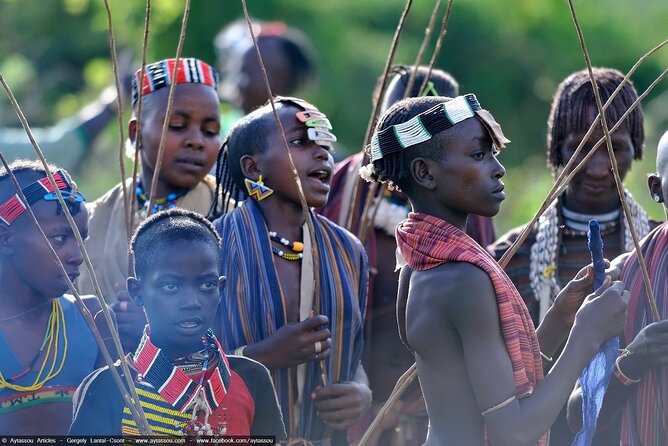
The third day continues through Dimeka and Key Afar before reaching the Omo delta village of Omo Rate. Dimeka is described as one of the area’s most colorful markets, with Hamer, Bena, and Karo people trading and gathering there on Tuesdays and Saturdays.
Key Afar is especially useful if your schedule falls on a Thursday. The Bena and Tsemai communities meet there to trade, and it is another important market in the region.
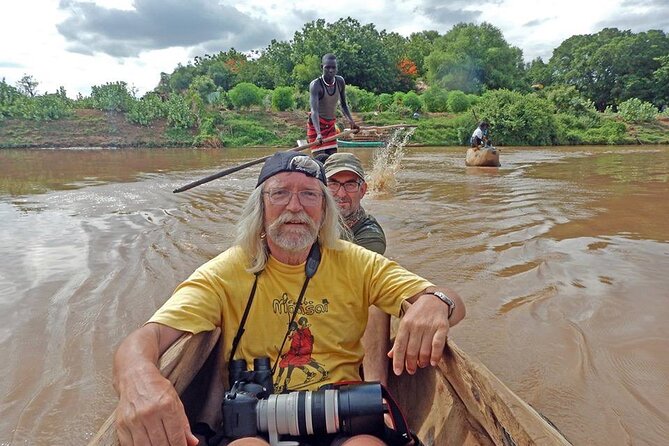
The Omo Rate visit adds one of the trip’s more unusual forms of transport. You cross the Omo River in a locally made boat to reach a Dasenech village. That crossing is not just a photo opportunity. It helps explain the distance and isolation that shape life along the river.
Expect about four hours of touring before the two-hour village visit. The itinerary includes an overnight at Turmi Lodge, though the day’s wording also mentions proceeding toward Jinka. Because the route descriptions place Turmi and Jinka in different parts of the schedule, confirm the exact overnight plan before departure.
This is a good point to remember that the trip is not a fixed museum circuit. Roads, market days, local events, and driving conditions can affect the order of visits.
A few more photo experiences around the world worth a look
- Bali: Full-Day Instagram Highlights Tour
★ 4.8 · 7,817 reviews - #1 Northern Lights Tour In Iceland from Reykjavik with PRO photos
★ 4.5 · 2,887 reviews - ️ Bali Instagram Tour: The Most Famous Spots (Private & All-Inclusive)
★ 5.0 · 2,857 reviews - Silfra: Fissure Snorkeling Tour with Underwater Photos
★ 4.9 · 2,731 reviews
Day 4: Dimeka market and the Bena community
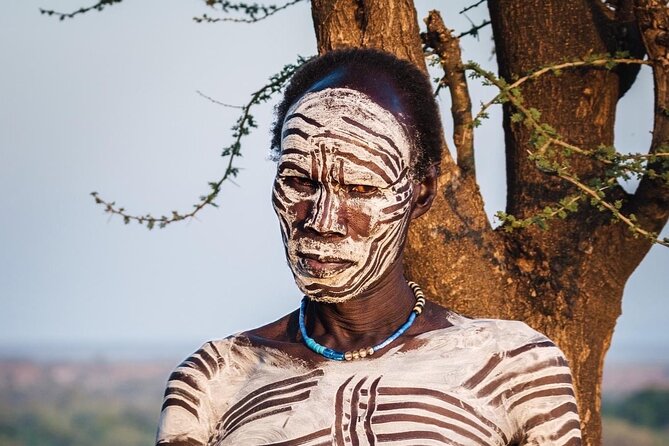
The next day continues toward Jinka, again using the Dimeka and Key Afar route. If it is Tuesday, you may visit the Alduba market in Dimeka, followed by a visit to a Bena community.
For photographers, markets often offer more variety than a single village. You may see clothing, goods, animals, and several communities in one place. The mix also gives you a chance to photograph details rather than relying only on posed portraits.
That said, crowded public places can make photography sensitive. Ask before taking close portraits, listen to your guide, and remember that the people you meet are not props for a travel album. The tour’s local guidance should help, but your own manners matter just as much.
The day includes roughly four hours of touring and two hours in Dimeka. Overnight accommodation is listed at Nasa Hotel in Jinka. The itinerary also refers to Turmi Lodge on the previous day, so confirm the accommodation sequence and daily driving plan when you book.
Day 5: Mago National Park and the Mursi village
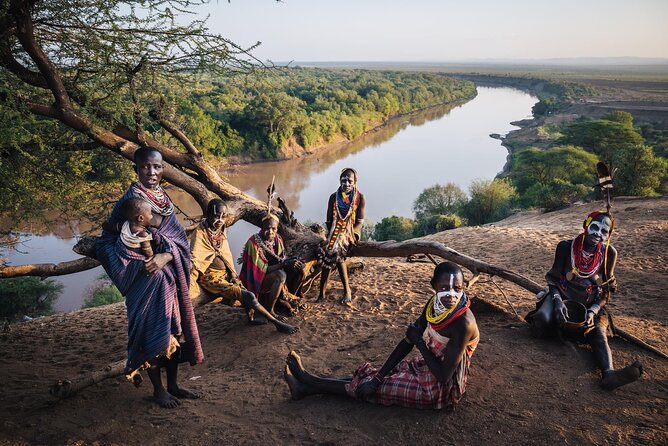
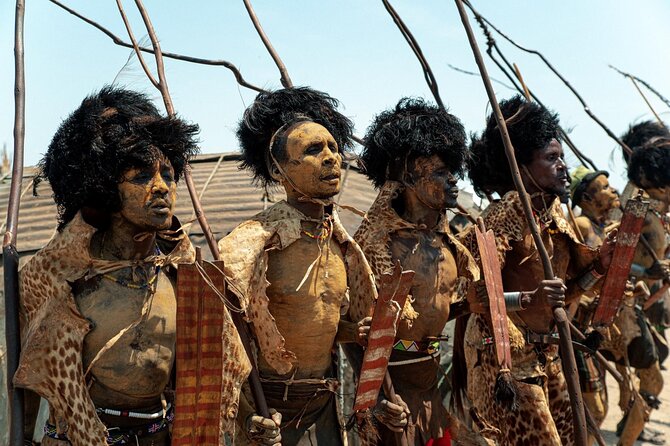
This is likely to be the most anticipated day for many photographers. You drive through Mago National Park to a local Mursi village. Mursi women are widely known for lower-lip and earlobe plates, traditional forms of adornment connected to social identity and marriage customs.
The subject requires care. It is easy to reduce the visit to one famous visual detail, but the Mursi community is more than its most photographed tradition. Use the time to observe village life, listen to the guide, and take photographs respectfully.
The drive through Mago National Park is part of the appeal, though the route remains road-heavy. After returning to Jinka, you visit the South Omo Museum and Research Center. That stop can help place the communities and customs into a broader cultural setting.
You then have the option to hike in the surrounding hills to an Ari village. The visit focuses on practical work, including blacksmithing and making areki, a local gin. This offers a valuable contrast to the portrait-focused Mursi stop. Instead of photographing a highly recognizable tradition, you can see how work and household skills shape daily life.
The itinerary also lists a Key Afar market visit and an Ari village visit. Again, market timing matters. Overnight accommodation is at NASA Hotel.
Day 6: Konso terraces and waka statues
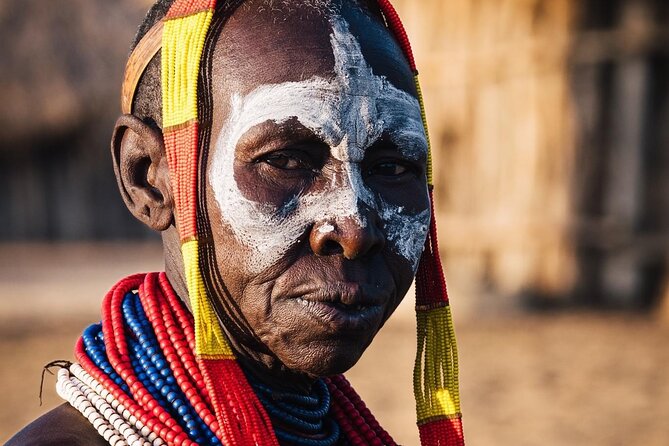
The sixth day turns north toward Konso. The Konso people are known for carefully built agricultural terraces and waka statues, wooden figures made to honor dead heroes.
A village visit and cultural museum help connect the objects with the community that created them. The terracing is particularly important because it shows how people adapted farming to difficult ground over time. You get both a cultural stop and a lesson in local agriculture.
If time permits, the route may include the Natural New York Village. Tall sand formations give the site its nickname because they resemble a city skyline. The comparison is playful, but the formations also provide a change from village and market photography.
Thursday and Monday are Konso market days. If your schedule matches one of them, you may see additional trading activity. The day ends with the drive to Arba Minch and an overnight at Mora Heights Lodge.
The stated touring time is about three hours, but road conditions and stops can make the day feel longer. Keep some flexibility, especially if you want time for photography rather than simply moving from one stop to the next.
Day 7: The long return to Addis Ababa
The final day is a full drive back to Addis Ababa, beginning early from Arba Minch. The route includes a stop at Lake Langano for refreshments and lunch, with about two hours allocated there.
Time permitting, you may visit archaeological sites that were not covered earlier. The evening may include optional shopping and a folkloric dinner with national dishes, dances from different ethnic groups, and a traditional coffee ceremony.
The return day is not a light travel day. The listed schedule mentions about five hours toward Addis Ababa, but the description calls it a full day’s drive. Plan on arriving tired, and avoid booking a tight onward connection unless the operator confirms the timing.
Airport transfer is included in the final description according to your departure schedule. If you plan to fly out the same night, confirm the transfer details directly.
What the $1,250 price really covers
At $1,250 per person, this is not a budget day trip, but the price includes the costly parts of a remote multi-day journey. You receive an air-conditioned vehicle, a shared guide, bottled water, all fees and taxes, seven lunches, six breakfasts, and seven dinners.
A camera can also be provided if requested. That is useful if you want to photograph but do not want to bring a full kit. Ask what camera is available before you rely on it, since the details of the equipment are not specified.
The maximum group size is eight. That is a meaningful limit in a vehicle-based tour. A smaller group can make border crossings, village visits, and photo stops easier to manage than a large coach group.
Alcohol is not included. Visa fees, tips, and laundry are also extra. The minimum drinking age in Ethiopia is listed as 21.
The value is strongest if you want transport, meals, a guide, and a wide route handled in one booking. It is weaker if you prefer slow travel, independent hotel choice, or long unplanned stays in one community.
Fitness, packing, and practical concerns
You need moderate physical fitness. The tour includes long drives, village walking, a possible hike near Jinka, and a river crossing by boat. Pack light enough to manage your own camera gear, but bring suitable clothing for both warm lowland areas and cooler highland stops.
A few practical habits will help:
- Carry extra camera batteries and memory cards.
- Keep water with you, even though bottled water is included.
- Bring comfortable walking shoes for villages and the Ari hike.
- Check market days against your travel dates before booking.
- Ask for the precise hotel sequence, since some day descriptions overlap.
- Carry small essentials for the road, as several stops are far apart.
Photography is the central theme, but the best results will depend on patience and respect. Let your guide explain local expectations, and ask before close-up portraits. The strongest photographs often come when you give people time instead of rushing from one subject to the next.
Who should book this Omo Valley trip?
I would recommend it to photographers who want a structured introduction to southern Ethiopia and are comfortable with long road days. It also suits anyone interested in markets, village life, traditional crafts, wildlife, and cultural variety within one journey.
The tour is less suitable if you want luxury lodging, a slow schedule, or guaranteed ceremonies. Evangadi dancing, market activity, hippo sightings, and other special moments depend on timing and chance.
The tour has received praise for organization, kindness, and the sheer variety of experiences. One extended southern Ethiopia journey connected the Dorze, Konso, Mursi, Ari, Hamer, Karo, Dasenech, and Nyangatom communities, with a bull-jumping ceremony among its highlights. This seven-day route covers many of the same cultural areas, but a bull-jumping ceremony is not promised here, so do not book expecting one.
Should you book it?
Book this tour if you want a practical, guided route through the Omo Valley and value having meals, transport, and a local guide arranged for you. The combination of Dorze homes, Lake Chamo, Omo River travel, Mago National Park, Mursi and Ari villages, Konso culture, and regional markets gives you a full introduction in a short time.
Think twice if you dislike long drives or want complete control over the schedule. Before paying, check the market calendar, clarify the hotel plan, and ask how photography is handled at village visits. If those details suit you, the $1,250 cost is reasonable for the amount of ground covered and the services included.
Free cancellation is available up to 24 hours before the start time. Within 24 hours, the amount paid is not refunded.
FAQ
Where does the tour start?
The meeting point is the Hyatt Regency Addis Ababa at Meskel Square in Addis Ababa, Ethiopia. Pickup is offered.
How long is the Omo Valley photography tour?
The tour lasts approximately seven days, beginning in Addis Ababa and returning there on the final day.
How many people can join the tour?
The maximum group size is eight people.
Are meals included?
Yes. The tour includes seven lunches, six breakfasts, and seven dinners.
Is a camera provided?
A camera is available if requested. The tour information does not specify the camera model or equipment details.
What fitness level is required?
A moderate level of physical fitness is recommended. The trip includes long drives, village walking, a possible hike near Jinka, and a boat crossing on the Omo River.
Can I cancel for a full refund?
Yes, if you cancel at least 24 hours before the experience start time. Cancellations made within 24 hours are not refunded.
Just added around the world
- Private Milan Photo Walk with Professional Photographer★ 5.0 · 4 reviews
- Private Vacation Photography Session with Local Photographer in Milan★ 5.0 · 2 reviews
- An Adventure in Milan and your unforgettable Private Photoshoot★ 5.0 · 12 reviews
- Milan Photowalk with a Professional Photographer★ 5.0 · 7 reviews
- Private Wynwood Miami Photoshoot★ 3.0 · 2 reviews
- Private Sunset and Night Photo Tour★ 5.0 · 3 reviews
- Private Vacation Photography Session with Local Photographer in Miami★ 3.0 · 2 reviews
- Miami: Professional Private Photoshoot at Miami Beach★ 5.0 · 2 reviews
Photography Tours, compared.