Review · PHOTOGRAPHY TOURS
9 days Omo Valley Tribes and Photography Tour
Nine days can reveal a very different Ethiopia. This private tour links Addis Ababa’s museums and markets with the Mursi, Hamer, Dassanech, Karo, Konso, Dorze, Wolayta, and Sidamo communities, plus crocodile country, mountain roads, lakes, and wildlife. I especially like the strong mix of culture and nature, and I like that one internal flight saves you from spending an exhausting extra day on the road.
The main consideration is pace. Several days involve seven to ten hours of driving, and some roads are long and rough. The displayed price is $0.00, so you should confirm the actual cost before booking. Accommodation, meals, transport, fees, and one flight are listed as included, but visa costs, international flights, drinks, and tips are not.
Key things to know before you go

- The route covers a lot: Addis Ababa, Jinka, Mago National Park, Turmi, Omorate, Konso, Arba Minch, Dorze, Hawassa, and the return to Addis.
- The first flight matters: You fly from Addis Ababa to Jinka, which makes the far south possible within nine days.
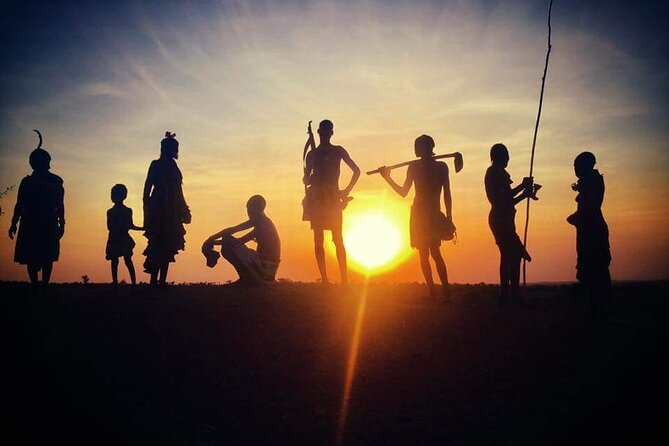
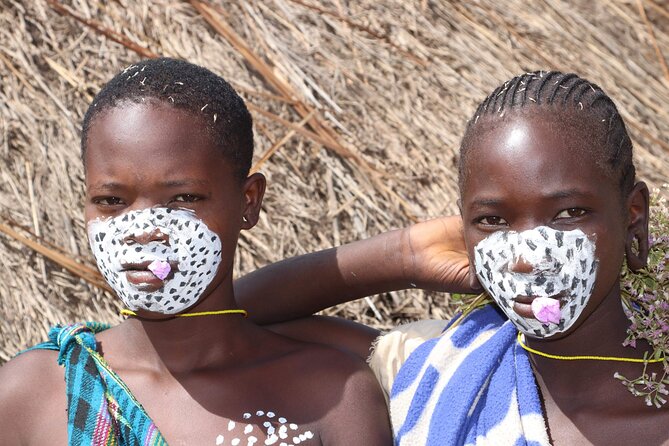
- Photography is central: The itinerary reaches several communities known for distinctive dress, houses, ceremonies, markets, and village life.
- The longest days are very long: Day 5 takes about eight hours, Day 6 about eight hours, and the final return to Addis takes about ten hours.
- Nature comes between cultural visits: Chamo Lake brings crocodiles and water birds, while Hawassa and Ziway add lake scenery and birdlife.
- The service is private: Only your group participates, giving you more control than a large coach tour.
Addis Ababa begins with Lucy and the city’s best views
Your first day gives you a quick but useful introduction to Ethiopia’s capital. The National Museum is the key stop. Here you can see Lucy, the famous early human fossil, along with Ethiopian art and historical displays. The museum visit is scheduled for about an hour, which is enough for an overview but not enough for a slow study of every gallery.
Next comes Entoto Natural Park, high above the city. The reward is a broad view over Addis Ababa and its surrounding hills. This is a good early stop because it helps you understand the capital’s size and setting before heading into the southern part of the country.
Trinity Cathedral, built by Emperor Haile Selassie in 1944, adds an important religious and political layer. It is one of the major Ethiopian Orthodox churches in Addis Ababa. Allow about an hour here, and dress in a way suitable for a religious site.
The final stop is Merkato, described as one of Africa’s largest open markets. It is not a tidy shopping center built for sightseeing. It is a working market with different sections and local businesses. That makes it interesting, but also busy and demanding. Keep your belongings secure, stay close to your guide, and expect a sensory overload of people, goods, movement, and street life.
The day includes around six hours of scheduled sightseeing, though actual timing can change with city traffic. Since the tour begins and ends in Addis Ababa, this first day also gives you a practical chance to settle in before the long road journey.
More Photography Tours in the world:
- Tromso: Northern Lights Photography Tour
★ 4.2 · 843 reviews - Barcelona E-Bike Photography Tour
★ 5.0 · 843 reviews - Tromsø: Northern Lights Photography Tour
★ 4.8 · 788 reviews
Jinka introduces the southern route
On Day 2, you fly from Addis Ababa to Jinka. The internal flight is one of the smartest features of the schedule. Driving the entire distance from the capital would leave less time for the communities and parks that make the route worthwhile.
Jinka serves as the base for several visits in the Omo Valley. The itinerary includes the Jinka Museum and an Ari village. This is a short introduction to the area’s cultures before you head farther south. The schedule allows about three hours, so think of it as an orientation rather than a full museum and village study.
The private format is useful here. You can ask your guide to explain what you are seeing and pause for photographs when appropriate. Photography in rural communities requires care. Ask before taking close portraits, follow local guidance, and remember that a person’s daily life is not simply a backdrop.
Mursi country and the long road to Turmi
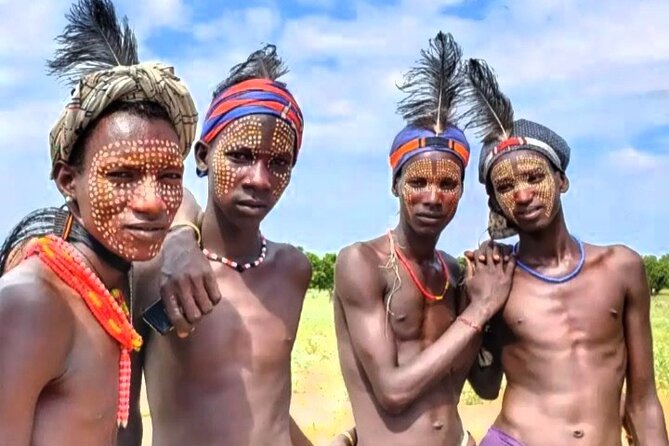
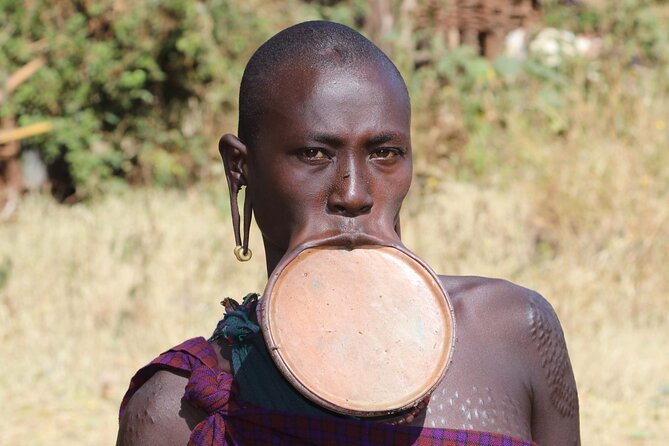
Day 3 starts with a drive to Mago National Park to visit a Mursi village. The Mursi are widely associated with lip plates, one of the most recognizable cultural traditions in the region. The visit offers a chance to see village life in its own setting rather than only through museum displays.
You should approach this stop with respect and patience. The most useful photographs usually come from a calm exchange, not from quickly raising a camera and moving on. Your guide can help with introductions and explain local customs, but the information provided does not specify how photography payments or village fees are handled, so ask clearly before shooting.
In the afternoon, the route continues southwest toward Turmi, the main center of Hamer country. The total day is listed at about seven hours, which includes both driving and visiting. Roads and distances make this a demanding day. Bring water, sun protection, spare batteries, and a way to carry your camera safely.
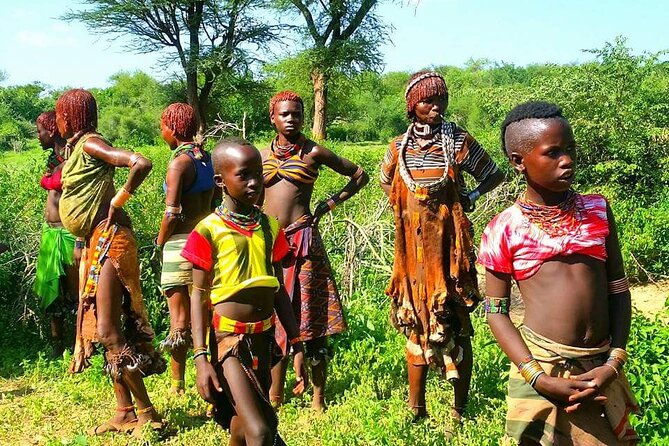
Turmi is not only an overnight stop. It is the base for more Hamer visits over the next few days, so the schedule gives you more than one brief encounter with the area.
Omorate and the Dassanech villages near Kenya
Day 4 takes you from Turmi to Omorate, close to the Ethiopian-Kenyan border. Here you visit Dassanech villages and cross a section of the Omo River by local boat. The river continues toward Lake Turkana in Kenya, giving this stop a clear geographical importance as well as cultural interest.
The boat ride is a different kind of outing from the road journey. You can expect water views, river scenery, and a closer look at the communities living near this major natural route. The itinerary does not state the boat type or crossing time, so do not expect a long cruise. It is part of a full seven-hour day.
After returning to Turmi for lunch, the program continues with another Hamer village visit and a sunset. This late-day timing should suit photographers, since softer light can make village scenes and surrounding hills easier to photograph. Still, sunset schedules depend on the day’s driving and visits, so keep some flexibility.
The cultural stops are the heart of this tour, but they are also the places where good manners matter most. Ask permission, avoid treating people as display pieces, and listen when your guide or local hosts explain what is appropriate.
A few more photo experiences around the world worth a look
- Bali: Full-Day Instagram Highlights Tour
★ 4.8 · 7,817 reviews - #1 Northern Lights Tour In Iceland from Reykjavik with PRO photos
★ 4.5 · 2,887 reviews - ️ Bali Instagram Tour: The Most Famous Spots (Private & All-Inclusive)
★ 5.0 · 2,857 reviews - Silfra: Fissure Snorkeling Tour with Underwater Photos
★ 4.9 · 2,731 reviews
Karo villages, Dimeka Market, and the road to Konso
Day 5 is one of the most packed days. You leave early to visit the Karo communities near the Omo River, then return toward Turmi before continuing to Konso. The Karo are another Omo Valley culture with distinctive traditions and body decoration, making this an important stop for photographers.
The route then passes through Dimeka. If the day falls on Saturday, the tour includes the large tribal market there. This is one of the most useful timing details in the entire program. A market visit can show you trade, clothing, food, livestock, and ordinary business in a way that a short village stop cannot.
After Dimeka, the drive continues toward Konso through Woyto. The day takes about eight hours and ends with an overnight stay in Konso. This is not a relaxed transfer. You will spend a large part of the day in the vehicle, but the changing scenery and market stop help break up the distance.
If photographing Dimeka Market matters to you, confirm the day of the week before finalizing your dates. The market is specifically held on Saturday, and the rest of the itinerary may need to match it.
Konso terraces and the move to Arba Minch
Konso brings a change in scenery and settlement style. The area is known for terraced farming and distinctive villages, which offer a contrast to the lower Omo Valley communities. After breakfast, you visit nearby Konso villages and then the Konso Museum until around midday.
The museum gives needed context after several days of direct village visits. You can connect what you have seen in homes, clothing, farming areas, and settlement patterns with a wider explanation of local culture. The visit is scheduled to last until midday, followed by lunch.
In the afternoon, you drive north to Arba Minch, the capital of the Gamo Zone. The day runs about eight hours in total. By late afternoon, you should have time to relax at your hotel and enjoy views around the town.
This is a good point to slow down mentally. The first half of the tour is heavy on road travel and cultural visits. Arba Minch provides a bridge toward the lakes, wildlife, and highland communities that fill the next part of the route.
Chamo Lake brings crocodiles and water birds
Day 7 combines a boat trip with a visit to Dorze. You drive about 12 kilometers to Chamo Lake, where the boat outing is intended to show you large Nile crocodiles and aquatic birds. It is the clearest wildlife-focused section of the tour.
The lake trip is likely to appeal to photographers who want a break from portraits and village scenes. Crocodiles and birds require different camera habits, so carry the longest lens you have and protect equipment from spray or dust. The tour information does not provide the boat duration, so expect the outing to fit within the morning rather than assume a full-day cruise.
After lunch in Arba Minch, you drive about 30 kilometers to Dorze. The village is known for traditional bamboo houses and weaving. These homes are a strong visual contrast to the settlements visited earlier, and the weaving offers another way to see how local skills connect with everyday life and income.
You return to Arba Minch at the end of the day. The total schedule is about seven hours, making this one of the more varied days without being quite as long as the major transfer days.
Hawassa, lake views, and the return toward Addis
On Day 8, you drive 272 kilometers to Hawassa. The route passes green mountains and includes a stop near Sodo to see Wolayta and Sidamo villages. The drive is listed at about seven hours, so you should expect the road itself to be a major part of the experience.
Hawassa, also spelled Awasa in the schedule, is reached around midday. The afternoon includes Hawassa Lake and city highlights. After several days among smaller communities, a lake city gives you a different view of southern Ethiopia.
The stop in Hawassa also helps divide the return journey. Instead of trying to go from Arba Minch straight back to Addis Ababa, you get an overnight pause and another lake setting. Pack a small day bag for the day’s stops, since you may not want to rummage through larger luggage during a long drive.
Fish market, Ziway Lake, and departure from Addis
The final day begins with a visit to the Hawassa fish market. This is a working food market rather than a staged cultural show, so it should appeal if you want to see an ordinary part of local commerce. Bring an open mind, since fish markets can be crowded and strongly scented.
Afterward, you drive back to Addis Ababa. The route includes Ziway Lake and bird viewing along the way. The final drive is listed at about ten hours, making it the toughest transfer day of the trip.
The schedule places you in Addis in the late afternoon, followed by a farewell program and airport transfer. The timing is tight. If your international flight leaves early in the evening, confirm the schedule carefully and allow room for road delays. The tour data says the departure transfer is included, but it does not specify how much buffer is planned before your flight.
What the price and private format mean
The listed price is $0.00, which cannot be treated as the actual cost of a nine-day private trip with accommodation, meals, transport, fees, and an internal flight. Confirm the live price, room arrangements, and any seasonal changes before paying.
The included items are private transportation, accommodation, all fees and taxes, one plane flight per person, and breakfast, lunch, and dinner for all nine days. That package can offer good value if the final price is clear and you want one operator handling a complicated route.
You pay separately for visa fees, international air travel, alcoholic drinks, and tips. Tips are not described as included, so budget for them as part of the total cost. The tour is private, and only your group participates. That matters in the Omo Valley, where you may want to adjust time for photography or ask more questions at a cultural stop.
The company is Sycamore Ethiopia Tours. Haile is identified in the feedback as a key contact, and the strongest praise centers on personal care, professional service, reasonable pricing, and making clients feel like family rather than anonymous customers. That personal approach may be particularly useful on a route with long drives and many moving parts.
Who should choose this Omo Valley tour?
I would choose this trip if you want a broad first look at southern Ethiopia and do not mind changing hotels, long road days, and a firm schedule. It suits photographers, culture-focused visitors, and people who want villages, markets, wildlife, lakes, and city sights in one continuous route.
I would hesitate if you have serious health problems or dislike long drives. The operator asks for moderate physical fitness and says the experience is not recommended for people with health problems. The schedule does not offer much spare time, especially on Days 5, 6, 8, and 9.
Good preparation will make the journey easier:
- Carry water, sun protection, comfortable shoes, and spare camera batteries.
- Keep valuables secure at Merkato and busy markets.
- Ask before photographing people.
- Confirm whether your dates place you in Dimeka on Saturday.
- Verify the real tour price and the internal flight details.
- Leave enough time between the final Addis arrival and your international departure.
You can cancel for a full refund up to three full days before the start time. Cancellations within three days are not refunded, and changes inside that period are not accepted. Poor weather can lead to a new date or a full refund.
Should you book it?
Book this tour if you want the Omo Valley without arranging every vehicle, hotel, meal, cultural visit, and flight yourself. The route reaches an impressive number of communities and adds real variety with Mago National Park, Chamo Lake, Hawassa, Ziway, and Addis Ababa.
Before committing, confirm the actual price, the accommodation standard, the precise flight schedule, and how photography at village visits is handled. If you accept the long drives and travel with patience, this is a strong way to see southern Ethiopia in nine days, with Haile and Sycamore Ethiopia Tours offering the kind of personal service that can make a complicated journey feel manageable.
FAQ
How long is the tour?
The tour lasts approximately nine days and includes eight nights.
Does the tour include a flight?
Yes. One plane flight per person is included. The itinerary uses a flight from Addis Ababa to Jinka.
Are meals included?
Yes. Breakfast, lunch, and dinner are listed as included for all nine days.
What is not included?
Visa fees, international air ticket expenses, alcoholic drinks, and tips are not included.
Is this a private tour?
Yes. Only your group participates in the activity.
What fitness level is required?
A moderate physical fitness level is required. The tour is not recommended for people with health problems.
Just added around the world
- Private Milan Photo Walk with Professional Photographer★ 5.0 · 4 reviews
- Private Vacation Photography Session with Local Photographer in Milan★ 5.0 · 2 reviews
- An Adventure in Milan and your unforgettable Private Photoshoot★ 5.0 · 12 reviews
- Milan Photowalk with a Professional Photographer★ 5.0 · 7 reviews
- Private Wynwood Miami Photoshoot★ 3.0 · 2 reviews
- Private Sunset and Night Photo Tour★ 5.0 · 3 reviews
- Private Vacation Photography Session with Local Photographer in Miami★ 3.0 · 2 reviews
- Miami: Professional Private Photoshoot at Miami Beach★ 5.0 · 2 reviews
Photography Tours, compared.