Review · STREET PHOTOGRAPHY TOURS
Tokyo Cyberpunk Street Photo Tour
Tokyo glows brightest after dark. This three-hour photo walk takes you through Kabukicho, Omoide Yokocho, and Shibuya Crossing, where neon signs, crowds, and narrow lanes give you plenty to frame. I like the practical instruction, especially the help with long exposure, composition, and phone-camera settings. I also like the very small group size, which gives you real time with the guide. The main drawback is the brisk pace, and one poor experience involved losing sight of the guide in a crowded area.
You pay $184.99 per group of up to two people, not per person. That makes the price easier to justify for a couple or two friends who want a private-feeling lesson. Guides including Charles, Lukasz, Luke, and Stephane have been praised for patience and hands-on coaching, while the meeting point at Shinjuku Station can be tricky to find if you are unfamiliar with the station.
Key points at a glance
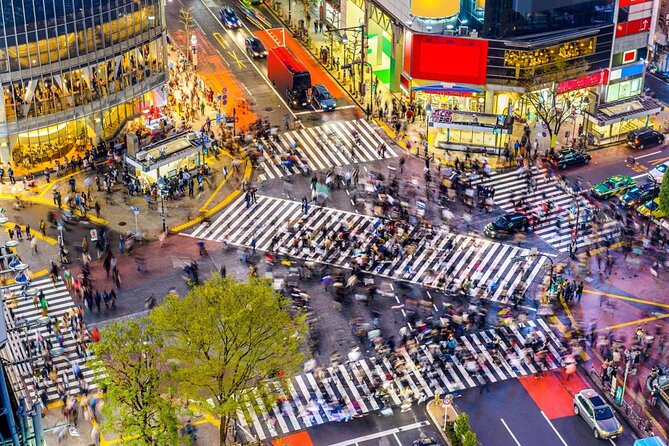
- Kabukicho after dark: Start among Shinjuku’s glowing signs, entertainment streets, and busy pedestrian traffic.
- Omoide Yokocho: Photograph a much smaller, older-feeling lane filled with compact bars and atmospheric details.
- Shibuya Crossing: Finish with Tokyo’s famous crossing, where long exposure can turn moving crowds into streaks of light.
- Phone-friendly instruction: You can join with a smartphone, and guides have offered useful advice for iPhone photography.
- Tiny groups: The maximum is four people, so the guide can usually spend time adjusting settings for each participant.
- Practical timing: The meeting time is 7:00 pm, with the walk ending near Shibuya Station.
Why this Tokyo photo walk works
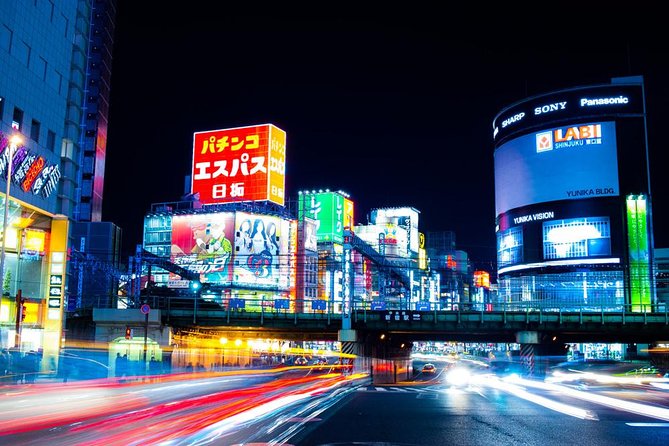
Tokyo at night gives you subjects almost everywhere you look. Signs glow above the streets, trains move through the city, crowds shift constantly, and small lanes offer a sharp contrast to the grand scale of Shinjuku and Shibuya.
This experience is not mainly a sightseeing lecture. It is a hands-on photography workshop that happens to move through two of Tokyo’s best-known nightlife districts. You learn by taking pictures, checking the result, changing a setting, and trying again.
I particularly like that the lesson is not limited to advanced camera users. Participants using Canon and Fujifilm cameras received help with their individual controls, while people carrying only iPhones learned about contrast, framing, exposure, and the lock function. You do not need to arrive with technical expertise.
The teaching style depends somewhat on the guide. Charles is often described as patient, cheerful, and attentive. Lukasz has been praised for demonstrating a technique and then allowing time to practice it. Luke has worked comfortably with both beginners and more experienced photographers. Stephane has focused on composition and making images more distinctive.
The strong overall rating, 4.9 from 165 ratings, reflects a consistently positive experience, with 97 percent recommending it. Still, a good photo walk needs more than a high score. You should know that this is a walking activity through crowded city streets, not a relaxed bus tour.
More Photography Tours in Japan
- Tokyo by Night Photography Tour (Private Option Available)
★ 5.0 · 151 reviews - Tokyo Shinjuku Night Photo Tour with Pro Gota
★ 5.0 · 142 reviews - Tokyo: Evening Photography Tour
★ 4.8 · 61 reviews
Starting at Shinjuku’s Kabukicho at 7:00 pm
The meeting point is outside the Happy Lemon Keio Shinjuku Shop at 1-chome-1-4 Nishishinjuku. This is close to one of the world’s busiest railway stations, but Shinjuku Station is huge and can be confusing even when you have arrived early.
Give yourself extra time to locate the exact meeting spot. One participant arrived at Shinjuku Station ten minutes early but needed another ten minutes to find the group. The written directions may be clear to someone who knows the area, but a first-time visitor can still struggle among the station exits and surrounding streets.
Once you meet the professional photography instructor, the walk begins in Kabukicho. This is one of the best places in Tokyo for signs, reflections, bright storefronts, and layered street scenes. You can work on framing a single sign or try to capture the larger feeling of the district with people moving through the light.
The guide can help you decide how much of the scene to include. That sounds simple, but crowded night photography often fails because the frame contains too much. A small change in position can remove a distracting sign or put a person in the right place.
Kabukicho also gives you a useful first lesson in exposure. Bright signs can fool a phone or camera into making the rest of the picture too dark. Your guide can show you how to control exposure and protect detail in the illuminated parts of the frame.
The first stop lasts about an hour. That is enough time to learn the basic approach before moving on, though the amount of individual instruction depends on group size and how quickly you work.
Omoide Yokocho and Tokyo’s smaller details
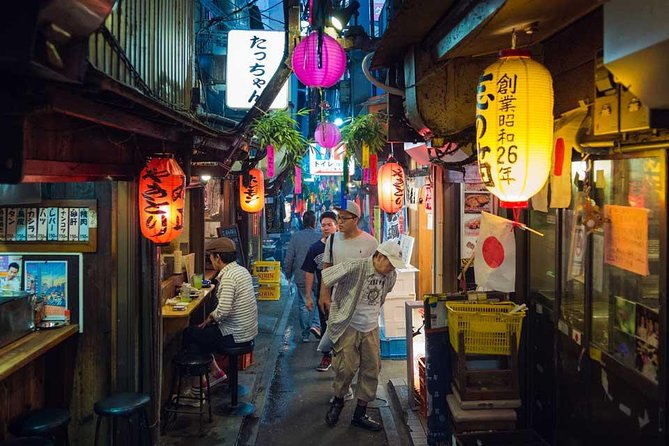
From the broad, bright streets of Kabukicho, the walk continues to Omoide Yokocho, also known as Memory Lane. The planned visit lasts about 30 minutes.
This compact lane offers a different kind of night photograph. Instead of wide intersections and huge signs, you can look for close details, narrow passages, glowing restaurant fronts, and the patterns created by tightly packed buildings.
I like this change of scale. If you photograph only major landmarks, your Tokyo album can start to feel repetitive. Omoide Yokocho gives you a chance to make quieter images that show how the city feels at street level.
Your guide may suggest looking for lines, color contrasts, reflections, and small areas of light. The aim is not simply to photograph a famous place. It is to train your eye to notice a strong frame before you lift the camera.
This section can also be useful for phone users. A smartphone may struggle with very dark scenes, but careful framing and exposure control can still produce strong results. The instruction is practical rather than equipment-focused, so you are not expected to own a tripod or advanced camera.
Keep in mind that the walk includes crowded areas and a fair amount of standing while you wait for a scene to develop. If you want to photograph every detail, the three-hour schedule can feel short.
Taking the train from Shinjuku to Shibuya
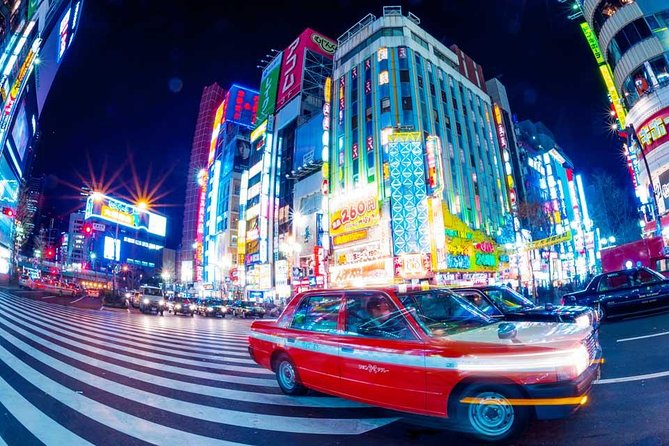
The group travels by train from Shinjuku to Shibuya, with the fare paid separately. The transfer is part of the city experience, but you should carry a small amount for local transport and understand that the cost is not included.
The tour description gives a duration of about three hours, while the detailed timing describes roughly two and a half hours of photo activity. In practice, allow the full evening from the 7:00 pm start and do not plan a tight reservation immediately afterward.
The move to Shibuya changes the mood of the evening. Shinjuku offers back alleys, signs, and entertainment streets. Shibuya brings youth culture, nightlife, huge pedestrian flows, and one of Tokyo’s most recognizable public spaces.
The group is scheduled to finish near Shibuya Station at 2-chome-2-1 Dogenzaka. That end point is useful if you want to continue exploring Shibuya on your own, but the tour itself does not include a return transfer to Shinjuku.
More Photography Tours in Tokyo
- Asakusa Kimono Photography Tour
★ 5.0 · 8 reviews
Photographing Shibuya Crossing
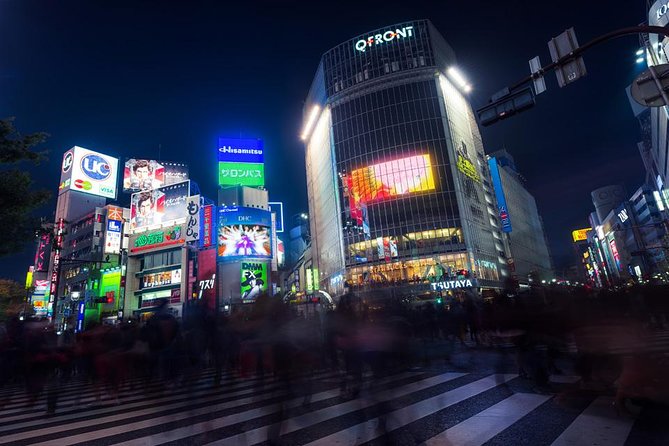
The final major stop is Shibuya Crossing, with about 45 minutes set aside for photography. This is the part most people picture when they think of a Tokyo night photo tour.
At each signal change, crowds move through the intersection from several directions. A fast shutter speed can freeze individual people, while a longer exposure can blur the movement into flowing lines. Your guide can help you choose a technique that matches your camera and the light.
A long exposure is not simply a matter of pressing the shutter for longer. You need to consider camera shake, the brightness of the signs, and how much movement you want in the image. The instructors have helped participants work through those settings on both dedicated cameras and smartphones.
The crossing also rewards patience. You may find a strong composition, then lose it when a sign becomes too bright or the crowd fills the wrong part of the frame. That is part of the lesson. You learn to watch the scene and wait for a better arrangement.
The film connection adds a little fun, but the crossing is worth visiting even if you are not interested in movies. It gives you a clear sense of Tokyo’s scale and rhythm, and it is one of the few places where the crowd itself becomes the subject.
One practical point matters here: stay close to the guide. Shibuya can become confusing very quickly when the signal changes and hundreds of people begin moving. One participant had trouble keeping up after the guide walked too fast and eventually missed the final portion. That appears to be an exception among the highly positive feedback, but it is a fair warning for anyone who walks slowly or wants to stop often.
What you learn about night photography
The teaching is strongest when you arrive with a specific goal. Tell the guide if you want to understand manual settings, improve composition, learn long exposure, or simply take better phone pictures.
You may work on:
- Choosing a shutter speed for moving people and traffic
- Controlling exposure around bright neon signs
- Finding clean compositions in crowded streets
- Using lines, color, contrast, and reflections
- Selecting a useful shooting position
- Making small adjustments to phone-camera exposure
- Using a tripod, if you bring one and the conditions suit it
The advice is intended to be usable after the tour. Several participants appreciated learning steps they could repeat later without the guide beside them. That is a good measure of value: you should leave with more than a folder of pictures.
The experience is still primarily about photography. If you want a detailed account of Tokyo’s history, architecture, or nightlife culture, this may feel limited. One rating described it as a satisfactory night walk but said it added little general information beyond the photographs. I think that criticism is fair. The guide’s priority is helping you make images.
Camera, smartphone, and equipment advice
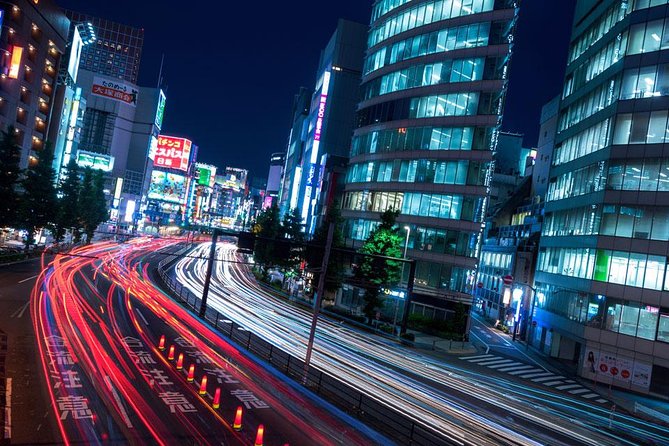
You can bring a camera or a smartphone. A camera with control over shutter speed or overall exposure is useful, but the experience does not require professional equipment.
For a dedicated camera, you may benefit from bringing:
- A camera with adjustable exposure
- A tripod, if you want to work on long exposures
- A fully charged battery
- Sufficient storage space
A tripod is specifically suggested for people who want to explore night photography seriously. It is not stated as a requirement, and the guide can still teach useful techniques without one.
Smartphone users should not feel out of place. Several people received direct advice for iPhones, including ways to adjust contrast, control exposure, and use the lock function. The guide’s ability to work with your exact device can make the session useful even if you have never changed a camera setting before.
The most important piece of equipment is attention. Tokyo offers too many possible pictures, and it is easy to snap constantly without thinking about the frame. The best instruction here is the reminder to slow down, check the edges, and decide what the picture is actually about.
Small group size and guide quality
The maximum group size is four people. The booking price covers up to two participants, so a couple or two friends can share the cost and receive a more private lesson. If you join with a larger group, the guide still has fewer people to manage than on a standard city tour.
Guide quality matters a great deal in a photography activity. Charles has received especially warm praise for his camera help, good humor, and patience. Lukasz has been valued for his workshop approach, where he demonstrates a method and lets you practice it. Luke has taken time with beginners while still helping experienced shooters.
Stephane has been described as friendly and accommodating, with useful suggestions about composition. Nat was praised for local knowledge and a pleasant manner, but the fast pace caused a serious problem for one pair. These different experiences suggest that the instruction is strong, but you should stay within sight of the guide and speak up if the pace is too quick.
Rain can affect the experience because good weather is required. One session continued with alternate plans in wet conditions, but the operator may cancel in poor weather and offer another date or a full refund.
Is $184.99 good value for two?
At $184.99 per group of up to two, the cost works out to about $92.50 each if two people share it. That is not a cheap evening walk, but it includes a professional photography instructor and focused help in several famous Tokyo districts.
I think the price makes the most sense for:
- Two people who want a private-feeling lesson
- Beginners who want direct help rather than a general class
- Camera users who need advice with their specific model
- Phone users who want better travel photographs
- People visiting Tokyo for a short stay who want to see major night scenes efficiently
The value is weaker if you already know night photography well and mainly want a guided walk. You may not need help with basic exposure or composition, and the general sightseeing information is limited.
The tour also saves you the work of finding good shooting positions in unfamiliar districts. That matters in Tokyo, where the best angle may be a short walk from the obvious landmark. Guides have taken participants to less familiar spots and helped them position themselves quickly.
Who should book this experience?
I would recommend it to a beginner, an intermediate photographer, or anyone who wants a stronger visual record of Tokyo. It is also a good first-night activity because it introduces Shinjuku and Shibuya while giving you practical orientation.
It suits couples especially well. You share the group price, move through the city together, and receive advice that can improve the rest of your holiday photographs.
You should think twice if you dislike walking in crowds, need a slow pace, or expect a full cultural tour. The experience is focused on taking pictures, and the pace can be brisk. Most participants can take part, it is near public transportation, and the small group helps, but the activity still takes place on busy city streets at night.
Should you book the Tokyo Cyberpunk Street Photo Tour?
Book it if you want more than postcard snapshots and are willing to practice. The combination of Kabukicho’s neon, Omoide Yokocho’s tight lanes, and Shibuya Crossing gives you three different types of night photography in one evening.
I would book it with a clear plan: arrive early at the Shinjuku meeting point, charge your phone or camera, bring a tripod if you want long exposures, and tell the guide your skill level at the start. Stay close in the crowds and ask for help with your own camera controls.
Skip it if you want a history-focused Tokyo tour or a slow, unstructured night stroll. For everyone else, especially two people sharing the price, this is a focused and enjoyable way to photograph Tokyo after dark.
FAQ
How long is the Tokyo Cyberpunk Street Photo Tour?
The experience lasts approximately three hours. The detailed schedule describes about two and a half hours of photo activity, so allow the full three-hour period.
What time does the tour begin?
The tour starts at 7:00 pm.
Where does the tour begin?
The meeting point is Happy Lemon Keio Shinjuku Shop at 1-chome-1-4 Nishishinjuku, Shinjuku City, Tokyo 160-0023, Japan.
Where does the tour end?
The tour ends near Shibuya Station at 2-chome-2-1 Dogenzaka, Shibuya, Tokyo 150-0043, Japan.
Which Tokyo neighborhoods does the tour visit?
The experience includes Shinjuku and Shibuya, with stops in Kabukicho, Omoide Yokocho, and at Shibuya Crossing.
Can I use a smartphone instead of a camera?
Yes. You can bring a smartphone, and the photography instruction includes advice for phone cameras.
Is transportation included?
No. The train journey from Shinjuku to Shibuya is taken at your own expense. Bus fare is also listed as not included.
How many people can join?
The maximum group size is four people. The advertised price covers one group of up to two people.
Is the tour suitable for beginners?
Yes. Most people can participate, and the instruction is designed for different skill levels, including beginners and smartphone users.
What happens if bad weather cancels the experience?
If poor weather causes the experience to be canceled, you will be offered a different date or a full refund. The experience is otherwise non-refundable and cannot be changed for personal cancellation or amendment requests.
More Street Photography Tours in Tokyo
- Saigon Street Photography Experience
★ 5.0 · 56 reviews - Learn the art of street photography in the heart of Montmartre!
★ 5.0 · 33 reviews - Istanbul Street Photo Tour
★ 5.0 · 31 reviews - Kolkata Full-Day Street Photography Tour
★ 5.0 · 2 reviews
Just added around Tokyo
- Asakusa Kimono/Yukata Rental & Photography_Tsutsuji★ 5.0 · 12 reviews
- Asakusa Kimono Photography Tour★ 5.0 · 8 reviews
- Travel Tokyo with Your Own Personal Photographer★ 5.0 · 43 reviews
- Personal Travel and Vacation Photographer Tour in Tokyo★ 5.0 · 19 reviews
- Tokyo: Private photo shoot★ 5.0 · 31 reviews
- Tokyo: Photo Shoot with a Private Vacation Photographer★ 5.0 · 53 reviews
- Tokyo: Evening Photography Tour★ 4.8 · 61 reviews
- Tokyo Authentic Kimono Rental in Asakusa with Photography Option★ 5.0 · 46 reviews
Street Photography Tours, compared.
Learn the art of street photography in the heart of Montmartre!
Read our review →