
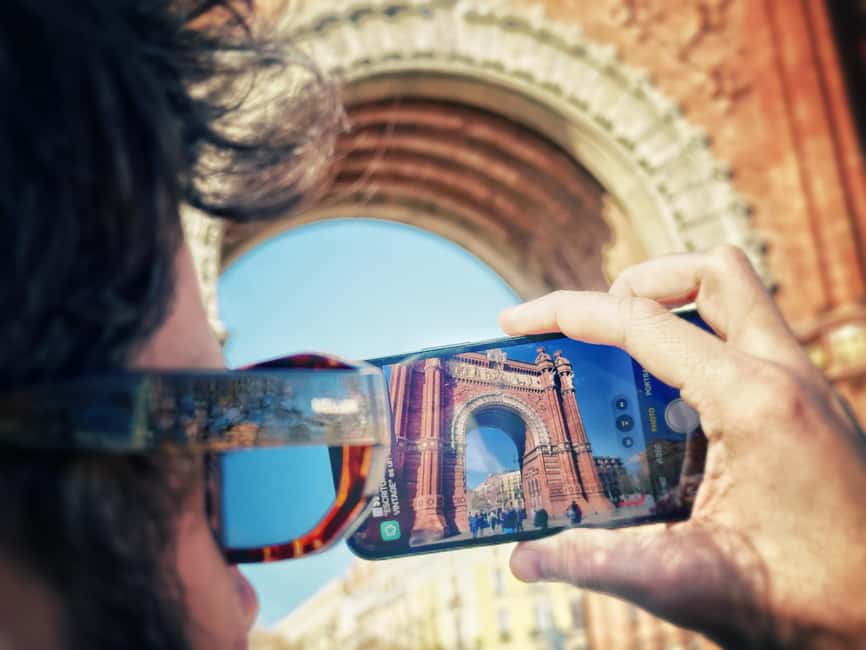
Review · BARCELONA PHOTO TOURS & PHOTOSHOOTS
Barcelona: Phone Photography Tips & Tricks – Park & Old Town
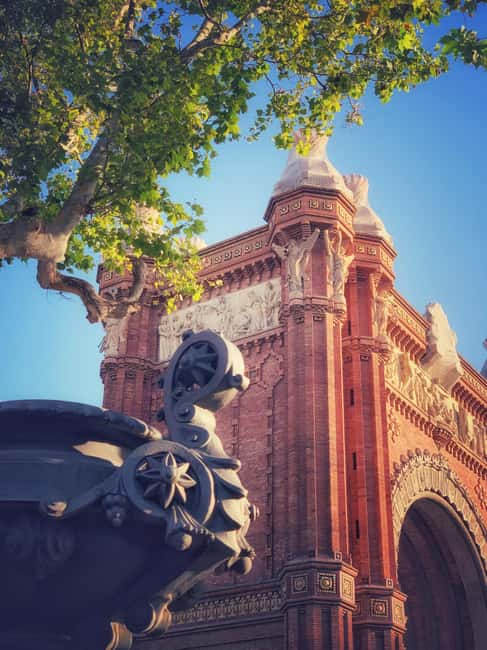
Great photos start with better choices. This 2.5-hour Barcelona phone photography class turns the Arc de Triomf, Ciutadella Park, and El Born into a hands-on classroom, with guide-instructor Onno showing you how to frame, pose, use lenses, and edit pictures. I like the focus on simple skills that last and the chance to photograph real Barcelona sights rather than pose in a studio. The main drawback is that the class focuses on composition and phone tools, not technical camera controls such as aperture, ISO, or shutter speed.
I also like that you leave with more than a set of souvenir pictures. You practice street, building, and people photography as you walk, then finish with quick editing advice. If you want a quiet sightseeing walk or a formal photography course, this may not be the right fit. It is active, practical, and built around trying things as you go.
Key points to know before booking
- Meet beneath the Arc de Triomf: Look for the instructor holding a white umbrella at the arch.
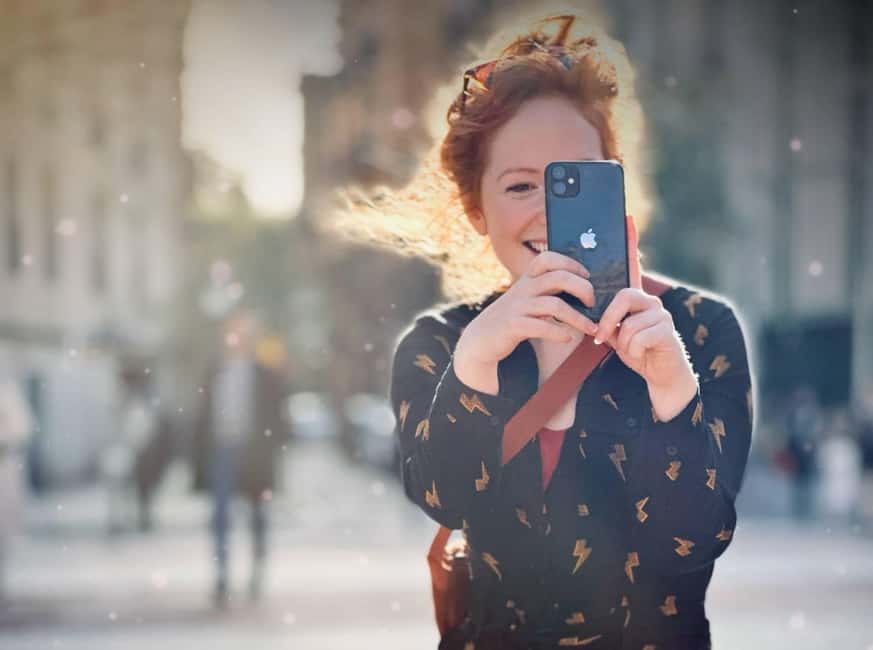
- Learn with the camera already in your pocket: The class uses iPhones and higher-end Android phones, with no technical camera gear required.
- Practice zoom in Ciutadella Park: The fountain, mammoth sculpture, palms, plants, and open spaces give you varied subjects for testing lenses.
- Use El Born as a real street-photography classroom: Medieval lanes and courtyards help you work on architecture, people, angles, and framing.
- Finish with editing advice: You learn how to select stronger pictures and give them a final polish on your phone.
- Best for practical learners: The class suits anyone who wants better holiday pictures, from beginners to people who already know their way around a camera app.
What this Barcelona phone photography class really offers
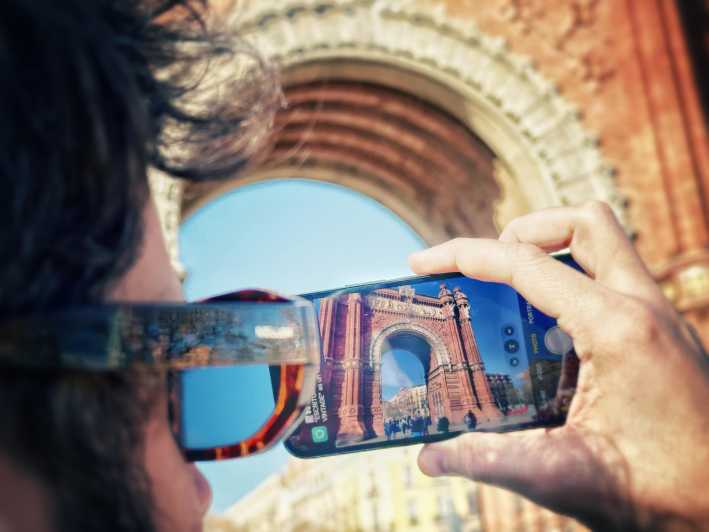
This is not a photo shoot where somebody else takes pictures of you. You are the photographer, and the instructor gives you small challenges and corrections while you work. That difference matters. You are not just collecting attractive images from Barcelona. You are learning how to make better choices when the light, subject, and background change.
The class avoids the usual photography lesson built around aperture, ISO, and shutter speed. Instead, it concentrates on framing, composition, positioning, angles, posing, camera modes, and editing. For most people using a phone, that is a sensible starting point. A modern phone already handles many technical settings automatically, but it cannot decide what belongs in the frame or where you should stand.
The experience is conducted in English and costs $28 per person. For 2.5 hours of personal instruction, sightseeing, and practice in several photogenic parts of the city, that is a fair price. The value depends on using the skills later. If you only want a pleasant walk, a regular neighborhood tour may give you more history. If you want pictures that improve for the rest of your trip, this class has a stronger payoff.
A few more photo experiences around Barcelona worth a look
- Barcelona E-Bike Photography Tour
★ 5.0 · 843 reviews - Barcelona: Paddleboarding at Sunrise. Includes: instructor, photos, equipment
★ 4.7 · 570 reviews - Costa Brava: Kayak, Snorkel, Photos, Lunch, Beach & Cliff Jump!
★ 5.0 · 508 reviews
Starting beneath the Arc de Triomf
Your meeting point is the Arc de Triomf, where the instructor waits with a white umbrella beneath the arch. That clear marker should make the start easy, especially in a busy city where vague meeting points can waste the first part of a paid activity.
The opening lesson deals with framing and positioning. These may sound basic, but they are the two habits that most often separate an ordinary phone picture from a strong one. You learn to look at the edges of the frame, decide what deserves attention, and move yourself instead of relying on random tapping and cropping later.
Onno, the guide-instructor, is repeatedly praised for being patient, practical, and good at explaining why a picture works. That last point is important. A useful teacher does not only say move over there. You want to understand why a different angle, distance, or background produces a better result.
The class also includes posing, so you can make better pictures of companions without turning every stop into a stiff portrait session. The goal is not to produce fashion-magazine poses. It is to help you place people in a scene and make the photograph feel more intentional.
Ciutadella Park and the phone’s zoom tricks
From the Arc de Triomf, the class continues into Ciutadella Park. This is where the lesson becomes more playful, because the setting offers several different kinds of subjects in one area: the large fountain, the mammoth sculpture, tall palms, trees, plants, and open views.
The park is useful for testing your phone’s different lenses. On a phone, changing from a wide view to a tighter lens can alter the picture far more than many people expect. A wide setting can show the full setting but may leave a person or sculpture looking small. A tighter setting can simplify the background and bring attention to the subject.
The instructor calls attention to the less obvious effects of zoom. You may learn that stepping back and using a different lens can produce a cleaner composition than standing close and using a wide angle. You also experiment with dramatic perspective and surprising changes in scale. These are useful lessons because they apply to monuments, food, portraits, and street scenes long after you leave Barcelona.
Ciutadella Park also gives you room to try several approaches without rushing from one narrow street to the next. You can compare pictures as you go. That hands-on comparison is more useful than a list of phone features because you see the difference immediately on your own screen.
One limitation is that the class cannot control the weather, crowds, or light. The park’s open spaces may feel very different at different times of day. Still, the range of subjects gives the instructor plenty to work with, and you are learning methods rather than chasing one perfect shot.
El Born’s medieval streets and courtyards
The next part takes you into El Born, one of the old city’s most atmospheric areas. Here the class shifts from park subjects to architecture, street scenes, and people. Narrow medieval streets and courtyards create strong lines, layered backgrounds, doorways, and openings that can make a phone photo more interesting.
This is also where you learn to look instead of simply record. A street picture often improves when you wait for a person to enter the right spot, find a frame within the frame, or change your position by a few steps. The class includes small interactive challenges, such as photographing through holes and openings and trying people pictures in the street.
That approach may push you slightly outside your comfort zone. Taking a spontaneous street picture can feel awkward if you are used to photographing only buildings and landscapes. The class helps by giving you a practical reason to try it and by keeping the exercise focused on observation rather than complicated equipment.
El Born is particularly useful for building photography. A phone can make old buildings look distorted if you shoot from too close with a wide lens. You work on angles and positioning so that the structure feels deliberate rather than accidentally stretched. You also learn to notice details, symmetry, texture, and the way a street directs the eye.
The area provides variety, but you should not expect a long historical lecture. The guide is also a Barcelona tour guide, yet the main purpose here is photography. You get a sense of place through the streets, but the instruction remains the priority.
Same place, a different kind of shoot:
- Barcelona: Instagram Tour of the Most Scenic Spots
★ 4.9 · 332 reviews - Barcelona: Photo Shoot + Exclusive Video of the Best Moments
★ 4.9 · 256 reviews - Photoshoot tour in Barcelona Secret Corners
★ 5.0 · 223 reviews - ✅ Barcelona: Photoshoot Tour Old Town
★ 4.9 · 213 reviews
The practical lessons you will use later
The strongest part of this experience is its focus on decisions you can repeat anywhere. You do not need to remember a complicated menu of settings. You need a few habits that become automatic.
Framing and composition come first. You learn to ask what the main subject is, what distracts from it, and how the lines in the scene direct attention. This is valuable for major sights, but it also helps with ordinary moments such as a market stall, a café table, or a friend walking through a square.
Angles and positioning are taught through movement. Instead of taking ten nearly identical pictures from one spot, you try changing height, distance, and direction. Sometimes a small shift removes a sign, separates a person from a background, or gives a building more presence.
Phone lenses and camera modes receive special attention. The class is especially suited to iPhones and higher-end Android phones, though any smartphone can be used. The exact options on your device may differ, so you should expect the instructor to explain general principles rather than guarantee that every menu item appears on your screen.
Posing helps when you are photographing friends or family. You learn how to make a person fit the scene instead of placing them awkwardly in front of a landmark. This can make your holiday album feel more natural and less like a collection of passport photos with monuments behind them.
Street and building photography give the lesson a wider range. You practice with people, structures, openings, and changing backgrounds. That mix is useful because it teaches you to adapt rather than depend on one type of subject.
Editing and choosing the pictures worth keeping
The experience finishes with a drink and a short lesson in editing on your phone. The editing section is not presented as a way to rescue every weak picture. It is about giving a good image a final touch and making sensible choices about which pictures deserve your attention.
Selecting the better photograph is a skill in its own right. You may have several versions of the same scene, but one will usually have cleaner framing, a better expression, or a less distracting background. Learning to compare pictures critically can improve your photo collection as much as learning another camera button.
Simple editing advice is useful for phone photographers because it keeps the process manageable. You do not need a desktop program or a technical workflow. Small changes can help an image look more balanced, but the lesson’s larger point is that editing should support a good composition rather than replace one.
This final stage gives the class a satisfying practical finish. You have taken pictures in the park and old town, then learned how to decide which ones work best. You can apply that routine during the rest of your Barcelona visit.
The guide and teaching style
Onno is the named instructor associated with this experience, and his teaching style comes across as relaxed and encouraging. He explains the reason behind a technique, gives you a chance to try it, and keeps the mood light with interactive exercises.
That matters for beginners. A technical class can make a phone camera feel more complicated than it is. Here, the emphasis is on confidence and repeated practice. You can ask questions, test an idea, and see the result at once.
The tone also suits people who already take pictures but want a sharper eye. One particularly useful angle is the focus on composition and critical selection rather than technical settings. If you have used a traditional camera class before, this may feel refreshingly direct.
The class can work for families, too. A parent brought a baby and still found the experience manageable, according to the information available. That does not guarantee that every family will find the walking pace easy, but it suggests the instructor can be flexible with a young child.
Who will get the most from the $28 price
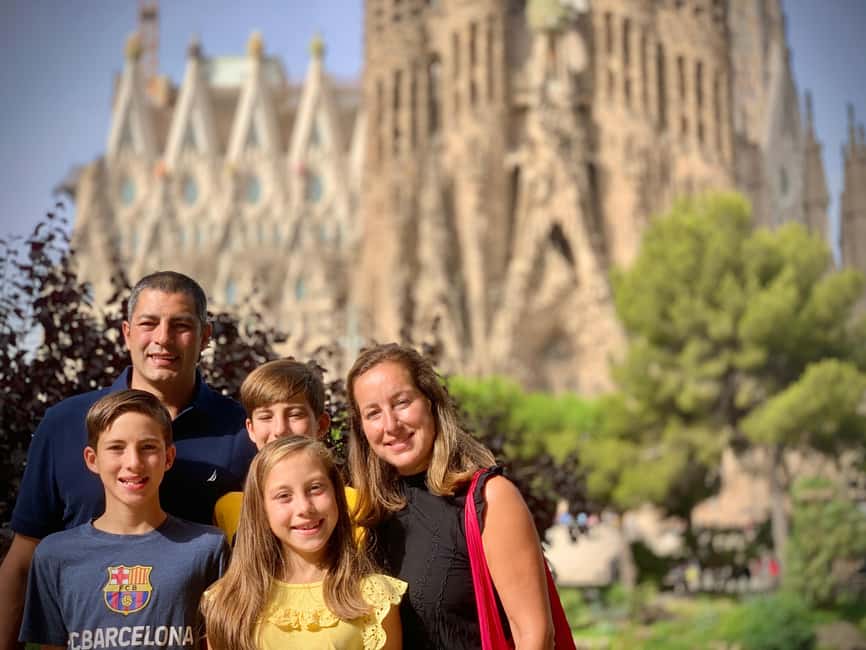
I would recommend this class to:
- First-time iPhone photographers who use only the basic shutter button
- People who want better family and holiday pictures
- Anyone who enjoys learning by doing rather than sitting through a lecture
- Couples or friends who want better portraits of one another
- Visitors who plan to photograph Barcelona throughout the rest of their trip
- Phone users who want help with composition, zoom, street scenes, and editing
The $28 price is easiest to justify if you take the class early in your stay. You can use the advice at the Sagrada Família, along the waterfront, in markets, and during ordinary walks through the city. One useful lesson can affect dozens of pictures.
You may want to skip it if your main goal is a formal portrait session, a detailed history tour, or advanced camera theory. You also need to bring your own charged smartphone. No camera is supplied, and the experience depends on you practicing with your own device.
The activity is wheelchair accessible, which makes the stated route more broadly usable. Starting times vary, so check availability before planning other activities around it. The tour ends back at the Arc de Triomf meeting point, making it easier to continue your day from the same area.
Should you book this Barcelona phone photography class?
Book it if you want a useful skill rather than a pile of random snapshots. The combination of Arc de Triomf, Ciutadella Park, and El Born gives you different subjects, while Onno’s practical instruction keeps the focus on choices you can repeat anywhere.
I especially recommend booking early in your Barcelona visit. You will have more time to use the lessons, and the city supplies plenty of chances to practice framing, zoom, people photography, and editing.
Skip it if you dislike interactive activities or want a purely historical walk. For everyone else, $28 is a reasonable price for a short city outing that can improve every phone picture you take afterward.
FAQ
How long does the Barcelona phone photography class last?
The activity lasts 2.5 hours. Starting times vary, so you should check availability when selecting a date.
Where does the class start?
The meeting point is beneath the Arc de Triomf. The instructor waits with a white umbrella.
Where does the activity end?
The class ends back at the Arc de Triomf meeting point.
Can I use an Android phone?
Yes. The class is suitable for any smartphone, but it is better suited to iPhones and higher-end Android phones.
What should I bring?
Bring a charged smartphone. A camera is not provided.
What language is the class taught in?
The instructor teaches in English.
Just added around Barcelona
- Barcelona: Gothic Quarter Cinematic Photoshoot and Guide★ 3.8 · 7 reviews
- Barcelona: Professional Private Photoshoot★ 4.9 · 28 reviews
- Barcelona: Private Sagrada Familia Photoshoot★ 4.8 · 47 reviews
- Sagrada Familia cinematic photoshoot★ 5.0 · 2 reviews
- Barcelona: Private Photoshoot with a Professional★ 5.0 · 2 reviews
- Barcelona Tourist Photographer – Exclusive Photoshoots★ 5.0 · 2 reviews
- Barcelona: Photoshoot in Scenic Locations★ 4.9 · 46 reviews
- Barcelona: Private Photoshoot in Ciutadella Park with Ami★ 5.0 · 2 reviews
Barcelona Photo Tours & Photoshoots, compared.
Paddleboarding at Sunrise. Includes: instructor, photos, equipment
Read our review →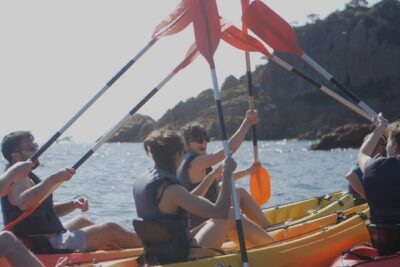
Costa Brava: Kayak, Snorkel, Photos, Lunch, Beach & Cliff Jump!
Read our review →

Browse the lists this shoot appears in