
Review · MUSEUMS
Berlin Museum of Photography Entry Ticket
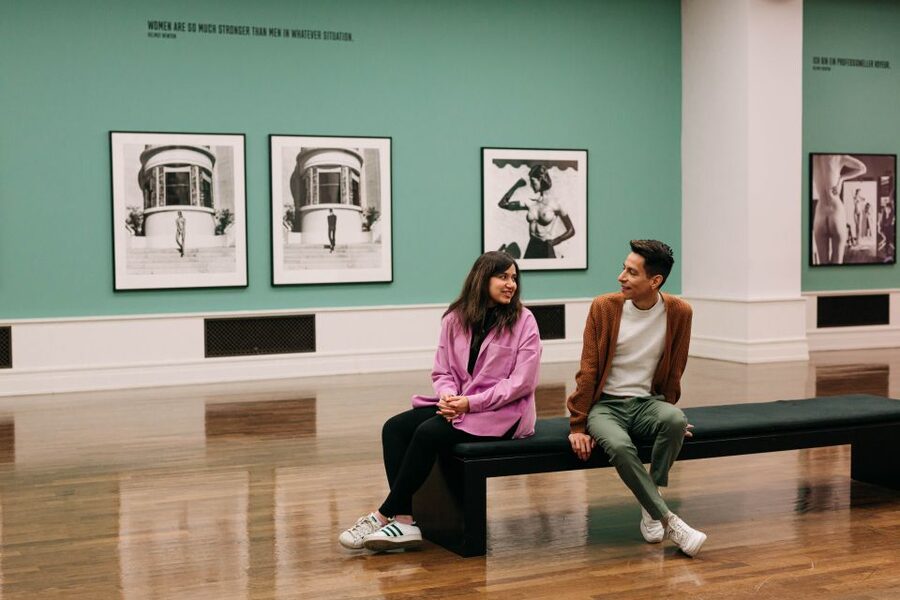
Photography keeps changing, and this museum lets you watch that change unfold from the 19th century to today. I like the broad sweep of the collection, and I especially like the permanent Helmut Newton display, which adds cameras, personal objects, and the famous Newton-mobile to the photographs themselves. The main drawback is that the visit is self-guided, so you need to bring your own curiosity and patience.
I also appreciate the reasonable $14 admission price. It gives you a full day of access to several parts of the museum, including temporary exhibitions such as Body Performance and Post-War Modern Photography. Still, the museum may feel different from what you picture if you expect one large, easy-to-follow gallery. It is divided into five main sections, and the range can feel broad rather than tightly focused.
Key points to know before you go
- Five distinct collection areas: Move through the photographic archive, artistic photography, personal archive, photogrammetric holdings, and historical postcards.
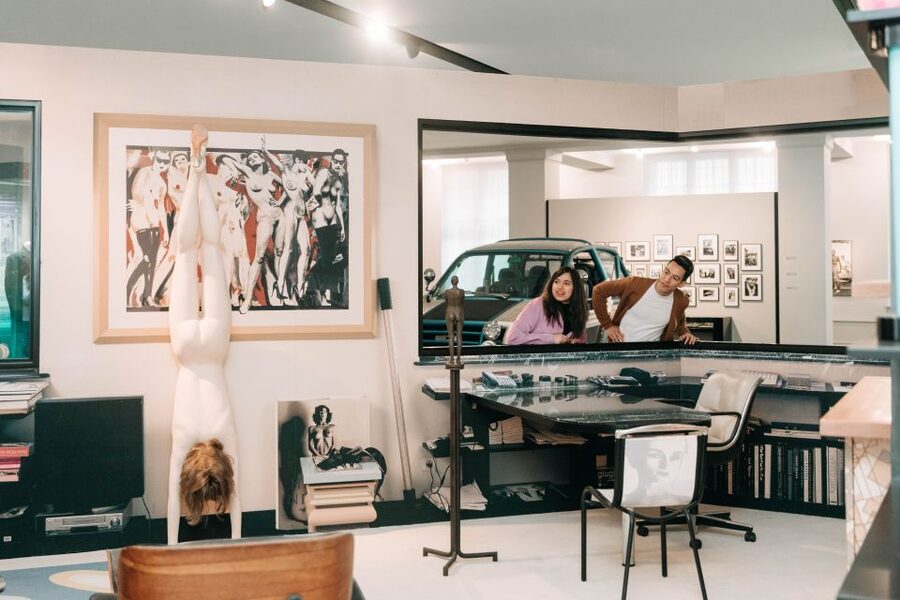
- Helmut Newton has a permanent home here: See his photographs alongside cameras, personal items, his art collection, and the Newton-mobile.
- The collection spans two centuries: Early photographic work sits alongside images connected to modern life and current events.
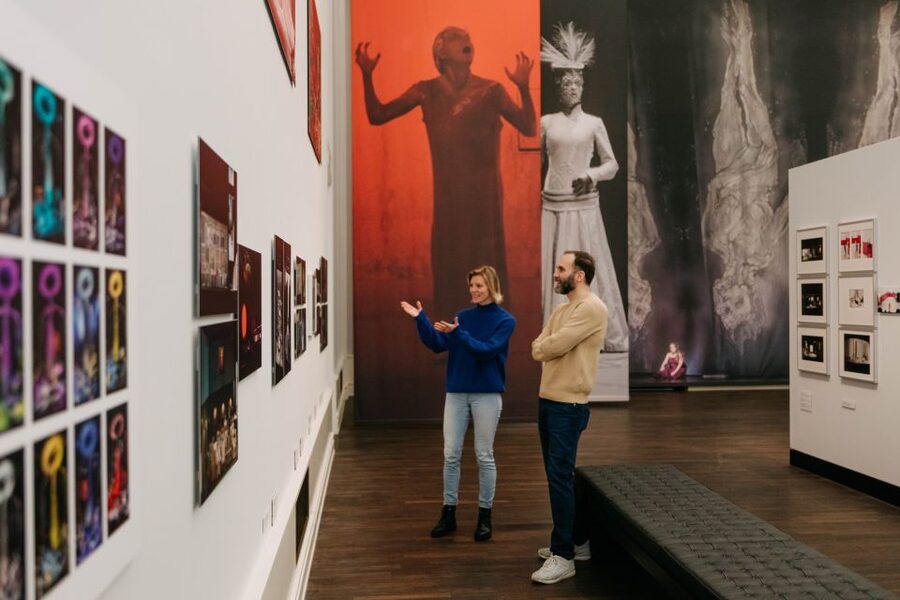
- Temporary shows add variety: Body Performance and Post-War Modern Photography are among the exhibitions listed for the visit.
- A simple $14 museum plan: Admission and booking fees are included, and your ticket is valid for one day.
- Pack lightly: Backpacks, oversize luggage, food, and drinks are not allowed in the exhibitions.
Entering the Museum of Photography in Berlin
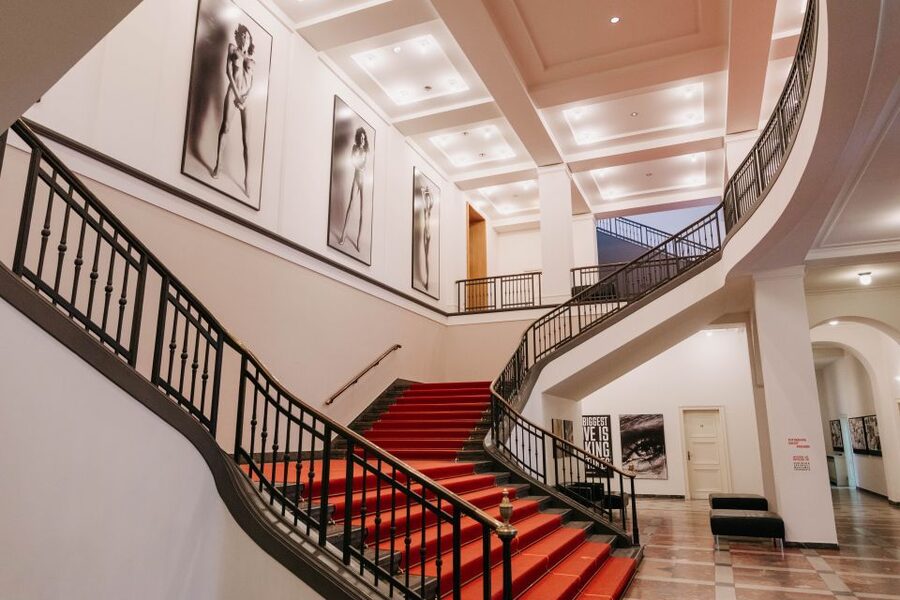
You start by going directly to the museum entrance. There is no separate tour meeting point, transfer, or guide-led route to manage, which keeps the visit simple. Once inside, you can set your own pace and decide how much time to give each section.
The ticket is valid for one day, with starting times available when you check. That gives you useful flexibility. You can make the museum a short stop between other Berlin sights, or give it a longer stretch if a particular exhibition catches your attention.
The overall rating of 4.5 from 88 ratings points to a strong experience for most people, though the small amount of written feedback is mixed. One brief response called it a great museum, while another person said it was not what they imagined. I think that difference comes down to expectations. This is not simply a room of famous photographs. It is a museum built around the many ways photographs are made, collected, stored, used, and understood.
More Museum Visits around Germany:
- Berlin: Fotografiska Photography Exhibition Ticket
★ 4.6 · 168 reviews - Berlin: Ticket for Photography Exhibitions at C/O Berlin
★ 4.5 · 39 reviews - Berlin: East Side Gallery Photoshoot
★ 5.0 · 2 reviews
Five collection sections, five ways to see photography
The museum’s five main areas give the visit its shape. You may not find a single straight story from beginning to end. Instead, you move between different forms of photographic material, each offering a different reason to look closely.
The photographic archive is the broadest starting point. It covers work from the early days of photography through the present, so you can compare old methods and subjects with images that reflect more recent events. For me, this section is valuable because it shows photography as a record of life, not just as framed art.
The collection of artistic photography brings attention back to the photographer’s creative choices. Here, composition, mood, technique, and point of view matter as much as the subject itself. You might spend more time with fewer images because artistic photographs often ask you to look twice.
The personal archive offers another angle. Instead of focusing only on finished pictures, it points toward the people and working lives behind them. This can make photography feel less remote. You begin to think about how photographs were created, kept, and passed on.
The photogrammetric holdings may appeal most to visitors interested in the technical side of image-making. The term refers to photographic material connected with measurement and precise visual recording. It adds a practical layer to the museum, showing that photography has long served purposes beyond portraiture, fashion, or art.
The final section, historical postcards, brings photography into everyday communication. Postcards were made to be handled, sent, and shared, not only displayed behind glass. They can offer a more ordinary view of places and people, and that contrast helps balance the museum’s more formal collections.
From 19th-century photographs to modern events
The time span is one of the museum’s strongest features. You can see pictures made in the early years of photography, then move toward work that reflects current events. That long view helps you understand how photographic habits changed as cameras, printing methods, and public expectations changed.
I like museums that let you make those connections for yourself. You may notice shifts in pose, lighting, subject matter, or the way photographs are presented. An early image may feel careful and formal, while a newer picture can feel immediate or deliberately provocative.
The collection also raises a useful question: Is a photograph mainly a work of art, a historical document, a technical object, or a personal record? At this museum, the answer changes from section to section. That is part of its appeal, but it can also make the visit feel less predictable if you prefer one clear theme.
You should allow yourself room to move at your own speed. Some pictures may deserve only a quick glance, while others may stop you because of their subject, detail, or connection to a particular period. Since the ticket is valid for one day, you do not need to race through the building simply to see everything at once.
The Helmut Newton collection and the Newton-mobile
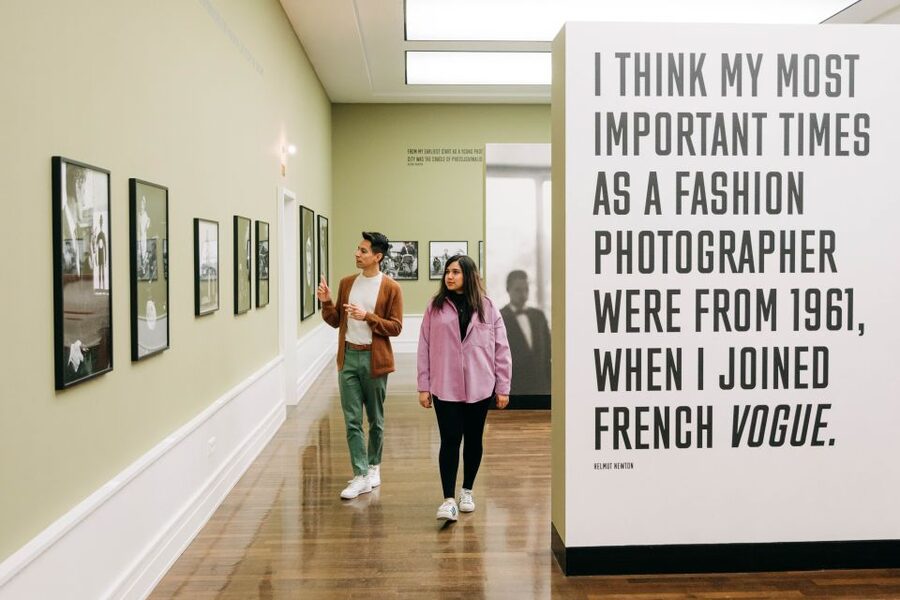
The permanent Helmut Newton exhibition is the museum’s most recognizable draw. Newton was born in Berlin and became an iconic fashion photographer, known for provocative images that challenged conventional ideas about glamour, power, and style.
I like that the exhibition goes beyond photographs on walls. You can see Newton’s cameras, his art collection, and other objects connected with his life and work. The famous Newton-mobile is an especially memorable feature. It gives the display a physical, personal quality that a standard photography gallery might lack.
Newton’s work will not suit every taste. His photographs can be bold, sexual, and confrontational, so you should expect material that may feel provocative rather than polite. That is not a flaw, but it is an important part of deciding if this section matches your interests.
The display also helps explain why Newton mattered in fashion photography. You are not only looking at finished images. You are seeing the tools and belongings connected with the person who made them. For anyone interested in the working process behind a famous photographer, this makes the exhibition more rewarding.
Even if you come mainly for the wider museum collection, plan time for Newton’s rooms. His work gives the visit a strong modern focus after the earlier historical material. It also provides a clear contrast with the archive, postcards, and technical holdings.
More Entry Tickets around Germany:
- Ubud: Tegalalang Rice Terrace Photos Tour with Swing Ticket
★ 4.7 · 177 reviews - Amsterdam: Foam Photography Museum Admission Ticket
★ 4.2 · 141 reviews - Los Angeles: Academy Museum of Motion Pictures Ticket
★ 4.7 · 84 reviews - Park Guell Private Photoshoot with Skip the Line Ticket
★ 5.0 · 75 reviews
Body Performance and Post-War Modern Photography
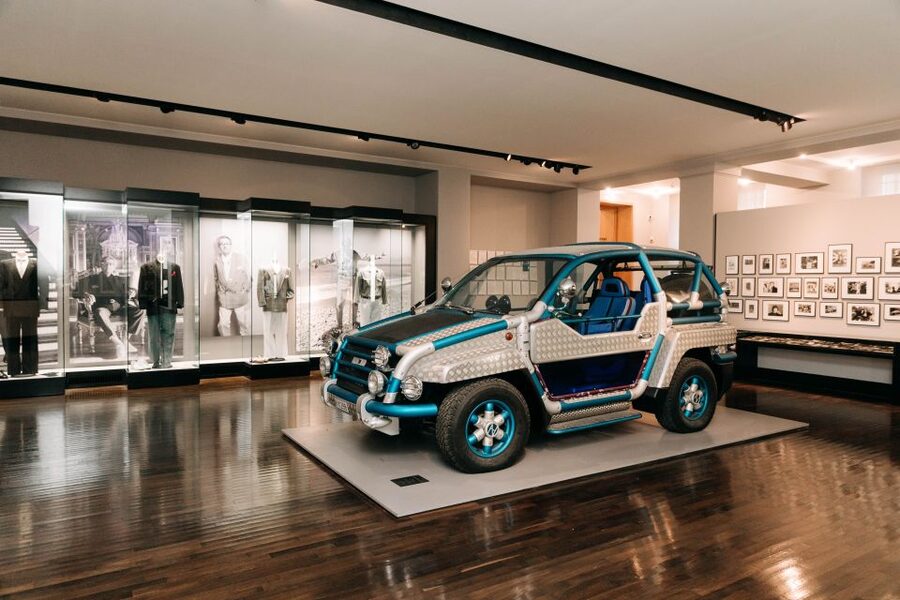
The changing exhibitions give repeat visitors a reason to return, and they add a different mood to the permanent displays. Body Performance and Post-War Modern Photography are among the exhibitions listed for this experience.
Body Performance suggests a focus on the body as subject, movement, expression, or public presence. You might find that it asks different questions from the historical sections. Instead of looking only at when a picture was made, you may think about how bodies are shown and how a photograph can record action or identity.
Post-War Modern Photography shifts the attention toward photography made after the Second World War. The title points to a period of major social and artistic change, when photographers were responding to new public realities and new ideas about modern life. This exhibition can help connect the museum’s older material with its more recent work.
Temporary displays can change, so check what is on view when you plan your visit. The ticket includes access to the museum’s displays listed for that day, but the exact mix of exhibitions is not guaranteed to remain the same over time.
For me, these temporary sections are an important part of the $14 value. If you looked only at the permanent Newton display, the price would still be fair for many photography fans. With the broader collection and changing exhibitions included, the ticket works better as a half-day cultural stop rather than a quick celebrity-focused visit.
How long should you spend inside?
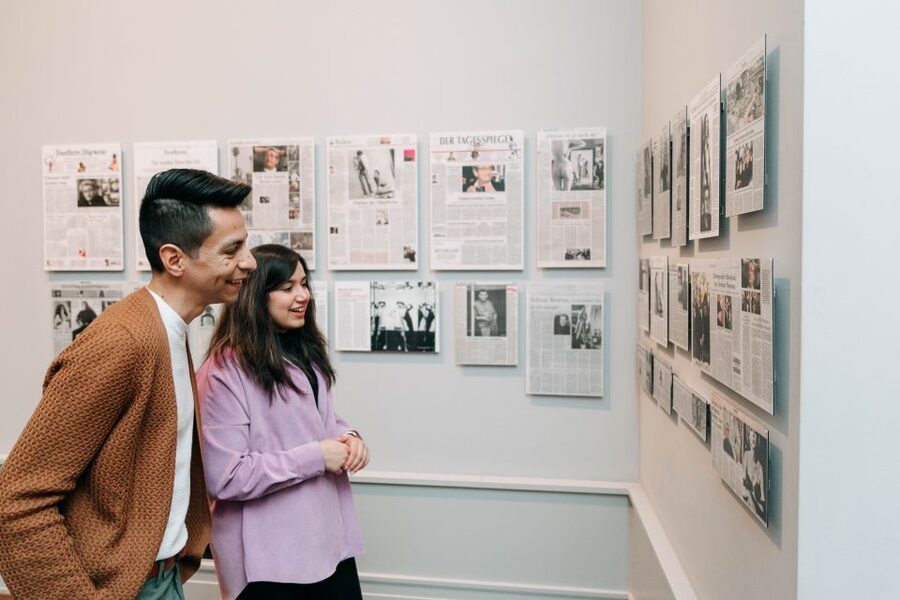
The ticket is valid for one day, but no fixed visit length is provided. I would think of the museum as flexible rather than as a timed tour. You can give it a shorter visit if you have a packed Berlin schedule, or stay longer when the collection rewards close looking.
A brief visit could focus on the permanent Helmut Newton exhibition and one or two collection areas. That approach works if you want a concentrated photography stop.
A longer visit gives you time to compare the five sections, read the exhibition material, and see the temporary displays without rushing. It also gives you a better sense of the museum’s purpose, since the collection is much wider than one photographer.
There is no guide or group itinerary to keep you moving. That is a plus if you like choosing your own route. It is less helpful if you want someone to explain the photographs, provide historical context, or point out key works.
What to carry, and what to leave behind
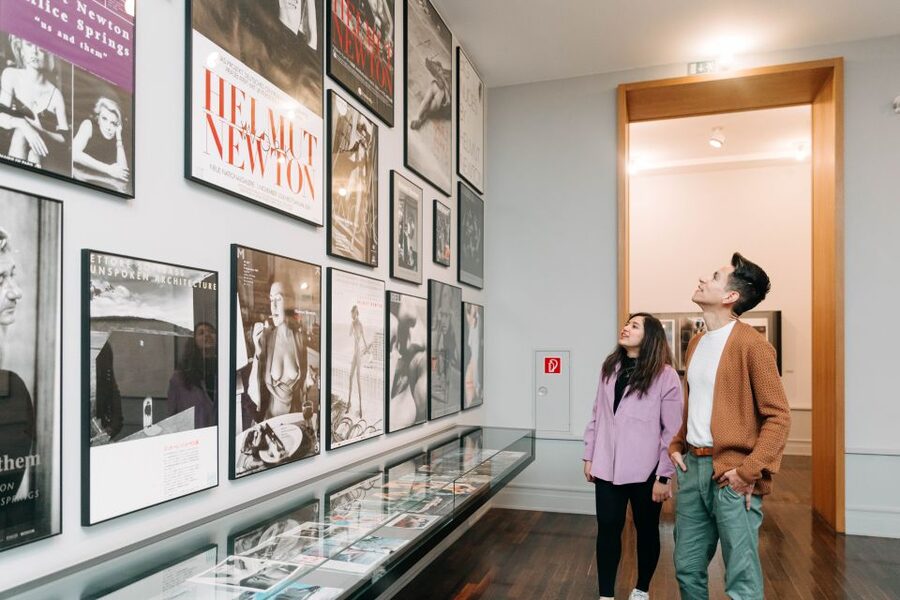
Pack lightly. Backpacks and oversize luggage are not allowed in the exhibitions, and food and drinks are also prohibited. Heavy jackets, coats, and wet clothing may not be taken into the galleries because of conservation needs.
This matters most on a cold or rainy Berlin day. You should be prepared to follow the museum’s instructions about coats and wet clothing rather than assuming you can keep everything with you. The rules protect the photographs and other objects, many of which require careful handling and stable conditions.
A medical or FFP2 mask is recommended but not mandatory. The museum is wheelchair accessible, which makes the visit possible for a wider range of visitors. Follow staff instructions throughout the building, especially in the exhibition rooms.
The best practical approach is simple: wear comfortable clothing, avoid bringing bulky items, and check the day’s access details before setting out. You will have a smoother visit if you do not arrive with a large bag that cannot enter the displays.
Is $14 good value in Berlin?
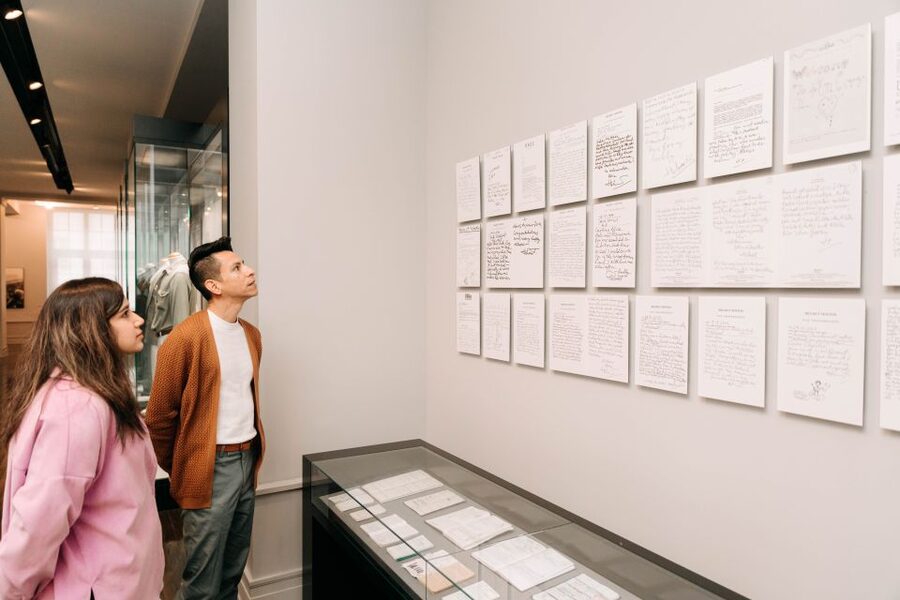
At $14 per person, the ticket is fairly priced for a museum visit that covers permanent collections, the Helmut Newton exhibition, and temporary displays. Admission and the booking fee are included, so the listed price gives you a clearer idea of the total cost.
The value depends on your interest in photography. If you enjoy visual art, fashion, social history, or the technical side of image-making, you are likely to find enough variety to justify the price. The museum covers a long period and several types of photographic material, which gives you more than a single themed exhibit.
If you only want to see famous fashion photographs, the visit may feel broader than necessary. Newton is a major attraction, but the museum asks you to look beyond him at archives, postcards, technical holdings, and artistic work.
The one-day validity adds flexibility. You can plan the museum around the rest of your Berlin day instead of treating it as a fixed, timed activity. The non-refundable policy means you should book only when your plans are firm.
Who will enjoy this museum most?
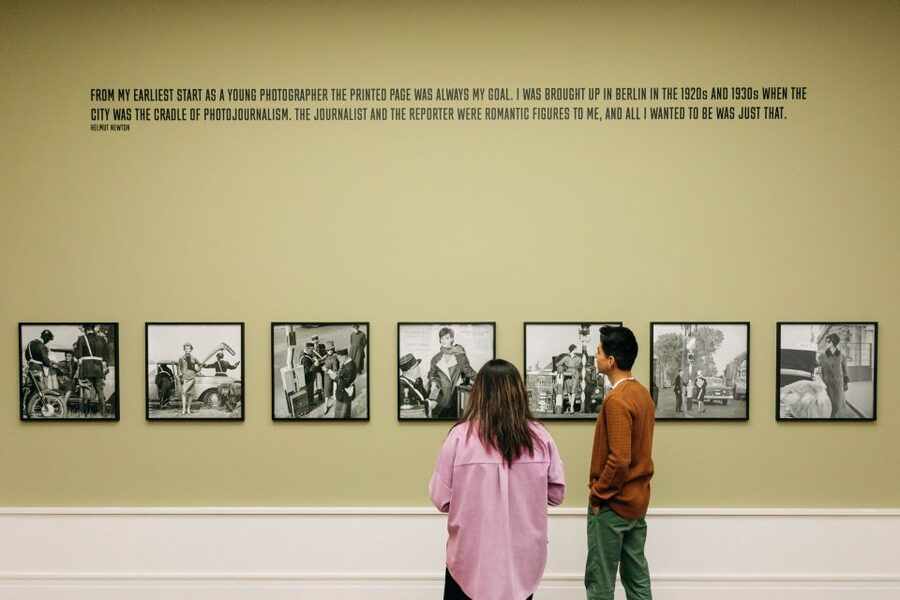
I would recommend it to anyone who likes photography as both art and evidence. It suits visitors who enjoy comparing periods, styles, and purposes rather than seeing only one famous collection.
Fashion fans should make time for Helmut Newton’s rooms. His work is bold, and the cameras, art collection, and Newton-mobile add a personal angle.
The museum also suits people interested in Berlin’s cultural institutions, archive work, historical postcards, and the technical side of photography. The five sections give you several entry points, even if one area does not hold your attention.
Families and mixed-interest groups may find the range useful, but the museum is not presented as an entertainment attraction. You need to look closely and bring your own questions. If you prefer a guide-led experience with a fixed story, this ticket may feel too open-ended.
Should you book the Berlin Museum of Photography ticket?
Book it if you want a broad photography museum with a permanent Helmut Newton exhibition and changing shows included for $14. The collection reaches from the 19th century to modern times, and the five sections give you more variety than a single-artist gallery.
Skip it if you want only a quick display of famous images or if you dislike self-guided museums with different collection areas. Go with realistic expectations, pack lightly, and allow enough time to see more than Newton’s photographs. For photography lovers and curious museumgoers, this is a solid Berlin stop with good value and plenty to examine.
FAQ
Where is the Museum of Photography experience located?
It is located in Berlin, in the state of Berlin, Germany.
How much does admission cost?
The ticket costs $14 per person. The entrance fee and booking fee are included.
How long is the ticket valid?
The ticket is valid for one day. Check availability for the starting times offered.
Where do I begin the visit?
Go directly to the entrance of the museum. The activity ends back at the same meeting point.
Is the Museum of Photography wheelchair accessible?
Yes, the activity is wheelchair accessible.
Can I bring a backpack inside?
No. Backpacks and oversize luggage are not allowed in the exhibitions.
Can I bring food or drinks?
No. Food and drinks are not allowed in the exhibitions.
Are masks required?
A medical or FFP2 mask is recommended, but wearing one is not mandatory.
Can I wear a heavy coat inside the exhibitions?
Heavy jackets, coats, and wet clothing may not be taken into the exhibitions because of conservation requirements. Follow the museum staff’s instructions.
Just added around Germany
- Instagram tour of Cologne with a private photographer★ 5.0 · 2 reviews
- Instagram Tour in Berlin★ 5.0 · 2 reviews
- Heidelberg at Night – Photo Walk★ 5.0 · 3 reviews
- Heidelberg: Sunset Photo Walk★ 5.0 · 2 reviews
- Discover Berlin Underground through Mobile Photography★ 5.0 · 5 reviews
- Berlin: Ticket for Photography Exhibitions at C/O Berlin★ 4.5 · 39 reviews
- Bonn: Private Drone Photoshoot Experience★ 5.0 · 3 reviews
- Berlin: Private Photo Walk with Professional Photographer★ 4.5 · 2 reviews
Museums, compared.
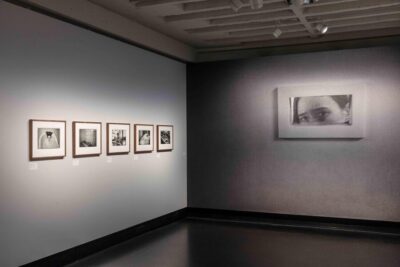
Ticket for Photography Exhibitions at C/O Berlin
Read our review →
Marrakech Tuk-Tuk Tour with Photography Museum+Secret Garden
Read our review →
Browse the lists this shoot appears in