
Review · PHOTOGRAPHY TOURS
Delhi: Heritage Photography Tour
Delhi rewards people who slow down. This two-hour photography walk links grand tombs, quiet gardens, old lanes, and painted walls that many first-time visitors miss. I like the focus on overlooked corners, and I like that the guide offers photo advice while explaining local beliefs and religious traditions. The main concern is reliability: one verified booking in May 2023 reported that the guide never arrived.
I also like the small-group feel suggested by the guide’s approach. Ameesha gave one photographer time to work independently, while Rajeev earned praise for his evening stories and easy manner. At just $14 per person, the tour can be excellent value, but you should confirm the meeting details before setting out.
Key points at a glance
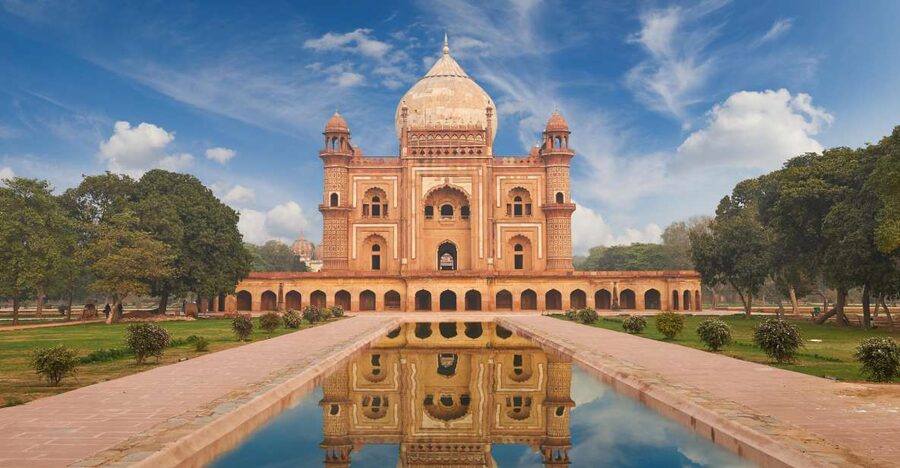
- Safdarjung Tomb is the starting frame: Meet at the entrance and ticket counter for a strong opening view of Mughal-era architecture.
- Lodhi Garden packs in variety: Tombs, trees, flowers, a lake, bridges, and wide paths give you many subjects in a short walk.
- Shish Gumbad connects the route to the Lodhi dynasty: The stop adds historical weight beyond simple sightseeing.
- Street art changes the mood: Painted walls bring nature, creation, life, and death into a modern visual conversation.
- The guide matters: Rajeev and Ameesha were praised for clear stories, patience, and allowing photographers to work at their own pace.
- The price is low, but service needs checking: The tour costs $14, with one serious no-show complaint among the available ratings.
Why this Delhi photo walk is different
Delhi has no shortage of famous monuments. What makes this outing appealing is the way it joins several types of subjects in one compact route. You move from formal stone architecture to flowers, from diplomatic streets to a small lake, and from 15th-century buildings to modern graffiti.
That mix suits you if you do not want a standard monument checklist. You can work on composition around domes and arches, then turn your attention to tree shapes, reflections, color, and wall paintings. The tour is not only about taking photographs. The guide also discusses religious ideas, local importance, and the stories connected with the sites.
The walk lasts two hours, so expect a brisk overview rather than a patient photography workshop at every stop. I would bring a camera if you have one, but the route also suits phone photography. The range of subjects means you can keep shooting even if one monument does not catch your eye.
The experience is offered in English, Hindi, or Spanish. The guide is described as a trained storyteller, and the strongest feedback praised the human side of the tour: patience, useful explanations, and respect for the photographer’s own process.
More Photography Tours in India
- Photo Tour In Holy Varanasi
★ 5.0 · 73 reviews - Private Dharavi Slum Photography Tour With Pickup
★ 5.0 · 56 reviews - Photography Tour of Taj Mahal
★ 5.0 · 54 reviews
Starting at Safdarjung Tomb
Your meeting point is the entrance gate of Safdarjung Tomb, specifically by the ticket counter. This makes the location simple to identify, but you should arrive with enough time to find the correct gate. Hotel pickup is not included, so you are responsible for reaching the monument.
Safdarjung Tomb gives the tour a grand beginning. Its large central structure, formal layout, and strong symmetry offer the kind of subject that rewards careful framing. You can look for straight lines, repeated arches, open sky, and the contrast between pale stone and surrounding greenery.
The guide will help point out useful angles and explain the site. Since entry to the photographic destinations is included, you do not need to treat this as a walk past the exterior only. The exact amount of time at the tomb may depend on the group and the guide, so do not expect a long, private session with a tripod.
This is also where the practical side of the tour becomes clear. The route is built for walking, not for carrying a large kit. Comfortable shoes are specifically recommended, and large bags or luggage are not allowed. A small camera bag or day bag is the safer choice.
Muhammad Shah Sayyid Tomb and Delhi’s earlier chapters
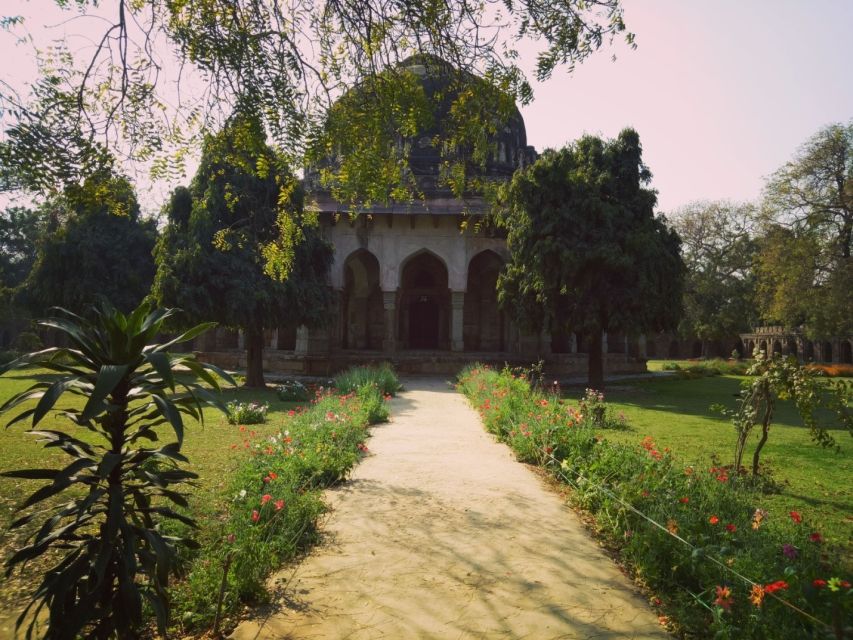
The next historic stop is the Muhammad Shah Sayyid Tomb, described as a place connected with relics from Delhi’s past. This adds an earlier layer to the outing and keeps the route from focusing on only one period of the city.
For photography, tombs of this kind offer details that are easy to overlook. You might find useful subjects in worn stone, domed forms, decorative openings, or the way light reaches through the structure. I would listen closely here, since the guide’s explanation is likely to add more value than the building alone.
The tour’s strength is its connection between visual details and local meaning. Instead of simply being told to photograph an arch, you can ask why a structure matters, how people understand the site, and what religious ideas shape its use or memory. That conversation is part of the included experience.
Do not expect a museum-style display or a long catalogue of objects. The description points to relics and historical connections, but the activity remains a walking photography tour. The appeal lies in seeing the site in context, then moving on to the larger garden route.
Lodhi Garden, Delhi’s most varied stop
Lodhi Garden is the heart of the walk. It is described as one of Delhi’s loveliest parks and as a strong place to photograph nature, architecture, trees, and flowers. That variety makes it especially useful if your group has different interests.
You can frame a tomb against foliage, isolate a flower, watch for patterns in leaves, or use open paths to create depth. A photographer who prefers architecture can work with old stone structures. Someone who prefers color and texture can focus on the garden itself. This is a rare tour design advantage: you are not locked into one visual style.
The garden also gives you a break from Delhi’s harder urban edges. The route passes wide lanes, centuries-old buildings, and embassies from different countries. That contrast matters. You see a quieter side of the city, but you remain close to major institutions and old monuments.
The park may be the most relaxing portion of the outing, though two hours is not much time for a full exploration. If you want long pauses for macro photography or repeated shots from changing angles, this tour may feel rushed. If you want a well-chosen introduction to the area, the pace should work better.
Same place, a different kind of shoot:
- Private Tour of Jaipur’s Most Instagrammable & Photogenic Spots
★ 5.0 · 182 reviews - Insta Photoshoot in South Goa
★ 5.0 · 143 reviews - Jaipur: Instagram Tour of The Best Photography Spots
★ 4.8 · 119 reviews - Private Beach Photoshoot in North Goa by Professional Photographer
★ 4.5 · 78 reviews
Bara Gumbad, the mosque, and the Athpula Bridge
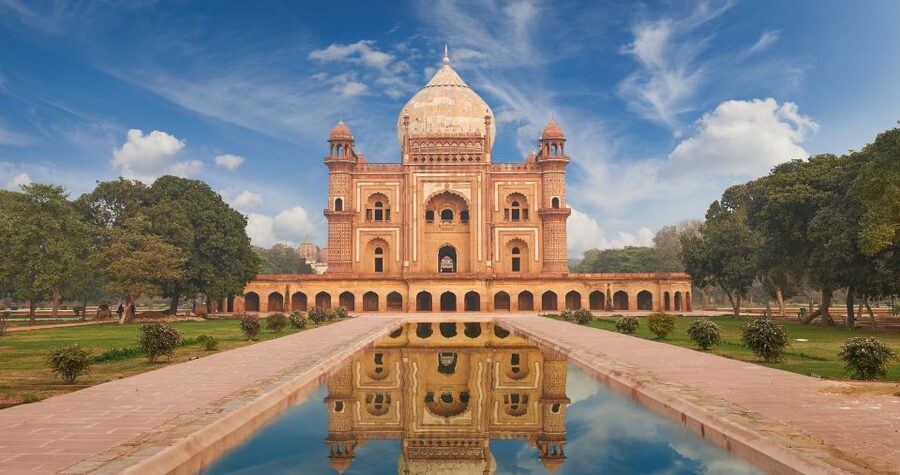
Within the garden, the 15th-century Bara Gumbad tomb and mosque provide a concentrated architectural sequence. The tomb and mosque allow you to compare shapes, openings, and proportions while staying within the same general area.
This is the point where a guide’s photography advice can be useful. A strong composition may come from looking beyond the obvious front view. You might work with symmetry, frame one building through another opening, or use the surrounding trees to soften the stone forms. The guide is included to help you notice such possibilities, not merely to lead you from gate to gate.
The route then uses the Athpula Bridge to cross a lake. The bridge creates a change in viewpoint and gives you a chance to photograph water, reflections, and the relationship between built structure and the park. Reflections are never guaranteed, since light and water conditions change, but the setting offers a different kind of subject from the tombs.
This is one reason I see value in the tour for beginners. You do not need to arrive with a fixed photography plan. The route presents a series of manageable scenes, and the guide can help you think about what to do with them.
Shish Gumbad and the Lodhi dynasty
Later, you visit Shish Gumbad, associated with the last lineage of the Lodhi dynasty. The building gives the route a clear historical endpoint before the final garden and street-art sections.
The structure adds another domed monument to the day, but it should not feel repetitive if you pay attention to differences in scale, surface, setting, and detail. A guide can help explain how the site fits into Delhi’s changing dynasties and why these buildings remain important in the city.
The phrase last lineage of the Lodhi Dynasty makes this stop sound especially useful for anyone who wants more than attractive pictures. You get a link between architecture and political history. Still, the tour is not advertised as a full history lecture, so expect concise storytelling suited to a moving walking group.
I would use this portion to review the photographs you have already taken and look for a different approach. If your earlier images are mostly wide views, try details. If you have focused on stone, look for people, plants, or empty space, while respecting the site and the guide’s instructions.
Rose Garden and the route’s softer side
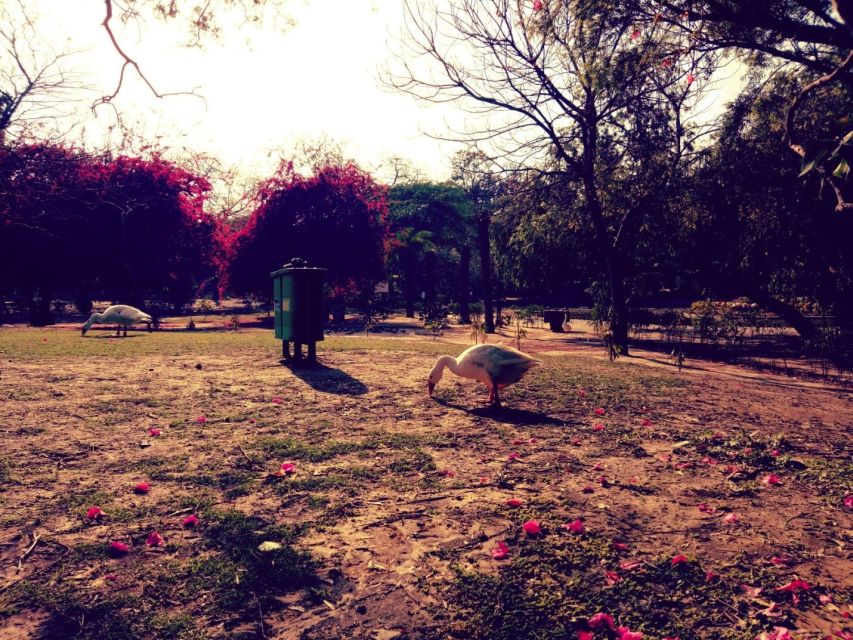
The Rose Garden brings the tour back to color and natural forms. It is a useful contrast to the tombs, especially if the light has changed during the walk.
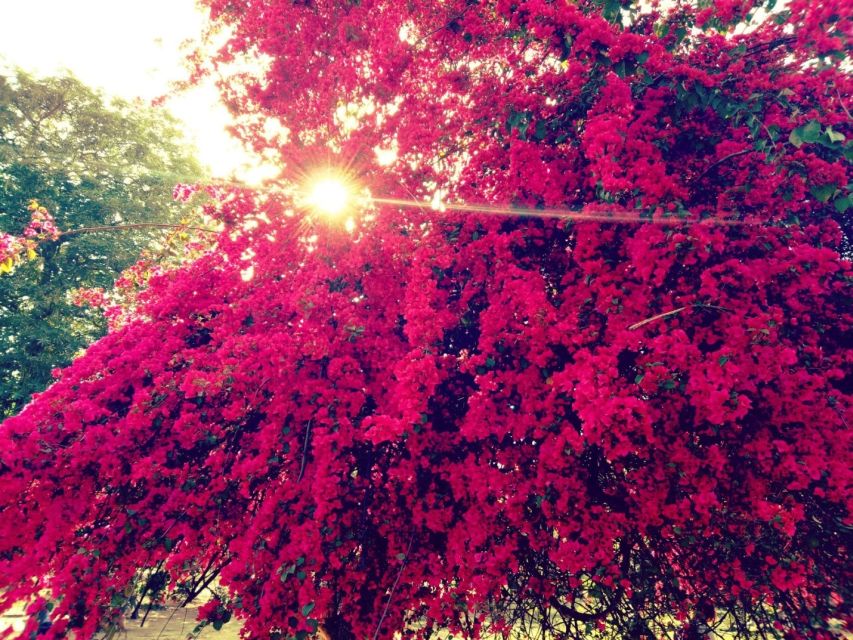
Flowers can be obvious subjects, but the garden also gives you chances to work on close framing, color relationships, and repetition. You might find that a simple image works better than another grand monument photograph. This stop should appeal to phone photographers, beginners, and anyone who wants a lighter finish to the historical portion.
The route’s garden sections are also a practical reason to wear proper walking shoes. You are moving through parks, lanes, and historic areas rather than sitting in one location. Pregnant women and wheelchair users are specifically listed as unsuitable for the experience, so anyone with mobility concerns should take that restriction seriously.
There is no water bottle included. Bring your own water, even though the tour provides one hot beverage. That drink is a pleasant extra, but it does not replace carrying water during a two-hour walk.
Lodhi street art closes the walk
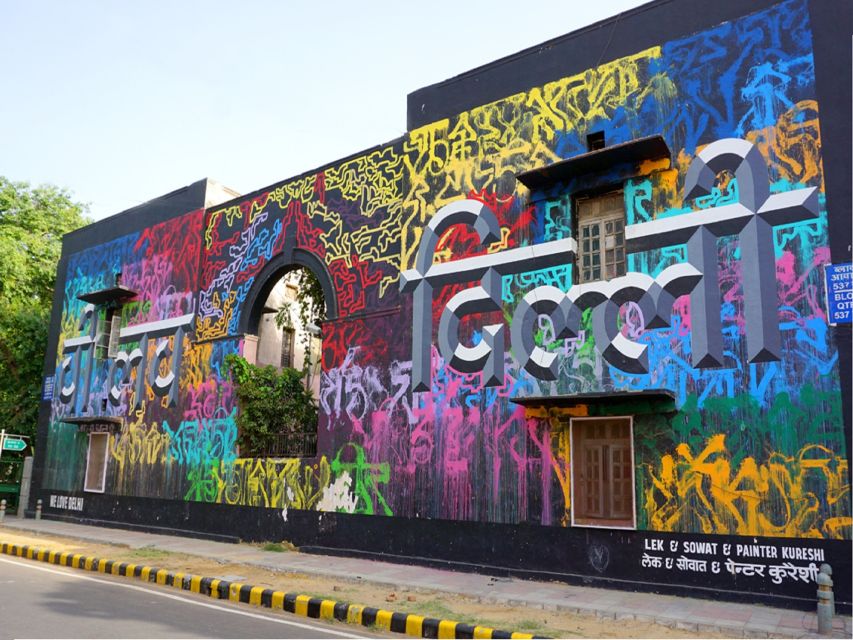
The final section turns to Lodhi street art. Painted walls explore subjects such as nature, the origin of the world, and life and death. This gives the tour a modern visual finish and prevents the outing from becoming a sequence of old tombs.
The murals can help you think about public art in a different way. Instead of photographing only objects preserved from the past, you finish with images made for the present city. The themes also echo the religious and philosophical conversations included in the tour, creating a link between the old monuments and the new paintings.
Street art is particularly good for color, large shapes, and strong compositions. You can photograph a full wall or isolate a small section. The guide may also explain the local importance of the art and its themes, which adds context to what could otherwise be a quick photo stop.
This part may be the highlight for anyone who has already seen Delhi’s best-known monuments. It feels less formal and more connected to daily city life, though the quality and condition of painted walls can vary.
Guide style, group pace, and the price
At $14 per person, this is inexpensive for a guided walk that includes entry to the photographic destinations, photography tips, a hot beverage, and a guide in English, Hindi, or Spanish. I consider it good value if you want orientation, stories, and a range of photo subjects without arranging several separate visits.
The best guide feedback is specific. Rajeev was praised for being informative during an evening tour. Ameesha was described as patient, experienced with photographers, and willing to let people work without constant interruption. That last point matters. Some guides rush from one photo stop to the next, while a good photo guide knows when to speak and when to give you a moment.
The available rating is 3.5 from six reviews, so the praise is not enough to ignore the weak point. One verified booking from May 2023 reported that the guide did not arrive, and staff at the tomb said nobody had shown up. That is a serious service failure.
I would contact the provider close to the tour time and confirm the meeting point, start time, and guide. The booking terms allow free cancellation up to 24 hours before the activity, and reserve now, pay later is available. Those options reduce financial risk, but they cannot replace a quick confirmation on the day.
Who should book this photography tour?
I would choose this walk if you want:
- A short introduction to Delhi’s tombs and gardens
- Photography prompts without signing up for a full-day workshop
- A mix of architecture, flowers, trees, water, bridges, and murals
- Local stories about religion, beliefs, and importance
- A guide who understands that photographers sometimes need quiet time
- An affordable activity near Safdarjung Tomb and Lodhi Garden
I would think twice if you need wheelchair access, cannot manage a walking route, or plan to bring luggage. The tour is also less suitable if you want a highly technical photography class with detailed camera instruction.
Bring comfortable shoes, water, and a small bag. Meet at the Safdarjung Tomb entrance by the ticket counter. If you are photographing at sunset or in the evening, the changing light may make the tombs and gardens especially appealing, as one highly positive booking praised an evening outing.
Should you book it?
Book this tour if you like taking pictures but also want the places explained. The route gives you far more variety than the low price suggests, and the praised guides, especially Rajeev and Ameesha, sound well suited to photographers who need both help and breathing room.
I would not book without confirming the appointment shortly before arrival because of the reported no-show. With that safeguard, this is a promising two-hour introduction to Delhi’s quieter historic corners, garden paths, and contemporary wall art.
FAQ
How much does the Delhi Heritage Photography Tour cost?
The tour costs $14 per person.
How long does the photography tour last?
The walking tour lasts two hours.
Where do I meet the guide?
Meet the storyteller at the entrance gate of Safdarjung Tomb, by the ticket counter.
Which languages are available?
The tour is available in English, Hindi, and Spanish.
Is hotel pickup included?
No. Hotel pickup and drop-off are not included.
What should I bring?
Bring comfortable shoes and your own water bottle. A hot beverage is included, but a water bottle is not.
Are entry fees included?
Entry to all the photographic destinations is included.
Can I bring luggage or a large bag?
No. Luggage and large bags are not allowed.
Can I cancel the booking?
Yes. You can cancel up to 24 hours in advance for a full refund. Reserve now and pay later is also available.
More History Tours around India
- Heritage Trivandrum Photography Walk Tour With Tuk Tuk Ride
★ 3.8 · 10 reviews - New Delhi: Guided Night Photography & Heritage Tour of Delhi
★ 5.0 · 5 reviews - Rome: Vespa Photo Tour with Historic City Highlights
★ 5.0 · 395 reviews - Hanbok Photoshoot and History Tour at Gyeongbokgung Palace
★ 5.0 · 276 reviews
Just added around India
- Kolkata Full-Day Street Photography Tour★ 5.0 · 2 reviews
- Kochi Insta Photo Walk with Tuk Tuk Ride Experience★ 5.0 · 2 reviews
- Jaipur: Private Instagram Tour of Top Photography Spots★ 4.8 · 8 reviews
- Jaipur: Instagram Photo Experience with a Guide★ 4.9 · 8 reviews
- Jaipur: Private Half-Day Instagram Tour with Guide★ 5.0 · 5 reviews
- Jaipur: Private Tour for Instagram and Photography Lovers★ 5.0 · 12 reviews
- Jaipur: Instagram Tour of The Top Photography Spots★ 4.6 · 19 reviews
- Jaipur: Full Day Sightseeing with Professional Photographer★ 5.0 · 4 reviews
Photography Tours, compared.






Browse the lists this shoot appears in