
Review · PHOTOGRAPHY TOURS
Full-Day Photography Tour in Chiang Mai
The best shots may come unplanned. This private, full-day photography trip leaves Chiang Mai for mountain scenery, rural farms, water buffalo, and hill-tribe villages. I like the flexible route, which lets your guide stop when a good subject appears, and the chance to choose between the staged setting of Baan Tong Luang and more natural Hmong and Karen villages.
I also like that the guide helps you approach people with care instead of treating village life as a photo set. The main drawback is the cost: $145.99 per person, plus petrol, food, and possibly an entrance fee. This is a better fit for someone who values private transport and access than for a visitor seeking formal camera lessons.
Key points at a glance
- Private 4×4 transport: Hotel pickup and drop-off make the long day simple, with only your group in the vehicle.
- Two very different village choices: Baan Tong Luang is arranged for visitors, while rural Hmong and Karen villages offer a less staged setting.
- Photography follows village life: Stops are not fixed, so you may photograph farm activity, roadside buffalo, or people returning from work.
- Good for mixed skill levels: The route can match your interests and experience, but technical photography instruction is not included.
- Extra costs matter: Allow about 800 baht for petrol, plus lunch and 500 baht if you choose Baan Tong Luang.
- A strong guide matters: Anan is specifically praised for cultural explanations and practical help with photography.
Leaving Chiang Mai at 8am
Your day begins with hotel pickup at 8am. From there, you leave Chiang Mai in a private vehicle or 4×4 with a local guide who also drives. Since the activity is private, you do not need to match the pace of a bus group or wait while strangers finish taking pictures.
That matters on a photography outing. A scenic stop may take five minutes, or it may take much longer if the light, people, or setting gives you something worth working on. The guide can adjust the day around your interests, although the route remains subject to weather, local events, and village conditions.
The full outing lasts about seven to nine hours. That gives you enough time to travel into the countryside, visit one or more villages, pause for views, and return to Chiang Mai without trying to squeeze everything into a rushed half-day.
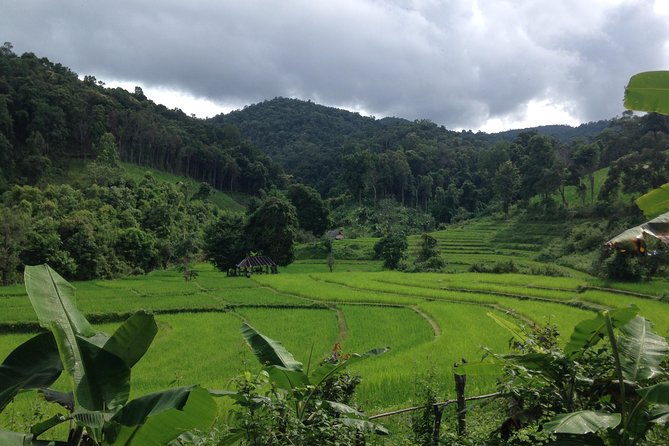
The drive itself is part of the experience. You will pass rural farms and rolling tropical hills, with chances to stop along the road for pictures. Do not expect a list of guaranteed photo locations. The operator makes clear that opportunities depend on the natural rhythm of village life. That is honest, but it also means you should arrive with an open plan.
More Photography Tours in Thailand:
- Phuket: Half-Day Instagram Photography Tour
★ 4.8 · 9 reviews - Bangkok Street Hidden Gems Photography Tour
★ 5.0 · 6 reviews - Instagram Photo Tour with Wat Arun and River Cruise
★ 5.0 · 4 reviews
Baan Tong Luang, a convenient but staged photo stop
One possible stop is Baan Tong Luang, a village created for tourism. Here you can see representatives of several hill tribes, including Karen, Hmong, Akha, Long Neck, Big Ear, and Palong communities. Traditional clothing, bamboo houses, and arranged village spaces create plenty of easy subjects for a camera.
For a first-time visitor to northern Thailand, this can be a straightforward introduction. You have a chance to see different dress styles and forms of housing in one place. The setting also offers more predictable photo opportunities than a remote village, which may help if you are still learning how to frame portraits or work with unfamiliar subjects.
There is a cost. The entrance fee is 500 baht and is not included. You will also need to think about the ethics of photographing people in a place built around visitor access. The colorful clothing and traditional houses may look appealing through a viewfinder, but the people are not props.
Your guide can help you approach subjects properly. Follow that lead. Ask permission before making portraits, keep your distance when appropriate, and remember that a photograph should not be the only thing you take from the encounter.
Some visitors will feel that Baan Tong Luang is too arranged. That is a fair concern. If you want daily life with less performance for visitors, tell the guide early that you prefer authentic Hmong and Karen villages instead.
The Hmong viewpoint and open countryside
The less staged option takes you farther into the countryside. One planned stop is a Hmong village high enough to offer a broad view over tropical rolling hills. This is a strong part of the day for scenic photography because you can work with distance, layers of hills, and changing light rather than only close-up portraits.
I would bring a lens suited to both wide views and ordinary details. The supplied information does not promise any particular equipment or lighting setup, so you need to make the most of the conditions you find. The value here is not a formal lesson. It is being placed in an area where the surroundings themselves give you more to photograph.
The viewpoint also breaks up the village visits. A full day focused only on people and buildings could become repetitive, especially in hot weather. Time in the open countryside gives you a different subject, a quieter pace, and a chance to review your images before moving on.
Again, the exact timing is flexible. Weather can change the quality of the view, and local conditions can change the route. The guide may spend more or less time here depending on what is happening elsewhere.
Karen villages and unscripted moments
The trip then continues toward more remote Karen villages. This is where the tour’s private format has its clearest advantage. The guide can watch for scenes along the road and pull over when something worth photographing appears.
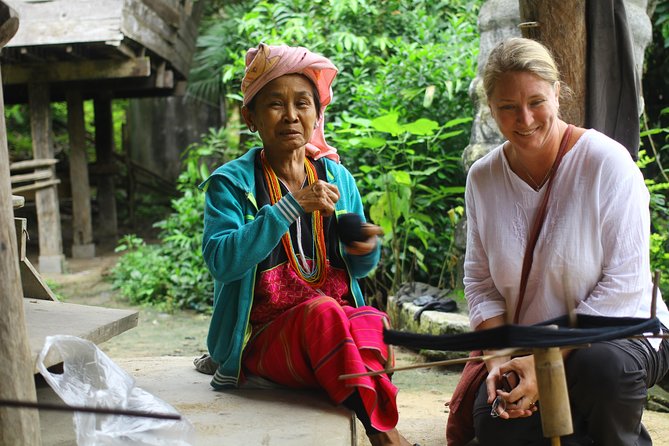
The examples given include water buffalo beside the road and hill-tribe women walking home from the farm. These are not performances arranged for a camera. They are ordinary moments, which can produce more meaningful pictures, but only if you are patient and discreet.
You may also find that nothing dramatic happens for a while. That is part of the bargain. The tour does not promise a set number of portraits, animals, or village scenes. You are paying for access, transport, local guidance, and flexibility, not for a guaranteed shot list.
In the Karen villages, the guide can explain aspects of local culture and daily life. Portrait photography is possible, but it should happen with permission and sensitivity. A helpful guide can make a real difference here by showing you when to approach, how to behave, and when to put your camera down.
Anan is the guide named in the available tour feedback, and he was praised for cultural explanations and photo assistance. If you hope to travel with him, ask about availability when booking. The experience depends heavily on the guide’s judgment, especially when working in communities where visitors should not act as if every moment is public entertainment.
More Full-Day Trips around Thailand:
- Pattaya: Full-Day Instagram City Tour
★ 4.0 · 7 reviews - Bali: Full-Day Instagram Highlights Tour
★ 4.8 · 7,817 reviews - Mauritius: Private Full-Day Iconic Instagram Spots
★ 4.8 · 548 reviews - North Bali: Full-day Highlights Instagram Tour
★ 4.9 · 214 reviews
Why the flexible timing matters
Many photo tours use fixed stops and fixed departure times. This one takes a different approach. The day is allowed to develop around village activity, weather, road conditions, and unexpected scenes.
That approach suits you if you enjoy waiting for a better subject or changing plans when the light improves. It is less suitable if you need a precise schedule or want to know exactly what you will photograph before setting out.
Flexibility also protects the villages from being treated like a stage. Rather than bringing people out at a set time for a portrait session, the tour aims to work around normal routines. That does not remove every ethical concern, but it is a more respectful direction than forcing a scene for the camera.
The tradeoff is uncertainty. You might return with excellent portraits and quiet farm scenes, or you might find the day’s best images are views from the road. Your own attitude will shape the experience. I would treat the tour as a chance to observe and respond, not as a photography production with guaranteed results.
What the photography help really includes
The tour is suitable for beginners and experienced photographers, but it does not include technical instruction. That distinction is important.
If you are new to photography, the guide may help you find subjects, approach people, and understand the setting. You should not expect a structured lesson on shutter speed, aperture, composition, editing, or camera setup. If you need help with those areas, you may want to study your camera before the trip or arrange separate instruction.
Experienced photographers may appreciate the freedom more than a formal class. You can choose how much time to spend on portraits, scenery, farms, villages, or roadside scenes. The guide can help with local access and cultural context while you handle the creative decisions.
I would prepare by deciding what interests you most. Do you want environmental portraits? Mountain views? Traditional houses? Farming activity? Tell the guide at the start. The route can be customized to your photography needs, and a clear preference gives the day a stronger direction.
Food, petrol, and the real price
The listed price is $145.99 per person. It covers a professional local guide and driver, private transport, and hotel pickup and drop-off. For a full day with only your group, that can be fair value, especially if you are sharing the cost with companions.
Still, the advertised price is not the complete day’s expense. Petrol is extra. You fill up and pay at the pump along the way, with an estimated total of about 800 baht. That cost may be shared by the group, but the supplied details do not specify the exact split, so ask before setting out.
Lunch is also extra. You can cook lunch in the village for 250 baht per adult, or eat at a restaurant for 50 baht per person, with it being customary to pay for the guide. The cooking option may offer more contact with village life, while the restaurant option is cheaper and likely simpler.
Baan Tong Luang adds another 500 baht entrance fee. You can avoid that cost by choosing the more rural route, though the final plan depends on local factors and your guide’s advice.
The price makes most sense for a private group that wants an entire day and values flexibility. It is harder to justify if you are mainly looking for a cheap countryside ride or a classroom-style photography workshop.
Comfort, pace, and practical preparation
The private 4×4 is useful for reaching rural areas, though the information does not describe the vehicle’s exact comfort level. You should be ready for a long day on the road, changing conditions, and stops that may not have the facilities of a city attraction.
Wear clothing that suits warm outdoor conditions and village visits. Dress respectfully, especially if you plan to enter homes or speak with residents. Bring the camera equipment you already know how to use, since there is no technical training included.
Keep extra battery power and storage available if you plan to photograph throughout the day. These are general photography precautions, not promised tour facilities. The operator does not specify access to charging, Wi-Fi, or equipment rental.
The tour is listed as suitable for most participants. That gives a broad guide, but it does not provide detailed accessibility information. If you have mobility needs, ask in advance about the vehicle, village paths, viewpoints, and any walking required.
Confirmation is sent within 48 hours of booking, subject to availability. The activity is non-refundable and cannot be changed after booking, so make sure your date, group size, and photography expectations are settled before paying.
Who should book this private Chiang Mai outing?
I would recommend this experience to photographers who want local settings rather than a fixed urban photo walk. It suits couples, families, and small groups who prefer their own vehicle and a guide who can adjust the day around them.
It is also a good match for a beginner who wants help with respectful portrait access, even without formal camera instruction. A patient photographer who enjoys waiting for ordinary scenes may get more from the day than someone who needs a guaranteed list of famous viewpoints.
I would think twice if you dislike uncertain schedules, do not want to pay extra for petrol and food, or feel uncomfortable with village photography. The Baan Tong Luang option can feel too arranged, while the authentic village option may offer fewer predictable subjects.
Should you book it?
Book this tour if you want a private day in northern Thailand with room for chance encounters, rural scenery, and culturally guided portraits. The strongest features are the flexible route, private transport, and effort to photograph people without forcing staged scenes.
Skip it if you want formal instruction, a tightly timed itinerary, or an all-inclusive price. Before booking, ask which village route is likely, confirm petrol arrangements, and state your photography priorities. If Anan is available, his praised cultural guidance may be an added benefit.
FAQ
What time does the tour begin?
Hotel pickup begins at 8am.
How long does the photography tour last?
The outing lasts approximately seven to nine hours.
Is hotel pickup and drop-off included?
Yes. Hotel pickup and drop-off are included, along with private transport by 4×4.
Is the tour private?
Yes. Only your group participates in the activity.
Can I choose between Baan Tong Luang and more authentic villages?
Baan Tong Luang is offered as an option. If you prefer a more natural setting, the tour can head farther into the countryside to visit Hmong and Karen villages.
Are photography lessons included?
No. The tour can be customized to your photography interests and experience level, but technical instruction is not included.
What extra costs should I expect?
Petrol costs approximately 800 baht and is paid at the pump. Lunch costs 250 baht per adult if cooked in the village, or 50 baht per person at a restaurant, with it customary to pay for the guide. Baan Tong Luang has a separate 500 baht entrance fee.
Just added around Thailand
- ️ Krabi Instagram Tour: The Most Famous Spots (Private & All-Inclusive)★ 4.5 · 12 reviews
- Holiday Travel Photoshoot in Krabi★ 5.0 · 2 reviews
- Holiday Travel Photoshoot with Long-tail boat Phi Phi Islands★ 5.0 · 5 reviews
- Private Photoshoot in Koh Samui for Couples & Families★ 5.0 · 8 reviews
- Snorkeling + Free Underwater Photos by Longtail Boat – Koh Lipe A★ 5.0 · 5 reviews
- Holiday photoshoot in Khao Lak★ 5.0 · 5 reviews
- Thai Costume Photography at Wat Arun/Pho Temple: Bangkok★ 5.0 · 3 reviews
- Proposals in Thai Costume with Photoshoot★ 5.0 · 4 reviews
Photography Tours, compared.
Browse the lists this shoot appears in