Review · PHOTO TOURS & PHOTOSHOOTS
Photography Expeditions to Omo Valley
The best photographs begin before you raise your camera. This six-day journey through southern Ethiopia brings you close to Mursi, Hamer, Karo, Dassanech, and Dorze communities, with a private vehicle and a schedule built around cultural photography. I like the broad range of encounters, and I like that the fee includes village access and a photography fee rather than leaving those costs unclear. The main drawback is the pace: long drives, early starts, and several short stays make this a serious field trip, not a gentle holiday.
The route also adds wildlife at Lake Chamo, a flight to Jinka, and a final visit to Addis Ababa before returning home. Mulugeta is praised for careful pre-trip planning, while another account specifically credits Mulle and Captain for making a complicated journey work smoothly. You should still confirm domestic flight costs, hotel details, and photography etiquette before paying.
Key points at a glance
- Seven distinct cultural encounters: Visit Ari, Mursi, Hamer, Karo, Dassanech, Dorze, and Chencha communities across southern Ethiopia.
- Private group format: The price of $3,312.83 covers up to seven people, so the per-person value improves sharply with a full group.
- Photography costs are included: Village entrance and photography fees are included, which helps avoid surprises at cultural stops.
- A demanding road schedule: Expect several four-hour days and at least one seven-hour day, with long transfers between remote areas.
- Wildlife adds variety: Lake Chamo offers crocodiles, hippos, and birds such as fish eagles, flamingos, herons, storks, and kingfishers.
- Good support before departure: Mulugeta is singled out for helping organize the trip from Spain, and the operation has also handled logistical changes without losing the program.
Why the Omo Valley makes a strong photography trip
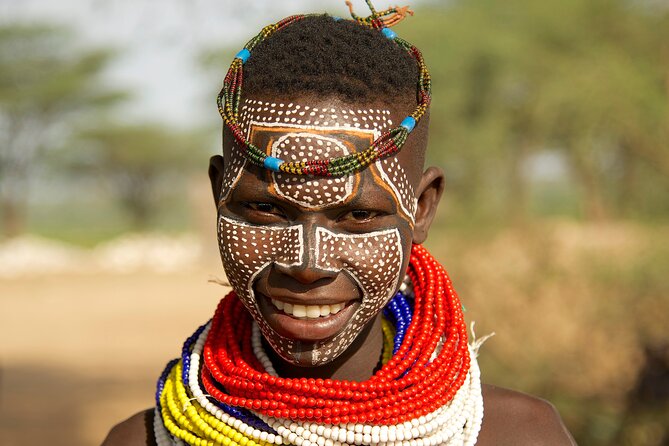
The Omo River Valley compresses remarkable cultural variety into a relatively small part of southern Ethiopia. At least 30 ethnolinguistic groups live in the wider region, and each community has its own dress, body decoration, farming patterns, ceremonies, and visual style.
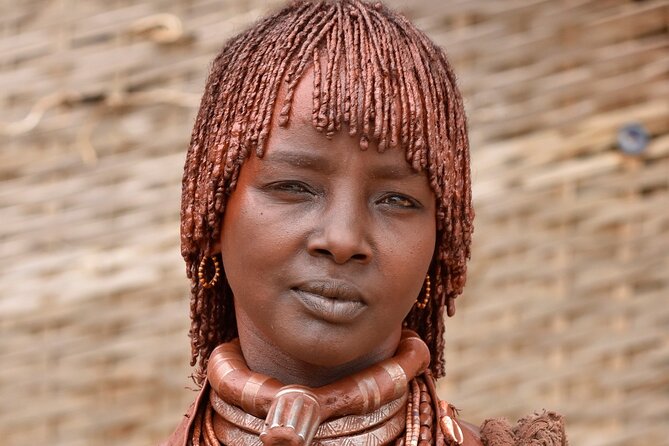
That variety gives you a different subject almost every day. Mursi women are known for clay lip plates. Karo artists paint faces and bodies with clay and plant pigments. Hamer people are associated with elaborate hairstyles and ceremonies. Dassanech clans wear distinctive hair buns, while the Dorze are known for woven cotton and tall, beehive-shaped homes.
I like that the program does not treat the Omo Valley as one large photo stop. It moves through several communities, giving you a chance to compare styles and customs rather than collecting one quick portrait and calling it done.
Photography here also needs care. The program includes a photography fee, but that should not replace simple courtesy. Ask your guide how portraits work in each village, listen when someone declines, and avoid treating people as costume displays. Your best images will come from patience and a respectful exchange, not from rushing through a line of subjects.
A few more photo experiences around the world worth a look
- Bali: Full-Day Instagram Highlights Tour
★ 4.8 · 7,817 reviews - #1 Northern Lights Tour In Iceland from Reykjavik with PRO photos
★ 4.5 · 2,887 reviews - ️ Bali Instagram Tour: The Most Famous Spots (Private & All-Inclusive)
★ 5.0 · 2,857 reviews
Day 1: Addis Ababa, Jinka, and the Ari village
The journey begins with pickup in Bole, Addis Ababa. Before the flight south, you may have time for the National Museum or Merkato, Addis Ababa’s open market. This gives you a choice between a cultural introduction and a more active street scene, although the exact amount of free time depends on the flight schedule.
You then fly from Addis Ababa to Jinka, where the driver meets you at the airport. The first village visit is to the Ari community. This is a useful opening because you begin with people and daily life instead of spending the first day only on roads and hotel transfers.
The Ari visit is listed as a four-hour stop, with no separate admission charge. Details about the exact activities are limited, so I would treat this as an introduction to the region rather than expecting a tightly scripted photography session.
The practical issue is timing. You arrive by air, meet the driver, and then continue to the village on the same day. Keep your camera gear organized and your carry-on light. This is not the place to bury batteries, memory cards, or essential medication at the bottom of a large bag.
Day 2: Mursi portraits and the road to Turmi
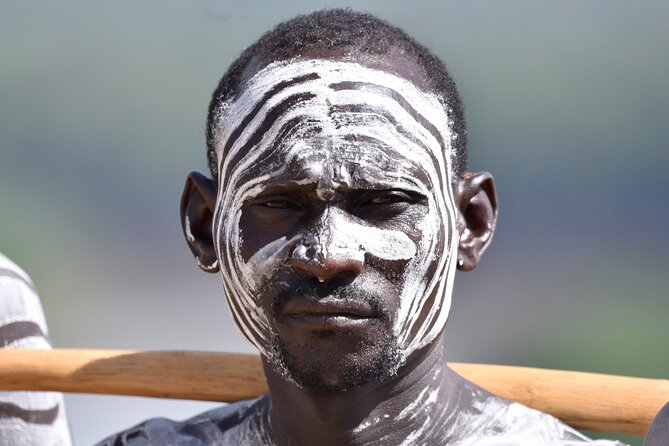
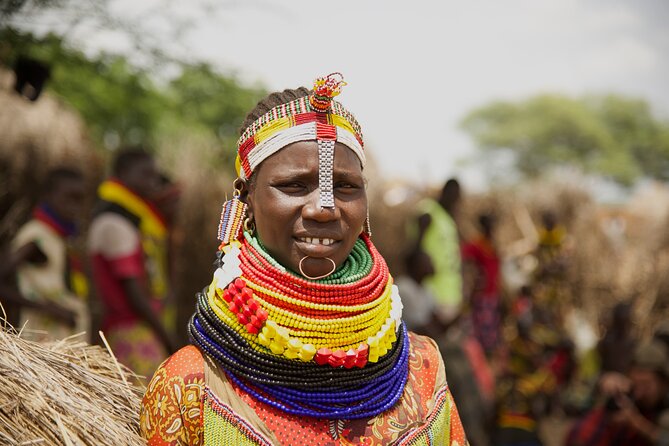
Day two starts early with a drive to Mago National Park and the Mursi highlands. The Mursi are widely recognized for the clay lip plates worn by some women. The program focuses on photographing Mursi culture and tradition, making this one of the central portrait days.
The visual appeal is obvious, but the subject needs context. Lip plates are often presented as the single defining feature of Mursi women, yet a respectful photographer should look beyond one striking detail. Pay attention to clothing, posture, family interaction, tools, and the surrounding highland setting. Ask your guide how to approach portraits so your camera does not turn a cultural practice into a spectacle.
After returning to Jinka for lunch, you continue by road toward Turmi, passing through Dimeka. The route may include Alduba market, depending on timing. This is a long day, listed at about seven hours, so you should expect the road itself to be part of the experience.
Hamer country comes later in the day. The Hamer are known for distinctive hair and body decoration, and the schedule may also include a market visit. The combination of Mursi, a market, and Hamer communities makes this the busiest cultural day, but also the most tiring.
I would pack snacks, water, spare batteries, and a small amount of cash for personal expenses. Lunch, dinner, and breakfast are included for five days, but that does not mean every roadside need is covered.
Day 3: Karo body painting and a possible bull-jumping rehearsal
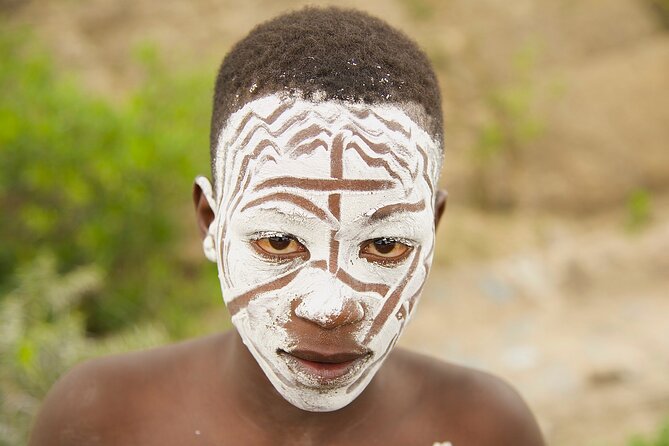
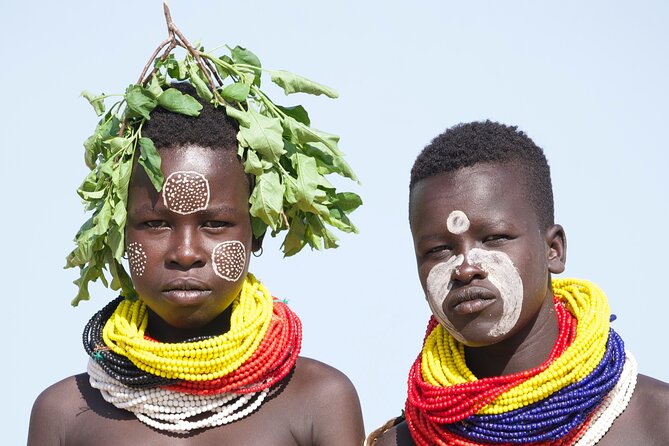
The morning drive leads to Korcho, a Karo settlement. Karo people are known for painting faces, chests, arms, and legs with clay and locally available vegetable pigments. The designs are described as playful and aesthetic, with artists competing to create eye-catching patterns.
This is an excellent setting for photographers who enjoy color, texture, and close portrait work. Karo men may also sculpt or shave their hair into unusual shapes, sometimes adding ochre hair caps and ostrich feathers. Those details give you more than a standard head-and-shoulders portrait. Look for the relationship between body decoration, gesture, hairstyle, and the group around the subject.
The visit is planned for about four hours, followed by a return to Turmi. You may have a chance to photograph a bull-jumping rehearsal or ceremony. The word may matters here. Do not book this trip solely for a guaranteed ceremony, because the timing and availability are not fixed.
This is also a day when a good guide matters. Photography in a village can quickly become awkward if several people point cameras at one subject without explanation. The experience provider charges a photography fee, and you should use the guide to understand what that fee covers and how the local interaction is managed.
Same place, a different kind of shoot:
- Silfra: Fissure Snorkeling Tour with Underwater Photos
★ 4.9 · 2,731 reviews - Paris: Private Photoshoot at the Eiffel Tower
★ 4.7 · 2,636 reviews - The ‘OG’ Manatee Snorkel Tour with In-Water Guide/Photographer
★ 5.0 · 2,539 reviews - Paris: Eiffel Tower Photoshoot
★ 4.7 · 2,351 reviews
Day 4: Crossing the Omo River to Dassanech country
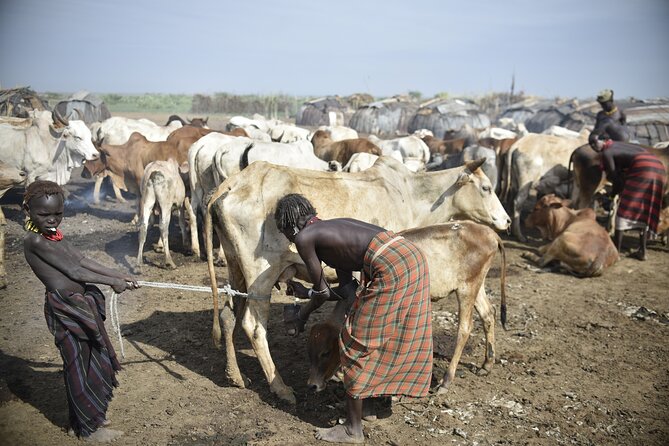
Day four starts early again. You drive to the edge of the Omo River, cross by canoe, and visit a Dassanech village. The crossing is part of the character of the day, but it also means you should keep expensive equipment protected from splashes and handle your gear carefully.
The Dassanech are described as semi-nomadic, with clans extending across southern Ethiopia, Kenya, and Sudan. Their distinctive hair buns provide a strong visual subject, but the broader value of this stop is learning how communities connect across modern borders.
The village visit and return to Turmi take about four hours. The afternoon is intentionally lighter. You can rest or photograph around Turmi. After two early starts and long road stretches, this pause is welcome.
I like this balance. A photography tour can easily become a string of dawn alarms and rushed portraits. The quieter afternoon gives you time to review images, charge batteries, and decide what you still need. If you prefer constant activity, you may find the open time less exciting. If you want to keep your equipment and attention in good shape, it is useful.
Day 5: Arba Minch and Lake Chamo after 3 p.m.
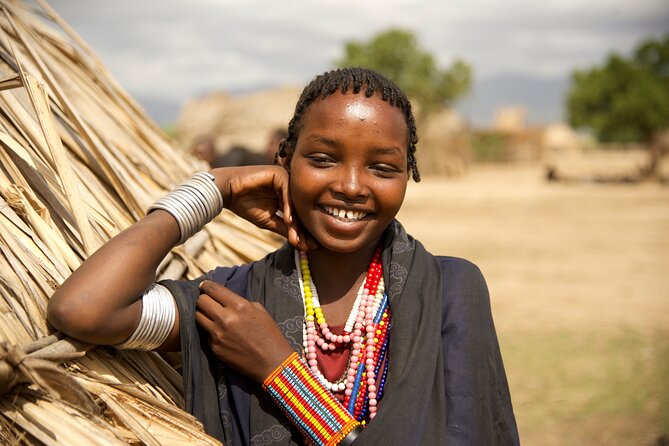
The road then turns toward Arba Minch. This is another transfer day, though the program adds a boat trip on Lake Chamo after 3 p.m. The lake shifts the subject from people to wildlife, which helps keep the six-day program from becoming culturally repetitive.
The northern shore is known for large crocodiles, and the boat trip may also produce views of hippos and aquatic birds. Listed bird subjects include African fish eagles, flamingos, herons, storks, and kingfishers.
For a wildlife photographer, this is a valuable change of pace. You will want a lens suited to animals at a distance, but the supplied information does not specify what equipment is best or how long the boat remains on the lake. Ask before departure about boat timing and photography conditions.
The stop is listed at about four hours and has no separate admission charge. I would not compare it with a full safari. It is a focused lake outing added to a cultural route, and its value lies in variety rather than in a promise of a particular animal sighting.
Day 6: Dorze homes, Chencha, and the return north
The final morning takes you about 40 kilometers northwest of Arba Minch to the Guge Mountains. The visit includes Dorze and Chencha villages.
The Dorze were once warriors and now earn a living through farming and weaving. Their woven cotton cloth is a major part of local identity, giving you a chance to photograph hands, looms, thread, fabric, and finished work instead of focusing only on portraits.
Dorze homes are especially distinctive. They are beehive-shaped structures made from organic material, with small gardens around them growing spices, cabbage, and tobacco. This is one of the strongest architectural stops on the route and gives you a useful final contrast with the body decoration seen earlier in the week.
The day lasts about eight hours and includes lunch before the transfer to Arba Minch Airport. You fly back to Addis Ababa in the late afternoon, then receive a transfer to a hotel for day use so you can wash and change. That small practical detail matters after several days on dusty roads and before an onward flight.
The schedule is full, so do not assume you will have a long evening in Addis Ababa. The final hotel room is for freshening up, not necessarily for a second city tour.
What the $3,312.83 group price really means
The advertised price is per private group of up to seven people. At the maximum size, that works out to about $473 per person before any personal costs. For two people, the same group price becomes much less attractive, at about $1,656 per person.
The value depends on what is actually covered. The package includes an air-conditioned vehicle, village entrance fees, photography fees, five lunches, five dinners, and five breakfasts. It also provides private participation, so your group is not combined with strangers.
The schedule includes flights from Addis Ababa to Jinka and Arba Minch back to Addis Ababa, but the included-cost list does not clearly state that domestic airfare is covered. Confirm this in writing before booking. Also budget for a visa, international flights, personal expenses, tips, and alcohol.
The private format is a major advantage for photographers. You can discuss portrait timing, ask for a short pause, or spend more time checking images without negotiating with a large bus group. The tradeoff is that a small group cannot spread the cost as widely unless you fill most of the seven available places.
Logistics, comfort, and the real pace
Pickup is offered from Bole in Addis Ababa, and the activity ends back at the meeting point. The vehicle is air-conditioned, which is welcome during long transfers. Still, air conditioning does not erase the road time. The seven-hour second day and repeated four-hour drives require patience.
Most travelers can take part, according to the supplied information. The tour is private, which makes it easier to manage your own pace, but the route remains physically and logistically demanding because of early starts, canoe travel, village walking, flights, and long road transfers.
The provider has a record of adapting when plans change. That matters in a remote region where a delayed flight or altered local schedule can affect the rest of the day. Mulugeta is specifically praised for helping organize the trip before arrival, and another account credits Mulle and Captain with strong handling of the journey. Ask who your own lead guide and driver will be.
Free cancellation is available if you cancel at least 24 hours before the start time. Changes or cancellations inside that window are not accepted for a refund, and the experience requires a minimum number of participants. If the provider cancels because that minimum is not met, you are offered another date or experience, or a full refund.
Who should book this Omo Valley experience
I would choose this tour if you want cultural portrait photography, can handle a fast schedule, and value a private vehicle over a relaxed resort-style trip. It suits photographers who want several distinct communities rather than one village visit, and it adds enough wildlife and architecture to keep the subject range broad.
It is less suitable if you need guaranteed ceremony access, dislike long drives, or want many unplanned hours in Addis Ababa. It also may not be good value for a couple unless you are comfortable paying the full private-group rate.
Before booking, ask four direct questions: Are the domestic flights included? What hotel nights are provided? How are portrait fees and local consent handled? Who will guide the group in each area? Clear answers will tell you more about the final value than the headline price.
Should you book it?
Book it if the Omo Valley is a serious photography goal and you can fill several places in the private group. The route covers an impressive range of communities, includes photography and village fees, and adds Lake Chamo wildlife plus Dorze architecture.
Skip it if you want a slow trip or a low-cost package for only one or two people. The strongest case for booking is the combination of cultural variety, private transport, and practical support from the local team. The biggest caution is the pace, so arrive ready for early mornings, long transfers, and a camera bag that is easy to manage.
FAQ
How long is the photography tour?
The experience lasts approximately six days.
Where does the tour begin?
It begins with pickup in Bole, Addis Ababa, Ethiopia.
Where does the tour end?
The activity ends back at the meeting point in Addis Ababa.
How many people can join the private group?
The price covers a private group of up to seven people.
What is the listed group price?
The price is $3,312.83 per group of up to seven people.
Are village entrance and photography fees included?
Yes. Village entrance and photography fees are included.
Which meals are included?
Five breakfasts, five lunches, and five dinners are included.
Does the route include domestic flights?
The schedule includes a flight from Addis Ababa to Jinka and a flight from Arba Minch back to Addis Ababa. The supplied cost details do not clearly confirm whether those flights are included, so you should verify this before booking.
Which cultural communities are included?
The route includes Ari, Mursi, Hamer, Karo, Dassanech, Dorze, and Chencha communities.
Can I cancel for a full refund?
Yes, if you cancel at least 24 hours before the experience start time. Cancellations or changes made less than 24 hours before the start time are not refunded.
Just added around the world
- Professional Photographer in Osaka Kyoto and Kobe★ 5.0 · 2 reviews
- Traditional Japanese Costumes “Kimono”, “Yukata”, “Ryuso”, “Photograph Course “Hair Set & Lipstick & Kimono & Photography”★ 5.0 · 17 reviews
- Private Vacation Photoshoot with Photographer in Myrtle Beach★ 4.0 · 9 reviews
- Hire Photographer, Professional Photo Shoot – Myrtle Beach★ 5.0 · 4 reviews
- Capture Unforgettable Moments: Private Holiday Photography★ 5.0 · 52 reviews
- Photographer, Professional Photo shoot – Mykonos★ 3.0 · 2 reviews
- Private Instagram Tour | Mykonos Most Photogenic Spots★ 5.0 · 4 reviews
- Mykonos Town Greece Photographer★ 5.0 · 16 reviews
Photo Tours & Photoshoots, compared.
#1 Northern Lights Tour In Iceland from Reykjavik with PRO photos
Read our review →
Bali Instagram Tour: The Most Famous Spots (Private & All-Inclusive)
Read our review →
The ‘OG’ Manatee Snorkel Tour with In-Water Guide/Photographer
Read our review →