
Review · PRIVATE PHOTOSHOOTS
Plettenberg Bay: Private Guided Wildlife Photography Tour
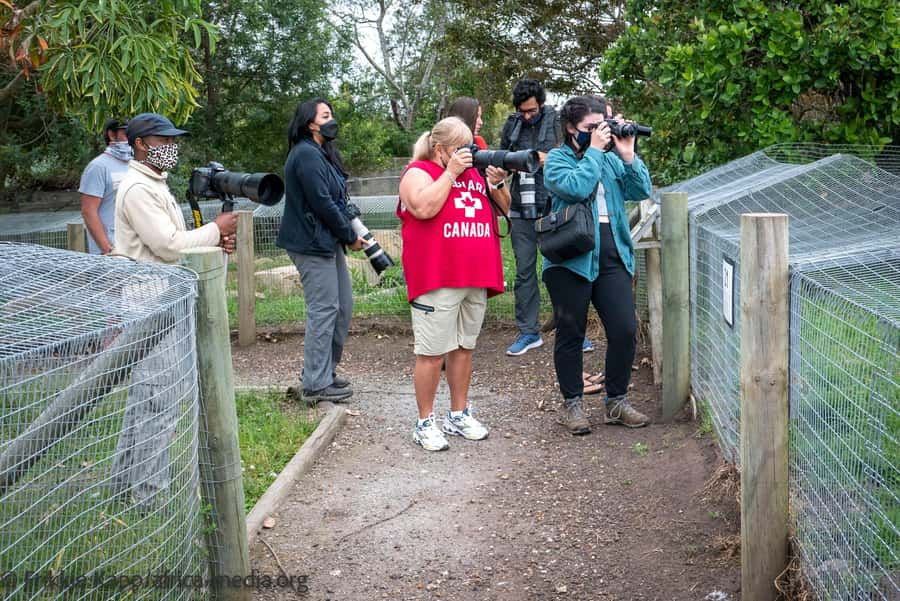
Wild cats make patient subjects. This private Tenikwa tour gives you time to watch and photograph cheetahs, leopards, caracals, servals, and a white lion while learning why conservation work matters. I especially like the private format, which means you are not racing to keep up with a large group, and the chance to return to a favorite cat after the main visit.
The guide-led pace is another strong point. You can stop for photographs and ask detailed questions, as Andrew from the United Kingdom found when guide Davidson allowed plenty of time for pictures and explained how the facility operates. The main consideration is that Tenikwa is a working rehabilitation and awareness center, so the animals in care can change, and this is not a guaranteed checklist of every species.
Key Points at a Glance
- Private photography time: Take pictures without a large group moving through your frame.
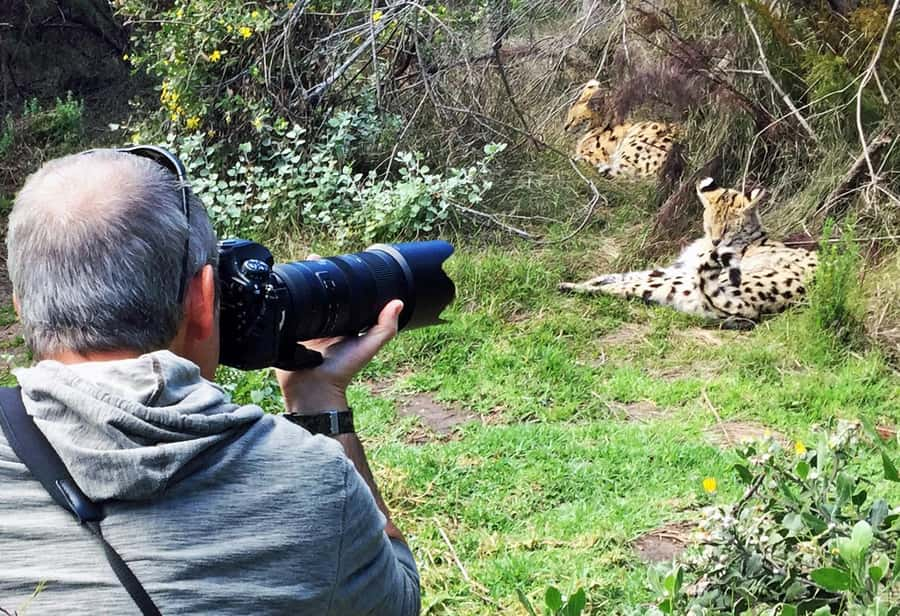
- Wild cats up close: See cheetahs, leopards, caracals, servals, and a white lion, depending on which animals are at the center.
- A conservation-first setting: Learn about non-releasable animals and the challenges facing species such as cheetahs.
- Hands-on enrichment: Take part in a life-enrichment exercise under staff direction, with no touching or feeding.
- Relaxed two-hour visit: The tour includes a safety briefing, guided walking, a short break, refreshments, and a photo stop.
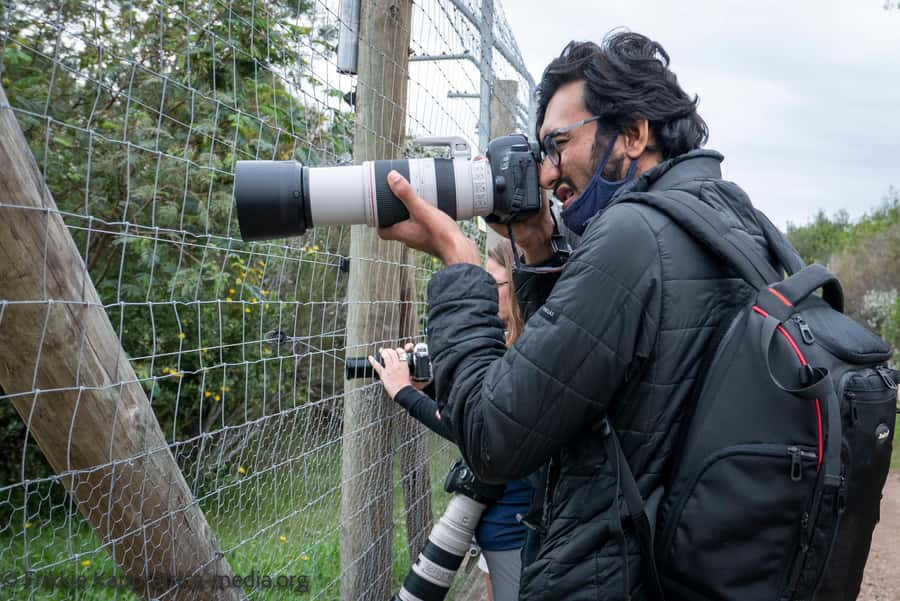
- Useful for serious photographers: Cameras are welcome, but selfie sticks and posing with wildlife are not permitted.
Arriving at Tenikwa Near Plettenberg Bay
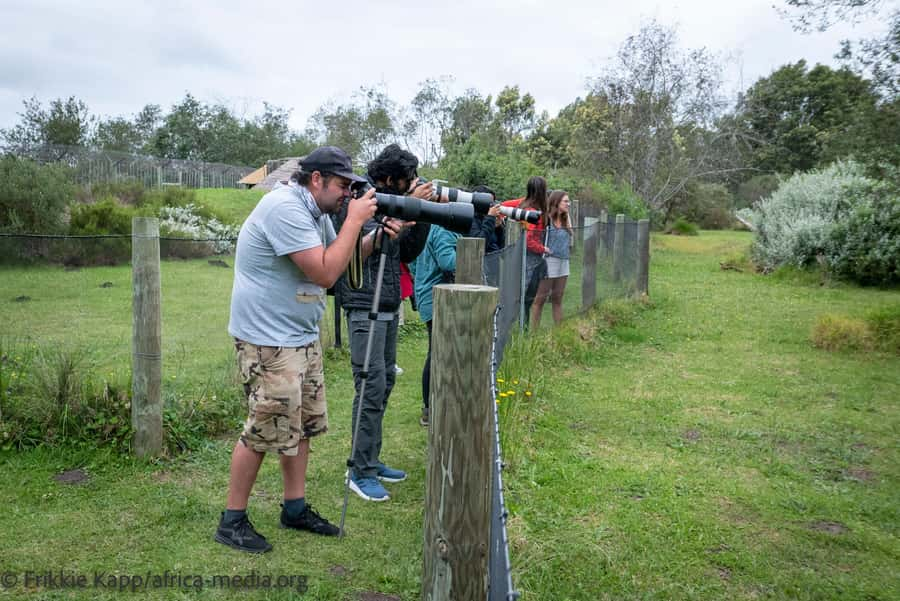
Tenikwa Wildlife Rehabilitation and Awareness Centre is reached from the N2 using the turnoff marked Tenikwa, Monkeyland, and Elephant Sanctuary. At Animal Alley, keep left toward Tenikwa, drive past Kurland Village, then keep right at the fork and continue to the entrance.
You check in at Tenikwa Reception, where parking is available. Arrive 15 minutes early. That extra time matters because the tour begins with a short safety briefing, and you will want to get settled before heading into the animal areas.
The center is in Western Cape countryside, but this is not a safari drive. You walk between enclosures and viewing areas with a personal guide. Wear comfortable shoes, light comfortable clothing, a sun hat, and sun protection lotion. Lock valuables and backpacks in your vehicle, since you are specifically advised not to take them along.
The tour is wheelchair accessible. English is the listed tour language, and the private format is useful if you want to ask questions at your own pace or need the guide to adjust the rhythm of the walk.
More Photography Tours in South Africa:
- Peninsula Photography Tour
★ 5.0 · 23 reviews - Cape Town Photo Walk & City Tour
★ 5.0 · 7 reviews - Tromso: Northern Lights Photography Tour
★ 4.2 · 843 reviews
The Safety Briefing and Conservation Introduction
The first formal stop takes about five minutes and covers the rules for moving around the animals. The key points are simple: do not touch or feed wildlife, do not use selfie sticks, and do not pose with animals.
Those rules are worth taking seriously. A close photograph is still possible without turning the experience into a staged animal encounter. Your camera may come with you, but the center sets the terms for safe viewing.
Your guide also introduces Tenikwa’s conservation work through an educational video. This gives useful context before you meet the animals. You learn that some of the cats cannot return to the wild and now have permanent homes at the center. That distinction changes how you look at the enclosures. This is not a place promising a dramatic release story for every animal. Some cats are here because a safe return is no longer possible.
The conservation discussion is one of the best reasons to choose a private tour instead of simply walking through on your own. You can ask about the animals in front of you, the work done at the facility, and broader concerns such as declining cheetah numbers.
Meerkat Meander: A Small Start to the Tour
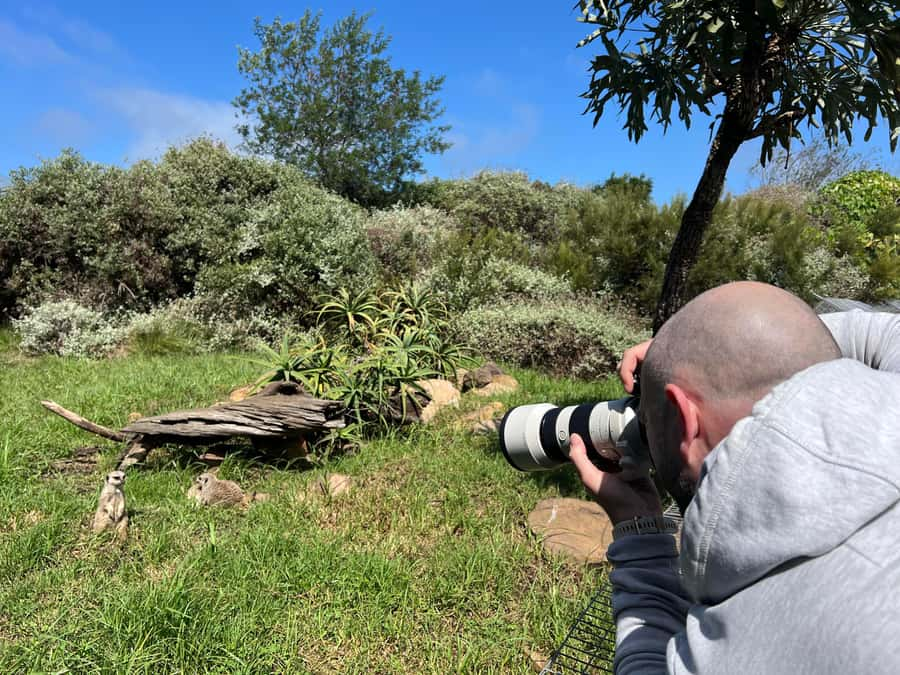
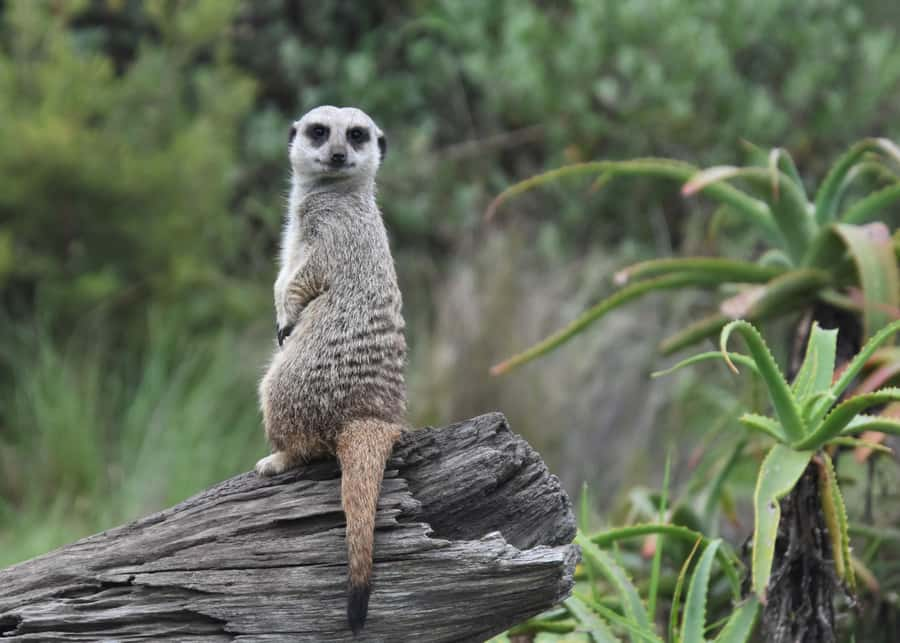
The first animal area is the Meerkat Meander. The meerkats here were confiscated and have found a permanent home at Tenikwa.
Meerkats are smaller and less imposing than the big cats, but they provide a useful opening to the visit. You begin by seeing how the center cares for animals that cannot be returned to ordinary wild conditions. The stop also gives you a chance to settle into the walking pace before the cats become the main subject.
For photography, keep your camera ready but remain patient. Small animals can move quickly, and your guide can help you understand what you are watching. The private group means you do not have to surrender your position immediately if you are waiting for a better view.
Finding the Leopard in the Walkway
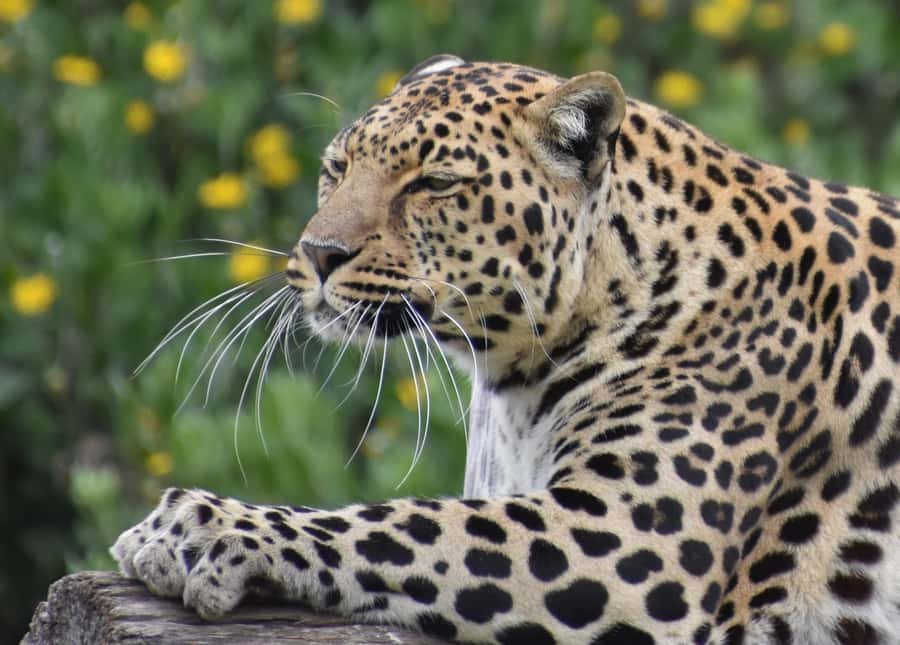
The leopard section asks you to look closely. Leopards are well camouflaged, and Tenikwa uses that natural ability to make the viewing feel like a search rather than a simple display.
Your guide leads you into the leopard walkway and helps you locate the animal. This is a strong moment for anyone who enjoys wildlife photography because the challenge is not just getting close. You must notice shape, movement, and pattern, then wait for a clear view.
The private setting helps here. A large group can make it harder to pause, reposition, or wait for the leopard to emerge from cover. On this tour, you can spend more time watching and asking questions. Still, you should not expect a guaranteed portrait with the leopard looking directly at the camera. The animal may be partly hidden, and that is part of the appeal.
The experience also makes a useful point about wildlife itself. A leopard does not need a dramatic enclosure or theatrical behavior to hold your attention. Its camouflage does the work.
More Private Photoshoots in South Africa:
- Private Group Photoshoot in Cape Town
★ 5.0 · 21 reviews - Private Couple,Family&Group Photoshoot Session in Cape Town
★ 5.0 · 2 reviews - ️ Bali Instagram Tour: The Most Famous Spots (Private & All-Inclusive)
★ 5.0 · 2,857 reviews - Paris: Private Photoshoot at the Eiffel Tower
★ 4.7 · 2,636 reviews
Cheetahs and the Conservation Conversation
The cheetahs come next, with the guide explaining why their numbers are diminishing in the wild. This adds weight to what could otherwise be a straightforward photo stop.
Cheetahs are famous for speed, but you will likely spend more time observing their appearance and behavior than seeing a sprint. That is fine. The value here is learning how a species can be celebrated by the public while still facing serious pressure in natural habitats.
The guide’s explanations are central to the visit. Albert from Switzerland described the guiding as exciting and well informed, while a United Kingdom rating called the experience educational and enjoyable. Those comments fit the design of the tour: you are not simply pointed toward animals and left to take pictures. You are encouraged to connect the individual cat with the conservation problems affecting its species.
For photography, this may be one of the better sections for taking your time. You can watch the cats, listen to the explanation, and wait for a useful angle. The private booking is especially helpful if one member of your party wants pictures while another prefers to ask questions.
Photographing White Lions, Caracals, and Servals
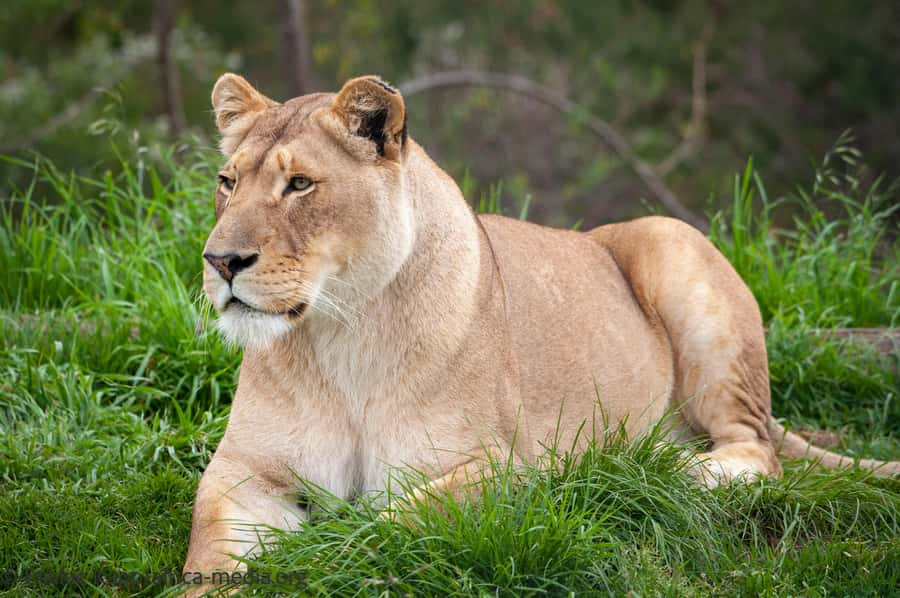
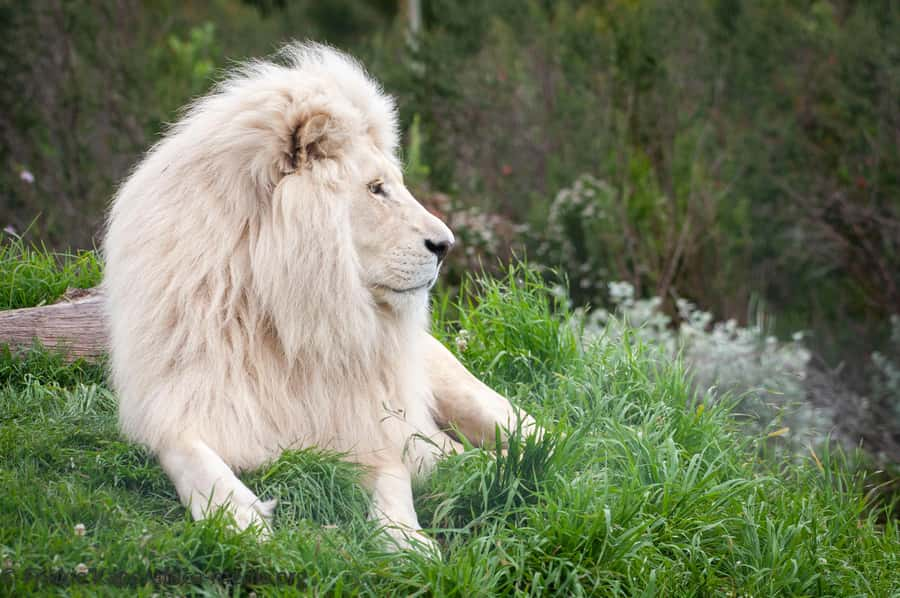
Tenikwa provides opportunities to photograph several of South Africa’s wild cats, including white lions, cheetahs, leopards, caracals, and servals. The exact animals available can depend on which cats are being cared for at the time, so think of the species list as a guide to the center’s residents, not a promise that every animal will appear in a particular pose.
The cats also differ greatly in size and character. A white lion makes a powerful visual subject, but caracals and servals reward closer attention to details such as ears, markings, and posture. You may find that the smaller cats are more challenging to photograph because they can be less obvious within their surroundings.
Some enclosures can be entered when it is safe to do so. This brings you closer to the animals, but it does not mean hands-on contact. No touching is allowed. That boundary is important, both for safety and for keeping the interaction focused on observation rather than entertainment.
The center also includes a life-enrichment exercise with non-releasable animals. The activity gives you a way to support natural behavior under staff supervision, but you should follow instructions carefully and avoid treating it as a feeding or petting session.
The High Lion Walkway
The tour finishes with a walk high above the magnificent white lion on the lion walkway. This gives you a different viewing angle from the ground-level enclosures and may be especially useful for photography.
The elevated position lets you look down into the enclosure rather than viewing the lion only through a side perspective. It also creates a calmer final chapter to the visit. After the earlier search for the leopard and the discussion of cheetah conservation, the white lion provides a memorable closing subject.
You are not promised a staged reaction or a perfect photograph. The best approach is to watch first, then take pictures when the animal is in a clear position. Your guide can explain more about the cat while you wait.
Why the Private Format Matters for Photography
The $41 per person price is reasonable if you care about photography and conversation rather than simply checking off a wildlife attraction. The main value comes from time and control. You have a personal guide, a private group, and the option to revisit one section after the main program.
That last option is unusually practical. If your favorite subject was the leopard, white lion, or one of the smaller cats, you can return to one part of the program instead of leaving as soon as the scheduled route ends. The ability to take photographs without someone constantly walking through your frame is another clear benefit.
A private tour will not transform the animals into predictable models. Lighting, camouflage, movement, and enclosure position still affect your pictures. What it does is give you better conditions for waiting and trying again.
The price also includes entrance to the center and the guide. Food and drinks are not included, though the schedule provides coffee and local snacks during the break. Hotel pickup and drop-off are not included either, so you need to make your own way to Tenikwa.
The Break, Coffee, and Final Photo Stop
The planned schedule includes a 15-minute break, followed by about 10 minutes for coffee and local snacks. This gives your feet a rest after the main walking section and creates an easy moment to continue the conversation with your guide.
There is also a short photo stop and a final chance to look around. The schedule lists roughly 10 minutes for this part, followed by about 10 minutes for shopping. If you want a souvenir, you have time to browse before leaving, but shopping is a small part of the experience rather than its focus.
The stated duration is approximately two hours, with the overall booking information also giving 150 minutes. Allow around two to two and a half hours on site, especially if you make use of the revisit option. Starting times vary, so check availability when booking.
What the High Rating Tells You
The experience has a 4.9 rating from 49 ratings, with especially strong praise for the guides, the educational side, and the time available for photography.
Davidson received particular praise for explaining the facility and allowing ample time for pictures. Another visitor booked the private tour as a birthday gift and appreciated being able to watch the animals close up without having to hurry or share the frame with a moving group. The guide also introduced details that the party had not known before.
A separate account described the center as a working conservation establishment and noted that the animals present depend on which creatures are in care at the time. That is an important point to keep in mind. The tour is strongest when you value the setting and the chance to learn, not when you demand a fixed animal lineup.
The high marks do not remove the practical limits. There is no touching, no feeding, no selfie-stick photography, and no posing with wildlife. You also need to drive yourself to the center. Those rules will suit some people perfectly and disappoint anyone looking for a more theatrical animal encounter.
Who Should Book This Tour?
I would recommend this tour to wildlife photographers, couples, families with a strong interest in animals, and anyone who prefers a slower private visit. It also suits people who want a guide-led experience but do not want to spend a full day on safari.
It is especially useful if you want to discuss conservation issues rather than just take pictures. The private format lets you ask direct questions and spend more time at the animals that interest you most.
I would think twice if your main goal is to touch, feed, or pose with wildlife. Tenikwa does not allow those activities, and the animal lineup can change. The center’s purpose is rehabilitation, awareness, and care for animals that cannot be released, so your expectations should match that mission.
Book it if a close, respectful look at South Africa’s wild cats sounds more appealing than a fast-moving attraction. At $41 per person, the personal guide, private group, conservation explanation, photo time, and chance to revisit a favorite animal make it good value for the right audience.
FAQ
Where does the tour begin?
The tour begins at Tenikwa Wildlife Rehabilitation and Awareness Centre. Check in at Tenikwa Reception after following the signed route from the N2.
How long does the tour last?
The tour is approximately two hours. The booking information also gives a duration of up to 150 minutes, including the scheduled break, refreshments, photo stop, and shopping time.
What animals can I see?
The tour provides opportunities to see and photograph white lions, cheetahs, leopards, caracals, servals, and meerkats. The animals in care can change because Tenikwa is a working rehabilitation center.
Is the tour private?
Yes. It is offered as a private group tour with a personal English-speaking guide.
Can I take photographs?
Yes. Cameras may be taken on the tour, and there are several opportunities for wildlife photography. Selfie sticks are not allowed, and posing with wildlife is prohibited.
Can I touch or feed the animals?
No. Touching and feeding wildlife are not allowed. Some enclosures may be entered when it is safe, but close proximity does not include physical contact.
Is hotel pickup included?
No. Hotel pickup and drop-off are not included. You need to travel to Tenikwa Wildlife Rehabilitation and Awareness Centre yourself.
Is the tour wheelchair accessible?
Yes. The activity is listed as wheelchair accessible. Comfortable shoes, comfortable clothing, a sun hat, and sun protection are advised.
More Wildlife Trips around South Africa
- Everglades: Birding, Wildlife, and Photography Expedition
★ 4.6 · 38 reviews - Sunset Wildlife Tour (Wildside 4×4 Tours)
★ 5.0 · 36 reviews - Kos Wildlife Walks: birdwatching and animal photography
★ 5.0 · 31 reviews - Longyearbyen: Wildlife Safari & Hiking Photography Tour
★ 4.4 · 27 reviews
Just added around South Africa
- Photoshoot in Cape Town’s most Gorgeous Locations★ 5.0 · 2 reviews
- Cape Of Good Hope Instagram Small Group Tour with Penguins★ 5.0 · 49 reviews
- 1 Hour Cape Town City Center Photoshoot Experience★ 5.0 · 19 reviews
- Cape Town Photo Walk & City Tour★ 5.0 · 7 reviews
- Private Group Photoshoot in Cape Town★ 5.0 · 21 reviews
- Quad Bike (ATV) with PHOTOSHOOT★ 4.5 · 42 reviews
- SandBoarding in Capetown + PhotoShoot★ 4.0 · 5 reviews
- Peninsula Photography Tour★ 5.0 · 23 reviews
Private Photoshoots, compared.
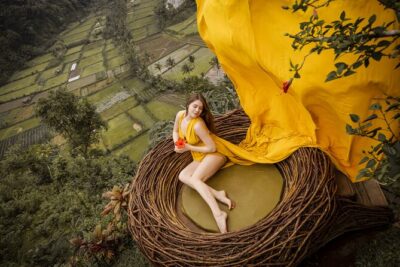
Bali Instagram Tour: The Most Famous Spots (Private & All-Inclusive)
Read our review →
NYC Professional Photoshoot and Walking Tour with Private Guide
Read our review →
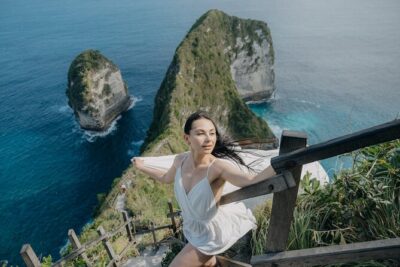
Nusa Penida Instagram Tour: The Most Famous Spots (Private All-Inclusive)
Read our review →Browse the lists this shoot appears in