
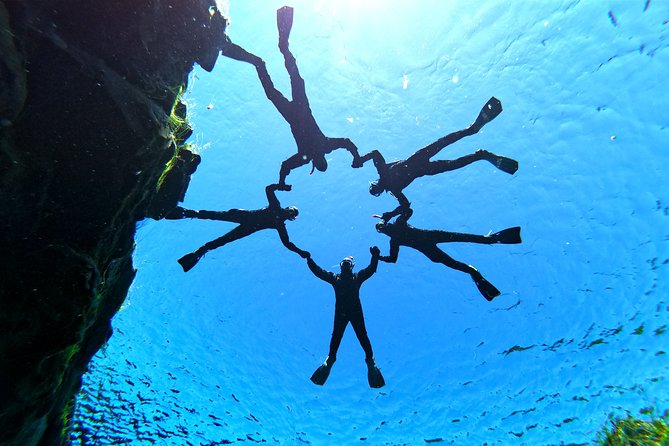
Review · SNORKELING
Silfra Wetsuit Snorkeling – Meet on Location | Free Photos
Cold water, astonishing clarity, real geology. Silfra snorkeling gives you a close look at a UNESCO World Heritage Site inside Thingvellir National Park, where glacial water fills a fissure between the North American and European plates. I like the small groups of six and the included underwater photos, which let you focus on floating through the canyon instead of managing a camera.
I also like the careful preparation from PADI-certified guides such as Alex, Inigo, Jane, Dory, and Kaja. They help with the bulky gear and nervous moments. The catch is simple: the water is about 2 C, your hands and face may feel cold, and a drysuit can be tight and awkward until you learn how it moves.
Key things to know before snorkeling Silfra
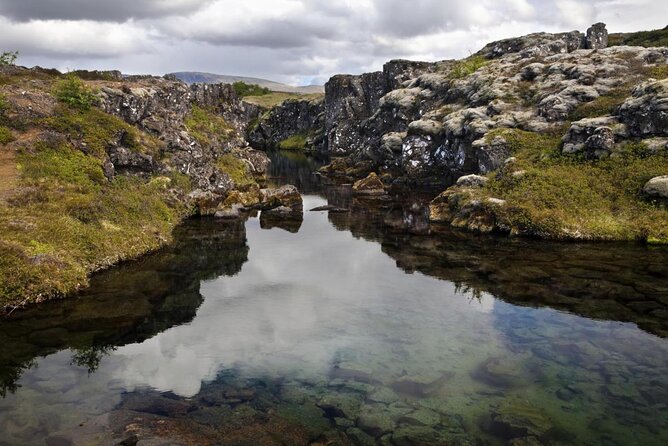
- Visibility can exceed 100 metres: The clear glacial water is the main attraction, with views through narrow rock channels and open sections of the fissure.
- You meet at Thingvellir, not central Reykjavik: Drive to the Silfra Adventure Vikings meeting point near parking area P5.
- Groups are limited to six people: One guide handles one group, though up to three groups may be present at the site.
- The water stays around 2 C: A drysuit keeps most of your body dry, but your hands, face, and feet still need sensible protection.
- Photos and hot chocolate are included: You receive around 40 to 100 downloadable underwater photos after a few days, followed by a warm drink.
- You must meet firm physical requirements: Participants must know how to swim, communicate in English, and fit within the stated height and weight limits.
Why Silfra is worth leaving Reykjavik for
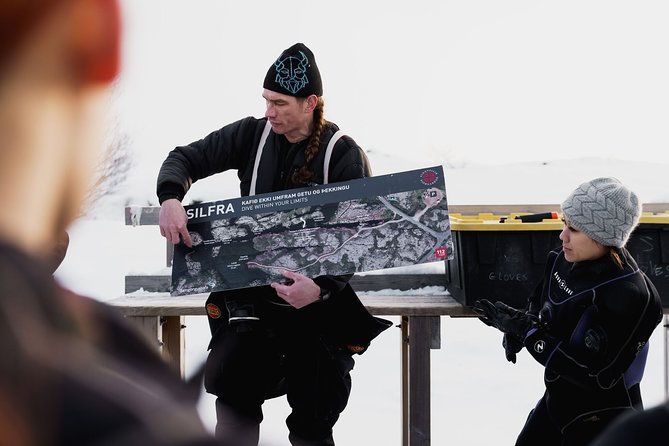
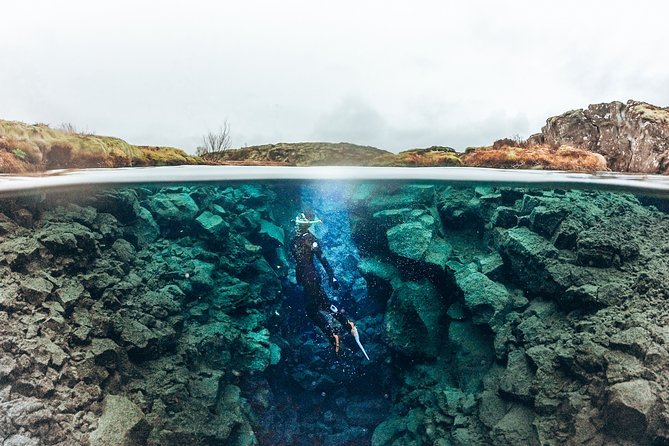
Silfra is not an ordinary snorkeling stop. The water begins as meltwater from a glacier about 50 kilometres away, then travels underground before filling a crack in the earth at Thingvellir. It is filtered through porous rock along the way, which helps explain the remarkable clarity.
The fissure sits in a rift valley between the North American and European tectonic plates. That makes the setting special, but keep the popular description accurate: you do not physically touch both plates during the swim. The plates are separated by roughly 6 to 7 kilometres in this area and continue moving apart by about 2 to 3 centimetres each year.
For me, the appeal is the combination of geology and sensation. You are floating in water cold enough to demand serious equipment, yet the water is so clear that it can feel almost unreal. You may see down roughly 42 metres in some sections, while the best visibility can exceed 100 metres.
The $140 price is not cheap for a three-hour activity, but it covers the guide, equipment, wetsuit or drysuit use, underwater photos, and hot chocolate. You are also paying for a safety-focused setup in a difficult environment. I see reasonable value if snorkeling Silfra is high on your Iceland list. It is less convincing if you are only mildly interested in swimming or dislike cold water and restrictive clothing.
A few more photo experiences around Reykjavik worth a look
- Silfra Fissure Snorkeling From Reykjavík – Free Underwater Photos
★ 4.5 · 379 reviews - Private Silfra Snorkeling 6 p. group – Meet on Location – with Underwater Photos
★ 5.0 · 157 reviews - Silfra Wetsuit Snorkeling Tour with Underwater Photos – From Reykjavik
★ 5.0 · 123 reviews
Meeting at Thingvellir and finding the right parking area
This is a meet-on-location activity. You need to make your own way to Silfra Adventure Vikings at Thingvellir, using the listed meeting point near parking area P5. The starting point is in Thingvellir National Park, not in central Reykjavik, so allow enough time for the drive and parking.
Once you arrive, look for the snorkel and diving vans. Your guide checks you in, explains how the session will run, and collects the height, weight, and age information required for the equipment and safety paperwork.
The tour ends back at the same meeting point. There is no food included, and clothing suitable for Icelandic weather is your responsibility. Bring outdoor layers and waterproof clothing for the time spent above water. Jeans and high heels are poor choices here.
Getting suited up for 2 C water
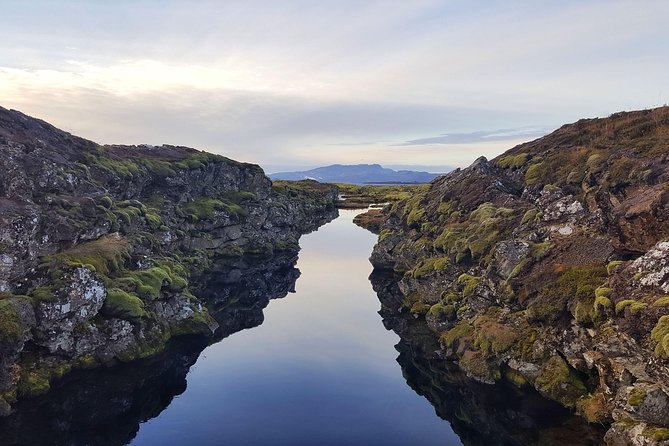
The preparation is a major part of the outing. First you put on your snorkeling equipment and protective suit. Then your guide gives a safety briefing before you enter Silfra.
For the wetsuit option, wear your swimsuit underneath and bring thick socks. Wetsuits let you move more naturally than drysuits, and one useful benefit is that you can swim lower in the water more easily. The tradeoff is that the cold is more noticeable.
A drysuit keeps you mostly dry and is the more comfortable choice for many people in such cold water. It also makes you more buoyant, so you generally stay near the surface. That is fine for seeing the fissure, but it can make body control less natural. Some people find the neck and wrist seals uncomfortable, and an oversized suit can make floating and steering harder.
Wear long thermal underwear and thick wool socks under a drysuit. Bring a complete change of clothes in case the suit leaks, although the chance is described as small. Your hands and face remain the weak points for warmth, so do not expect the suit to make the entire outing feel warm.
The guides receive repeated praise for this stage because they help with straps, seals, and the first awkward movements. Alex is noted for making people feel comfortable, while Jane helped a nervous first-time drysuit user continue with confidence. That personal support matters more here than a polished speech.
Entering Silfra and moving through the fissure
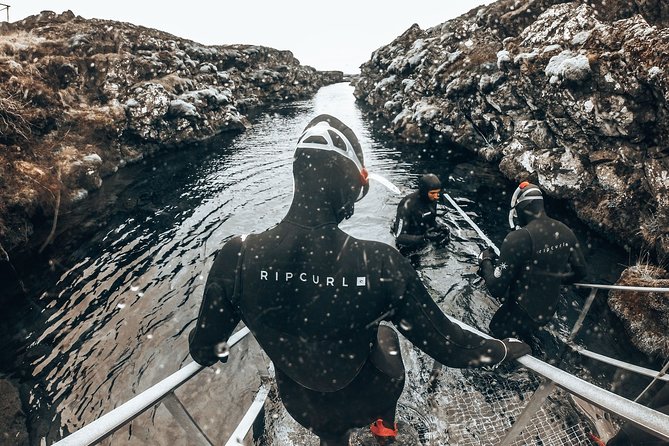
After the safety talk, you enter Silfra with your guide. The swimming section lasts about 30 to 40 minutes. You are not racing from one end to the other. The pace allows you to look down through the clear water, adjust your position, and keep up with the group.
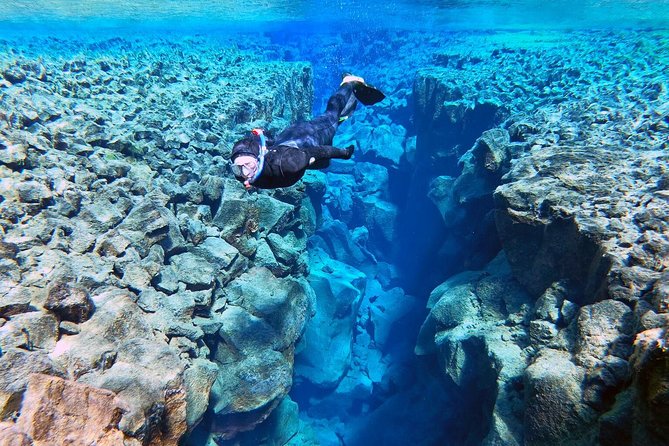
The setting changes as you move through the fissure. You may pass between rock walls, float over darker depths, and enter wider sections where the water seems to disappear below you. The clarity is the star, not colorful marine life. This is freshwater snorkeling in a geological crack, so expect rock, clean blue-green water, and dramatic depth rather than fish or coral.
The guide remains with the group and watches how everyone is coping. That matters because swimming in a mask and suit can feel different from a normal pool session. Dry suits add bulk and buoyancy, while wetsuits can feel cold at first. You need to be able to swim without assistance and feel comfortable in water.
Your guide also adds context about the park and the fissure as you go. Ines, for example, was praised for explaining both the geology and the scenery while still helping nervous participants. The strongest part of the tour is not just the view. It is having someone nearby who knows how to manage the equipment and keep the group moving safely.
Same place, a different kind of shoot:
- #1 Northern Lights Tour In Iceland from Reykjavik with PRO photos
★ 4.5 · 2,887 reviews - Reykjavik: Glacier Hike, Waterfalls and Black Sand Beach
★ 4.8 · 1,285 reviews - Snorkel the Silfra Fissure-Meet on Location (Free Photos & Cocoa)
★ 4.5 · 456 reviews - Northern Lights: 4×4 Adventure with Treats, Photos & Cocoa
★ 4.4 · 436 reviews
What the guide and group size change
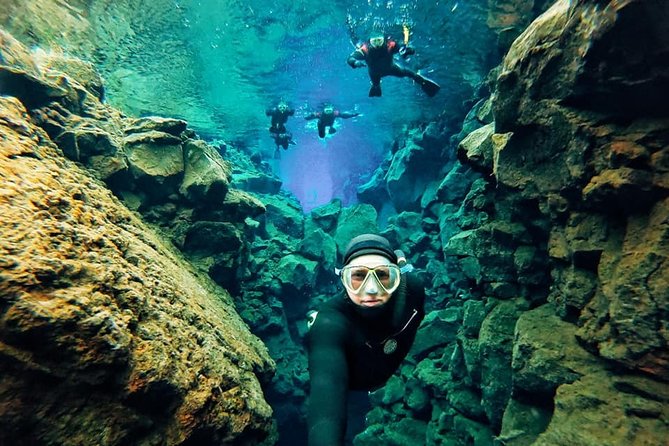
The maximum group size is six people per guide. Up to three separate groups may be at the activity at once, so this is not a completely private outing. Still, six is a useful limit. You are less likely to feel rushed, and the guide can pay attention to individual comfort.
The staff includes PADI Divemasters, instructors, or equivalent guides. Names that come up in the supplied material include Alex, Inigo, Jane, Dory, Kaja, Ines, and Fernando. The consistent praise is directed at calm instruction, humor, and help with the suits.
That is especially useful for families and first-time snorkelers. The minimum age is 12, and anyone over 65 needs a physician’s approval. Children or older participants should be comfortable with cold water, restrictive equipment, and swimming for the full session.
One poor experience also points to an important limit. The operator carries standard suit sizes from XS through 4XL, but not custom-made suits. The stated limits are a minimum height of 150 centimetres and maximum height of 200 centimetres, with a minimum weight of 50 kilograms and maximum weight of 120 kilograms. Provide your age, height, and weight when booking so the operator can check the fit before you arrive.
Underwater photos and the final hot chocolate
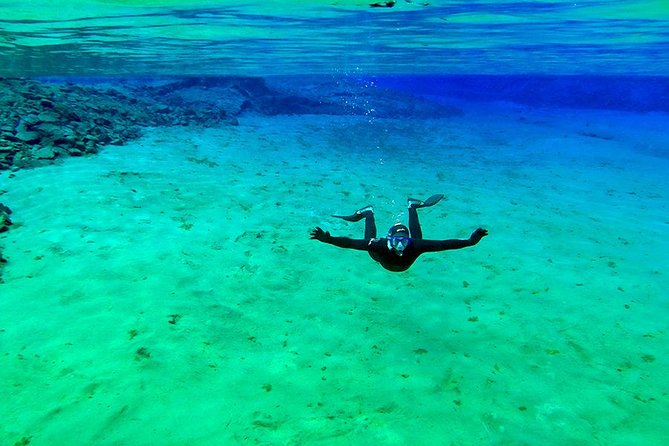
You do not need to carry a camera. The guide takes photos during the swim, normally producing about 40 to 100 images depending on group size and how comfortable everyone is in the water. The files are downloadable after a few days, and there is no extra commission charge.
This is a practical perk. Cold hands, bulky gloves, and a tight schedule make personal photography difficult. The included images also capture the odd visual effect of people floating above deep, clear water. Photo numbers vary, so do not treat the upper figure as a promise.
After you leave the water and change, you get hot chocolate. It is a small inclusion, but it makes sense after 30 to 40 minutes in a 2 C fissure. The warm drink does not replace proper clothing, though. Bring layers for the changing period and the walk around the site.
Eat breakfast before the activity. There is no food included, and snorkeling in cold conditions is not the time to start the day hungry.
The biggest practical drawbacks
The cold is the obvious issue, but it is not the only one. Getting dressed can be uncomfortable, especially with a drysuit. The neck and wrist seals must be snug to keep water out, and the suit can feel tight or restrictive.
You may also find that your hands and face become cold even when the rest of your body stays comfortable. Some people report that the water itself feels less unpleasant than getting out and changing afterward. Winter wind can make that transition harder, so dress for the weather and bring dry clothes.
A drysuit can also reduce your control in the water. It keeps you buoyant and near the surface, which suits many people, but it limits the sensation of swimming down. A wetsuit offers more freedom to move lower, yet it exposes you to more cold.
The activity is also not suitable for everyone. You cannot wear glasses unless you use contact lenses or bring your own prescription mask. You must be comfortable in water, know how to swim, and communicate in English. Anyone with concerns should check the medical statement on the ticket before arriving and complete the required medical form.
Finally, the claim about two continents needs sensible expectations. You are in a fissure between tectonic plates, not standing with one hand on Europe and one hand on North America. The actual geology is more interesting than the souvenir version, but it is less theatrical.
Who will enjoy this three-hour outing
I would recommend Silfra to you if you enjoy unusual natural settings, can handle cold conditions, and want one focused activity rather than a full-day sightseeing tour. It suits confident swimmers, couples, families with older children, and anyone interested in Iceland’s geology.
It is particularly good for a small group that wants guide support without a large coach-tour feel. The included photos are useful for families, since nobody has to stay out of the water to take pictures.
I would be cautious if you dislike tight clothing, have trouble swimming in open water, or expect a relaxed warm-water snorkeling session. You should also think carefully if you fall near the height or weight limits, since the operator does not provide custom suits.
For a first-time drysuit user, nerves are normal. Guides such as Dory, Jane, and Alex seem to make a real difference, but no guide can remove the physical feel of the equipment. Expect a short learning period while you work out how the suit floats and how to turn.
Booking, timing, and cancellation details
The activity lasts about three hours and is offered in English. It is commonly booked around 39 days ahead, so reserve early if your Iceland schedule is tight. The mobile ticket is convenient, but you still need to reach the meeting point independently.
Free cancellation is available up to 24 hours before the start time for a full refund. Changes or cancellations inside 24 hours are not accepted for a refund. Poor weather or failure to reach the minimum number of participants can lead to a different date, another experience, or a full refund.
Should you book Silfra snorkeling?
Book it if you want a rare combination of clear glacial water, unusual geology, and a small guided group. The water clarity is the reason to go, while the guide, photos, and hot chocolate make the cold conditions easier to manage.
Skip it if you want warm, easy snorkeling or dislike restrictive suits. Before paying, check your height, weight, age, swimming ability, and medical eligibility. Bring thick socks, thermal layers for a drysuit, a swimsuit, towel, spare clothes, and weatherproof outerwear.
For the right person, this is one of Iceland’s most distinctive short activities. Just arrive expecting a cold geological swim, not a warm-water reef trip or a literal chance to touch two continents.
FAQ
Where does the Silfra snorkeling tour meet?
You meet at Silfra Adventure Vikings near parking area P5 in Thingvellir National Park. The activity ends back at the same meeting point.
How long does the activity last?
The full activity lasts approximately three hours. You spend about 30 to 40 minutes in the water.
How cold is the water at Silfra?
The water temperature is about 2 C, or 35 F. A drysuit keeps most of your body dry, but your face, hands, and feet may still feel cold.
Is snorkeling equipment provided?
Yes. Snorkeling equipment and either a wetsuit or drysuit are provided, along with the guide’s instruction and safety briefing.
Are underwater photos included?
Yes. The guide takes underwater photos, normally around 40 to 100 images depending on the group and conditions. They are available to download after a few days.
Who can participate?
Participants must know how to swim, feel comfortable in water, and communicate in English. The minimum age is 12, participants must be between 150 and 200 centimetres tall and between 50 and 120 kilograms, and anyone over 65 needs physician approval.
What should I bring?
Bring a swimsuit, towel, thick socks, weather-appropriate clothing, and a change of clothes. Long thermal underwear and thick wool socks are recommended under a drysuit. Do not wear glasses unless you use contact lenses or have a prescription mask.
Just added around Reykjavik
- Reykjavik: Northern Lights Tour with Private Photographer★ 4.0 · 10 reviews
- Northern Lights Private Guided Tour With Professional Photos★ 5.0 · 35 reviews
- Private Secret Spots of Iceland Full day Tour with Photography by Luke★ 5.0 · 54 reviews
- Reykjavik Private Northern Lights Tour with Pro Photographer★ 5.0 · 72 reviews
- 4×4 Reykjavik Northern Lights Tour with Photographer — Aurora RVK★ 4.0 · 89 reviews
- Silfra Wetsuit Snorkeling Tour with Underwater Photos – From Reykjavik★ 5.0 · 123 reviews
- Private Silfra Snorkeling 6 p. group – Meet on Location – with Underwater Photos★ 5.0 · 157 reviews
- Reykjavik: Northern Lights Tour w/Pro Photos – Small Group★ 4.8 · 400 reviews
Snorkeling, compared.
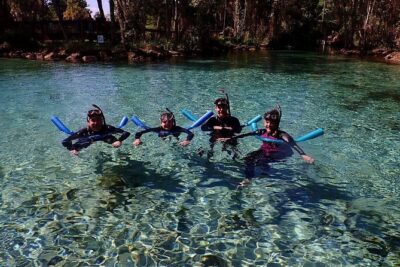
Guided Small Group Manatee Snorkeling Tour with In-Water Photographer
Read our review →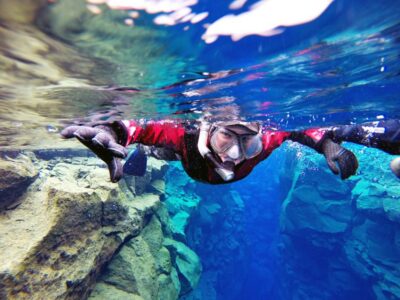
Silfra: Half-Day Snorkeling Day Trip with Underwater Photos
Read our review →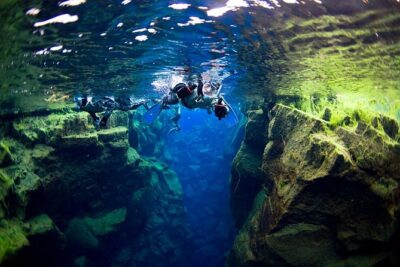
Silfra Fissure Snorkeling From Reykjavík – Free Underwater Photos
Read our review →
BUBA-Kayak Tours Rovinj FREE-drinks,pictures,snorkeling equipment
Read our review →
Private Silfra Snorkeling 6 p. group – Meet on Location – with Underwater Photos
Read our review →
Silfra Wetsuit Snorkeling Tour with Underwater Photos – From Reykjavik
Read our review →
Pula: Kayak Tour, Cliff Jumping, Snorkeling & GoPro Pictures
Read our review →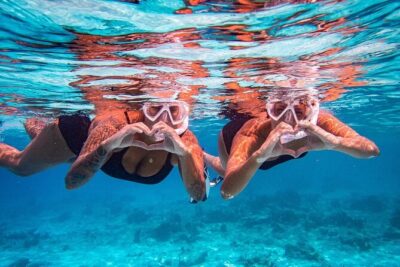
VIP Private Snorkeling Tour with Underwater Photos
Read our review →Browse the lists this shoot appears in