
Review · FOOD
Unlock Delhi’s Secrets: Food and Photography Full Day Tour
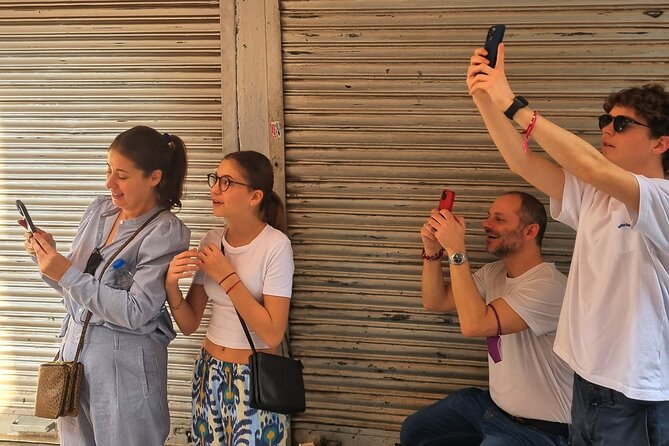
Delhi wakes up loudly. This seven-hour outing pairs Old Delhi street food with photography, moving from a Jain temple and Chandni Chowk to Khari Baoli spice market, Sikh traditions, gardens, and New Delhi’s grand avenues. I like the way it shows two very different sides of the capital in one day, and I like that a small group of up to 10 people can move through busy streets without becoming a parade.
The tour also includes snacks, bottled water, a tuk tuk, a cycle rickshaw, and the Delhi metro, so you get more than a walking tour. The main consideration is the pace: seven hours of food stops, street traffic, photography, public transport, and several religious and cultural visits may feel tiring, especially in heat or crowded conditions.
What makes this Delhi day special
- A morning start in Chandni Chowk: See Old Delhi as its markets begin to stir, rather than arriving only after the streets reach full intensity.
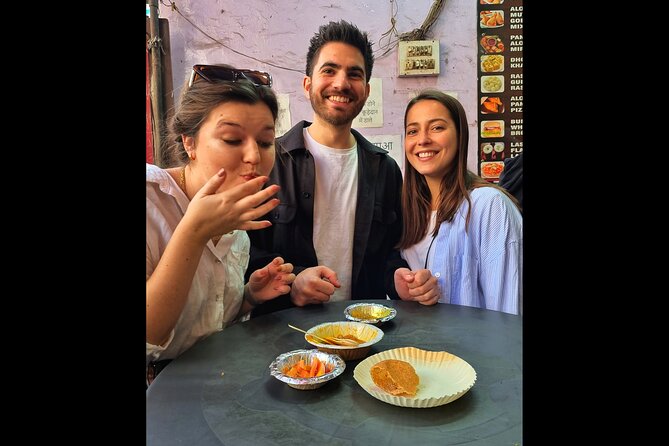
- Generations-old food traditions: Sample hot fried breads with potato gravy and Delhi chaat as part of the outing.
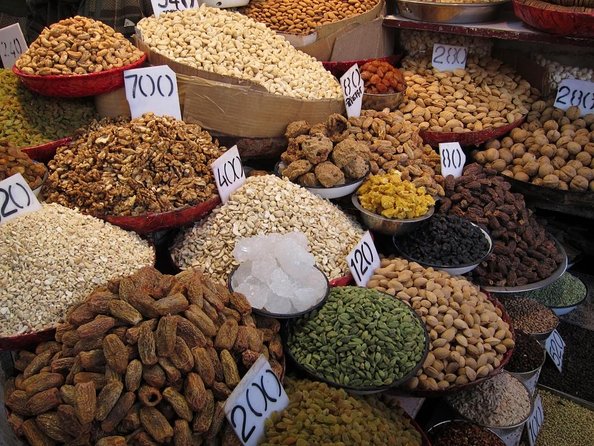
- Khari Baoli’s spice colors: Photograph Asia’s oldest spice market, where sacks, powders, aromas, and narrow lanes create some of the day’s strongest images.
- Three local transport experiences: Ride a cycle rickshaw, tuk tuk, and Delhi metro, each useful for understanding how the city moves.
- A sharp Old Delhi to New Delhi contrast: Trade packed lanes and market noise for leafy avenues, colonial buildings, a Sikh temple, and a landscaped garden.
- Personal guiding from Faizy: The guide is praised for taking guests to places a typical sightseeing route may skip and for explaining Delhi’s less obvious corners.
Starting among Old Delhi’s early market streets
The meeting point is Lajpat Rai Market in Chandni Chowk, Delhi 110006. That location puts you in the center of Old Delhi, where narrow lanes carry layers of commerce, worship, food, and daily life. The tour gives this part of the day about four hours, so you are not simply passing through for a quick photograph.
I like the timing. An early start lets you see the market waking up, with shops beginning their day and the streets building toward their full roar. That gradual change gives you something to photograph and helps you understand that Chandni Chowk is not a decorative old quarter. It is a working market where people shop, sell, deliver, eat, and worship.
The lanes are lined with stores selling spices, textiles, jewelry, sweets, and other goods. You can expect plenty of visual variety, but also tight spaces and crowds. Keep your camera secure, wear shoes suited to uneven walking, and avoid bringing anything you do not want to manage in a packed lane.
Your guide’s role matters here. Faizy is specifically praised for showing unusual places that an ordinary visitor may not find alone. That is a major reason to choose a guided outing in Old Delhi. A map can show Chandni Chowk, but it will not explain which doorway leads to a temple, which lane is known for a certain food, or how to move through the district without wasting time.
More Food and Drink Tours around New Delhi:
- Old Delhi Photography & Food Tour with Rickshaw Ride to Masterji Kee Haveli
★ 5.0 · 22 reviews - Delhi Like a Local: Food & Photography Full Day Tour
★ 5.0 · 15 reviews - Tromsø: Aurora Tour with Photos, Campfire and Arctic Food
★ 4.7 · 126 reviews
A Jain temple before the food rush
The morning begins with a visit to a historic Jain temple. This gives the day a quieter opening before the market work begins in earnest. It also adds religious context to a district that can otherwise seem like one continuous wall of shops and food stalls.
Religious sites require respectful behavior. Dress modestly, follow instructions from your guide, and be ready for photography rules. The supplied details do not specify the temple’s name or exact rules, so listen carefully on the day rather than assuming every area is open to cameras.
I like this early temple visit because it slows the rhythm for a moment. The tour is not only a hunt for food or dramatic street pictures. It gives you a chance to notice the spiritual life that operates beside the commercial life of Old Delhi.
Street food with a practical safety net
Food is one of the strongest reasons to book this experience. The included snacks are described as a hot and crisp assortment of Delhi specialties. The food examples include fried breads served with potato gravy and chaat, a category known for its sharp mix of spice, sweetness, tang, crunch, and soft textures.
You are not left to guess what to order in a crowded lane. A guide who knows the area can direct you toward the foods included in the route and help explain what you are eating. That is useful for first-time visitors who want to try local dishes but feel cautious about choosing a stall on their own.
The food should still be approached sensibly. The tour includes snacks, not a full restaurant meal, and the exact selection is not fixed in the supplied details. If you have allergies, dietary restrictions, or a low tolerance for chili and fried food, tell the guide before eating. Bottled water is included, which is a small but welcome practical touch during a food-focused morning.
I would not book this day expecting a long, relaxed lunch. The appeal is variety and place. You are tasting food where the streets are active, then moving on to another neighborhood and another set of sights.
Photographing Khari Baoli’s spices and narrow lanes
Khari Baoli is one of the day’s best photography locations. It is identified as Asia’s oldest spice market, and the visual appeal is easy to understand: colored spices, stacked sacks, shop fronts, busy lanes, and people handling the trade of food ingredients.
This is not a polished photo set. Light may be uneven, spaces may be crowded, and your best picture may appear quickly. A small camera or phone is easier to use than a large kit. Keep your hands free when walking and ask before photographing people at close range.
The market also gives your guide a chance to add meaning to the pictures. The point is not only to collect shots of red, yellow, and brown powders. You can connect those colors to the work of the market, the smells in the air, and the way Old Delhi has remained a place of trade and movement.
The tour description promises insider tips and less obvious stops, but it does not provide a formal photography lesson or specify camera equipment. Think of this as a photo-friendly cultural tour, not a technical workshop. You will receive access to strong subjects and local direction, but you should bring your own photography skills and expectations.
More Food Tours around New Delhi:
- Old Dubai Guided Tour With Photographer: Souks & Street Food
★ 4.9 · 74 reviews - Premium Chianti E-Bike Tour, Food Wine Tasting + Photo shoot
★ 5.0 · 4 reviews
Moving through Delhi by cycle rickshaw and tuk tuk
Transport is part of the experience rather than a minor transfer. A cycle rickshaw and tuk tuk are included, giving you two ways to move through the city’s crowded streets. These rides save energy, but they also let you observe Old Delhi at street level without walking every block.
A cycle rickshaw is especially suited to narrow lanes where larger vehicles cannot move easily. A tuk tuk offers a different view and a quicker connection between areas. The exact order and length of each ride are not specified, so treat them as practical parts of the route rather than standalone excursions.
The Delhi metro then carries the group from Old Delhi to New Delhi. This shift is important. Instead of staying inside a sightseeing vehicle, you use a transport system that many residents rely on every day. It also makes the change between the two districts feel more real.
You should be comfortable with regular movement and public transportation. The group is limited to a maximum of 10 people, which is small enough for a guide to keep the route organized, but it is still a group outing in public spaces. Stay close when the guide gives instructions, especially during transfers.
Leaving Old Delhi for Lutyens’ New Delhi
The second half of the day is based in New Delhi and lasts about three hours. The change in mood is one of the tour’s best ideas. Old Delhi brings tight lanes, market noise, food smells, and dense human activity. New Delhi offers more open space, leafy avenues, gardens, and colonial architecture.
The Lutyens Zone is the setting for grander buildings and broad roads. This is where your camera shifts from close details to larger compositions: formal facades, long avenues, carefully planned spaces, and the contrast between imperial-era architecture and the modern capital around it.
The tour does not list specific colonial buildings by name, so you should not expect a fixed monument checklist. Instead, the value is in seeing the area as a change of scale. After several hours among shops and lanes, the open streets of New Delhi provide breathing room.
I like this contrast because it prevents the day from presenting Delhi as only crowded markets and street food. You see a capital built from different eras and purposes. The result is more balanced, even if some people may prefer to spend the full day in Old Delhi.
Quiet time at a Sikh temple
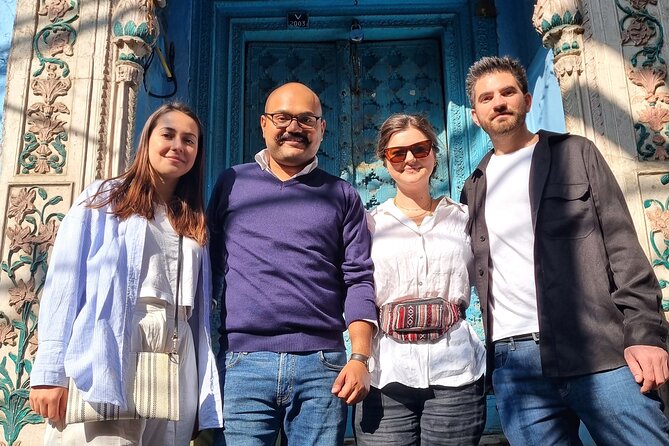
The New Delhi route includes a visit to a Sikh temple. Here, the focus shifts from architecture and food to community and religious practice. You can observe traditions and experience a calmer atmosphere after the movement of the morning.
As with the Jain temple, respectful conduct is essential. Follow the guide’s instructions about where to walk, what to cover, and when photography is permitted. The supplied information does not specify the temple’s name, so the guide will provide the local context during the visit.
This stop adds depth to the day. You are not just photographing buildings from the outside. You are seeing how places of worship function as living community spaces. That is a more useful experience than rushing past another monument for a few minutes.
A garden, colonial avenues, and the final photograph
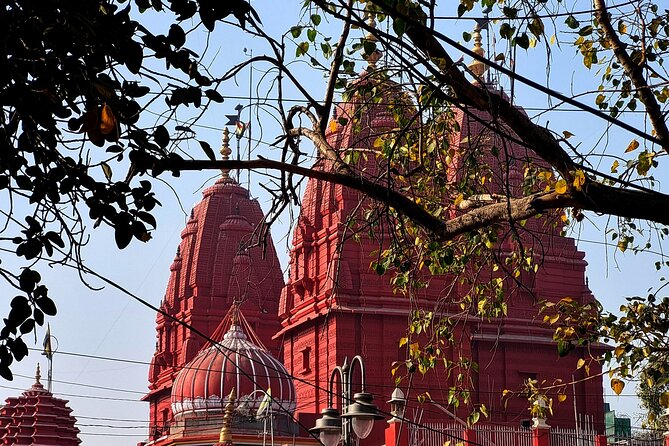
The route also includes a well-maintained garden and a walk through leafy New Delhi avenues. The garden offers a different set of photographs from Khari Baoli. Instead of crowded stalls and spice colors, you can work with paths, greenery, open views, and the changing light around a historic monument.
The final meeting point is listed as Shah Tomb, on Lodhi Road beside Lodhi Gardens. This gives you a clear end point in an attractive part of New Delhi, but it also means you should plan your onward transport from there. Hotel pickup and drop-off are not included.
The mention of an iconic monument’s glow suggests that the guide may help you frame a strong closing image, though the details do not identify exactly which monument is featured or promise a particular sunset. I would keep expectations flexible and treat the garden and tomb area as the final visual chapter, not as a guaranteed special lighting event.
Is $113.33 a fair price?
The cost is $113.33 per person. That is not the cheapest way to see Delhi, but the price includes more than a guide and a walk. You receive snacks, bottled water, a cycle rickshaw ride, a tuk tuk ride, and a metro ride, along with a seven-hour guided route through two very different parts of the city.
The value depends on how much support you want. If you are comfortable planning food stops, finding religious sites, handling Old Delhi’s lanes, and using public transport alone, you could spend less independently. You would also need to organize the route and accept more uncertainty about where to eat and what you are seeing.
For a first visit, the price is easier to justify. The guide connects the food, markets, religious places, transport, and architecture into one day. The small maximum group of 10 also keeps the experience more personal than a large coach tour.
Group discounts are available, though the amount is not specified. If you are booking for several people, check the final price before paying. Confirmation is provided at booking, and free cancellation is available if you cancel at least 24 hours before the local start time.
Who will enjoy this tour most?
I would recommend this experience to first-time Delhi visitors who want a broad introduction without spending the day inside a private car. It suits people who enjoy trying street food, taking pictures, walking through markets, and learning through conversation with a guide.
It is also a good fit for photographers who prefer real street scenes over staged attractions. Khari Baoli, Chandni Chowk, the religious sites, and the shift to New Delhi provide plenty of changing subjects.
You may want a different plan if you prefer a slow luxury tour, a dedicated food crawl, or a formal photography class. The day covers a lot of ground and uses several forms of transport. That variety is its strength, but it also creates a busy schedule.
The tour is listed as suitable for most participants and operates near public transportation. Still, you should be ready for walking, crowds, public transit, and time on your feet. Anyone with mobility concerns should ask the provider for current details before booking, since the supplied information does not describe step-free access or vehicle arrangements.
Should you book this Delhi experience?
Book it if you want Delhi in contrasting colors: Jain tradition, Old Delhi food, spice-market photography, Sikh community life, colonial avenues, and a garden finish. The strongest feature is the human scale provided by the guide, especially the promise of places that are easy to miss without local help. Faizy’s personal approach is a meaningful advantage.
Skip it if you want a quiet day, a single neighborhood, or a formal camera lesson. For everyone else, the combination of food, transport, and local stories makes $113.33 reasonable, especially for a first day in Delhi and a group of no more than 10 people.
FAQ
How long does the tour last?
The experience lasts approximately seven hours. About four hours are allocated to Chandni Chowk and about three hours to New Delhi.
Where does the tour begin?
It begins at Lajpat Rai Market in Chandni Chowk, Delhi 110006.
Where does the tour end?
The tour ends at Shah Tomb on Lodhi Road, beside Lodhi Gardens in New Delhi.
Is hotel pickup and drop-off included?
No. Hotel pickup and drop-off are not included.
What transportation is included?
The tour includes a cycle rickshaw ride, a tuk tuk ride, and a Delhi metro ride.
How many people can join the tour?
The maximum group size is 10 travelers.
More Full-Day Trips around New Delhi
- Bali: Full-Day Instagram Highlights Tour
★ 4.8 · 7,817 reviews - Mauritius: Private Full-Day Iconic Instagram Spots
★ 4.8 · 548 reviews - North Bali: Full-day Highlights Instagram Tour
★ 4.9 · 214 reviews - Bali Instagram Tour from Your Hotel (Private & Full-day)
★ 5.0 · 204 reviews
Just added around New Delhi
- Private Taj Mahal Tour with Professional Photographer – All Inclusive★ 5.0 · 2 reviews
- From Delhi: Sunrise Taj Mahal Tour with Professional Photographer★ 5.0 · 3 reviews
- From Delhi: Private Taj Mahal Photoshoot in Indian Ethnic Attire★ 5.0 · 5 reviews
- Heritage Delhi Photography Walk (2 Hours Guided Walking Tour with Rickshaw Ride)★ 5.0 · 3 reviews
- Delhi Street Photography Tour★ 5.0 · 11 reviews
- Delhi Diaries Private Instagram Tour★ 5.0 · 9 reviews
- Private Tour: Delhi Photography Tour★ 5.0 · 7 reviews
- From Agra: Taj Mahal Guided Tour With Professional Photos★ 5.0 · 6 reviews
Food, compared.
Tromsø: Aurora Tour with Photos, Campfire and Arctic Food
Read our review →
Old Dubai Guided Tour With Photographer: Souks & Street Food
Read our review →
Old Delhi Photography & Food Tour with Rickshaw Ride to Masterji Kee Haveli
Read our review →
Delhi Like a Local: Food & Photography Full Day Tour
Read our review →
Premium Chianti E-Bike Tour, Food Wine Tasting + Photo shoot
Read our review →Browse the lists this shoot appears in