
Review · MUSEUMS
Louvre Museum (Essential) – 2-hour visit in Portuguese with a photo session
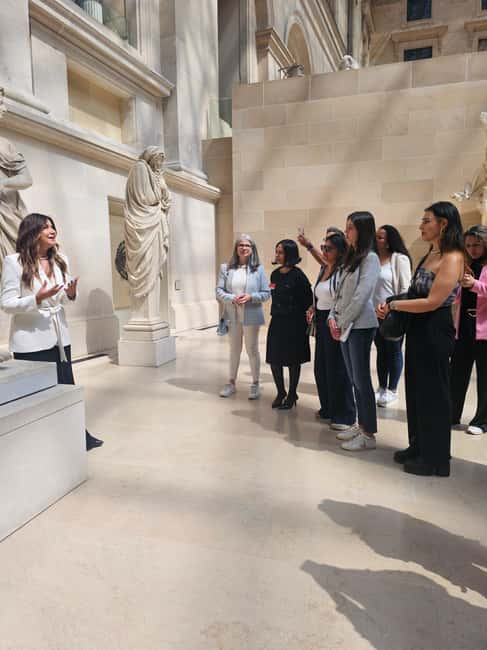
The Louvre rewards a clear plan. I like the Portuguese-speaking host and the route built around roughly 20 major works, including the Mona Lisa, Venus de Milo, and Winged Victory of Samothrace. I also like the chance to continue exploring after the guided portion ends. The main drawback is that the Louvre can suffer sudden closures, delays, or crowd problems, as one February visit did during a staff demonstration.
This is a brisk introduction, not a full museum day. You will see highlights across several wings, hear the essential context in Portuguese, and get help with photographs and content. The visit is especially useful if you are visiting Paris for the first time, though serious art lovers may want more time in individual galleries.
Key points at a glance
- About 20 major works: The route includes the Mona Lisa, Venus de Milo, Winged Victory of Samothrace, Ancient Egypt, and the Apartments of Napoleon III.
- Portuguese throughout: A French government-licensed guide leads the visit, while the Portuguese-speaking host explains the museum and answers questions.
- Crowd-aware routing: The daily path changes according to visitor flow, helping you avoid the worst bottlenecks.
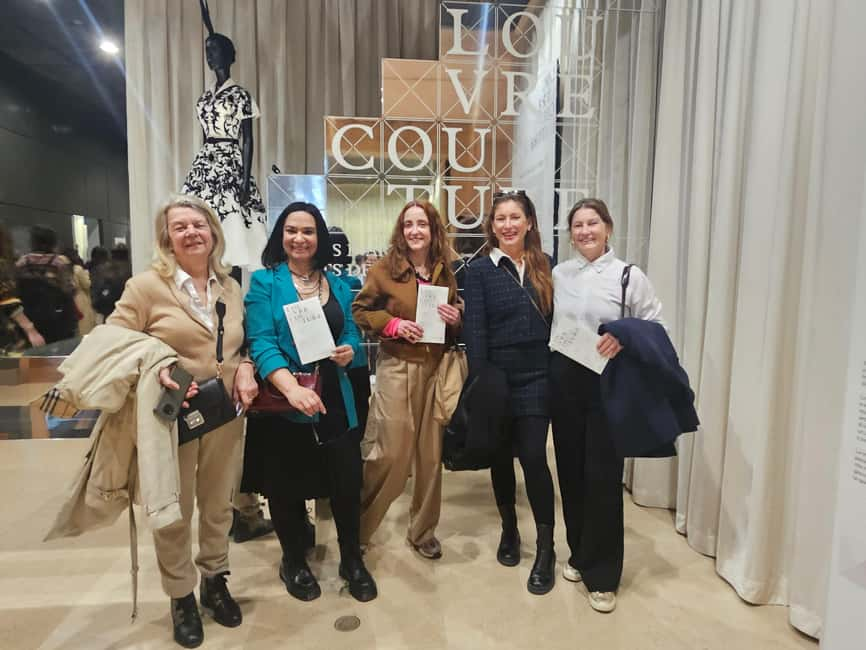
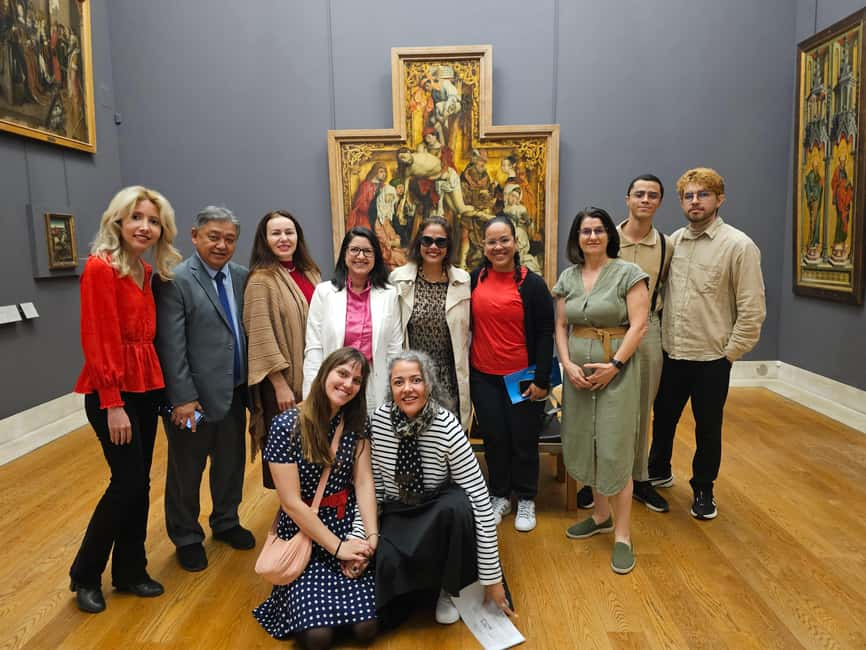
- Built-in photo time: Two photo stops and guided help with content make this useful for families, school projects, and social media.
- Free time afterward: You can stay inside and continue seeing the Louvre after the structured tour ends, at no extra cost.
- Small-group option: A smaller group is available, which may make questions and photographs easier.
Why this Louvre visit makes sense for first-timers
The Louvre is so large that simply entering can feel like a task. A two-hour visit gives you a framework before the museum’s size begins to work against you.
I like the focus here. You are not promised every famous painting or a rushed march through dozens of rooms. Instead, the route covers about 20 important works and several very different parts of the collection. That gives you a useful first look at the museum’s art, architecture, and royal past.
The language is another major advantage. If Portuguese is your strongest language, the explanations should feel easier to follow than a tour delivered in French or English. You can ask questions without first translating them in your head, which matters when the guide is explaining symbols, artistic choices, or links between periods.
The guide is described as French government-licensed and French-speaking, with a Portuguese-speaking host. The experience also welcomes questions and can support school assignments or social media content. One booking specifically praised a host named Mara for helping with the entry process and inside the museum.
More Museum Visits around Paris:
- Paris: Private Photoshoot Outside the Louvre Museum
★ 4.8 · 139 reviews - Berlin: Fotografiska Photography Exhibition Ticket
★ 4.6 · 168 reviews - Amsterdam: Foam Photography Museum Admission Ticket
★ 4.2 · 141 reviews
Meeting at the Napoleon Wing
You meet at the Group Visits area in the Napoleon Wing. The stated entry route is through the Louvre Carrousel, with priority access for the group.
That meeting point matters because the Louvre has several entrances and a confusing internal layout. You should arrive with the Napoleon Wing and Group Visits area clearly in mind rather than simply walking toward the first Louvre sign you see.
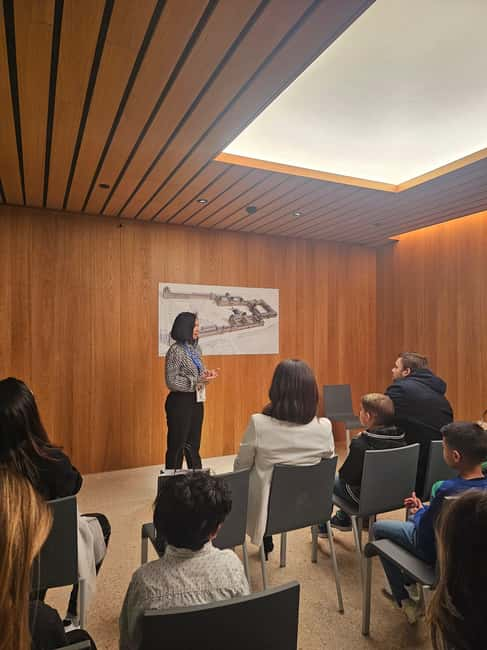
Once assembled, the group receives about 10 minutes of safety and orientation information. This is not wasted time. In a museum the size of the Louvre, a short briefing helps you understand the pace, stay with the group, and know how the photo stops and free time will work.
Wear comfortable shoes. The visit is only about two hours, but it includes movement through several museum sections, and you will likely want to keep exploring afterward.
The first hour: a fast look at the Louvre’s greatest hits
The formal guided portion begins with about one hour of touring. The exact order changes each day according to visitor flow, so the route is not a fixed march through the same rooms every time.
That flexibility is useful. The Louvre’s most popular spaces can become crowded, especially around the Mona Lisa. A route that changes with conditions may help you spend less time squeezed into a bottleneck and more time listening to the guide.
You will see works chosen for their cultural importance and their place in the public imagination. The Mona Lisa is the obvious crowd magnet, but the tour does not stop there. The Venus de Milo gives you a chance to consider ancient Greek sculpture, while the Winged Victory of Samothrace makes the setting part of the experience.
The Winged Victory is displayed at the top of a grand staircase, where the sculpture’s missing head and outspread wings still create a powerful sense of movement. Even with a short visit, this is one of the Louvre’s most memorable spaces.
The Venus de Milo offers a different mood. Its fame comes partly from its beauty and partly from the mystery created by its missing arms. Your guide can give that work a human scale, explaining why a statue known from countless photographs still deserves your attention in person.
The Mona Lisa requires realistic expectations. You may have only a short moment near the painting, and the room can be crowded. The value of having a guide here is not simply getting close. It is understanding why this small portrait became such a major cultural object, then moving on before it consumes your entire museum visit.
Ancient Egypt and the Apartments of Napoleon III
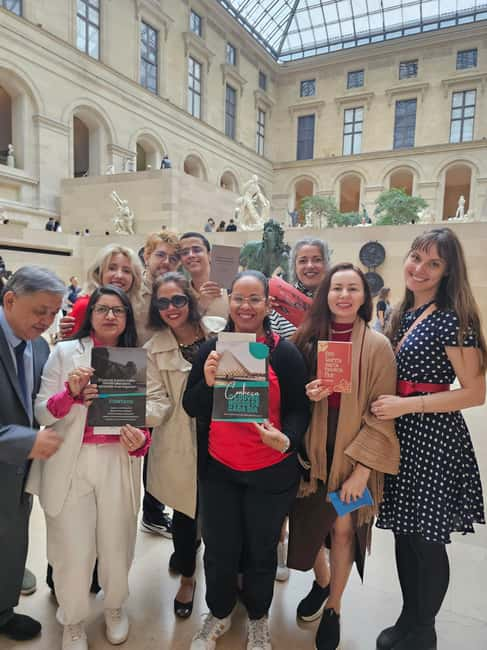
The route also includes the Ancient Egypt section. This broadens the visit beyond the usual trio of European masterpieces.
Ancient Egyptian objects can be especially helpful for understanding how wide the Louvre’s collection really is. You are not visiting only a gallery of famous paintings. The museum also holds sculpture, decorative objects, and artifacts from civilizations far older than the French royal and imperial periods.
The visit then reaches the Apartments of Napoleon III, where the building itself becomes part of the story. These lavish rooms show the Louvre as a former palace, not just a place where art happens to be stored.
I like this pairing because it gives you contrast. Ancient Egypt connects you with a distant civilization, while the Napoleon III rooms show nineteenth-century power, taste, and display. You get art, archaeology, and architecture in the same short route.
The tradeoff is time. Forty minutes of additional guided touring after the first photo stop cannot provide a full study of either section. You will get an introduction, not every gallery or every important object. If Ancient Egypt or French decorative arts is your main interest, use the free period afterward to return to those areas if the route and museum conditions allow.
More Two-Hour Trips around Paris:
- Paris 2-Hour Private Walking Tour with a Photographer
★ 4.6 · 58 reviews - Santorini 2h Private Flying Dress Photoshoot with Transportation
★ 5.0 · 357 reviews - Procida Island Tour by Boat 2h 15m with Swimming and Underwater Photos
★ 5.0 · 344 reviews - Hallstatt: 2-Hour Guided Walking Tour with Photographer
★ 5.0 · 152 reviews
Two photo stops with practical help
The itinerary includes about 15 minutes for a photo stop after the first guided section and another 15-minute photo stop later.
That is more useful than it may sound. In a large museum, taking photographs can interrupt your attention, and it is easy to leave with dozens of images but little sense of what you actually saw. Dedicated stops let you listen first and take pictures afterward.
The host can help with photographic records and content creation. That may suit you if you are preparing a school project, documenting a family trip, or creating social media material. The guidance is part of the experience, not an extra service you need to arrange separately.
Keep your expectations sensible. A photo stop does not guarantee an empty gallery or unlimited time beside a masterpiece. The Louvre remains a working museum with crowds and changing access. Still, scheduled photo time is a practical touch, particularly for visitors who want both explanation and usable pictures.
Free time after the two-hour route
The structured tour ends with about 30 minutes of free time, and you can extend your museum visit at no extra cost.
This is one of the strongest parts of the arrangement. You receive direction from a guide first, then have a chance to follow your own interests. That is a better plan than trying to tackle the entire Louvre without orientation.
You might use the extra time to revisit a favorite work, remain in the Ancient Egypt section, spend longer in the Apartments of Napoleon III, or seek out another gallery that caught your attention. The exact options depend on museum access and which areas are open that day.
I would not count on seeing every major department during this free period. The Louvre is simply too large. Think of the additional time as a chance to follow one thread, not finish the museum.
Crowd control, closures, and the limits of the plan
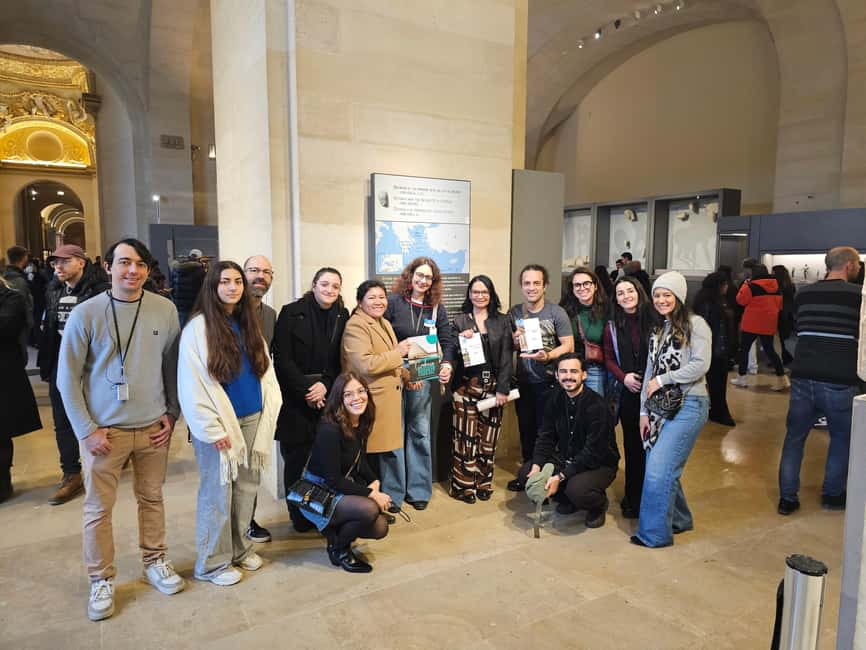
The route is planned daily around visitor flow. That can improve the experience, but it cannot remove every problem caused by the Louvre’s popularity.
One February visit was affected by a staff demonstration that caused hours of delay at the entrance. Several areas were closed that day, including the Crown Jewels. This is a useful warning: museum operations can change suddenly, even when you have a scheduled tour.
The tour provider helped with the entry process in that difficult situation, and a Portuguese-speaking host can be especially useful when instructions are unclear or queues change. Still, you should leave some flexibility around the visit and avoid placing an important train, flight, or timed reservation immediately afterward.
The route may also change from the advertised order. That is not necessarily a flaw. It is the price of responding to crowds, closures, and museum conditions in real time.
Is $57 a fair price?
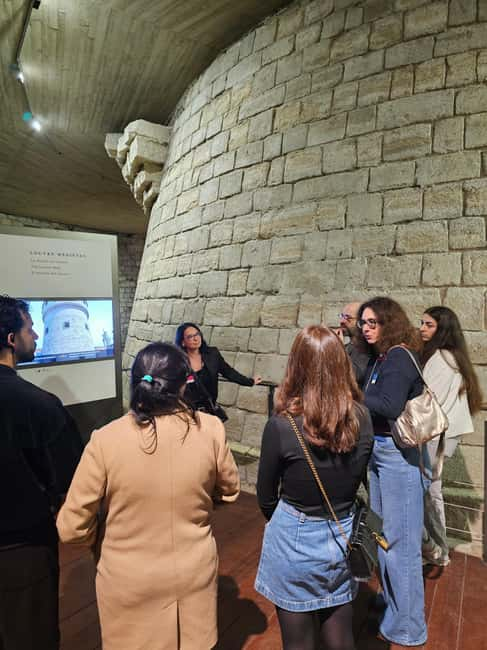
At $57 per person, this sits in the reasonable range for a guided two-hour introduction to one of Paris’s most demanding museums.
You are paying for several things at once: a licensed French guide, Portuguese-language support, a planned route, help with entry, explanations of around 20 major works, photo guidance, and the option to remain in the museum afterward. For a first visit, that can save you time and reduce the stress of deciding where to begin.
The value depends on how you like to visit museums. If you prefer wandering alone with an audio guide, $57 may feel unnecessary. If you want context in Portuguese and would rather have someone organize the first two hours, the price is easier to justify.
A small-group option improves the value if you care about asking questions or taking photographs. The exact group size is not specified, so you should confirm that detail when booking if it is important to you.
Free cancellation up to 24 hours before the visit and the option to reserve now and pay later add flexibility. They do not change the museum experience itself, but they are useful when Paris plans are still shifting.
Who will get the most from this experience?
I would recommend this visit to:
- First-time Louvre visitors who want a clear starting point
- Portuguese-speaking visitors who prefer detailed explanations in their own language
- Families who need a manageable museum visit rather than an all-day commitment
- Students preparing schoolwork or a cultural project
- Visitors who want help taking photographs and creating content
- Anyone who feels intimidated by the Louvre’s size
You may want a different plan if you already know the Louvre well or want to spend an hour with one painting. This tour keeps moving. Its strength is range and orientation, not long, quiet study.
It is also less suitable if your Paris schedule cannot absorb delays. The staff demonstration shows that even a well-planned museum visit can run late.
How to prepare for the visit
Plan to arrive at the Group Visits area in the Napoleon Wing with enough time to find the meeting point. The stated access route is through the Louvre Carrousel, and knowing that in advance should reduce confusion.
Wear comfortable shoes and keep your plans afterward flexible. The tour itself lasts about two hours, with roughly 10 minutes for the briefing, one hour of guided touring, two 15-minute photo stops, another 40 minutes of guided touring, and about 30 minutes of free time.
Bring your questions. The Portuguese-speaking host is there to explain cultural context, answer questions, and help connect the works to your own interests. You will get more from the tour if you speak up rather than treating it as a silent procession.
Also remember that the Louvre may have closed galleries or unexpected crowd controls. The advertised masterpieces are the focus, but no museum route can guarantee that every room will be open on every date.
Should you book this Portuguese Louvre tour?
Book it if you want a clear, Portuguese-language introduction to the Louvre, especially on your first visit. The mix of famous works, Ancient Egypt, Napoleon III’s Apartments, photo help, and free time gives you more than a simple look at the Mona Lisa.
Skip it if you prefer a slow, independent museum day or already have a detailed Louvre plan. For everyone else, $57 is a fair price for structure, language support, and a guide who helps you get oriented before the museum’s size takes over.
The best reason to choose it is simple: you will leave knowing what you saw and why it matters, rather than remembering only that the Louvre was enormous.
FAQ
How long does the Louvre tour last?
The guided visit lasts about two hours. The schedule includes a safety briefing, guided touring, two photo stops, and free time.
Which language is used during the tour?
The tour is conducted in Portuguese by a Portuguese-speaking host. The guide is also described as a French government-licensed, French-speaking guide.
Which Louvre works are included?
The route includes about 20 important works and sections, including the Mona Lisa, Venus de Milo, Winged Victory of Samothrace, Ancient Egypt, and the Apartments of Napoleon III.
Where is the meeting point?
Meet at the Group Visits area in the Napoleon Wing. The stated priority entry route is through the Louvre Carrousel.
Is there time to take photographs?
Yes. The itinerary includes two photo stops of about 15 minutes each, and the host provides guidance for photographs and content creation.
Can I continue visiting the Louvre afterward?
Yes. You can use free time after the guided tour to continue visiting the museum at no extra cost.
Is this available as a small-group tour?
A small-group option is available. The exact group size is not specified.
What should I bring?
Wear comfortable shoes. That is the only item specifically listed for the activity.
Can I cancel the booking?
You can cancel up to 24 hours in advance for a full refund. You can also reserve now and pay later.
Just added around Paris
- Romantic photo shooting on a private boat in Paris★ 5.0 · 3 reviews
- Proposal Photoshoot★ 5.0 · 11 reviews
- Paris: Professional Photoshoot with 300+ Photos + 1 present★ 5.0 · 4 reviews
- Professional Photoshoot in Paris★ 5.0 · 2 reviews
- Paris: Professional Photoshoot★ 4.9 · 11 reviews
- Private Photo Session – Streets of Paris★ 5.0 · 6 reviews
- Paris: Photoshoot Experience★ 5.0 · 2 reviews
- Paris:sunset photoshoot in ❤️️ of Paris- Louvre Orsay Eiffel★ 5.0 · 19 reviews
Museums, compared.

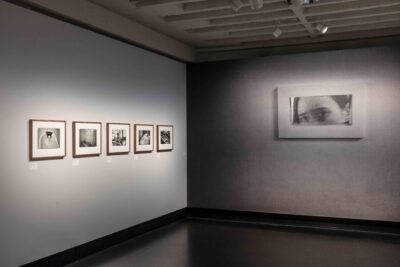
Ticket for Photography Exhibitions at C/O Berlin
Read our review →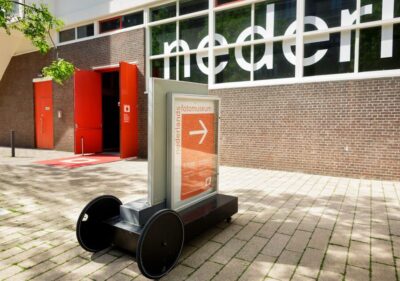
Rotterdam: National Museum of Photography Entrance Ticket
Read our review →Browse the lists this shoot appears in