
Review · MUSEUMS
KBr Fundación MAPFRE – Photography Exhibitions
Photography can make a quiet room feel enormous. At KBr Fundación MAPFRE, I like the chance to see major photographers in a calm, purpose-built center, and I also like the low $5 admission, which makes a serious art stop easy to fit into a Barcelona day. The two exhibitions offer very different views of photography, from Walker Evans’s American documentary work to Carlos Pérez Siquier’s modern Spanish color images.
The main drawback is that this is a self-guided museum visit, not a tour with a live guide. You need a phone, mobile data or the center’s free Wi-Fi, and headphones for the audio guide. Also, one February 2026 booking ran into a closure problem, so it is wise to check the current opening status before setting out.
Key points to know before you go
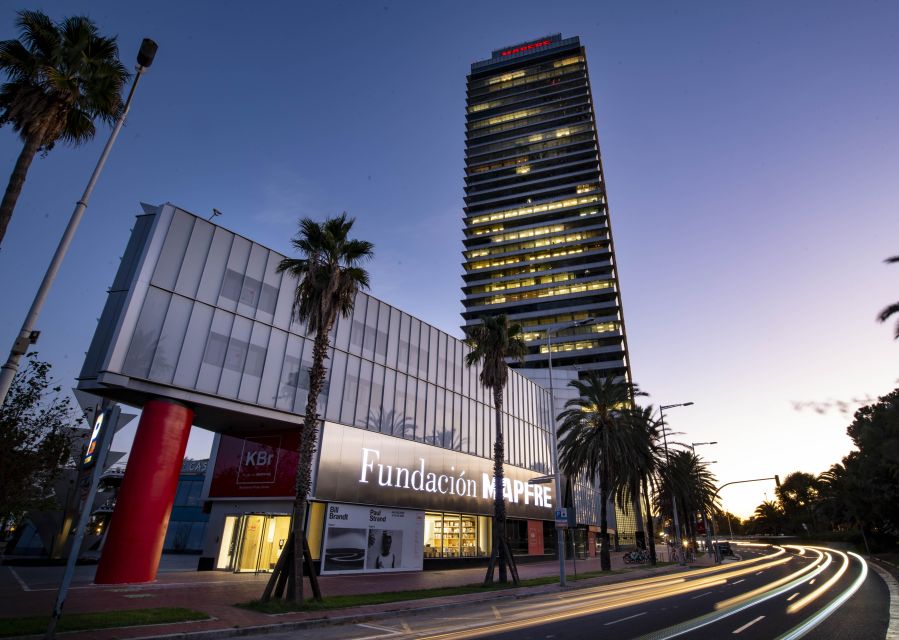
- Two exhibitions in one visit: See Walker Evans: Now and Then alongside Pérez Siquier. Fundación MAPFRE Collections.
- A Port Olímpic location: The center sits in Barcelona’s Port Olímpic area, making it a useful cultural stop near the waterfront.
- A low-cost art experience: Admission is listed at $5 per person, a strong price for two photography exhibitions.
- Free audio guide: The guide is available in English, Catalan, and Spanish through a QR code.
- Bring headphones: You need them in the galleries, or you can buy jack-type headphones at the ticket counter for €1.
- Current exhibition period: The listed shows are available until May 24, 2026, subject to any changes in opening dates.
Why KBr deserves a place in your Barcelona plans
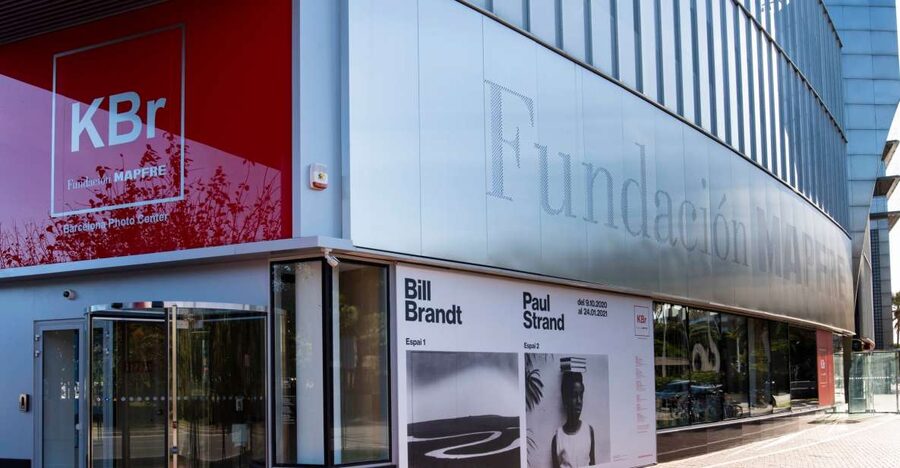
Barcelona is packed with famous buildings, food markets, and museums. KBr gives you a different kind of pause. It is devoted to artistic photography, so the visit rewards close looking rather than quick sightseeing.
The center is in the Port Olímpic area, a useful location if you are already near the waterfront. You can visit the exhibitions as a focused cultural stop rather than giving up half a day to a huge museum. The listed duration is one day because your ticket is valid for the day, but the actual visit depends on how carefully you study the photographs and use the audio guide.
I like this format for a city break. You can spend an hour with the images, take a break, and return to the works while your ticket remains valid that day. The two exhibition spaces also help the visit feel organized. You are not wandering through a giant building trying to decide what matters.
The center’s modern setting has received praise for being well kept. That matters here. Photography needs clean sightlines, quiet rooms, and enough space to look at an image without fighting through crowds. KBr appears designed for that kind of attention.
More Museum Visits around Barcelona:
- Berlin: Fotografiska Photography Exhibition Ticket
★ 4.6 · 168 reviews - Amsterdam: Foam Photography Museum Admission Ticket
★ 4.2 · 141 reviews - Paris: Private Photoshoot Outside the Louvre Museum
★ 4.8 · 139 reviews
Entering the two exhibition spaces
Your visit begins at the ticket desk, where you present your voucher. The standard ticket includes both exhibition spaces and the audio guide. You do not need to arrange a separate guide or pay an extra fee for the commentary.
The audio guide is accessed by scanning a QR code in the room. You will need a mobile device and an active internet connection. If your phone has no mobile data, the center provides free Wi-Fi, but I would still arrive with your phone charged and ready.
Headphones are required so the sound does not disturb other people. Bring your own if you can. If you forget, headphones are available at the counter for €1, although the information says they use a jack connection and may not always be immediately available.
That small detail can affect your timing. If you want to begin promptly, bring compatible headphones rather than counting on the purchase option. The audio is free, so your only possible extra cost is this practical one.
Walker Evans and the everyday American scene
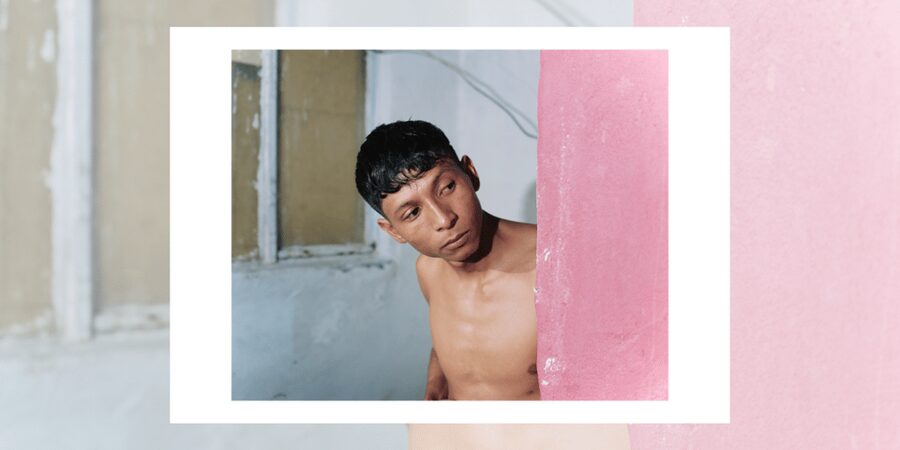
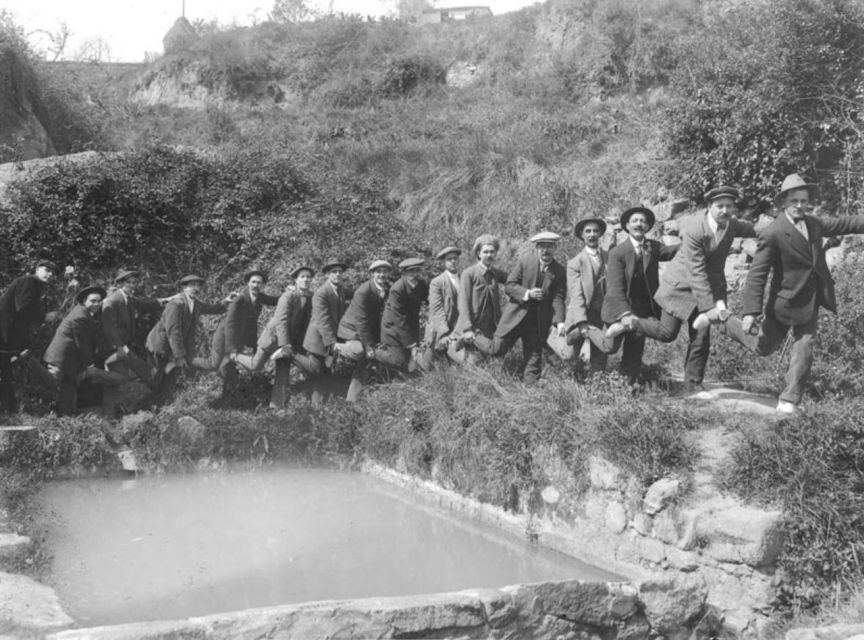
The major exhibition, Walker Evans: Now and Then, follows the career of Walker Evans from the 1920s through the 1970s. Evans was born in 1903 and died in 1975. He is known for photographs that appear direct and plain at first glance, yet reveal careful choices and strong social observation.
His subjects include ordinary people, city streets, buildings, signs, and details of popular culture. That makes the exhibition accessible even if you do not know much about photography. You do not need a technical background to respond to a face, storefront, road, or piece of lettering. The interest comes from how Evans frames these familiar things and what he leaves out.
The exhibition also shows the breadth of his working life. You move from early photographs in the 1920s to experiments with a Polaroid camera in the 1970s. That long span lets you see both continuity and change. Evans kept returning to the visual evidence of daily life, but his tools and methods developed over time.
I find this kind of presentation more rewarding than a room of isolated famous photographs. You get a sense of an artist testing ideas, refining a way of seeing, and responding to a changing country. The photographs can feel simple, but the simplicity is part of the point. Evans did not need theatrical effects to make an image hold your attention.
The exhibition is organized by David Campany and includes well-known images as well as important projects from across Evans’s career. One named example is Broadway from 1930, held in a private collection in San Francisco and connected with the Walker Evans Archive at The Metropolitan Museum of Art.
Give this section time. A fast walk-through will show you the range of the work, but a slower visit lets you notice repeated themes: anonymous faces, public signs, built surroundings, and the way everyday objects can reveal social change. The audio guide can help if you want more context, but the images also work on their own.
Pérez Siquier and the transformation of Spanish photography
The second exhibition focuses on Carlos Pérez Siquier, a major Spanish photographer born in Almería in 1930 and deceased in 2021. Pérez Siquier developed his work from his home city, using photography to respond to Spain’s social and cultural changes with both sensitivity and irony.
His importance is not limited to individual pictures. He helped renew photographic language in Spain and was a founder of the Agrupación Fotográfica Almeriense and the magazine AFAL. He also played an important role in photography becoming accepted as an art form.
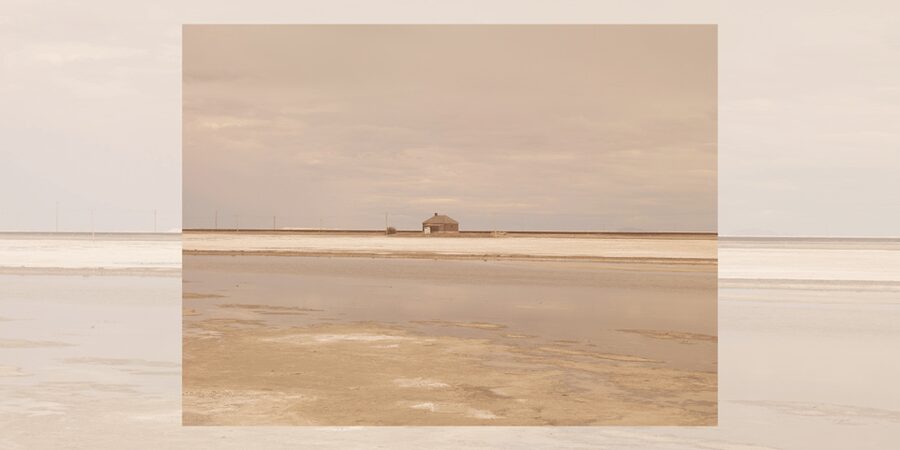
Pérez Siquier. Fundación MAPFRE Collections brings together works added to the foundation’s photography collection in 2022. The selection follows his movement from black and white into color, giving you a useful way to understand his development.
Three named series are especially important:
- La Chanca connects his work to daily life and social conditions in Almería.
- Informalisms shows a more experimental approach to form and visual texture.
- The Beach brings color, human behavior, and public space into sharper focus.
This exhibition may appeal most if you want photography that feels tied to a particular place and society. Pérez Siquier’s images can be visually playful, but they also ask you to consider the people and conditions in front of the camera. Some pictures may draw you in through color or composition, while others ask harder questions about the world they record.
A named photograph from the exhibition is Marbella, 1974. Even without knowing the full story behind each image, the date gives you a sense of the period being examined. The transition from black and white to color is not just a technical change. It reflects a new way of describing modern Spain and its public life.
I would allow equal attention to both shows. Walker Evans gives you a broad view of American documentary photography. Pérez Siquier brings you closer to Spanish experience and the changes in photographic style. Together, they make the visit more varied than a single-artist display.
A few more photo experiences around Barcelona worth a look
- Barcelona E-Bike Photography Tour
★ 5.0 · 843 reviews - Barcelona: Paddleboarding at Sunrise. Includes: instructor, photos, equipment
★ 4.7 · 570 reviews - Costa Brava: Kayak, Snorkel, Photos, Lunch, Beach & Cliff Jump!
★ 5.0 · 508 reviews - Barcelona: Instagram Tour of the Most Scenic Spots
★ 4.9 · 332 reviews
What the audio guide adds
The free audio guide is available in English, Catalan, and Spanish. For an exhibition built around visual details, spoken explanation can be useful when you want background on an artist’s method, a series, or a particular image.
I would not listen to every track automatically. Start with the works that catch your eye, then use the guide to add context. That keeps the visit from becoming a passive audio exercise. You are still looking first and listening second.
The QR-code system is convenient, but it depends on your phone. Free Wi-Fi is available, so a lack of mobile data should not prevent you from using it. Still, bring headphones and make sure your device can scan a QR code.
The audio guide is especially helpful if you are new to photography. It can explain why Evans’s plain compositions matter or how Pérez Siquier’s work fits into Spanish photography. If you already know both artists, you may prefer to use it selectively and spend more time looking closely.
How much time should you allow?
The ticket is valid for one day, not limited to a short timed slot inside the galleries. The booking information asks you to check availability for starting times, so choose a time that fits your wider Barcelona plans.
The exhibitions are best treated as a focused visit. You might move through both spaces quickly, but the photographs deserve more than a glance. If you listen to the audio guide and pause with key works, plan extra time rather than trying to squeeze KBr between two fixed appointments.
There is no supplied group-size information, so I would not assume a guided group experience. You are visiting independently, using the exhibition rooms, labels, and optional audio guide at your own pace.
Opening hours are:
- From October 1 to March 31, Tuesday through Sunday and holidays, 11 a.m. to 7 p.m.
- From April 1, Tuesday through Sunday and holidays, 11 a.m. to 8 p.m.
The listed exhibition period runs until May 24, 2026. Since one booking in February 2026 encountered a closure, check the current schedule before you go, especially if your visit depends on one specific day.
The $5 price and what you receive
At $5 per person, KBr is an inexpensive way to add serious art to your Barcelona itinerary. Your ticket includes entry to the photography center and both current exhibition areas. It also includes the audio guide, with no separate charge.
That is good value if you enjoy photography or want a quieter alternative to Barcelona’s more crowded attractions. You are not paying for transportation, food, or a long guided program, so the value comes from the quality of the exhibitions and your willingness to look carefully.
The only likely extra is €1 for headphones if you do not bring your own. Since headphones are required, this is worth planning for. A phone with mobile data is useful, but the free Wi-Fi reduces the need for a local data plan.
The price also makes KBr easy to recommend as a flexible choice. If you are unsure how much time you want to spend, the financial risk is small. If the subject appeals to you, the two exhibitions offer enough variety to make the stop worthwhile.
Who will enjoy KBr most?
I would recommend this experience to anyone who enjoys photography, modern art, social history, or quiet museum visits. It is also a good choice if you want to see work by major photographers without committing to a huge art museum.
The exhibitions suit different interests. Choose Walker Evans if you like documentary images, American city life, ordinary people, and the way a photographer can make familiar scenes significant. Choose Pérez Siquier if you want Spanish photography, color, social observation, and a strong sense of place.
Families with older children may also find the galleries approachable, especially because the subjects include people, streets, signs, and beaches rather than only abstract work. Younger children may have less patience for a quiet, image-focused visit, and no special family program is listed.
The center is wheelchair accessible. Food and swimwear are not allowed, so plan your visit as a museum stop rather than a beach break, even though Port Olímpic is nearby.
The main strengths and limitations
The strongest part of KBr is the combination of quality and scale. You can see respected photographers in two dedicated spaces, but the visit does not require a full day of museum fatigue. The modern, well-maintained setting supports close looking.
I also value the contrast between the artists. Evans’s work reaches across decades and countries, while Pérez Siquier’s work gives you a closer view of Spain’s photographic development. Their photographs do not feel repetitive when shown together.
The audio guide is another practical plus, especially because it is free and available in three languages. The low admission price adds to the appeal.
The limitations are mostly logistical. You must bring or obtain headphones, and the QR system depends on a phone. The center is closed on Mondays based on the listed schedule, and the reported February closure shows why a last-minute schedule check is sensible.
One booking problem does not define the whole experience, but it does matter when you are planning a short city break. Keep your voucher and confirm that the exhibition is open if you have booked a specific time.
Should you book KBr Fundación MAPFRE?
Book it if you want a low-cost, thoughtful museum stop with two different photography exhibitions. I especially recommend it for visitors who enjoy documentary photography, Spanish cultural history, or looking closely at images rather than racing through famous rooms.
The $5 price is easy to justify, and the free audio guide adds useful context. Bring headphones, charge your phone, and leave enough time to give both Walker Evans and Pérez Siquier proper attention.
Skip it if you want a live guide, a large general art museum, or a highly interactive attraction. KBr is quiet and self-directed. For the right visitor, that is exactly its strength.
FAQ
Where is KBr Fundación MAPFRE located?
KBr Fundación MAPFRE is in the Port Olímpic area of Barcelona, in Catalonia, Spain.
How much does admission cost?
The listed price is $5 per person. The entrance ticket includes access to the photography exhibitions and the audio guide.
Which exhibitions are on display?
The listed exhibitions are Walker Evans: Now and Then and Pérez Siquier. Fundación MAPFRE Collections. They are scheduled to be available until May 24, 2026.
What are the opening hours?
From October 1 to March 31, the center is open Tuesday through Sunday and holidays from 11 a.m. to 7 p.m. From April 1, it is open Tuesday through Sunday and holidays from 11 a.m. to 8 p.m.
Is an audio guide included?
Yes. The standard ticket includes a free audio guide in English, Catalan, and Spanish. It is accessed through a QR code in the exhibition room.
Do I need headphones?
Yes. Headphones are required when using the audio guide. You can bring your own or buy jack-type headphones for €1 at the ticket counter, subject to availability.
Is the center wheelchair accessible?
Yes. KBr Fundación MAPFRE is wheelchair accessible.
Can I cancel my booking?
You can cancel up to 24 hours in advance for a full refund. The booking also offers a reserve-now-and-pay-later option.
Just added around Barcelona
- Barcelona: Gothic Quarter Cinematic Photoshoot and Guide★ 3.8 · 7 reviews
- Barcelona: Professional Private Photoshoot★ 4.9 · 28 reviews
- Barcelona: Private Sagrada Familia Photoshoot★ 4.8 · 47 reviews
- Sagrada Familia cinematic photoshoot★ 5.0 · 2 reviews
- Barcelona: Private Photoshoot with a Professional★ 5.0 · 2 reviews
- Barcelona Tourist Photographer – Exclusive Photoshoots★ 5.0 · 2 reviews
- Barcelona: Phone Photography Tips & Tricks – Park & Old Town★ 5.0 · 25 reviews
- Barcelona: Photoshoot in Scenic Locations★ 4.9 · 46 reviews
Museums, compared.
Ticket for Photography Exhibitions at C/O Berlin
Read our review →
Marrakech Tuk-Tuk Tour with Photography Museum+Secret Garden
Read our review →
Browse the lists this shoot appears in