
Review · PHOTOGRAPHY WORKSHOPS & LESSONS
Private Digital Photography Workshop
Let the morning teach your camera. This private photography workshop combines hands-on instruction with the plants, birds, insects, and light of Oleta River State Park. I like the one-to-one feel of a private group, and I like that the workshop works for both a professional camera and a cell phone. The main consideration is the early 7:00 am start and the need for a moderate level of physical fitness.
Robert Suncion leads the session, helping you move from camera settings to stronger visual ideas. You will learn how to use photography as a way to communicate and support conservation, not simply how to collect attractive snapshots. Since the workshop depends on good weather, a rainy day can change your plans.
Key points at a glance

- Oleta River State Park setting: Photograph native flora, birds, insects, and changing morning light in a natural outdoor setting.
- Private instruction: Only your group takes part, so the teaching can focus on your skill level and equipment.
- Camera or phone welcome: Learn photographic technique with a professional camera or a cell phone.
- Practical digital training: The workshop covers image acquisition, manipulation, recording, and the role of computers in modern photography.
- 7:00 am meeting time: Begin at the Ramada Plaza by Wyndham Marco Polo Beach Resort in Sunny Isles Beach, with the activity ending back at the meeting point.
- Strong personal attention: Robert receives particularly high praise for his kind treatment, step-by-step teaching, and choice of a productive photography location.
Why this Florida photography workshop is different
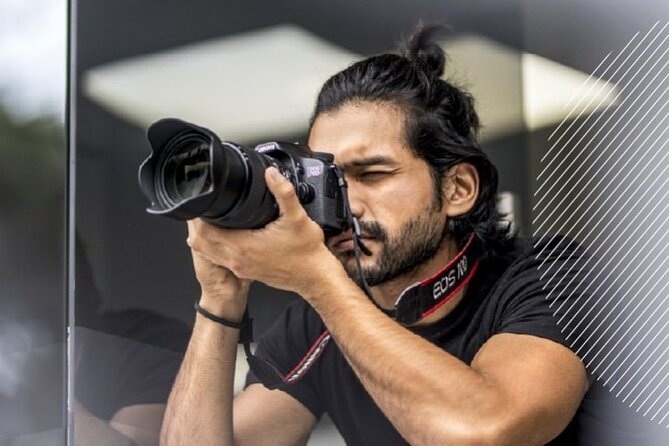
Many photography classes stay indoors and focus on menus, buttons, and technical terms. This one places those skills beside living subjects. You are asked to photograph the natural world while also thinking about what your image communicates.
That difference matters. A technically sharp photograph can still feel empty if the subject, light, and composition do not work together. Here, you learn to consider the image as a tool for sharing ideas, encouraging empathy, and supporting the protection of species.
I also like the broad range of ability this creates. You do not need to own a high-end camera to take part. The workshop addresses professional cameras and cell phones, so you can work with the equipment you already understand. If you are just starting out, that keeps the lesson practical. If you already know your camera, the emphasis on visual decisions and image projects gives you more to think about than basic button pressing.
The session is private, too. Only your own group participates. That can make it easier to ask simple questions, repeat a technique, or spend more time on one subject without feeling that you are slowing down a larger class.
More Private Photoshoots in the USA
- NYC Professional Photoshoot and Walking Tour with Private Guide
★ 5.0 · 608 reviews - Crystal River: Semi-Private Manatee Swim Tour With Heated Boat
★ 5.0 · 417 reviews - Private Manatee Swim for up to 6 with In-Water Divemaster/Photographer
★ 5.0 · 317 reviews
Starting at 7:00 am in Sunny Isles Beach
The listed meeting point is the Ramada Plaza by Wyndham Marco Polo Beach Resort at 19201 Collins Avenue in Sunny Isles Beach. The start time is 7:00 am, which is an important part of planning this experience.
You should arrive ready to begin rather than treating the meeting time as a loose suggestion. Pickup is offered, but the supplied details identify the resort as the start point, so confirm the pickup arrangement when booking if you need transportation. The activity returns to the meeting point at the end.
An early start suits photography well. Morning gives you a useful chance to work with softer light and active natural subjects, though the exact conditions will depend on the day. The early hour also means you should prepare your camera, phone, batteries, and any needed accessories the night before.
The physical requirement is listed as moderate fitness. No demanding route or exact walking distance is provided, so I would not assume a strenuous hike. Still, this is an outdoor workshop involving movement and time in a park. Wear practical clothing and shoes, and be prepared to spend time standing or walking while looking for subjects.
Working with plants, birds, insects, and light
Oleta River State Park is the heart of the photography session. The workshop description points to endemic fauna as well as plants, birds, insects, and light. Those subjects give Robert plenty of ways to show how photographic decisions change from one image to the next.
A bird may require attention to timing and focus. A plant may reward careful framing and close observation. An insect can make you think about distance and detail, while changing light asks you to adjust exposure and decide what deserves emphasis in the frame.
The value is not only the number of subjects you photograph. The park gives you reasons to practice different kinds of seeing. You might find yourself considering texture in a leaf, the shape of a branch, the position of a bird, or the way light separates a subject from its surroundings.
The exact fauna and conditions cannot be guaranteed. That is part of nature photography. You may see more birds on one morning and more insects or plant details on another. A good instructor can still make the session worthwhile because the lesson is tied to observation and decision-making, not to one promised animal.
The setting also supports the workshop’s conservation message. Photographing species and habitats can help people notice what they might otherwise pass without a second look. Robert’s approach treats the photograph as a way to share information and create empathy, not just as a souvenir.
Learning camera settings without losing the creative side
The technical portion covers the different elements of a camera and the types of cameras available. That broad approach is useful if you are still trying to understand what your equipment can do.
You can expect attention to the process of acquiring an image, then manipulating and recording it digitally. These are separate stages, and understanding the difference helps you make better choices. First, you decide how to capture the scene. Next, you refine the file. Finally, you save and manage the result in a useful format.
The course also develops an aesthetic and conceptual approach. In plain terms, you are not only asking if the image is properly exposed. You are asking why you made it, what the viewer should notice, and how the frame supports your idea.
That balance is one of the strongest reasons to consider this workshop. Beginners often need help with camera controls, while more experienced photographers may need help editing their choices and building a consistent point of view. The program addresses both sides.
I would not expect a full professional certification or an advanced multi-day curriculum from a one-day activity. The description is wide-ranging, so the amount of time spent on each subject may depend on your group and current ability. A private format helps, but you should still arrive with a few questions you most want answered.
Same place, a different kind of shoot:
- The ‘OG’ Manatee Snorkel Tour with In-Water Guide/Photographer
★ 5.0 · 2,539 reviews - Manatee Swim Tour with In Water Photographer
★ 5.0 · 2,300 reviews - Guided Small Group Manatee Snorkeling Tour with In-Water Photographer
★ 5.0 · 1,336 reviews - LA: Hollywood Sign Tour with Comedians, Dogs, & Epic Photos
★ 4.9 · 1,193 reviews
From a single photograph to a complete project

The workshop also introduces photographic projects. You will learn how to conceptualize, carry out, and manage an image-based project, rather than treating every photograph as an isolated moment.
That is a useful step for anyone who wants to post a series online, document nature, build a portfolio, or communicate a conservation idea. A project needs more than individual attractive frames. You need a subject, a point of view, a plan for gathering images, and a way to present them.
The course connects this work with computers and digital technology. The computer is presented as both a practical support for ideas and a tool for artistic creation. That reflects the way photography now works. A strong image may begin outdoors, but it often continues through selection, editing, storage, and presentation.
The material also recognizes that photography has changed. Modern photographers may use social networks and digital tools to share work without relying on a traditional studio or gallery route. You will come into contact with those changes while learning how the camera and the wider digital process fit together.
This makes the class more useful than a simple walk with a camera. You are learning a workflow, from finding a subject to shaping the final image. Still, the exact computer setup and editing software are not specified, so ask ahead if you need instruction in a particular program.
Robert Suncion’s teaching approach
Robert Suncion is repeatedly praised for his friendly treatment and patient instruction. The strongest practical detail is that he teaches step by step. That matters outdoors, where it is easy to feel rushed by changing light or moving wildlife.
His handling of a late arrival also suggests a flexible, considerate approach. One participant arrived after the group had left the meeting point, waited at the workshop location, and was able to join the session. I would not treat that as permission to arrive late, but it does show that Robert tried to help rather than simply turning the person away.
The praise also focuses on the location he selected. The chosen area offered plants, birds, insects, and useful light, giving the class enough variety to practice several techniques. A good setting cannot fix weak teaching, but it gives an instructor more material to work with.
The four available ratings are all five-star ratings, with especially strong approval for the instruction, personal treatment, and photographic setting. That is a small sample, so I would not treat it as proof that every participant will have the same result. It does give you a clear picture of what the experience is trying to do well.
Is $80 a fair price?
At $80, this workshop is reasonably priced if you want personal guidance rather than a large public class. The private format is the key value. You are paying for focused instruction, a planned outdoor setting, and a full day of photography-related teaching, not simply access to a park.
The price makes the most sense if you arrive ready to participate. Bring questions about your camera or phone. Think about the kind of photographs you want to make. If you already have a project idea, even a rough one, the discussion of image as communication can become more useful.
The value is less clear if you only want a casual nature walk or a short photo stop. The program covers camera types, technique, digital editing, image recording, and project planning. Someone seeking only a quick scenic outing may find the workshop more structured than expected.
Because the experience is private, you also avoid the compromise of a large group moving at one pace. That can justify the cost for couples, families, or small groups with different skill levels. A pair can learn together while still asking for individual help.
Who should book this experience?
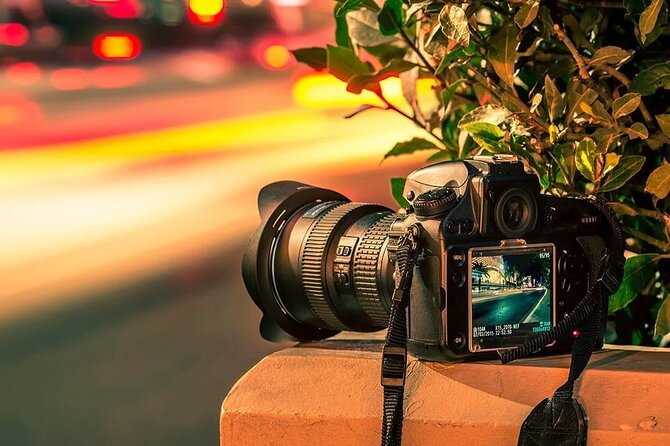
I would recommend it most strongly to beginners who want guided practice in a real outdoor setting. It also fits phone photographers who want more control over composition and visual storytelling, rather than assuming a dedicated camera is required.
Couples are another good match. The private format lets two people learn side by side, and the setting offers enough subjects for each person to make different choices. A person interested in conservation, nature documentation, or social media photography may also appreciate the focus on communication and digital presentation.
More experienced photographers should book with clear goals. If you want advanced help with a specific camera model, lens, or editing program, confirm that the workshop covers it. The course provides a broad foundation, but the available details do not promise specialist instruction in every brand or software package.
This is less suitable if you dislike early mornings, outdoor activity, or weather-dependent plans. The workshop needs good weather, and poor conditions can lead to a new date or a full refund rather than the original session.
Practical preparation for a better morning
Before leaving, charge your phone and camera batteries. If you use a dedicated camera, know how to change the basic settings you already understand so you can spend more time learning new skills.
Bring the equipment you actually want to use. Since both professional cameras and cell phones are welcome, there is no need to buy expensive gear simply for this activity. A phone can be a sensible choice if it is the tool you use every day.
Wear clothing suited to moderate outdoor activity. The workshop takes place in a park and may involve standing or walking while you look for subjects. You should also check the forecast close to the date, since poor weather can affect the schedule.
Have three questions ready. You might ask how to improve exposure, how to frame small subjects, or how to organize a short photo series. A private class gives you a better chance of getting useful answers when you make your priorities clear.
Cancellation and weather planning
You can cancel up to 24 hours before the start time for a full refund. Cancellations made less than 24 hours before the experience begin are not refunded, and changes within that period are not accepted.
The cut-off uses local time. If bad weather causes the activity to be canceled, you are offered a different date or a full refund. That policy is especially relevant here because outdoor light and wildlife are central to the experience.
Service animals are allowed, and the meeting point is near public transportation. Confirmation is provided at booking. These details make the logistics fairly simple, but I would still confirm the pickup arrangement if you do not plan to meet at the resort yourself.
Should you book the Robert Suncion photography workshop?
Book it if you want a private, practical introduction to nature photography that covers both camera technique and the purpose behind an image. The combination of Oleta River State Park, step-by-step teaching from Robert Suncion, and support for cameras or phones gives the $80 price solid value.
I would choose it especially for a beginner, a couple, or anyone who wants to turn casual photographs into a small project. Go in expecting an outdoor class, not a guaranteed wildlife show or a quick sightseeing stop. If you can handle the 7:00 am start, moderate activity, and weather risk, this is a thoughtful way to photograph Florida’s natural life while learning how images can carry an idea.
FAQ
Where does the photography workshop start?
It starts at the Ramada Plaza by Wyndham Marco Polo Beach Resort, 19201 Collins Avenue, Sunny Isles Beach, Florida 33160.
What time does the workshop begin?
The listed start time is 7:00 am.
Where does the activity end?
The activity ends back at the meeting point.
Can I use a cell phone instead of a professional camera?
Yes. The workshop teaches techniques and settings for both professional cameras and cell phones.
Is this a private activity?
Yes. Only your group participates in the workshop.
What happens if bad weather cancels the workshop?
You will be offered a different date or a full refund. You can also cancel at least 24 hours before the start time for a full refund.
More Photography Workshops and Lessons in the USA
- 2-Hour Photography Class While Touring Downtown Santa Fe, Smart Phones Welcome!
★ 5.0 · 108 reviews - Custom Half-Day Photo Tour with Photography Lessons from Asheville
★ 5.0 · 43 reviews - Milky Way Photography Workshop in Acadia National Park
★ 5.0 · 8 reviews - Paris Photography Masterclass – Private Photography Lesson
★ 5.0 · 112 reviews
Just added around the USA
- Private Wynwood Miami Photoshoot★ 3.0 · 2 reviews
- Private Sunset and Night Photo Tour★ 5.0 · 3 reviews
- Private Vacation Photography Session with Local Photographer in Miami★ 3.0 · 2 reviews
- Miami: Professional Private Photoshoot at Miami Beach★ 5.0 · 2 reviews
- Photographer, Professional Photo Shoot – Miami★ 3.0 · 2 reviews
- Private Vacation Photoshoot with Photographer in Lahaina★ 5.0 · 2 reviews
- Private Road To Hana Tour with Professional Photos Included★ 5.0 · 19 reviews
- Professional Photographer in Maui★ 4.5 · 3 reviews
Photography Workshops & Lessons, compared.
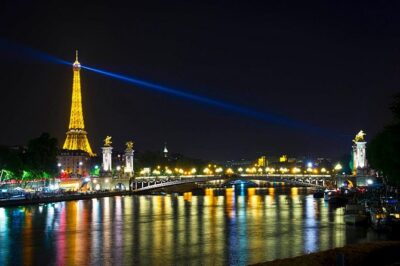
Paris Photography Masterclass – Private Photography Lesson
Read our review →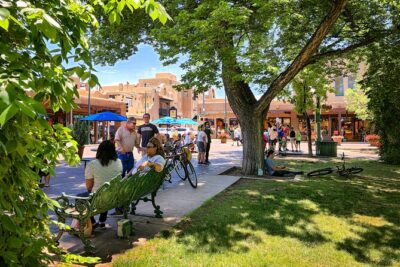
2-Hour Photography Class While Touring Downtown Santa Fe, Smart Phones Welcome!
Read our review →
Unique Rome by Night, Photo Tour and Workshop Under the Stars
Read our review →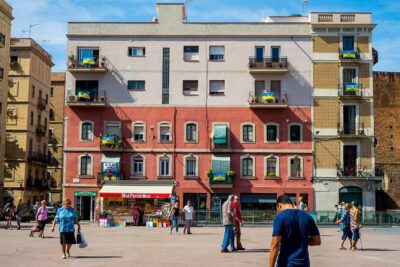
Elevate Your Photography – Barcelona Private Tour & Workshop
Read our review →
Rome Photography Masterclass – Private Photography Lesson
Read our review →
Private (Phone) Photography Class in Park & Old Town
Read our review →
Venice Photography Masterclass – Private Photography Lesson
Read our review →
Custom Half-Day Photo Tour with Photography Lessons from Asheville
Read our review →Browse the lists this shoot appears in