Review · PHOTOGRAPHY WORKSHOPS & LESSONS
Rome Photography Masterclass – Private Photography Lesson
Rome looks good from almost any angle. This private photography lesson makes it look better. Over about three hours, you work with a professional guide, practice camera settings and composition, and photograph famous places from more thoughtful positions. I especially like the one-on-one teaching and the choice of a day or night outing. The main catch is that this is a walking photography lesson, not an attraction-entry tour, and your camera is not provided.
The tour is led by Emanuele, whose teaching style appears patient and flexible. He starts by figuring out your skill level and the kind of pictures you like, then adjusts the advice to fit. That matters if you are a beginner, but it also helps if you already know your camera and want sharper street photography or architectural compositions.
Key points at a glance
- Emanuele adapts the lesson to your level: Beginners can learn basic settings, while experienced photographers can work on composition, light, and perspective.
- Day and night options change the mood: Daylight suits architecture and detail, while evening brings a different look to Rome’s fountains, streets, and monuments.
- The route covers major sights without entering them: You may photograph the Colosseum, Roman Forum, Pantheon, Trevi Fountain, Piazza Navona, and Castel Sant’Angelo.
- Private means useful feedback: Your group gets the guide’s full attention instead of sharing camera questions with a large class.
- The best value is in the coaching: You are paying for instruction, local photo spots, and personal guidance, not admission tickets or transport.
- Bring your own camera: A tripod can be arranged on request, but the camera itself is not included.
Why a private photography lesson works well in Rome
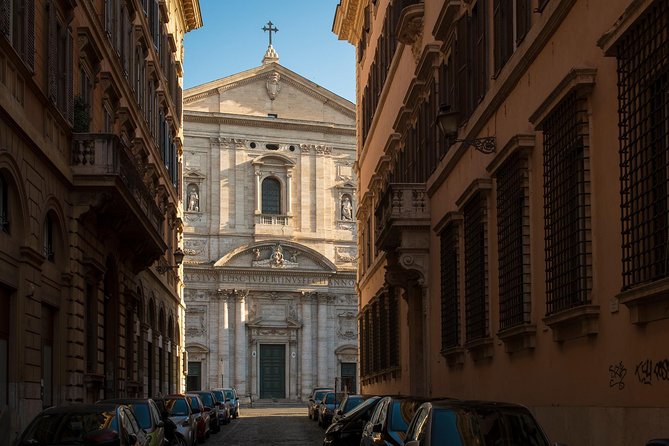
Rome can overwhelm a photographer. There are grand ruins, crowded piazzas, bright stone, narrow streets, fountains, domes, and strong shadows all competing for attention. A local guide who also understands photography can help you decide what deserves the frame.
That personal attention is the strongest reason to choose this experience. Emanuele has worked with complete beginners who had no camera experience, as well as people looking for help with manual settings and street photography composition. You are not simply following a guide from one sight to the next. You are expected to take pictures, try adjustments, and learn from what you see on the screen.
I also like the flexibility for couples and mixed-interest groups. One person can work seriously on photography while a non-photographer joins the walk. A couple even found the lesson useful when one partner was mainly there for the city rather than the camera. That makes this easier to recommend than a strict classroom-style workshop.
You should keep your expectations in check. The advertised route gives you a chance to pass by and photograph each place, but it does not promise entry to the Colosseum, Pantheon, Roman Forum, or Castel Sant’Angelo. The focus is on making photographs outside, not touring the interiors.
More Photography Workshops and Lessons in Italy
- Unique Rome by Night, Photo Tour and Workshop Under the Stars
★ 5.0 · 96 reviews - Rome by Day, Beauty and History Unique Photo Tour and Workshop
★ 5.0 · 36 reviews - Unique Photo Tour and Workshop in Rome Dusk to Dawn
★ 5.0 · 23 reviews
Starting at the Colosseum
The meeting point is Fontana del Colosseo, beside the Colosseum. It is a practical start because the monument gives you an immediate lesson in scale, lines, light, and perspective.
The Colosseum is familiar in pictures, which makes it a good test. Your guide can help you move beyond the standard centered snapshot and look for different angles, foreground details, and changes in light. The exact approach may depend on the route and the time of day, but you may pass by and photograph the exterior during this part of the walk.
The listed stop lasts about 30 minutes, though the three-hour total is approximate. That is enough time to take several versions of the same subject rather than pressing the shutter once and moving on. If you are new to photography, this is where basic settings may begin to make sense in a real place instead of on a camera menu.
The limitation is clear: admission is not part of this activity. If you want to tour the inside of the Colosseum, plan a separate visit. This lesson is about photographing Rome from the streets.
The Roman Forum and better viewpoints
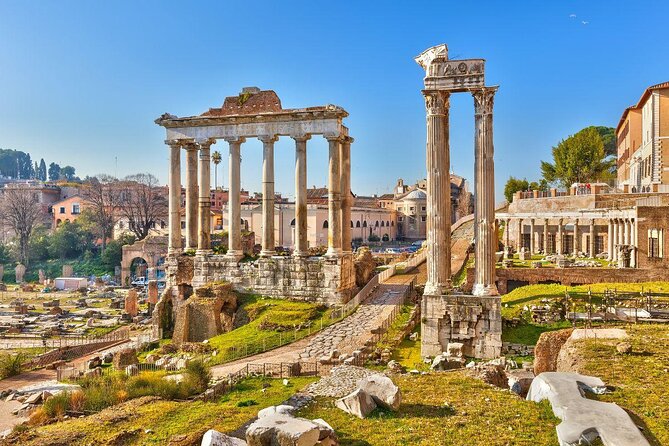
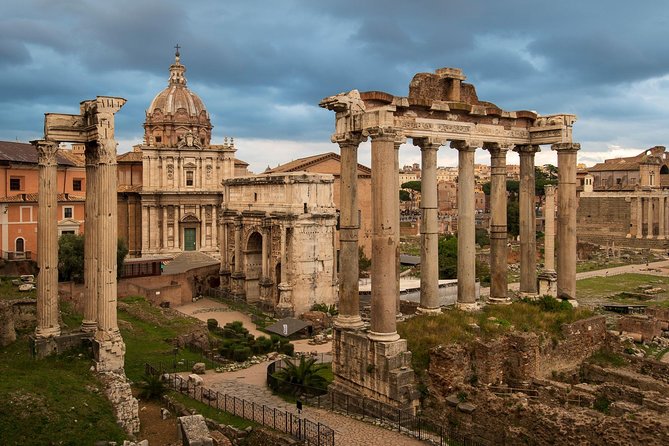
The Roman Forum is another chance to work with ruins, layers, and changing viewpoints. You may photograph the Forum from outside rather than enter the archaeological area. That keeps the walk focused and avoids turning the lesson into a long museum stop.
This part should appeal to anyone who likes urban and architectural photography. The remains are not a single neat subject. Columns, arches, stone textures, and open views can lead the eye in different directions. Emanuele has taken people to less obvious positions for photographs of the Colosseum and Forum, which is useful when you want something more personal than the usual postcard image.
I would use this section to ask direct questions. How much of the sky should be included? Should you expose for pale stone or dark shadows? Is the strongest picture wide and sweeping, or close and detailed? A private lesson gives you room to ask those things as they arise.
The Roman Forum stop is also a reminder that a good picture does not always require an entrance ticket. If your main goal is to learn how to see and compose, street-level views can provide plenty of material.
The Pantheon and the challenge of bright stone
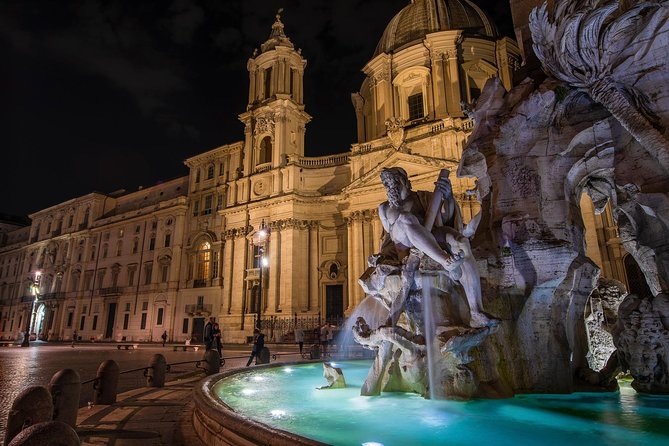
The Pantheon may be passed on the route and photographed from outside. Its ancient façade and columns offer a different kind of subject from the Colosseum. Instead of rough ruins and broad open space, you get strong geometry and a more compact architectural frame.
This is a useful place to work on straight lines and composition. Columns can pull a picture toward symmetry, while the surrounding square may tempt you to include too much. A guide can help you decide where to stand and how much of the setting belongs in the image.
You may also find bright stone tricky in strong daylight. That gives you a practical chance to learn how your camera handles highlights and contrast. Advice on settings is one of the most praised parts of this experience, especially for people still learning what their camera can do.
Again, the Pantheon visit is photographic rather than an interior tour. Admission is not included, and the route may simply take you past the building for exterior pictures.
Same place, a different kind of shoot:
- Rome: Explore the City by Vespa with an Optional Photoshoot
★ 5.0 · 1,103 reviews - Rome Vespa Scooter Tour with Professional Photographer
★ 5.0 · 857 reviews - Rome: Photoshoot Service with Vintage Fiat 500
★ 5.0 · 611 reviews - Rome: Personalized Photoshoot outside the Colosseum
★ 5.0 · 526 reviews
Trevi Fountain and the value of timing
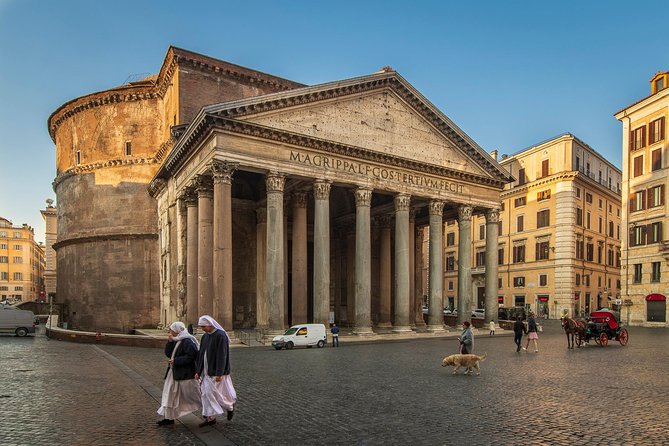
Trevi Fountain is one of Rome’s most photographed places, so an ordinary front-on picture can feel familiar before you even take it. This is where local guidance can make a real difference.
Emanuele has taken people to a less obvious place for a strong Trevi Fountain photograph. The precise location is not specified, so you should not expect a guaranteed secret viewpoint, but the promise is useful: the lesson is not limited to the first spot where everyone stops.
The fountain also makes a good subject for discussing light. A daytime visit can show the white stone and blue water clearly, while a night visit may offer a more dramatic mood. The tour lets you choose day or night according to your interests, though the exact schedule is not stated.
Expect about 30 minutes at the stop. That can pass quickly if you are trying different compositions. If you want a long, relaxed session at Trevi Fountain, tell the guide at the start. The route includes several major sights, so time is shared among them.
Piazza Navona for people, space, and street scenes
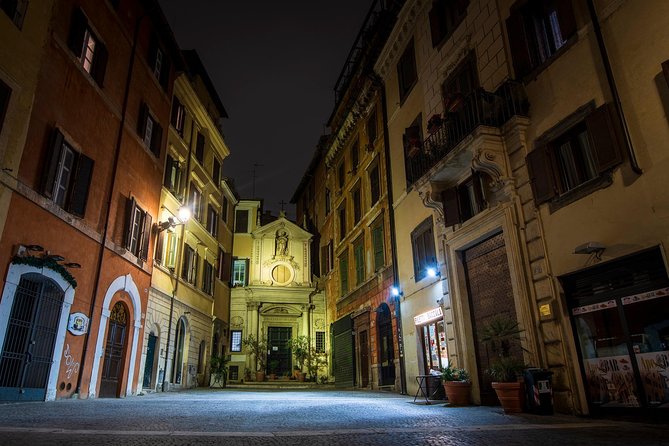
Piazza Navona brings a different photographic problem. It is not just a monument. It is an open public square with fountains, façades, movement, and changing relationships between people and architecture.
You may pass through and photograph the piazza for about 30 minutes. This is a useful setting for street photography composition, a skill that Emanuele has specifically taught during the walk. You can practice deciding what belongs in the frame, when to wait, and how to use the surrounding buildings rather than treating every picture as a close-up of a landmark.
A night option may suit you particularly well here. Artificial light changes the feel of the fountains and buildings, and the square can produce more atmospheric photographs than a bright midday visit. Still, the experience does not promise a specific lighting condition, so choose your time based on your own priorities.
If you are traveling with a partner who does not photograph, Piazza Navona may be one of the easier parts of the route for them to enjoy. There is plenty to see while you work through camera settings.
Castel Sant’Angelo and the final stretch
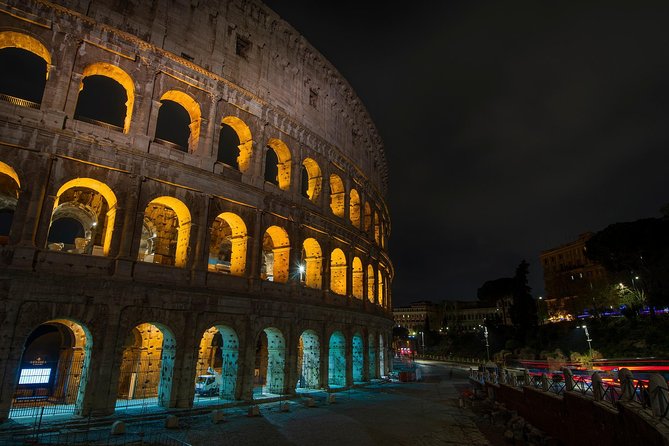
Castel Sant’Angelo may be included as another exterior photo stop. Its round mass and riverside setting give you a change from the ancient ruins and city fountains earlier in the walk.
This is a good place to think about shape and position. A large building can dominate a frame, but the strongest photograph may include space around it. Your guide can help you test different perspectives and decide how much context to show.
The stop is listed at about 30 minutes, and the activity ends back at the meeting point. Since transportation to and from the attractions is not included, you should be ready to walk between locations. The information does not give a precise walking distance or route order, so wear comfortable shoes and allow flexibility.
A useful practical detail comes from one particularly helpful outing: Emanuele assisted a participant with finding the Metro and waited while the ticket was sorted. That kind of help is not listed as a formal service, so I would not book on the assumption that transport support is guaranteed. Still, it suggests the guide may be attentive to practical needs as well as photography.
What you actually learn in three hours
The instruction can cover camera settings, lighting, perspective, composition, and street photography. The lesson is not presented as a fixed technical course, so the exact content depends on your starting point.
If you have no experience, you can expect the guide to begin with the basics. One beginner received enough direction to keep practicing after the lesson, which is important. A good short course should give you a method you can use later, not just a handful of nice pictures from one afternoon.
If you already use a camera, ask for targeted help. You might focus on architectural lines, low-light settings, framing, or finding unusual viewpoints. The guide has been praised for taking time to understand a person’s style before offering advice, so arrive ready to explain what you want to improve.
I would bring your camera with a charged battery and enough storage. The activity does not provide a camera. A tripod is available on request, but you should arrange that in advance rather than assume one will be waiting at the meeting point.
A phone may also be useful, but the experience is clearly designed around bringing a camera. If you want instruction on a specific model, bring that exact camera and be ready to use it during the walk.
Day or night, which should you choose?
Choose daytime if you want to study building detail, stone texture, perspective, and general camera control. Natural light makes it easier to see what your settings are doing, especially if you are a beginner.
Choose nighttime if mood, artificial light, and street scenes matter more to you. Rome’s fountains and monuments can look very different after dark, and one participant described a night photography session as a highlight of the visit.
The tour description does not provide exact start times for either option. Check the available departure when booking. Also remember that the same three-hour window covers the route, so you may have less time at each landmark than on a dedicated single-site photo session.
Is $181.02 per person good value?
At $181.02 per person, this is not a cheap sightseeing walk. You are paying for a private experience, a local guide, a professional photography guide, and about three hours of personal instruction.
The value is strongest if you would otherwise pay for a camera class and a city tour separately. You get practical lessons in real Roman settings, help finding better positions, and the chance to ask questions without a large group waiting. The private format also makes the price easier to justify for two people who want different levels of instruction.
The value is weaker if you mainly want a sightseeing tour or a guaranteed collection of professional portraits. Admission tickets, transport, and the camera are not included. The route may pass by the sights without entering them, and the activity does not promise edited photographs or a set number of finished images.
Group discounts are available, which may help if you are booking for more than one person. The experience is often booked well ahead, with an average of 96 days in advance, so popular dates may require planning.
Who should book this Rome photo walk?
I would recommend it most strongly to:
- Beginners who want patient, practical help with a real camera.
- Amateur photographers who want better composition and street photography skills.
- Couples where one person photographs and the other wants to see Rome.
- People with only a short time in Rome who want sightseeing combined with instruction.
- Repeat visitors who have already seen the main monuments and want a fresh way to look at them.
- Photographers choosing between a daylight architecture session and a nighttime city session.
It may not suit you if you want an in-depth tour of ancient sites, a long stop at every monument, or a fully arranged photography package with equipment supplied. It is also less suitable if walking between central Rome sights is a problem, since transport between attractions is not included.
The private format is a real advantage. Emanuele has been praised for patience, clear technical advice, and an ability to help people see Rome from a different angle. That combination of local knowledge and photography coaching is the heart of the experience.
Booking, meeting point, and cancellation
You meet at Fontana del Colosseo, 00184 Roma RM, Italy, and return to the same meeting point. The location is near public transportation, and most people can participate.
Confirmation is provided at booking. The activity is private, so only your group takes part. English is offered, and mobile tickets are available.
You can cancel for a full refund up to 24 hours before the start time. Changes or cancellations made less than 24 hours before the local start time are not accepted for a refund.
Should you book it?
Book this if you want to learn while seeing Rome, rather than simply collect another set of landmark snapshots. The strongest reasons are Emanuele’s personal teaching, the private format, and the chance to work on real settings at places such as the Colosseum, Trevi Fountain, and Piazza Navona.
I would book the night option for mood and street scenes, or the day option for architecture and beginner-friendly camera practice. Just bring your own camera, confirm whether you want a tripod, and remember that this is an exterior photo walk, not an admission tour. For photographers who want useful skills and more individual attention, the $181.02 price can be fair value.
FAQ
How long does the Rome Photography Masterclass last?
The experience lasts approximately three hours.
Is the photography tour private?
Yes. Only your group participates, and the tour includes a private guide.
Is a camera provided?
No. You need to bring your own camera.
Can I request a tripod?
Yes. A tripod is available upon request.
Does the tour include admission to the Colosseum or other attractions?
No. The route may pass by and photograph the Colosseum, Pantheon, Roman Forum, Trevi Fountain, Piazza Navona, and Castel Sant’Angelo, but attraction admission is not included.
Where does the experience start and finish?
It starts at Fontana del Colosseo in Rome and ends back at the same meeting point.
Can I cancel for a full refund?
Yes. You can cancel at least 24 hours before the local start time for a full refund. Cancellations or changes made less than 24 hours before the start time are not accepted.
More Private Photoshoots in Rome
- Rome: Early Morning Private Photoshoot at Iconic Landmarks
★ 5.0 · 206 reviews - Private Photoshoot in Rome
★ 5.0 · 201 reviews - Rome: Colosseum Photoshoot, Private & Custom Experience
★ 5.0 · 141 reviews - Rome: Vatican and Castel Sant’Angelo Private Photoshoot
★ 4.9 · 133 reviews
More Private Photoshoots in Italy
- Rome: Colosseum Photoshoot – Private Session
★ 5.0 · 304 reviews - Rome: Private Photoshoot at the Trevi Fountain
★ 4.9 · 235 reviews - Rome: Iconic Trevi Fountain Private Photoshoot Experience
★ 5.0 · 233 reviews - Rome: 1-Hour Private Photo Shoot for Family, Couples or Solo
★ 5.0 · 214 reviews
Just added around Rome
- Golf cart tour in Rome & Professional Photoshoot★ 5.0 · 2 reviews
- Rome : Golf cart tour & Professional Photoshoot★ 4.5 · 13 reviews
- Professional Photoshoot in the Eternal City Rome★ 5.0 · 19 reviews
- Explore city on Vespa with Professional Photographer★ 5.0 · 3 reviews
- Expert Photographer of Rome with Guide★ 5.0 · 7 reviews
- Electric Tuk-Tuk Photography Service of Rome★ 5.0 · 3 reviews
- Early morning photoshoot at The Trevi Fountain★ 4.4 · 36 reviews
- Cinematic Photoshoot in Rome★ 5.0 · 42 reviews
Photography Workshops & Lessons, compared.
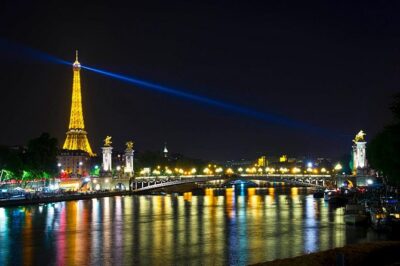
Paris Photography Masterclass – Private Photography Lesson
Read our review →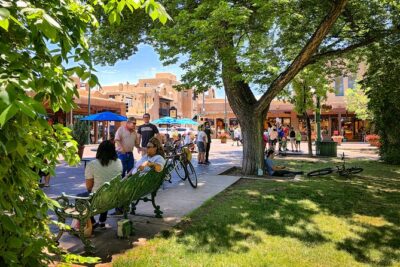
2-Hour Photography Class While Touring Downtown Santa Fe, Smart Phones Welcome!
Read our review →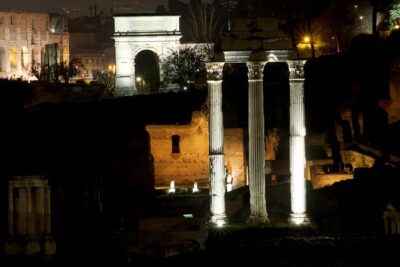
Unique Rome by Night, Photo Tour and Workshop Under the Stars
Read our review →
Elevate Your Photography – Barcelona Private Tour & Workshop
Read our review →
Venice Photography Masterclass – Private Photography Lesson
Read our review →
Edinburgh Photography Masterclass – Private Photography Lesson
Read our review →
Rome by Day, Beauty and History Unique Photo Tour and Workshop
Read our review →