
Review · STREET PHOTOGRAPHY TOURS
Hanoi Street Photography in a Vintage Community
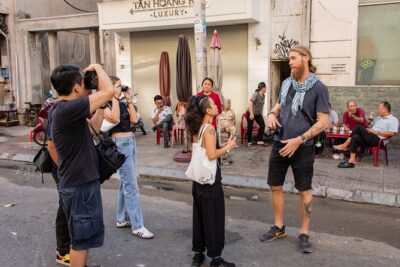
Hanoi keeps its best photo stories behind plain doors. This four-hour workshop takes you through a former working-class housing area built in the 1950s and 1960s, where Soviet-style blocks, tea stalls, repair shops, markets, and old staircases create an unusually honest picture of daily life. I like the small groups of four or fewer and the chance to work with a photography instructor rather than simply walk past with a camera. The $98 price is fair for focused instruction and transport, though it is more than a basic neighborhood walk.
I also like the human scale of the outing. You are not chasing Hanoi’s famous sights. You are photographing people relaxing near playgrounds, elderly residents, children, tangled wires, aging yellow walls, and the ordinary corners that give a district its character. Guides named Mike, Son, and James have been praised for their camera help and cultural explanations. The main consideration is that lunch and dinner are not included, so plan to eat before or after the tour.
Key points to know before you book
- A rare look at worker housing: Photograph Hanoi’s former State-built housing areas, shaped by Soviet planning after the French left Vietnam.
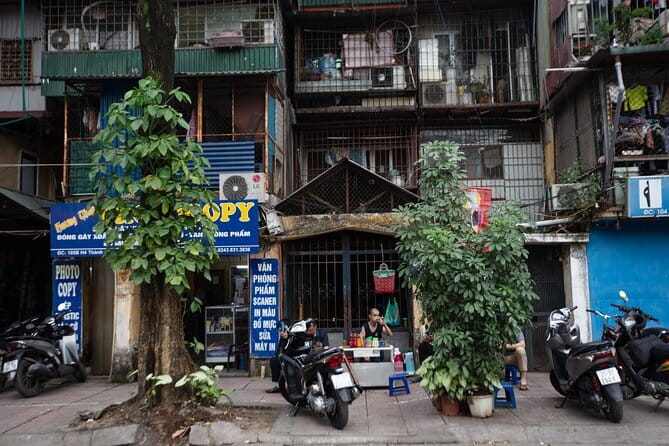
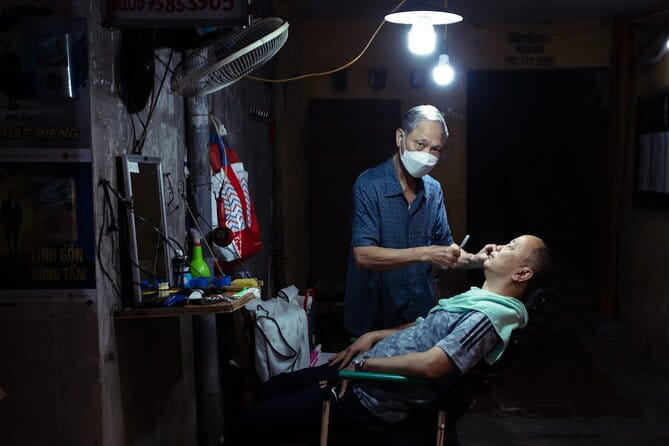
- A real working neighborhood: Markets, roadside tea stalls, barber shops, scooter repair shops, playgrounds, and residential lanes supply the subjects.
- Small-group instruction: The maximum group size is four, giving you a better chance to ask about camera settings and composition.
- Useful help for any camera level: The guide can discuss camera settings, and one past participant enjoyed the outing even without a camera.
- Four hours with transport: Pickup is offered, an air-conditioned vehicle is included, and coffee or tea is part of the experience.
- A focused photography outing: At $98 per person, the value comes from local access and instruction, not from a long list of included meals or attractions.
Why this old neighborhood makes a strong photo subject
Hanoi is often photographed through its famous lake, colonial buildings, narrow shopfronts, and street food. This workshop points your lens somewhere less polished: a residential district built for workers during the early decades of modern Vietnamese state housing.
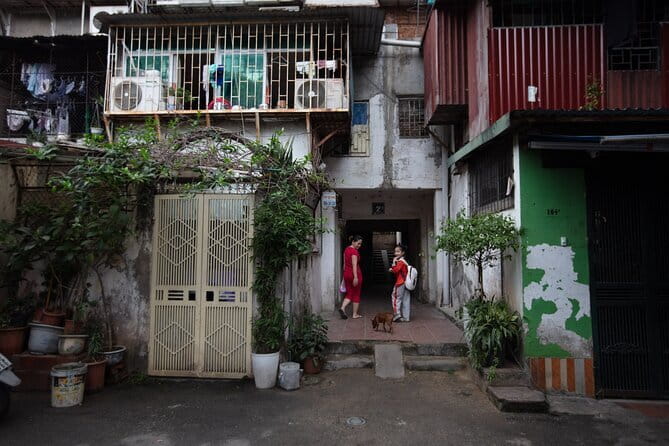
The architecture reflects Soviet planning. Expect a maze of older buildings, worn stairways, yellow walls, improvised cages, exposed wires, and lanes that twist between blocks. The setting is not presented as a preserved museum. It remains a place where people live, work, rest, repair things, and meet friends.
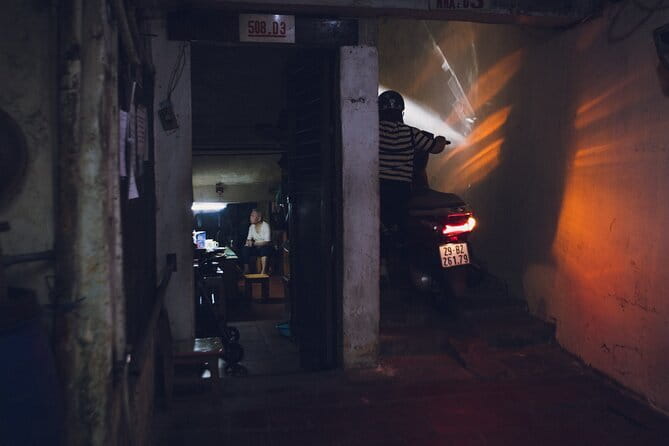
That matters for photography. You are not waiting for a staged cultural performance or a perfectly arranged market scene. You might find a tea stall beside a cracked wall, a scooter repair shop squeezed under a stairwell, or residents sitting near a playground. These details tell you how the neighborhood functions.
I like this kind of outing because it asks you to notice relationships between people and place. A market is not only a collection of colors. It is also a passage through the neighborhood. A tangle of wires is not merely visual clutter. It shows how older buildings have adapted to modern life. The guide’s role is to help you see those connections while also helping you make stronger pictures.
More Street Photography Tours in Hanoi:
- Hanoi Street Photography with a Pro – Phone & Camera
★ 5.0 · 27 reviews - Cultural Hanoi Photo Walk – A Street Photography Tour
★ 5.0 · 6 reviews - Hanoi street photography workshop with Fujifilm Global Ambassador
★ 5.0 · 2 reviews
Entering Hanoi’s 1950s and 1960s housing maze
The outing centers on a vintage residential area built after the French retreat from Vietnam, with many buildings dating to the 1950s and 1960s. The precise date of each structure may vary, but the overall character is clear: these were practical homes linked to Hanoi’s working population, not grand residences made for display.
The maze-like layout is part of the appeal. You can photograph repeated balconies, aging facades, narrow passages, staircases, and small domestic spaces that spill into shared areas. The Soviet influence gives the buildings a different look from the older French quarter. Here, the visual story is one of function, adaptation, and time.
You should expect a walking experience through active residential lanes rather than a neat sightseeing circuit. That means the best scene may be around the next corner, and the route may feel visually crowded. For a photographer, this is useful. You can practice framing small moments within a busy setting.
It also means you should be ready to slow down. A four-hour workshop sounds generous, but markets, workshops, people, and buildings can compete for your attention. If you try to photograph everything, your results may become scattered. Ask the guide to help you choose a theme, such as daily work, aging architecture, or portraits of neighborhood life.
Markets, tea stalls, and repair shops
The market is likely to be one of the busiest parts of the route. You can expect color, movement, conversation, and tightly packed displays. These scenes reward quick decisions, especially if you are working with a phone or a basic camera rather than a full kit.
The market also gives you a chance to photograph Hanoi as a place of routine. You are not simply recording a tourist attraction. You are watching people buy, sell, carry, wait, and talk. Ask your instructor how to frame the scene without turning it into a pile of unrelated details.
Roadside tea stalls offer a different pace. A market can give you action, while a tea stall may provide a quieter picture of social life. Older residents sitting by the road, cups on a low table, and the surrounding architecture can create a strong sense of place without requiring dramatic action.
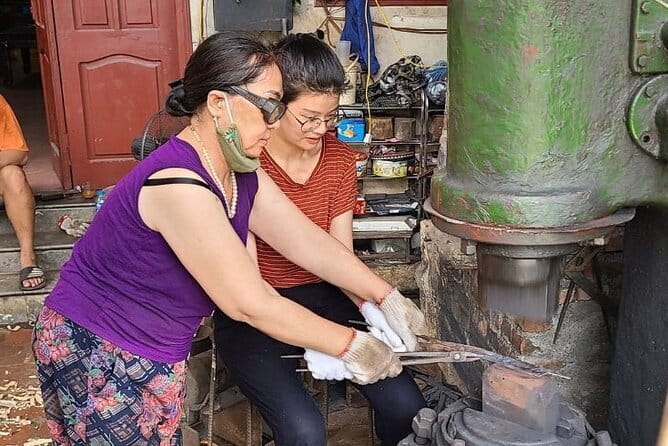
The scooter repair shop and barber shop add another layer. Both are practical neighborhood businesses, and both may offer close views of hands, tools, mirrors, machines, and waiting customers. The guide can help you work with tight spaces and distracting backgrounds. That is one reason an instructor is more useful here than a standard walking guide.
The information provided does not promise specific stops in a fixed order. Think of these subjects as the kinds of places you will encounter as you move through the area, not as guaranteed appointments. The neighborhood itself determines what is available on the day.
People, privacy, and photographing ordinary life

Children, elderly residents, people at tea stalls, and neighbors relaxing near playgrounds may become part of your pictures. The strength of this workshop is also its responsibility: you are working in someone’s home area, not on a film set.
A good guide can help you judge when a scene is appropriate and how to approach people. The guides associated with Momentlives Photography Tours have been praised for cultural explanations as well as camera advice. Mike is specifically noted for helping with camera settings, while Son and James are praised for combining photography skill with local context.
You should still use common sense. Avoid treating people as background decoration, and follow the guide’s lead when a moment feels private. A respectful approach often produces a better photograph anyway. Patience and a friendly attitude are more useful than a costly lens.
One useful point from the feedback is that the outing can work even if you are not carrying a serious camera. A participant noted that the experience was worthwhile for people without a camera because the neighborhood itself is engaging. That makes the workshop broader than a technical class, although photographers will get the most direct value from the instruction.
A few more photo experiences around Hanoi worth a look
- Instagram Incense Quang Phu Cau Village Tour with Train Street
★ 5.0 · 323 reviews - Hanoi Private Photoshoot – Iconic Spots & Hidden Gems
★ 5.0 · 118 reviews - Hanoi Instagram Tour: The Most Scenic Spots
★ 5.0 · 94 reviews - Hanoi: Instagram-Worthy Tour of City’s Most Scenic Spots
★ 4.9 · 69 reviews
How the photography instruction adds value
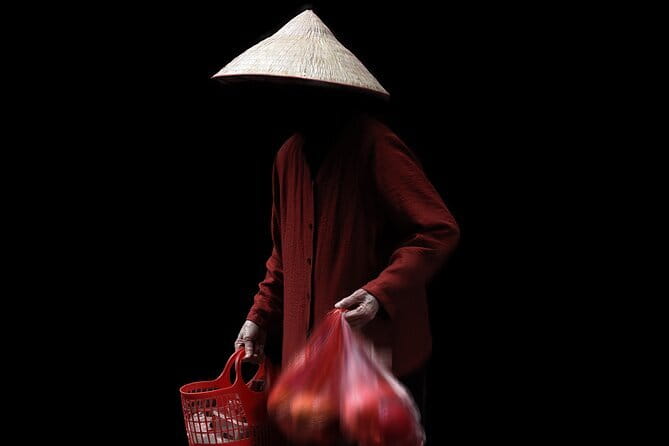
The workshop is not just a route through old buildings. It is designed around making pictures. The instructor can help you consider camera settings, framing, and the way you respond to changing light and movement.
The practical value depends on your goals. If you are new to photography, you can use the outing to learn how to manage a camera in real conditions rather than in a classroom. Markets and lanes force you to decide quickly. You may need to balance a moving subject with a cluttered background or find a clean frame in a crowded passage.
If you already photograph regularly, the benefit is less about basic controls and more about access and editing choices. A local guide can take you to scenes you would be unlikely to find by wandering without context. You can also ask for help deciding which ordinary details are worth pursuing.
The strongest reported guide quality is the combination of photographic ability and local knowledge. Son, Mike, and James are each praised in different accounts, with comments about camera settings, cultural explanations, and unusual places. Since guide assignments can change, you should not assume a particular person will lead your tour. Still, the repeated emphasis on guide quality is a good sign for an instruction-focused outing.
Why the group size matters at $98
The maximum group size is four people. That is a major part of the value. In a larger group, a guide would have to split attention among different cameras, experience levels, and subjects. With four or fewer, you have a better chance to ask a question while the moment is still in front of you.
At $98 per person, this is not the cheapest way to see a Hanoi neighborhood. You are paying for a specialized workshop, an instructor, a small group, an air-conditioned vehicle, and coffee or tea. You are not paying for a meal, a long list of attractions, or an all-day excursion.
I would judge the price by how much guidance you want. If you only want to wander and take casual snapshots, you can explore Hanoi for far less. If you want help with settings, composition, local context, and access to a district outside the usual tourist routes, the price becomes easier to justify.
The group discount may improve the value if you are booking with companions. Pickup is offered, but the exact pickup area and timing are not provided, so confirm those details before booking. The air-conditioned vehicle is useful in Hanoi’s heat, though the experience itself remains centered on walking and photographing the neighborhood.
What the four-hour schedule feels like
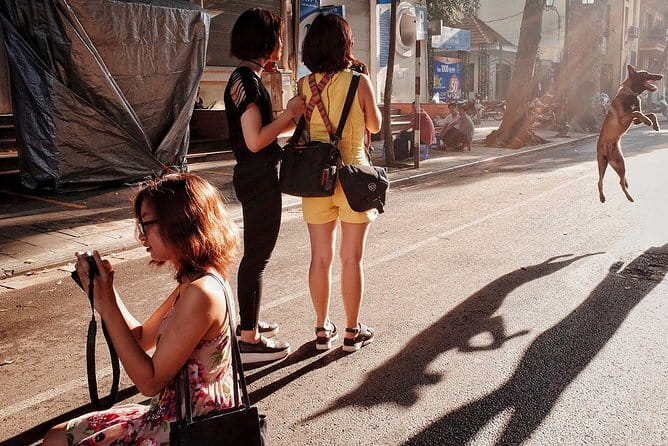
Four hours is long enough to develop a visual idea without committing your whole day. You can spend time learning the guide’s approach, walking through the housing area, photographing several types of scenes, and pausing for coffee or tea.
The pace is not described as a fixed minute-by-minute itinerary. That is probably an advantage for photography. A strict schedule can force you away from a good scene just as it develops. Here, the route can respond to what is happening in the neighborhood.
You should avoid scheduling an important attraction immediately afterward if you want to work carefully. The workshop may finish on time, but photography has a way of stretching a short stop into several minutes. If you are hoping for a meal after the tour, remember that lunch and dinner are not included.
The vehicle and pickup make the outing easier to manage, especially if you are carrying camera equipment. The supplied information does not specify the exact pickup location, so treat pickup as an offered feature rather than a promise of door-to-door service at every Hanoi address.
Who will get the most from this workshop
I would recommend this experience most strongly to photographers who want daily life rather than famous monuments. It suits people interested in street photography, architecture, social history, and small human moments.
It is also a good match for anyone who has already seen Hanoi’s main sights and wants a different subject. The neighborhood shows how residents use older buildings in practical ways. You may come away with pictures that say more about present-day life than another image of a well-known landmark.
Beginners can benefit from the guide’s camera instruction. You do not need to arrive with expert technical skills. The small group makes it easier to ask basic questions without slowing down a large party.
More advanced photographers should book it for access and local perspective, not for a formal masterclass. The available information confirms help with camera settings and photography guidance, but it does not promise detailed lessons in lighting, post-processing, or a finished portfolio review.
People who dislike walking through active residential areas may find the setting uncomfortable. The buildings are old, the lanes can be crowded, and the visual appeal comes partly from wear, improvisation, and everyday disorder. This is not a polished attraction.
Booking advice, timing, and cancellation
Confirmation is received when you book, and most people can participate. The maximum is four participants, which makes early booking sensible if you want a particular date or are traveling with a small group.
Free cancellation is available if you cancel at least 24 hours before the start time. Cancellations made less than 24 hours before the experience are not refunded, and changes inside that window are not accepted. The cut-off follows Hanoi local time.
Bring the camera you actually know how to use. A phone can work for the subject matter, but a dedicated camera gives you more control if you want to apply the instructor’s advice. Wear something suitable for walking, and leave room in your day for a meal outside the tour.
Should you book Hanoi Street Photography in a Vintage Community?
Book it if you want a small, focused photography outing with access to an ordinary Hanoi district rather than a parade of famous sights. The strongest reasons are the maximum group size of four, the practical camera help, and the chance to photograph worker housing, markets, tea stalls, repair shops, and residents in their daily surroundings.
Skip it if you want a low-cost walking tour, a formal historical lecture, or a meal included in the price. At $98, the experience makes sense when you value instruction and local access. For the right photographer, it can produce a more personal record of Hanoi than the standard postcard views.
FAQ
Where does the photography workshop take place?
It takes place in Hanoi, in a vintage residential area built during the 1950s and 1960s for working-class residents.
How long does the experience last?
The workshop lasts approximately four hours.
How much does it cost?
The listed price is $98 per person.
What is included?
A photography instructor, an air-conditioned vehicle, and coffee or tea are included.
Are lunch and dinner included?
No. Lunch and dinner are not included.
Is pickup available?
Yes. Pickup is offered, though the specific pickup details are not provided.
How large is the group?
The maximum group size is four participants.
Can beginners join?
Yes. Most people can participate, and the guide can provide help with camera settings. The experience can also suit people without a camera.
Will I photograph markets and local businesses?
You can expect opportunities to photograph a colorful market, roadside tea stalls, scooter repair shops, barber shops, playgrounds, older buildings, and residential lanes.
What is the cancellation policy?
You can cancel at least 24 hours before the start time for a full refund. Cancellations or changes made less than 24 hours before the start time are not accepted for a refund.
Just added around Hanoi
- Ultimate Hanoi Photography Tour★ 5.0 · 19 reviews
- Vietnam Fishing village photography tours★ 5.0 · 3 reviews
- Instagram Tour Duong Lam Ancient Village with Train Street Visit★ 5.0 · 3 reviews
- Private Photo Session with a Local Photographer in Hanoi★ 5.0 · 2 reviews
- Tho Ha Handicaft Village – Private Hanoi Photo Tour★ 5.0 · 2 reviews
- Photography Tour to Tho Ha – The rice paper making village★ 5.0 · 4 reviews
- Hanoi by Night Photo Tour★ 5.0 · 4 reviews
- Photo Tour to Capture The Vanishing Craft of Making Fish Traps★ 5.0 · 31 reviews
Street Photography Tours, compared.
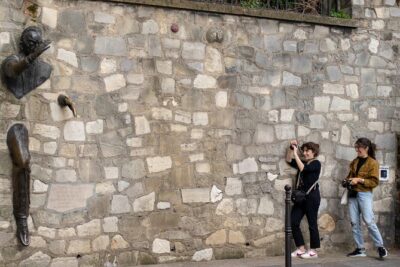
Learn the art of street photography in the heart of Montmartre!
Read our review →
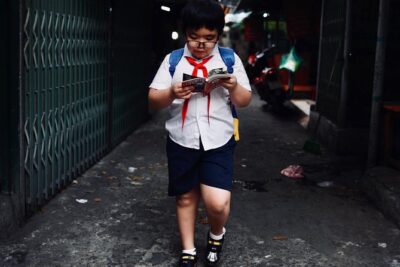
Hanoi Street Photography with a Pro – Phone & Camera
Read our review →
Street photography with your smartphone, tour of Budapest
Read our review →
Cultural Hanoi Photo Walk – A Street Photography Tour
Read our review →Browse the lists this shoot appears in