
Review · PHOTOGRAPHY TOURS
Photo Tour to Capture The Vanishing Craft of Making Fish Traps
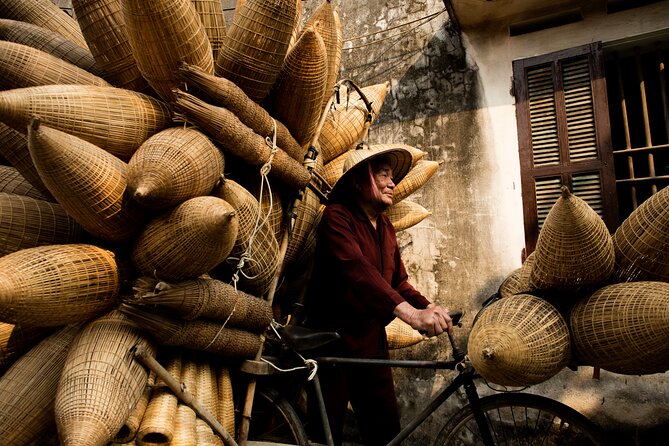
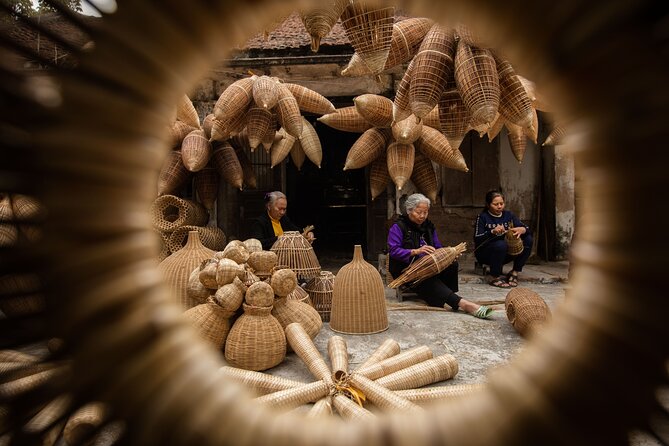
Old hands. Fresh bamboo. A craft fading fast. This half-day photo tour from Hanoi takes you to Hung Yen, where a small number of elderly workers still weave fish traps from bamboo and other natural materials. I like the chance to photograph a living tradition rather than a staged museum display, and I like the very small group size, capped at four people. The strongest bonus is the local escorted photographer, who can help with portraits, composition, and light. The main drawback is the price: at $168 per person, this is a serious outlay for a four-and-a-half-hour outing, especially since the actual stop lasts about two hours.
The scene is tailor-made for documentary photography: skilled hands, weathered walls, old tools, and an old house that gives the pictures a strong sense of place. You should also know that the tour depends on good weather and has a strict nonrefundable policy unless the operator cancels it for poor weather or insufficient bookings.
Key points before you book
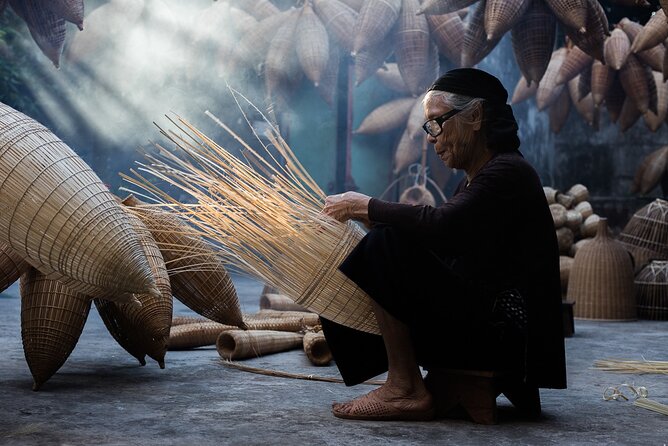
- Photograph an endangered rural craft: Elderly makers weave bamboo fish traps by hand, preserving a trade that is slowly disappearing.
- Hung Yen is the main stop: The visit includes about two hours at the craft site, with travel time included in the total tour length.
- A local photographer travels with you: Guidance may cover portraits, composition, lighting, and ways to approach the scene respectfully.
- The group is limited to four: This gives you more room to work and more opportunity for personal help.
- Pickup and transport are included: You get an air-conditioned vehicle and bottled water, but meals are not included.
- Plan for weather and commitment: The booking cannot normally be changed or refunded if you cancel.
Why this fish-trap workshop matters
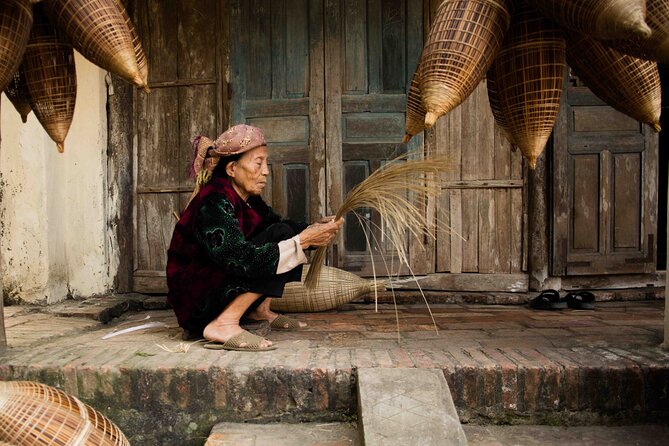
You are not simply photographing an attractive rural scene. You are recording a practical skill that may soon vanish. The people making these traps are elderly, and younger workers are moving toward offices and factories. That shift is easy to understand, but it also means the old knowledge may not pass to another generation.
The fish traps themselves are humble objects. They are made from bamboo and other natural materials, shaped for use rather than display. Yet the weaving creates repeating lines, textures, shadows, and curves that work beautifully in photographs. The craft is useful, but the process is also graceful.
I especially like the human scale of this visit. The main subject is not a grand monument or a carefully restored building. It is the maker’s hand. You can focus on fingers bending bamboo, a face concentrating on a difficult section, or a finished trap resting against the old walls.
The setting adds another layer. The weathered house provides a backdrop marked by age and use. Put the workers and the building together, and your photographs can show more than an object. They can suggest a whole way of life shaped by local materials, manual skill, and patience.
More Photography Tours in Vietnam
- Hanoi Explorer Photo Tour
★ 5.0 · 40 reviews - Hanoi On the Tracks Photo Tour
★ 5.0 · 33 reviews - Ultimate Hanoi Photography Tour
★ 5.0 · 19 reviews
Reaching Hung Yen from Hanoi
The tour lasts about four hours and 30 minutes, and that total includes travel time. The listed visit at Hung Yen lasts two hours, so you should think of this as a focused countryside photo outing rather than a full-day village tour.
Pickup is offered, and transport is by air-conditioned vehicle. Bottled water and all fees and taxes are included. That keeps the practical side simple, particularly if you are carrying a camera bag and would rather not arrange a separate taxi or driver.
The journey matters because this is not a city-center activity. You leave Hanoi for a rural setting where the craft still takes place in its working environment. The supplied details do not promise a particular pickup point or a precise driving time, so confirm those arrangements when booking.
The small vehicle and four-person limit are important. With only a few people, you should have more freedom to position yourself without turning the workshop into a crowd. It also gives the accompanying photographer a reasonable chance to offer individual advice.
Two hours with the fish-trap makers
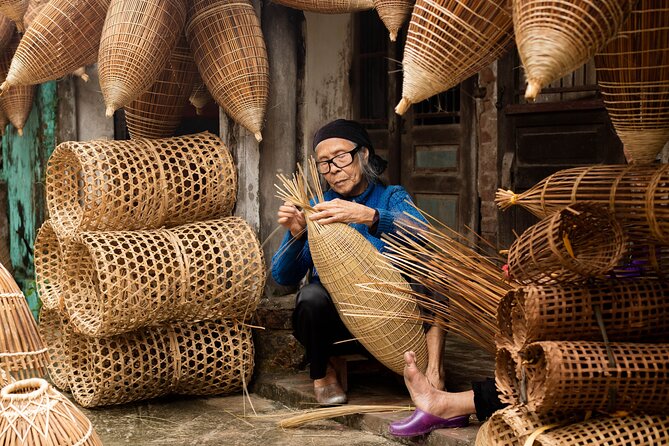
At Hung Yen, the focus is the making process. You can expect to see bamboo and other natural materials being shaped into intricate traps by hand. The value is in watching the stages, not just photographing the finished item.
Your camera will find plenty to work with:
- Hands gripping and bending bamboo
- Repeated woven patterns
- Close-ups of natural materials
- Faces framed by the old house
- Finished traps set against aged walls
- Wider portraits showing the workers in their surroundings
The best approach is to make a small set of varied pictures. Begin with a wider frame that explains the place. Then move to medium portraits and close details. A single close-up of hands can be striking, but it will mean more when paired with an image that shows the person and the house.
The accompanying photographer is a key part of the outing. The supplied comments describe help with portrait work, composition, lighting, and different angles. Mike is named in connection with this kind of guidance, while Son Trieu and James are also associated with photo outings to Vietnamese craft villages. Your assigned guide may vary, so it is sensible to confirm who will accompany you.
This is not presented as a formal classroom with a published lesson plan. Think of the guidance as practical help in the field. You can ask for a better angle, a stronger composition, or advice on making an environmental portrait. That is useful if you know your camera well but want help seeing the scene differently.
Photographing people with care
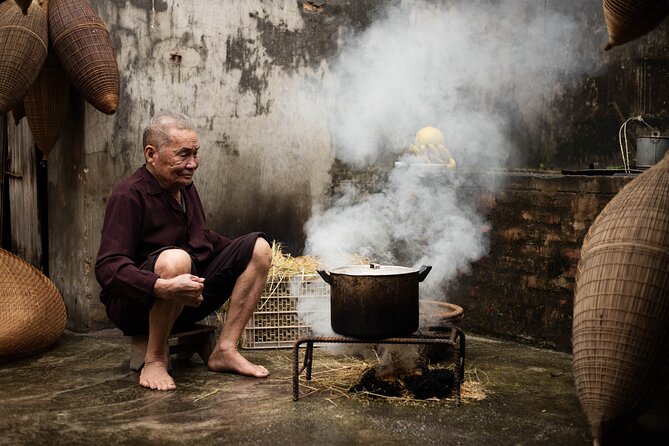
Portrait photography becomes much better when the person is treated as more than a subject. Here, the craft itself gives you a natural reason to focus on the workers. Their hands, posture, tools, and concentration all belong in the story.
A local escort can help with communication and introductions. That matters in a working setting, where a camera pointed at someone can otherwise feel intrusive. Still, you should remain attentive. Ask before making close portraits, take your time, and avoid treating the workers as scenery.
The old house makes environmental portraits especially promising. Rather than isolating a face against a blank background, you can include the walls, bamboo, and workspace. The result can show the connection between the makers and the place where the craft continues.
The tour’s purpose also has a wider value. By paying for a visit centered on this work, you help direct attention toward the elderly people who still make a living from weaving fish traps. That does not guarantee the craft will survive, but it gives the work recognition and gives you a more meaningful subject than a quick snapshot.
More Photography Tours in Hanoi:
- Hanoi Long Bien Sunrise Photo Tour
★ 5.0 · 16 reviews - Into the Thieves Market Hanoi Photo Tour
★ 5.0 · 10 reviews - Cultural Hanoi Photo Walk – A Street Photography Tour
★ 5.0 · 6 reviews - Photography Tour to Tho Ha – The rice paper making village
★ 5.0 · 4 reviews
What makes the local photographer valuable
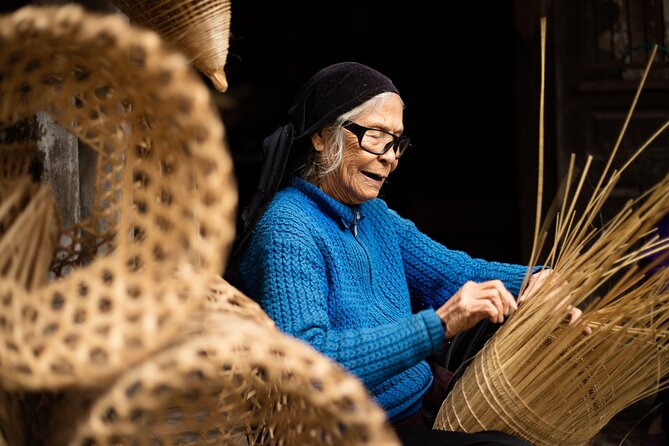
A good photo guide does more than point out where to stand. The strongest praise connected with this tour focuses on the guide’s relationship with local people and the ability to suggest useful angles and lighting choices.
That can change the quality of your pictures. A visitor may see an old wall and a worker. A photographer may help you notice how the wall frames the face, how the bamboo lines lead the eye, or how a small shift in position changes the background.
Son Trieu is described as experienced with Vietnamese culture and traditions. James is associated with visits to several craft villages, including fish traps, pottery, and rice paper. Mike is praised for portrait guidance and for helping with composition and light. Since staff assignments can differ, treat these names as examples of the team rather than a guarantee that one particular person will lead your date.
The guide’s cultural knowledge is just as useful as technical advice. You are seeing a rural trade that is hard to understand from photographs alone. Context can help you appreciate why the craft is fading and why the workers’ age matters to the story.
Is $168 a fair price?
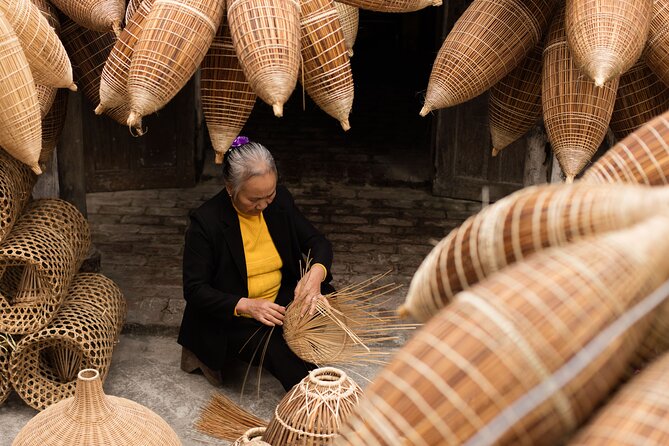
The $168 price is high for a 4.5-hour tour if you measure value only by time. The main stop lasts about two hours, and meals are not included. You are paying for more than transportation, though.
The cost includes pickup, an air-conditioned vehicle, bottled water, all fees and taxes, and a local escorted photographer. The maximum of four people gives the outing a private or near-private feel without the cost of booking a completely private vehicle and guide on your own.
For a casual sightseer who wants a quick look at a village, the price may feel excessive. For a photographer who values access, local introductions, and direct help with portraits, it is easier to justify. The value rises if you make full use of the guide’s advice and come prepared to work seriously for two hours.
Group discounts are offered, which may help if you are traveling with family or friends. The data does not specify the discount amount, so ask for the current price before committing.
Who should book this experience?
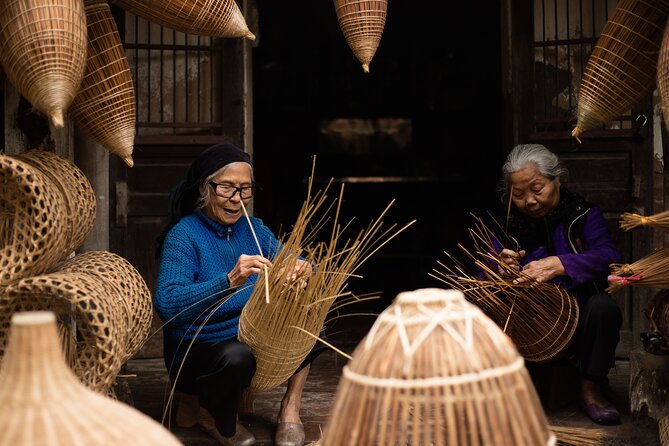
This tour suits photographers who care about people, process, and place. You do not need to be a professional, since the local photographer can offer practical suggestions, but you should be willing to spend time observing and making more than a few quick pictures.
It is also a good fit for someone who has already seen Hanoi’s major sights and wants a countryside subject with cultural depth. The visit is short enough to fit into a busy itinerary, but focused enough to produce a coherent photo story.
Families can enjoy it too, particularly if everyone is interested in photography and local life. One direct account describes a family having a good time with Son Trieu and appreciating his cultural explanations and photography ideas.
This is less suitable if you want a relaxed sightseeing trip with a long meal, shopping, or several major attractions. Meals are not included, and the supplied itinerary centers on one craft stop. It also may not suit anyone who dislikes fixed bookings, since the experience is nonrefundable and cannot normally be changed after purchase.
How to prepare your camera and your expectations
Bring the camera you know best. The setting offers close details and portraits, so a flexible lens is useful, but the supplied information does not require any special equipment. A phone camera can record the scene, though a dedicated camera gives you more control over detail and background.
Think in sequences. Photograph the raw material, the hands at work, the maker’s expression, the tools, the nearly finished trap, and the complete object. This gives you a beginning, middle, and end rather than a folder full of similar close-ups.
Allow yourself time to watch before shooting. The workers’ movements may repeat, and patience can help you catch the moment when a hand pulls bamboo into place or a face turns toward the light. You do not need to photograph every second.
Wear practical clothing for a rural visit and carry only what you can manage comfortably. Bottled water is supplied, but you may want any personal items you normally need during a half-day outing. Exact conditions at the site are not specified, so your guide can give the best advice for the date.
Booking, weather, and timing
The experience is commonly booked about 27 days ahead. That is a useful sign that you should not leave it until the last minute, particularly if your Hanoi schedule is tight.
Confirmation is provided at booking. The tour requires good weather. If poor weather causes cancellation, you are offered another date or a full refund. If the minimum number of participants is not reached, you are offered another date, a different experience, or a full refund.
Your own cancellation is treated differently. The experience is nonrefundable and cannot be changed for any reason, so only book once your Hanoi plans are firm.
The tour accepts mobile tickets, and most people can participate according to the supplied information. No separate meal, airport transfer, or special accessibility details are provided. Ask the operator directly if you need a particular pickup arrangement or have mobility concerns.
My verdict on the fish-trap photo tour
I would choose this outing for its subject, not for its sightseeing count. The fish traps, elderly makers, and aging house give you a clear photographic story, while the small group and local photographer make it easier to work with care.
The price is the main question. At $168, you should want hands-on photo guidance and a focused cultural encounter, not simply a ride into the countryside. If that matches your interests, the tour offers a thoughtful way to document a craft that may soon be remembered mainly through pictures.
If you want portraits, textures, and a closer look at rural Vietnamese life, book it with a camera ready and your schedule settled. If you prefer broad sightseeing, included meals, or flexible cancellation, spend your budget elsewhere.
FAQ
Where does the photo tour take place?
The main stop is in Hung Yen, Vietnam, outside Hanoi, at a location where elderly workers make traditional fish traps from bamboo and other natural materials.
How long does the tour last?
The total duration is about four hours and 30 minutes, including travel time. The visit at Hung Yen lasts about two hours.
Is pickup included?
Yes. Pickup is offered, and transportation is provided in an air-conditioned vehicle.
How many people can join the tour?
The tour has a maximum of four participants.
Is a photographer included?
Yes. A local escorted photographer is included and can provide guidance during the photo session.
Are meals included?
No. Meals are not included. Bottled water is included.
Can I get a refund if I cancel?
No. The experience is nonrefundable and cannot normally be changed for any reason. If the operator cancels because of poor weather or because the minimum number is not met, you are offered a new date or a refund, with alternative arrangements depending on the reason for cancellation.
Does the tour require good weather?
Yes. If poor weather causes the operator to cancel, you are offered a different date or a full refund.
Just added around Hanoi
- Ultimate Hanoi Photography Tour★ 5.0 · 19 reviews
- Vietnam Fishing village photography tours★ 5.0 · 3 reviews
- Instagram Tour Duong Lam Ancient Village with Train Street Visit★ 5.0 · 3 reviews
- Private Photo Session with a Local Photographer in Hanoi★ 5.0 · 2 reviews
- Tho Ha Handicaft Village – Private Hanoi Photo Tour★ 5.0 · 2 reviews
- Hanoi by Night Photo Tour★ 5.0 · 4 reviews
- Photography Tour to Tho Ha – The rice paper making village★ 5.0 · 4 reviews
- Hanoi Street Photography in a Vintage Community★ 5.0 · 6 reviews
Photography Tours, compared.




Browse the lists this shoot appears in