
Review · PHOTOGRAPHY WORKSHOPS & LESSONS
3-Day Immersive Photography Workshop in New York City
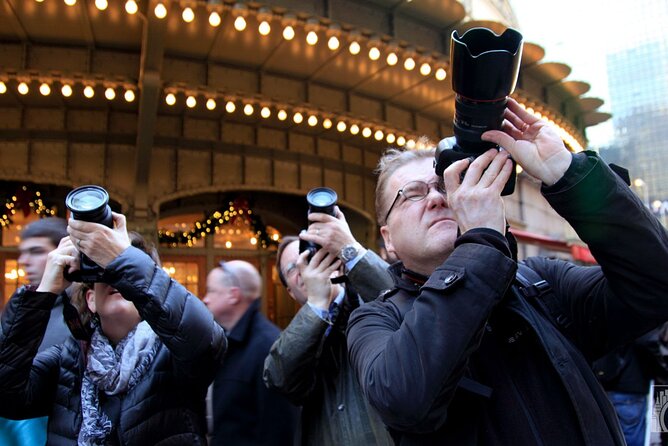
New York rewards anyone who carries a camera. This three-day photography workshop combines a fast-moving tour of Manhattan and Brooklyn with hands-on instruction from professional photographers, giving you a practical way to photograph famous landmarks instead of simply passing them by. You will work in daylight and after dark, cover major sights, and learn how to make better use of your own camera.
I especially like the small maximum group of eight, which should give you more direct help than a large sightseeing tour. I also like that the price includes a one-week subway pass, admission to Top of the Rock, and tripod rental for two night sessions. The main catch is stamina: you can be away from your hotel for 12 to 13 hours a day, walking three to four miles and shooting for up to nine hours.
The workshop is built for photographers who already understand basic composition and camera settings, though the opening Nuts and Bolts session gives you a useful foundation. Zim receives especially warm praise as a teacher and city guide, with past participants crediting her for improving their camera skills while showing them a more thoughtful side of New York.
Key points to know before booking
- Three very full days: Expect 12 to 13 hours away from your hotel each day, with six to nine hours spent actively photographing.
- Top sights with a camera-first approach: Brooklyn Bridge, Grand Central Terminal, Central Park, Times Square, Chinatown, Wall Street, and more are part of the route.
- Night photography matters here: You photograph the Brooklyn Bridge after dark and work on long exposures with tripod support during two evening sessions.
- Useful transportation included: The one-week subway pass is practical for a schedule that crosses Manhattan and Brooklyn.
- Small group format: The maximum group size is eight, allowing more time for camera questions and personal feedback.
- Best for serious hobby photographers: You should be comfortable walking, carrying your equipment, and spending long periods shooting.
What this three-day workshop really offers
This is not a gentle hop-on, hop-off sightseeing tour with a few quick photo stops. It is closer to a citywide photo boot camp, with instruction woven into a packed New York schedule.
You will learn how aperture, shutter speed, flash, lens choice, and long exposures affect your pictures. The point is not just to collect the standard postcard views. Your guide will help you consider how to photograph architecture, moving cars, subway scenes, people, nighttime light, and the contrast between old and new parts of Manhattan.
That approach gives the experience its value. You see many of New York’s famous places, but you also learn how to make decisions behind the camera. By the end, you should have more than a folder of snapshots. You should have a better sense of why a particular lens, shutter speed, or exposure works for a particular subject.
The schedule is demanding. You may take more than 250 pictures each day, and that amount of shooting can leave you tired, especially if you are carrying a full camera bag. If you prefer slow mornings, long lunches, or plenty of free time, this will feel like too much.
More Photography Workshops and Lessons in New York City:
- 3 Hour NYC Photography Workshop
★ 5.0 · 45 reviews - Paris Photography Masterclass – Private Photography Lesson
★ 5.0 · 112 reviews - 2-Hour Photography Class While Touring Downtown Santa Fe, Smart Phones Welcome!
★ 5.0 · 108 reviews
Day one: camera basics and the first New York icons
The opening Nuts and Bolts session is an important part of the program. You review basic camera skills and learn how to use settings such as aperture and shutter speed. That makes the workshop more useful than a tour where a guide simply points out good viewpoints.
This session should be especially helpful if you know what your camera can do but still rely heavily on automatic settings. You will have a chance to connect technical choices with real city subjects. A narrow aperture may help with an architectural scene, while a faster shutter speed can freeze a taxi or passing pedestrian.
From there, the workshop moves into daytime and nighttime shooting sessions. The route includes major landmarks such as the Flatiron Building, the Empire State Building, Radio City Music Hall, Rockefeller Center, Grand Central Terminal, the Chrysler Building, Times Square, and the New York Public Library.
Each location offers a different photography problem. The Flatiron Building works well for learning how unusual architecture changes when you shift your position. Grand Central Terminal gives you grand interior lines, strong symmetry, and people moving through the frame. Times Square brings bright signs and motion, but it can also tempt you into taking the same picture everyone else takes.
That is where professional guidance can help. Instead of simply photographing a landmark straight on, you can work on framing, exposure, and the relationship between the building and the people around it.
Radio City Music Hall and Rockefeller Center also make good teaching locations because they combine architecture, detail, and urban activity. The Chrysler Building rewards attention to shape and ornament, while the New York Public Library offers another chance to work with formal lines and strong structure.
The downside is the pace. You are not likely to have an hour at every location. You need to be ready to move, listen, shoot, and move again.
Brooklyn Bridge by day and after dark
The Brooklyn Bridge is one of the strongest parts of the workshop because it appears in both daytime and nighttime sessions. That gives you a useful comparison between two very different photographic conditions.
During the day, you can work with the bridge’s cables, towers, walking path, and views toward Manhattan. The repeated lines make it a natural place to practice composition. You can also photograph the relationship between the bridge and the skyline, rather than treating the bridge as an isolated object.
The nighttime session changes the assignment. Light becomes central, and long exposures can turn traffic, reflections, and moving people into visual elements. Tripod rental is included for two night tours, which is helpful if you do not want to pack a tripod for a long day of walking.
You should still ask about equipment needs before you arrive. The supplied information confirms tripod rental, but it does not specify camera models, lenses, or other accessories. Bring the equipment you know how to use rather than relying on unfamiliar gear.
The bridge also adds physical effort. Walking across it is part of the broader three to four miles of daily walking, and the workshop schedule continues after the bridge stop. Good shoes and a charged battery are not optional comforts here. They are part of making the day work.
Top of the Rock and the evening skyline
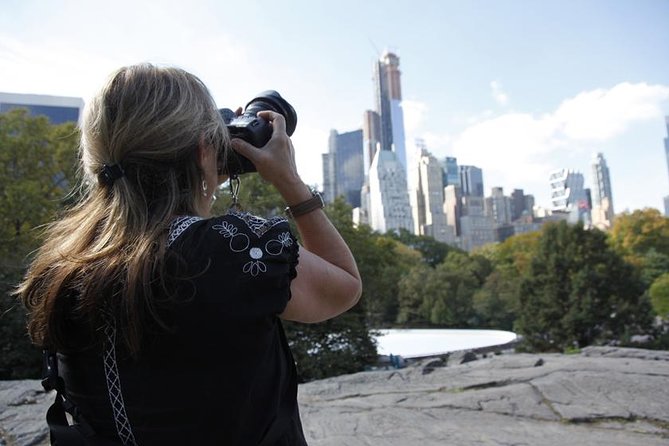
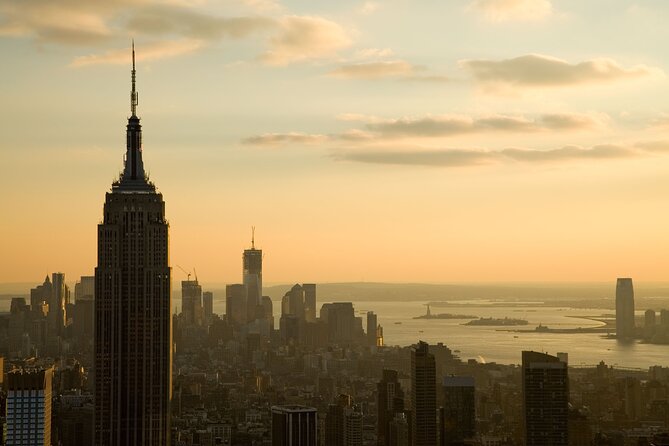
Admission to Top of the Rock is included, and this is one of the clearest financial benefits of the package. You photograph the Manhattan skyline from Top of the Rock and also from Brooklyn in the evening, giving you two different ways to frame New York’s towers.
From Top of the Rock, the city view lets you work with skyline layers and major buildings. The Empire State Building becomes part of the composition rather than just another place on the checklist. You can also practice shooting in changing evening light, when the sky, windows, and streets below may all require different exposure choices.
The Brooklyn viewpoint offers a different relationship with Manhattan. Instead of looking down from a high observation deck, you see the skyline across the river. This can produce a more balanced cityscape and gives you another lesson in viewpoint. The same buildings can feel entirely different depending on distance and height.
The two locations also show why a photography tour can be more useful than a basic sightseeing pass. You are not merely told where the view is. You are encouraged to think about lens choice, exposure, and timing.
Top of the Rock is a busy attraction, and the schedule is tight. You should not expect a private platform or unlimited time to set up a shot. Still, including admission removes one extra expense and places a major New York view inside the workshop’s teaching plan.
More Three-Day Trips around New York City:
- Private Photography Trip 3 Days 2 Nights With Accommodation
★ 5.0 · 5 reviews - 3 Day Guided Wildlife Photography Tour in Yellowstone
★ 5.0 · 4 reviews - 3-Day Lofoten Top Highlights Photo Tour
★ 5.0 · 2 reviews
Central Park, Lower Manhattan, Chinatown, and the Lower East Side
The program does not limit itself to polished landmarks. It also visits Chinatown and the Lower East Side, areas tied to Manhattan’s immigrant history. This gives your photography a more human subject than towers and observation decks.
You may photograph streets, shopfronts, older buildings, people, taxis, and subway scenes. These subjects require a different approach from architectural photography. You need to watch for gestures, light, movement, and respectful ways to photograph people in public places.
The Lower East Side is especially useful for seeing how New York’s older and newer structures sit side by side. Chinatown brings signs, street activity, and dense visual detail. Both areas can overwhelm a new photographer because there is so much to notice. A guide who helps you narrow your attention can make the difference between a cluttered frame and a purposeful one.
Central Park adds another change of pace. The workshop includes several well-known locations there, giving you a chance to photograph natural settings within a heavily built city. You can work on scale, texture, and the contrast between park spaces and Manhattan buildings.
This variety is one of the workshop’s best qualities. You do not spend three days photographing only monuments. You work with architecture, people, streets, skyline views, transport, and open space.
Wall Street, Grand Central, and the city as a subject
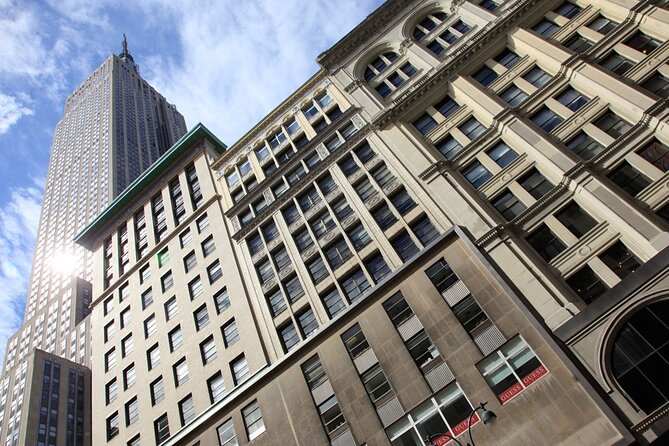
Wall Street brings a different side of New York into the itinerary. Its buildings and streets can support more formal architectural pictures, but the area also works as a study in scale and movement.
Grand Central Terminal is another highlight. The interior gives you strong shapes, repeated patterns, and a steady flow of people. It can be a good place to practice waiting for the right moment rather than firing at every passing subject.
The workshop also encourages you to photograph taxis and subways. These details matter because they make your pictures feel connected to daily New York life. A skyline image can show where you are, but a taxi, station, or commuter scene can show how the city feels.
That kind of instruction is reflected in the praise for Zim. The strongest comments about her describe a professional photographer who also helps you enjoy the city without wasting time. That combination matters on a three-day schedule. You need someone who can teach, keep the group moving, and help you see beyond the usual tourist frame.
What you will learn about camera technique
The technical lessons are practical rather than academic. You work with:
- Aperture and depth of field
- Shutter speed and movement
- Lens choice for different subjects
- Flash use
- Long exposures
- Daytime and nighttime exposure
- Composition for buildings, people, and city scenes
The best benefit comes from applying each lesson immediately. You do not spend the whole day in a classroom and then hope to remember the material later. You learn a technique and then use it on New York’s streets.
If you already understand composition and basic settings, you will likely get the most from the workshop. You can ask more specific questions and spend less time working out camera basics. Beginners are not automatically excluded, since the Nuts and Bolts session covers core skills, but the long days may feel demanding if you are still learning how to hold and operate your camera.
The workshop is also a strong fit if you want direct feedback. The small group makes it more realistic to ask why a picture is not working or how to change your position, settings, or lens. The available comments give special credit to the instruction, with one participant noting that the workshop helped them use their own camera much better.
Price, included extras, and overall value
The price is $1,223.41 per person. That is a serious expense, especially because accommodation and meals are not included. You also need to budget for getting to New York, your hotel, and personal food during three long days.
The value improves if you would otherwise pay separately for several major elements. The package includes professional photography instruction, a one-week subway pass, Top of the Rock admission, and tripod rental for two night tours. It also combines a wide range of New York locations with structured teaching.
You are paying for time and access to expertise as much as for sightseeing. If your main goal is simply to see landmarks, you can explore New York more cheaply on your own. If your goal is to leave with stronger camera skills and a large collection of intentional images, the price is easier to justify.
A private booking may be worth considering if it is available at an added cost. One strong piece of feedback specifically suggests that private instruction can justify the extra investment. The supplied details do not give a private-tour price or guarantee private availability, so you should confirm those points before planning around them.
The workshop is usually booked about 60 days ahead. That timing suggests you should reserve early if your New York dates are fixed.
Physical demands and practical preparation
The start time is listed as 12:00 a.m., but the detailed schedule describes sessions beginning around 12:30 p.m. and continuing until roughly 10:30 p.m. Because those details do not fully match, confirm the exact meeting time before the workshop.
The meeting point is New York Life Coaching at 136 West 87th Street. The activity ends back at the meeting point. It is near public transportation, and the included subway pass should help you reach the workshop area and move around the city during the program.
You should be in good health and have a strong fitness level. The workshop involves three to four miles of walking each day, long hours on your feet, and many hours of concentration. Carry only the camera gear you can manage comfortably.
Plan for:
- Comfortable walking shoes
- Extra camera batteries
- Enough memory cards
- Weather-appropriate clothing
- A small bag for personal items
- A camera you already understand
Meals are not included, so you need to plan around the schedule. The description emphasizes minimal downtime. You may find quick breaks, but you should not count on long restaurant meals between every stop.
Service animals are allowed, and the activity is near public transportation. The group maximum is eight people. The experience requires good weather, and a poor-weather cancellation offers either another date or a full refund.
Who should book this workshop?
You should consider booking it if you want a structured introduction to photographing New York and already have some comfort with your camera. It is particularly well suited to serious hobby photographers, first-time New York visitors who want an efficient overview, and people who enjoy long days with a clear purpose.
It is also a good choice if you want help photographing the city at night. The Brooklyn Bridge, skyline views, and long-exposure work give the workshop a stronger technical range than a daytime sightseeing tour.
I would think twice if you dislike fixed schedules, long walks, crowded city settings, or carrying camera equipment for most of the day. Families with young children may find the hours difficult, and casual sightseers may prefer a slower tour with more free time.
You can cancel for a full refund up to six full days before the start time. Cancellation two to six days before the experience receives a 50 percent refund, while cancellation less than two days before the start time is nonrefundable. Changes follow the same time limits, so do not leave your plans until the last minute.
Should you book the three-day photography workshop?
Book it if photography is the reason you are visiting New York, not just an activity you might fit between other plans. The packed schedule, small group, expert instruction, night shooting, subway pass, and Top of the Rock admission create a focused learning experience with broad city coverage.
I would not book it for a relaxed vacation. Three days of 12 to 13-hour outings can be exhausting, and the price does not include meals or lodging.
For the right person, though, this is a smart way to see New York with purpose. You get the famous skyline and landmarks, but you also learn to photograph taxis, streets, people, old buildings, and the city’s immigrant neighborhoods. That mix gives you better memories than a stack of routine snapshots.
FAQ
How long does the photography workshop last?
The workshop lasts approximately three days.
How many hours are spent on the tour each day?
You should expect to be away from your hotel for about 12 to 13 hours each day, with roughly six to nine hours spent shooting.
How much walking is involved?
The experience involves approximately three to four miles of walking each day.
What is the maximum group size?
The maximum group size is eight participants.
Is a subway pass included?
Yes. A one-week subway pass is included.
Is admission to Top of the Rock included?
Yes. Admission to Top of the Rock is included in the tour.
Is tripod rental provided?
Yes. Tripod rental is included for two night tours.
Are meals and accommodation included?
No. Accommodation and meals are not included.
What happens if poor weather cancels the experience?
You will be offered a different date or a full refund if the experience is canceled because of poor weather.
Just added around New York City
- 3 Hour NYC Photography Workshop★ 5.0 · 45 reviews
- Private Professional Vacation Photoshoot in New York City★ 5.0 · 2 reviews
- NYC: Surprise Proposal Photoshoot – Capture the Yes Forever★ 5.0 · 13 reviews
- New York: Photoshoot in NYC Central Park 5th Ave★ 5.0 · 16 reviews
- New York: Photoshoot in NYC DUMBO BROOKLYN BRIDGE★ 4.8 · 8 reviews
- New York: Professional Photoshoot at Brooklyn Bridge★ 4.8 · 46 reviews
- New York: Times Square Professional Photoshoot★ 4.9 · 20 reviews
- New York City: professional photoshoot Dumbo or Central Park★ 5.0 · 6 reviews
Photography Workshops & Lessons, compared.
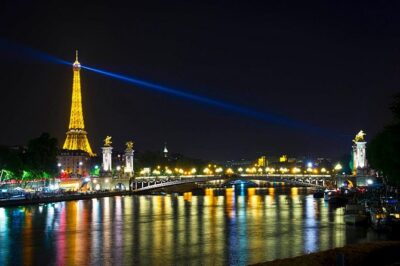
Paris Photography Masterclass – Private Photography Lesson
Read our review →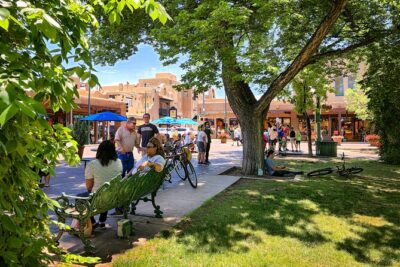
2-Hour Photography Class While Touring Downtown Santa Fe, Smart Phones Welcome!
Read our review →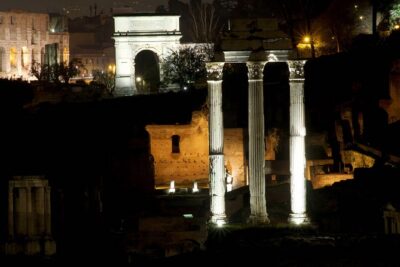
Unique Rome by Night, Photo Tour and Workshop Under the Stars
Read our review →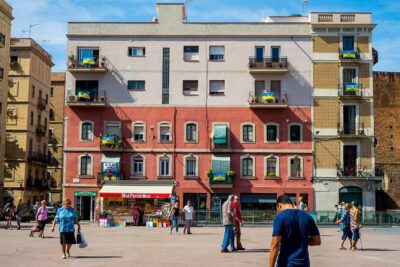
Elevate Your Photography – Barcelona Private Tour & Workshop
Read our review →
Rome Photography Masterclass – Private Photography Lesson
Read our review →
Private (Phone) Photography Class in Park & Old Town
Read our review →
Venice Photography Masterclass – Private Photography Lesson
Read our review →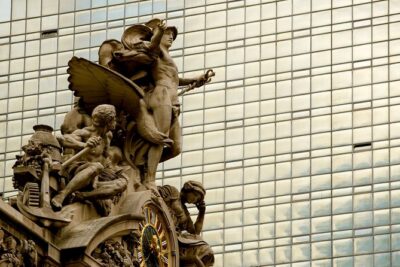
Browse the lists this shoot appears in