
Review · PHOTOGRAPHY WORKSHOPS & LESSONS
Paris Photography Masterclass – Private Photography Lesson
Paris rewards a camera with good timing. This private photography lesson turns a three-hour city walk into a hands-on class, taking you from Notre-Dame to the Louvre, the Seine, and Place de la Concorde while a professional photographer helps you improve your images. I especially like the one-to-one instruction and the chance to see familiar sights from less obvious angles. The main thing to consider is the price: at $205.59 per person, it makes the most sense if you want real photography coaching rather than a simple sightseeing walk.
I also like the flexible departure times, which run from morning into early evening depending on the date. You can work on basic camera settings, composition, manual shooting, low-light photography, or even make better use of an iPhone 15 Pro Max. The walk covers a lot of central Paris, though, so comfortable shoes and realistic expectations about the pace matter.
Key things to know before you book
- Private instruction for up to four people: Your guide can focus on your skill level, camera, and goals instead of following a fixed class format.
- A four-stop route through central Paris: The walk links Notre-Dame, the Louvre, the Eiffel Tower, and Place de la Concorde.
- Useful for beginners and experienced photographers: You might work on exposure and camera settings, or focus more on framing, perspective, and visual style.
- Strong night photography potential: Evening departures can bring lessons in long exposure, low light, cityscapes, and tripod technique.
- Bring your own camera: A DSLR is specifically requested, though the instruction has also worked well with a smartphone.
- Walking and transport are your responsibility: Transportation to and from the sights is not included, and the route can change with weather and walking speed.
What this Paris photography class is really like
This is not mainly a photo shoot where somebody takes polished portraits of you. It is a private lesson built around seeing Paris, choosing a good viewpoint, setting up your camera, and understanding why one image works better than another.
That distinction matters. One person booked expecting more of a traditional photo session, then found the experience still delivered excellent images and useful instruction. If your priority is a large set of professionally taken portraits, ask for clarification before booking. If you want to come home able to make better pictures yourself, this format is much better suited.
You meet at 3 Pont Marie in the 4th arrondissement. From there, the walk usually finishes near Place de la Concorde, although the exact end point can vary with walking speed. The advertised duration is about three hours, and one particularly detailed account described a session lasting three and a half hours, so allow some flexibility.
The private format is the heart of the experience. With a maximum of four people, your guide can look at your camera settings, ask what you want to learn, and adjust the lesson as you go. Clara, Michiru, Federica, William, and Alexander are among the guides praised for patient, friendly teaching and strong location choices.
More Private Photoshoots in France
- Paris: Private Photoshoot at the Eiffel Tower
★ 4.7 · 2,636 reviews - Private Guided Professional Photoshoot by the Eiffel Tower
★ 5.0 · 388 reviews - Paris: Your Own Private Photoshoot at the Eiffel Tower
★ 4.5 · 263 reviews
Starting at Pont Marie with a personal plan
A good part of the value comes before the first major monument. Clara, for example, was described as asking about photographic interests before setting off, then shaping the walk around those aims. That kind of conversation helps prevent a common problem with city photo walks: spending time on subjects you already know how to photograph.
You might tell your guide that you want to understand aperture priority, learn manual settings, improve night photography, or make stronger architectural compositions. You could also focus on perspective rather than technical camera controls. A family using the service chose to concentrate on unusual viewpoints, while another participant wanted help making large buildings more interesting by adding a foreground element.
The guide can also work with different levels in the same small group. A beginner may need help finding shutter speed and exposure controls, while a more experienced photographer may want feedback on composition or long exposure. If one person in your party is less interested in photography, the private setup can still work, but the lesson will naturally focus on the person taking part.
The meeting location is near public transportation, but you should plan your route to Pont Marie yourself. Food, drinks, and transportation are not included. The class is offered in English.
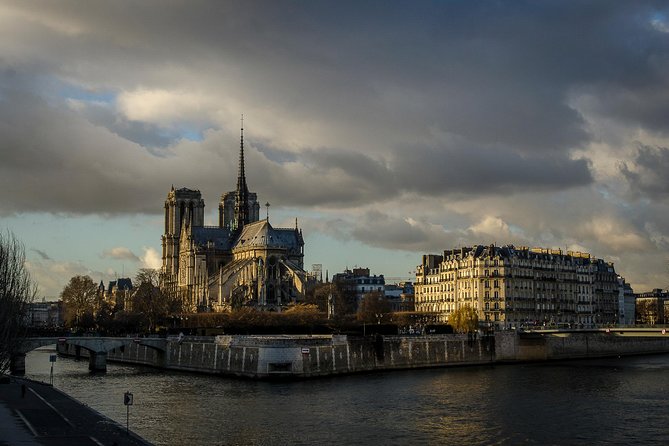
Notre-Dame: architecture, detail, and framing
The first listed stop is Notre-Dame, with about 30 minutes set aside for photography. The cathedral gives you a strong lesson in scale and framing. A large Gothic building can easily become a flat record shot, so your guide may help you look for foreground elements, lines, layers, or a viewpoint that gives the structure more depth.
This is also a useful place to practice patience. You may need to adjust your position rather than simply zooming in. A small change in angle can alter the relationship between the cathedral, nearby streets, and the sky.
The stop is free to photograph, but admission inside the cathedral is not part of this experience. The emphasis is on the exterior and the surrounding streets. Since the walk continues through several major areas, do not expect an extended architectural study at every stop. Thirty minutes is enough for instruction and several attempts, but not for exhaustive coverage.
The Louvre: courtyards and the glass pyramid
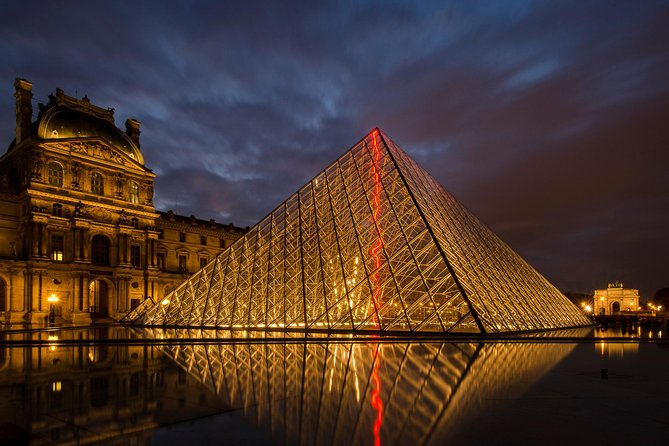
The Louvre stop focuses on the courtyards and pyramid, again for roughly 30 minutes. This is an excellent setting for learning how reflective surfaces, repeating lines, symmetry, and large open spaces affect a picture.
The pyramid is familiar, which makes the guide’s advice especially useful. A basic centered photograph is easy to make. A stronger image may depend on timing, an off-center composition, a foreground detail, or the way the pyramid relates to the surrounding classical buildings.
You do not need a museum admission ticket for this outdoor photography stop. That keeps the schedule practical, but it also means you will not tour the galleries. If your main goal is art inside the Louvre, this is not a substitute for a museum visit. If your goal is to photograph the exterior and learn how to handle architecture, it uses the museum area well.
Evening departures can be especially rewarding here. Sunset or fading light can change the tone of the courtyards, and low-light settings give you a chance to move beyond automatic mode. One participant learned to shoot manually within an hour, while another worked on aperture priority with a new camera. Those are useful targets, but your guide should adapt the class to your starting point.
More Private Photoshoots in Paris
- Paris Private Walking Tour with a Personal Photographer
★ 5.0 · 262 reviews - Paris: Private Photoshoot Near Eiffel Tower 55 Photos
★ 4.9 · 238 reviews - Paris: Photo Shoot with a Private Travel Photographer
★ 4.9 · 206 reviews - Paris: Private Photoshoot Outside the Louvre Museum
★ 4.8 · 139 reviews
The Eiffel Tower over the Seine
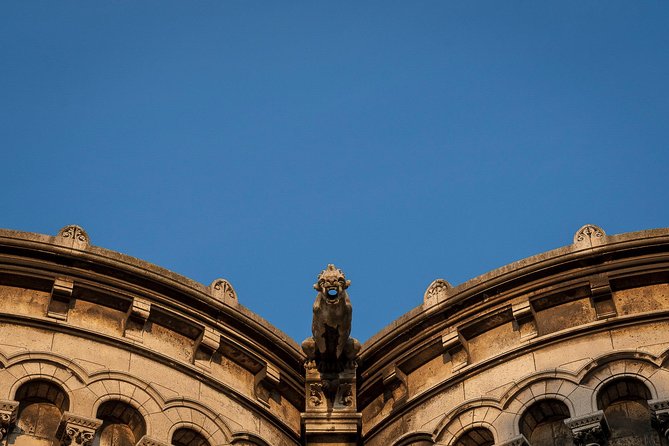
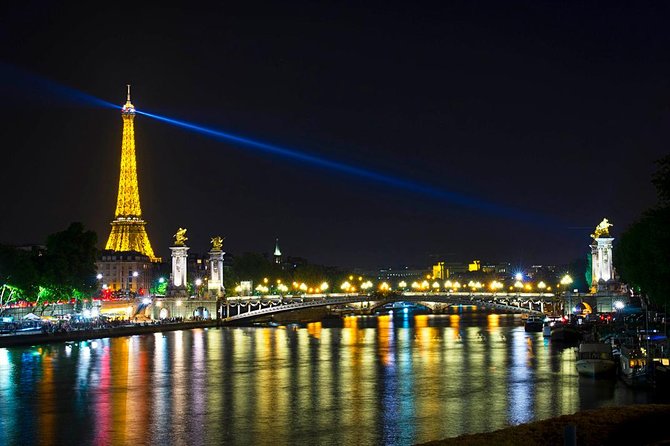
The Eiffel Tower stop offers one of the clearest chances to work on scale, distance, and reflection. The plan is to photograph the tower over the Seine, rather than simply point a camera straight up from the base.
This kind of viewpoint helps you understand why location matters as much as equipment. The tower is enormous, so including the river or another foreground element can give the image balance. You may also work on exposure differences between the sky, water, and illuminated structure.
Night sessions add another layer. Long exposures, low light, and city reflections can produce a very different image from a daytime snapshot. A tripod is available on request, but it is not automatically included, so mention your needs when arranging the experience. One participant particularly valued learning long exposure with a tripod and came away with effects suitable for printing and enlarging.
You should also remember that the Eiffel Tower is not the final stop. The walk continues toward Place de la Concorde, so there is a practical limit to how long you can stay in one spot. That is part of the appeal and part of the compromise: you cover a broad stretch of Paris, but you do not get unlimited time at each monument.
Place de la Concorde and the last frames
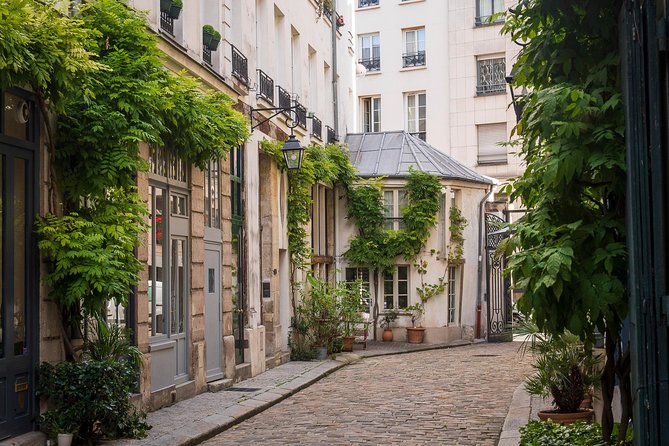
The walk typically finishes around Place de la Concorde, where you may photograph the Champs-Élysées or the square’s fountains. This gives the class a useful final change of scale. You move from a single landmark to a broad urban view with formal avenues, open space, and architectural detail.
The fountains can offer texture and motion, especially when you experiment with shutter speed. The Champs-Élysées may help you think about leading lines and perspective. By this point, you should have had several chances to apply the same core ideas in different settings: choose a viewpoint, look for a foreground, watch the light, and make deliberate camera decisions.
The route is not a rigid promise about every minute. The end point can shift depending on walking speed, and weather can affect the order or method of travel. In heavy rain, one guide adapted the plan by using the Metro and spending time around Palais Royal, the Louvre, and a café. That flexibility is reassuring, though you should still dress for the forecast because the experience operates in all weather.
What you can learn in three hours
The teaching is practical rather than classroom-based. You should expect to learn while standing in front of real subjects, taking pictures, checking results, and adjusting your approach.
Topics that fit naturally into the session include:
- Composition and visual balance
- Foreground elements for large buildings
- Perspective and unusual viewpoints
- Exposure in low light
- Aperture priority and manual shooting
- Long exposures with a tripod
- Camera settings for cityscapes at night
- Smartphone exposure controls and native camera features
The precise mix depends on your goals. A beginner may spend much of the first hour learning the camera layout and basic settings. Someone with more experience may need less technical help and more discussion about timing, framing, and the quality of a finished image.
The smartphone experience is worth noting. Although the instructions ask you to bring a DSLR, one participant used an iPhone 15 Pro Max and received guidance on exposure control, low-light settings, and foreground composition. If you plan to use a phone, confirm that ahead of time rather than assuming every guide will teach every phone feature.
The class also works for solo visitors. A solo participant found the private night session a comfortable way to see Paris and gain confidence with a recently purchased camera. You get the social benefit of a local walk without the distraction of a large group.
Night photography and the best departure time
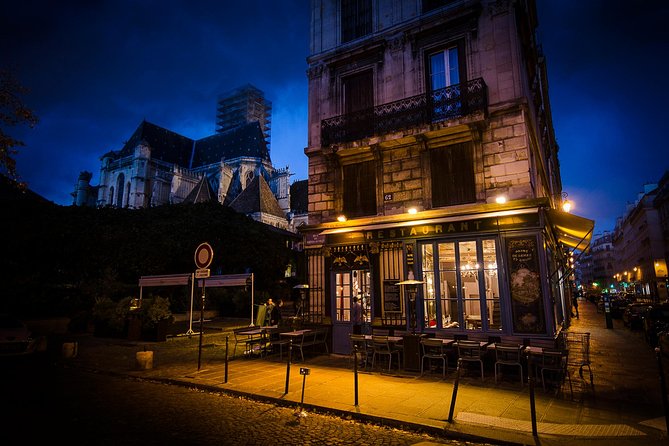
The available departure times range from morning to early evening, depending on the selected date. Choose the time based on what you want to photograph, not just what fits your schedule.
Morning and daytime departures should give you clearer light for architecture, detail, and learning the basic controls without the extra challenge of darkness. They may suit first-time photographers who want to build confidence steadily.
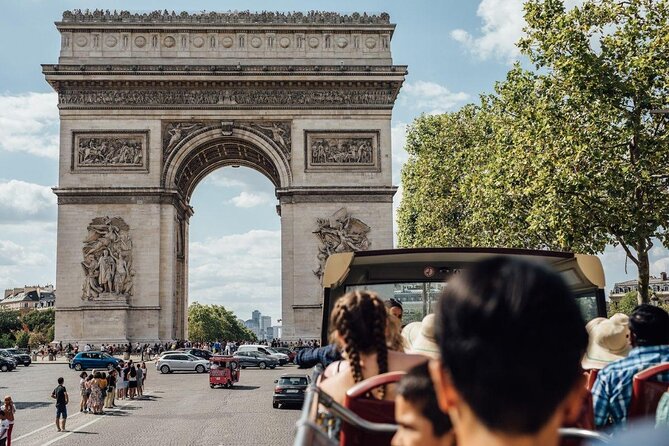
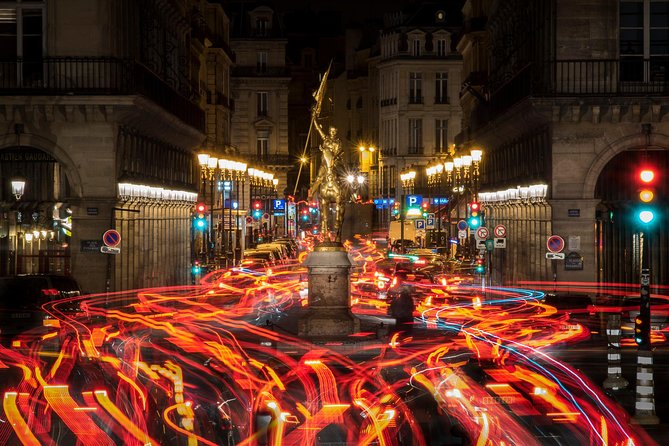
Early evening can be the most interesting choice for city photography. You may work through changing light, then move into illuminated streets and monuments. Night sessions have included sunset at the Louvre, the Arc de Triomphe area around Joan of Arc, the Eiffel Tower, and city views along the route. They are particularly useful if you want to learn long exposure or make cityscapes suitable for printing.
Night photography also asks more of you. You need to hold still, watch shutter speed, and pay attention to highlights. If you are tired after a full day of sightseeing, a three-hour walking lesson may feel demanding. Pick an evening when you have enough energy to concentrate.
Is $205.59 per person good value?
At $205.59 per person, this is not a cheap sightseeing walk. The cost is easier to justify when you think of it as a private professional lesson plus a guided tour of central Paris.
For one person who wants to improve quickly, the value can be strong. You are not paying for a generic lecture. You receive direct feedback, location advice, and help using your own equipment. The cost also covers a private experience, with only your group taking part, up to four people per booking.
For a family or couple, the calculation depends on how many people will actively use the instruction. If two or three people are photographing, the private format may work well. If only one person wants to learn and the others are simply walking along, the per-person price may feel less attractive.
You should also budget for your own transport to the starting point, any Metro use during the walk, food and drinks, and camera equipment. The guide can provide a tripod upon request, but a camera is not supplied. You need to bring your own DSLR, or confirm in advance if you plan to use another device.
Who will enjoy this most?
I would recommend this experience to:
- Beginners who want a patient introduction to their camera
- Experienced photographers who want fresh ideas for photographing Paris
- Solo visitors who prefer private instruction
- Couples or families with a shared interest in photography
- People focused on night photography and long exposure
- Smartphone photographers who arrange suitable instruction ahead of time
- Visitors with only a few days in Paris who want to see several major sights while learning
It may not suit you if you want a conventional sightseeing tour with detailed historical commentary at every stop. It is also not the right choice if you mainly want a professional photographer to take posed portraits of you. The guide may take some excellent photos, but the main purpose is to teach you how to make stronger images yourself.
Most people can participate, and no special health restrictions are listed. Still, you should be ready for an outdoor walk of about three hours. Wear shoes that can handle Paris streets, and bring weather-appropriate clothing.
Booking, cancellation, and practical details
The experience is offered in English and includes a local guide, a professional photographer guide, and private instruction. Confirmation is received at booking, and the tour is often reserved about a month ahead, with an average booking time of 32 days.
Check the departure time carefully for your chosen date. The start is at 3 Pont Marie, 75004 Paris, and the finish is generally near Concorde and the Quai des Tuileries, though the guide may adjust it based on the pace.
Free cancellation is available up to 24 hours before the start time for a full refund. Changes or cancellations made less than 24 hours ahead are not accepted for a refund, and the cut-off uses local Paris time.
Should you book the Paris Photography Masterclass?
Book it if you want personal camera coaching combined with a real Paris walk. The strongest part is the tailored teaching: guides such as Clara, Michiru, Federica, William, and Alexander have helped people improve composition, low-light exposure, manual settings, perspective, and long exposure.
Think twice if you only want a quick photo shoot, a museum visit, or a history-focused city tour. At $205.59 per person, the experience earns its price through private attention, not through included transport or meals.
For a beginner, a solo photographer, or anyone keen to return home with better night images, this is a smart use of three hours in Paris. Bring your camera, tell the guide exactly what you want to learn, and choose an evening departure if the City of Light is your main subject.
FAQ
How long does the Paris Photography Masterclass last?
The experience lasts approximately three hours. The walking pace can affect the finish time, and one session was described as lasting three and a half hours.
Where does the photography lesson start and end?
It starts at 3 Pont Marie, 75004 Paris, France. It typically ends near Place de la Concorde and the Quai des Tuileries, though the end point can vary with walking speed.
What sights are included?
The planned stops are Notre-Dame Cathedral, the Louvre courtyards and pyramid, the Eiffel Tower viewed over the Seine, and Place de la Concorde.
Do I need to bring my own camera?
Yes. You are asked to bring your own DSLR camera. A tripod is available upon request, and one participant used an iPhone 15 Pro Max, but you should confirm alternative equipment needs in advance.
Is this a private tour?
Yes. Only your group participates, with a maximum of four people per booking.
Can I cancel for a full refund?
Yes, if you cancel at least 24 hours before the experience starts. Cancellations or changes made less than 24 hours before the start time are not eligible for a refund.
More Photography Workshops and Lessons in Paris
- 2-Hour Photography Class While Touring Downtown Santa Fe, Smart Phones Welcome!
★ 5.0 · 108 reviews - Unique Rome by Night, Photo Tour and Workshop Under the Stars
★ 5.0 · 96 reviews - Elevate Your Photography – Barcelona Private Tour & Workshop
★ 5.0 · 78 reviews - Rome Photography Masterclass – Private Photography Lesson
★ 5.0 · 67 reviews
Just added around Paris
- Instagrammable Paris: Icons & Hidden Gems with a Local★ 4.8 · 7 reviews
- Instagram tour of Paris with a private photographer★ 5.0 · 2 reviews
- Immortalize your memories in Paris with a professional photo shoot!★ 5.0 · 12 reviews
- Marriage Proposal in Paris + Photographer 1h-Proposal agency★ 5.0 · 2 reviews
- Photo session for couples with flowers around Eiffel tower★ 5.0 · 3 reviews
- Eiffel Tower Reserved Access with Photoshoot stops★ 3.6 · 17 reviews
- Eiffel Tower privat Photoshoot★ 5.0 · 2 reviews
- Amazing photo session in Paris★ 5.0 · 3 reviews
Photography Workshops & Lessons, compared.
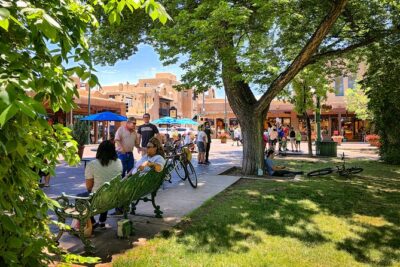
2-Hour Photography Class While Touring Downtown Santa Fe, Smart Phones Welcome!
Read our review →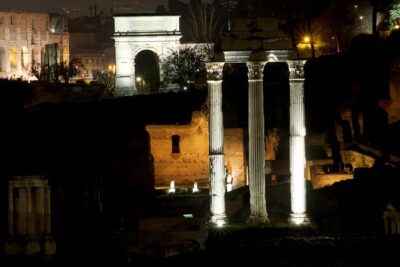
Unique Rome by Night, Photo Tour and Workshop Under the Stars
Read our review →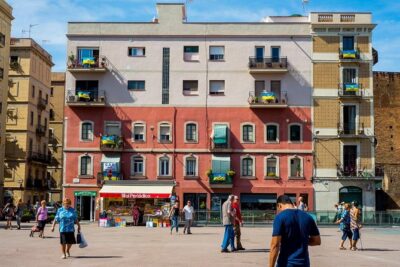
Elevate Your Photography – Barcelona Private Tour & Workshop
Read our review →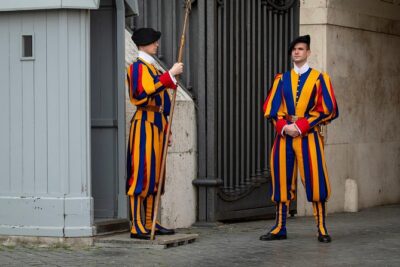
Rome Photography Masterclass – Private Photography Lesson
Read our review →
Venice Photography Masterclass – Private Photography Lesson
Read our review →
Edinburgh Photography Masterclass – Private Photography Lesson
Read our review →
Rome by Day, Beauty and History Unique Photo Tour and Workshop
Read our review →
Browse the lists this shoot appears in