
Review · SWEDEN PHOTO TOURS & PHOTOSHOOTS
Kiruna: Wildlife and nature photography
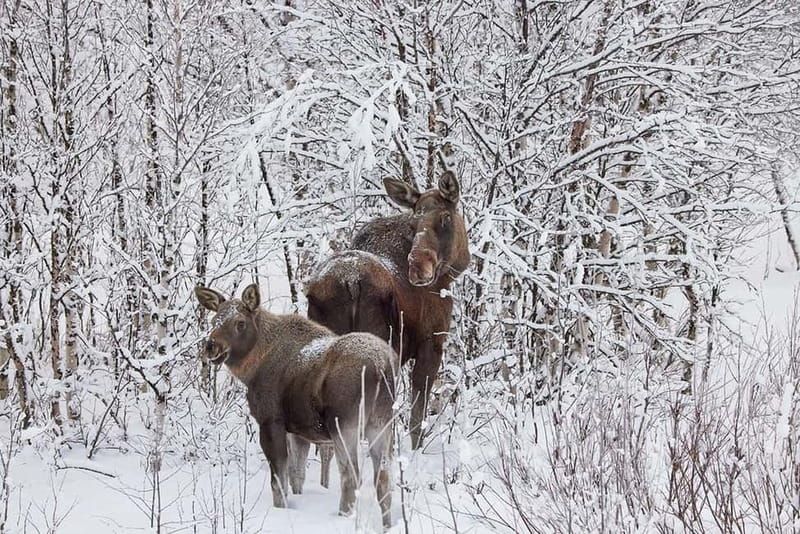
Moose make a fine subject in Kiruna. This four-hour outing pairs wildlife photography with Sami knowledge, giving you a practical way to explore Arctic nature while learning how to use a tele-lens. I like the small group of no more than eight people, and I like that you can borrow a camera or use your own phone. The main catch is simple: wildlife is wild, and some of your four hours may pass in the vehicle.
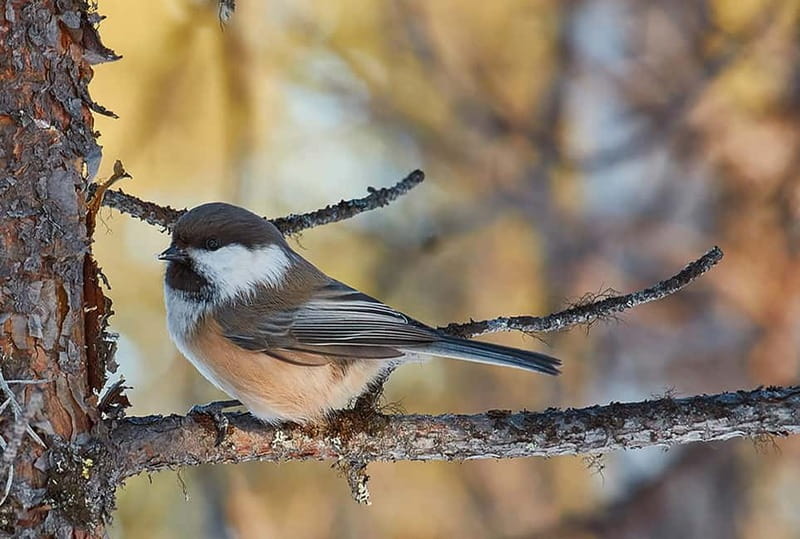
I also like the thoughtful extras, especially warm clothing, winter shoes, a hot drink, and cake by the fire. The local Sami guide adds meaning that a standard animal-spotting drive would miss. Still, you should set modest expectations. Moose and birds are possible, but foxes, hares, lynx, and wolves are not promised.
Five things to know before you go
- A Sami guide leads the outing: You learn about nature, photography, and Sami life from someone connected to the area.
- Camera hire is included: A camera with a tele-lens is available at no extra cost, but you need to bring or buy your own SD memory card.
- The group stays small: With a maximum of eight people, you should get useful help with camera settings and wildlife technique.
- The Arctic light is part of the subject: Blue and golden light can change the mood of the snow, trees, and animals.
- The outing requires walking: Expect snow and uneven ground, so it is not suitable for children under eight or people with mobility impairments.
What this Kiruna photography tour is really about
This is not a guaranteed moose safari. It is a short nature outing built around patience, observation, and photography. The animals are the reason you book, but the wider experience includes Arctic scenery, Sami culture, camera practice, and time outside in demanding conditions.
You meet a local Sami photo guide and travel toward areas where moose and other Arctic animals may be found. The exact route can vary with the season and conditions. In winter, snow shapes the whole experience. In autumn, the colors provide a different setting for photographs.
The guides help you get closer to nature while keeping a safe distance from wildlife. That wording matters. You are not being promised a staged encounter with tame animals, and you should not expect to walk right up to a moose. The aim is to watch, wait, and use the camera to bring the subject closer.
The experience has a 4.5 rating from seven verified bookings. The strongest praise centers on the guide, the clear camera introduction, and the warm drink served by the fire. Those details tell me this works best as a small, personal outing rather than a fast-moving sightseeing trip.
More Wildlife Trips around the world:
- Everglades: Birding, Wildlife, and Photography Expedition
★ 4.6 · 38 reviews - Wildlife Photography Workshop in Richmond Park in London
★ 4.5 · 5 reviews - Rovaniemi: Ranua Wildlife Park guided tour with Pro Photos
★ 5.0 · 2 reviews
Pickup in Kiruna and the first camera lesson
Pickup is included from three central points: Icehotel, Kiruna Tourist Office, and Camp Ripan. The stated pickup time is around 8:00 am at the Tourist Center on Malmvägen 9B and 8:15 am at Camp Ripan.
Morning timing matters in Kiruna. It gives you a good chance to work with the changing Arctic light, although the exact quality of that light depends on the season and weather. You should arrive dressed and ready to go, not expecting a long indoor briefing.
The camera introduction covers the essentials. One participant specifically praised the guide for explaining the important points before setting out. That is useful if you have never handled a tele-lens, and it can save you from spending the first hour taking blurry or poorly framed pictures.
You can bring your own camera or mobile phone instead. If you use a phone, the guide can still offer photography advice, but a phone will not give you the same reach as a tele-lens. If you borrow the supplied camera, remember that the SD memory card is not included. Bring a compatible card if you want to keep your photographs.
Children share the camera with their parents. That may be fine for a family with one keen young photographer, but it means the equipment is not provided on a separate basis for each child.
Following moose through Arctic nature
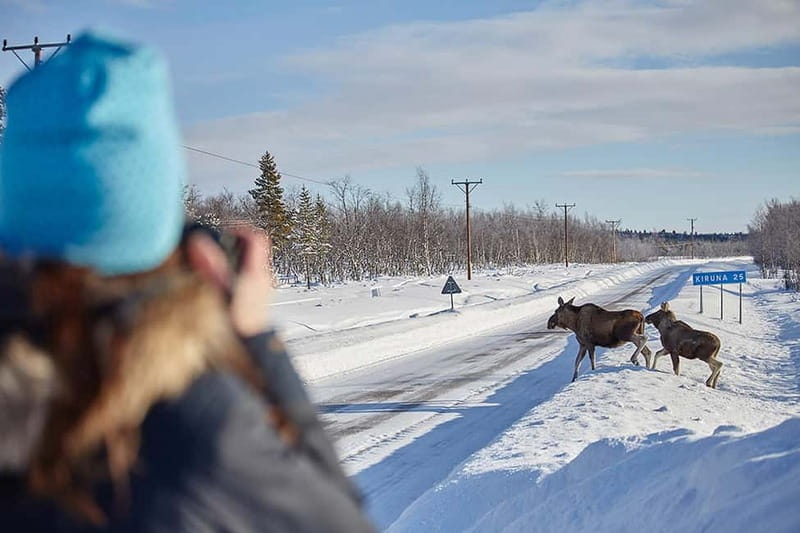
Moose are the main attraction, and they are the animal you have the best reason to hope for. The tour is designed to help you spot them in their natural setting, rather than simply show you a collection of animals in one fixed place.
Your guide can help you read the area, watch for movement, and choose a better position for a photograph. That local guidance is valuable because wildlife photography is often less about pressing the shutter and more about noticing small signs, waiting quietly, and keeping the subject at a sensible distance.
Do not expect constant action. A moose may appear briefly, remain partly hidden, or be seen along the route rather than at a long photography stop. One outing recorded moose beside the road, along with birds attracted by nests and food placed by the Sami. That can provide photo chances, but it also shows why expectations need to stay realistic.
I would treat every animal sighting as a bonus rather than a guarantee. You might see moose and birds, but a four-hour trip cannot promise foxes, hares, lynx, or wolves. If your main goal is one particular animal, this may feel uncertain. If you enjoy the process of looking and learning, the uncertainty is part of the experience.
The guides ask you to respect wildlife and maintain a safe distance. Flash photography is not allowed. That rule protects the animals and also makes sense for better photographs, since a sudden flash can spoil a natural moment.
Why the Sami guide adds real value
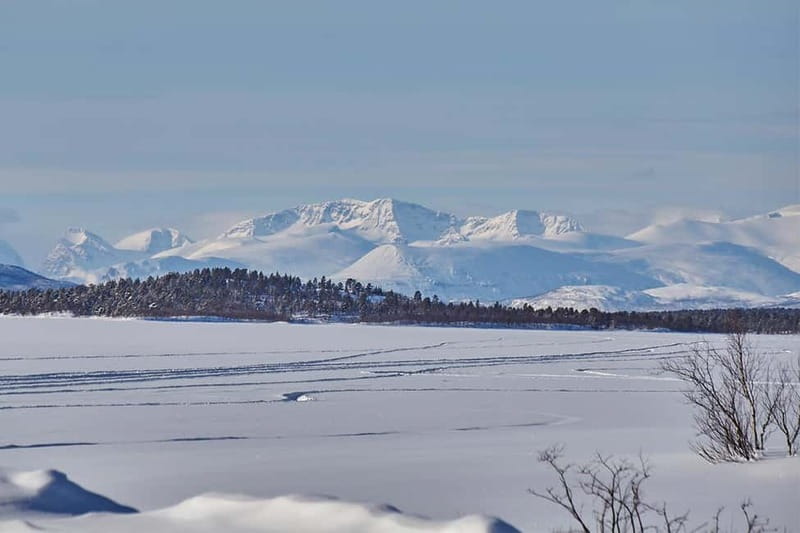
The local Sami guide gives this outing a cultural layer that a generic nature drive would not provide. You learn about Sami life and the relationship between people, animals, and the northern environment while moving through the area.
The supplied information does not name individual guides, so you should not book expecting a particular person. What you can expect is a guide who combines photography instruction with knowledge of nature and Sami culture.
That combination is especially helpful if you want more than a quick animal sighting. You can ask about the area, learn how the guides approach wildlife, and gain a better sense of what makes the Arctic setting distinct. The point is not to turn the outing into a formal cultural lecture. It is to connect the photographs with the place and the people who know it well.
A detail from one outing is worth noting: birds were attracted by nests and food placed by the Sami. This suggests that some viewing opportunities may be supported by careful local practices. Even so, you should not assume every animal is drawn in on demand. The guide still has to work with weather, season, animal behavior, and luck.
A few more photo experiences around the world worth a look
- Bali: Full-Day Instagram Highlights Tour
★ 4.8 · 7,817 reviews - #1 Northern Lights Tour In Iceland from Reykjavik with PRO photos
★ 4.5 · 2,887 reviews - ️ Bali Instagram Tour: The Most Famous Spots (Private & All-Inclusive)
★ 5.0 · 2,857 reviews - Silfra: Fissure Snorkeling Tour with Underwater Photos
★ 4.9 · 2,731 reviews
Blue and golden light across the seasons
The light is one of the best reasons to take a photography tour instead of a basic sightseeing trip. Arctic conditions can produce blue and golden tones that reflect across the snow, trees, and open spaces. The guide can show you how to use that light rather than simply point out where it is.
Winter brings deep snow, cold conditions, and a clean, bright setting for animal photographs. You need proper layers, comfortable shoes, and warm clothing. Covering clothes and winter shoes are included, which is helpful if you are visiting Kiruna without a full Arctic wardrobe.
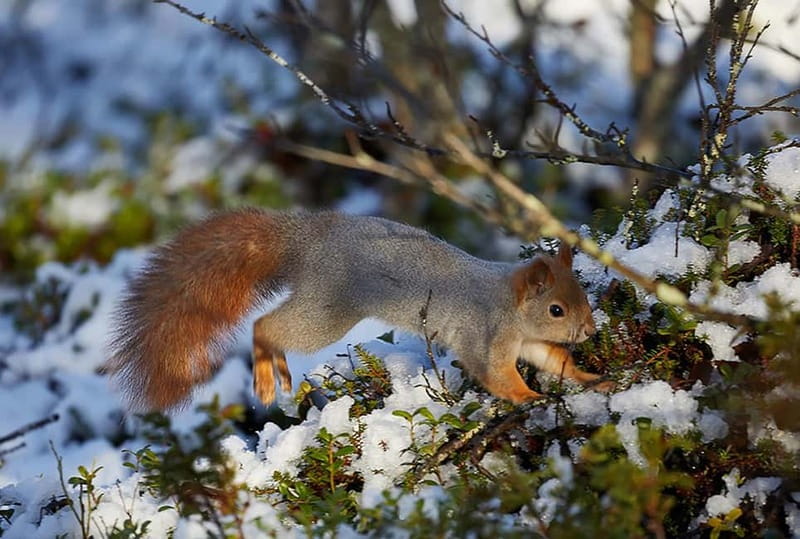
Autumn offers colorful surroundings instead of a snow-covered setting. The mood changes, and so does the way you compose an image. The tour runs through the year, so your photographs may look very different depending on your date.
The guide’s photography tips are aimed at practical use. You can work on framing, handling the tele-lens, and choosing how to photograph nature without disturbing it. I would not expect a full technical photography course in four hours. You should expect useful field advice that helps you make better choices during the outing.
A small group, a moving route, and some waiting
The group is limited to eight people. That is a strong feature for photography, since crowded groups make it harder to share equipment, hear instructions, or find a clear view. A small group also gives the guide more room to respond to your experience level.
Still, the group travels through the area, and some time is spent getting from place to place. One participant felt too much time went into transport and expected more unusual animal-viewing spots. That is the clearest warning about the outing.
You may spend part of the four hours riding, then stop to look for animals or photograph the setting. If you want non-stop shooting, this may feel slow. If you value reaching natural areas and are willing to wait, the pace makes more sense.
The walking section may include snow or uneven ground. You should be comfortable outside and able to walk without mobility assistance. The experience is not suitable for people with mobility impairments, and children must be at least eight years old.
Smoking is not allowed, and alcoholic drinks are not allowed in the vehicle. These rules are ordinary but worth knowing before you set off, especially on a cold morning when the group shares a small space.
Warm clothes, a fire, and cake
The included covering clothes and winter shoes are useful, but you still need to dress warmly. Bring layers, comfortable shoes, and your camera if you plan to use your own equipment. Arctic weather can make a pleasant stop feel uncomfortable quickly if you arrive underdressed.
A hot drink and cake are included. A warm pause by the fire was one of the most praised parts of the experience, and I can see why. It gives the outing a human rhythm: travel, watch, photograph, warm up, and talk.
This break also helps balance the uncertainty of animal sightings. Even if the moose stay hidden, you still get time to share the setting with the guide and group. It does not replace wildlife, but it makes the four-hour outing feel less like a simple search mission.
Do not confuse the included clothing with a promise of total comfort. You should still wear warm personal layers and be ready for snow. The tour takes place outdoors, and the Arctic does not adjust its weather for photographers.
Is $220 a fair price?
At $220 per person, this is not a cheap wildlife outing. The value comes from several inclusions: pickup, a camera with a tele-lens, covering clothes, winter shoes, a local Sami photo guide, photography instruction, a hot drink, cake, and four hours in the field.
The camera hire matters most if you did not bring a suitable wildlife lens. Buying or renting that equipment separately could change the price comparison, though no separate rental figure is provided here. If you already own a good camera and tele-lens, part of the package becomes less important, but the guide and cultural side still carry value.
The price is harder to justify if you want guaranteed sightings or a long period at one especially scenic viewing point. You may spend time in transit, and the animals may not appear in the way you hope.
I think the price makes the most sense for someone who values a small group, local guidance, and the chance to learn photography in the field. It is less convincing for a person who only wants to see a moose and would be disappointed by birds, roadside sightings, or a quiet day.
Who should book this experience?
I would recommend it to photographers at beginner or intermediate level, especially if you want help using a tele-lens in cold conditions. It also suits visitors who want an introduction to Sami culture alongside nature watching.
You will probably enjoy it if you like moving at an unhurried pace, staying alert for animals, and accepting that nature does not follow a schedule. The small group and hands-on instruction make it a better choice than a large sightseeing outing for anyone who wants personal help.
I would think twice if you have limited mobility, dislike walking on snow, or need a guaranteed close animal encounter. The same applies if your main goal is a rare predator such as a lynx or wolf. Those animals are possible hopes, not stated results.
The experience is also a good fit for someone traveling without a camera. You can borrow one with a tele-lens, then return home with practice using equipment you might not otherwise handle.
Final decision: book for the setting, not a guarantee
Book this tour if you want a compact Arctic nature experience with a Sami guide, camera access, warm clothing, and a small group. The guide’s clear camera briefing, hot drink by the fire, and mix of photography and local culture give it more substance than a simple drive in search of moose.
Skip it if you need a guaranteed list of animals or want every minute spent taking photographs. The honest choice is to book with flexible expectations. You may photograph moose, birds, snow, and Arctic light. You may also spend time waiting and riding between spots. At $220, that uncertainty is acceptable only if the full outdoor experience matters to you.
FAQ
Where does the wildlife photography tour take place?
It takes place in Norrbotten County, Sweden, around Kiruna.
How long does the experience last?
The experience lasts four hours.
What time is pickup?
Pickup is around 8:00 am from Kiruna Tourist Office on Malmvägen 9B and 8:15 am from Camp Ripan. Pickup from Icehotel is also included, but no exact time is provided.
Is transportation included?
Yes. Pickup from Icehotel, Kiruna Tourist Office, or Camp Ripan is included.
Can I borrow a camera?
Yes. A camera with a tele-lens for wildlife photography is included.
Is an SD memory card provided?
No. An SD memory card is not included, so bring your own compatible card if you borrow the supplied camera.
Can I use my own camera or phone?
Yes. You can use your own camera or mobile phone instead of the provided camera.
What languages does the guide speak?
The live guide is available in English and Swedish.
Is the tour suitable for children?
Children under eight cannot join. Children who do attend share the camera with their parents.
What should I bring?
Bring comfortable shoes, warm clothing, and a camera if you plan to use your own. You should also dress for Arctic conditions and be prepared for snow or uneven ground.
Just added around the world
- Lanzarote: Unique Photoshoot Experience★ 4.4 · 12 reviews
- From Rovaniemi: Lakeside Aurora’s Paparazzi Photography★ 3.2 · 6 reviews
- Lanzarote: Puerto del Carmen Photoshoot with Video Option★ 5.0 · 2 reviews
- Skadar Lake National Park: Birdwatching & Photography Tour★ 4.8 · 39 reviews
- Lake Como: Personal Travel & Vacation Photographer★ 5.0 · 3 reviews
- Lake Como: 2hr Photo Tour in a Classic Fiat 500★ 5.0 · 2 reviews
- La Spezia: Cinque Terre Tour with Professional Photographer★ 5.0 · 3 reviews
- Lagos: Individual Portrait Photoshoot★ 5.0 · 2 reviews
Sweden Photo Tours & Photoshoots, compared.
Abisko: National Park Northern Lights Photo Tour
Read our review →
Abisko: Aurora Car Chasing Tour with Photographer
Read our review →
Abisko: Northern Lights Photography Tour with Dinner
Read our review →
Abisko: Photo Hike with Professional Photographer
Read our review →
Browse the lists this shoot appears in