
Review · MUSEUMS
Mapfre Foundation Madrid – Photography Exhibitions
Art rewards slow looking. Fundación MAPFRE gives you a calm Madrid stop built around serious art, with photography, painting, and sketches from the late 19th century through the mid-20th century. I like the mix of established names and less familiar artists, and I especially like that the admission includes an audio guide in English or Spanish.
The two temporary exhibitions available until May 17, 2026 are a strong reason to visit: Anders Zorn, Traveling the World, Remembering the Land and Helen Levitt. The main drawback is the mixed value signal around admission. The listed price is $5, but one recent booking complaint said the visitor was charged for an exhibition they believed was free, so check the current ticket terms before paying.
I also appreciate the practical setup. You exchange your voucher at the ticket desk, use a QR code in the room for the audio guide, and connect to free Wi-Fi if your phone lacks mobile data. Bring headphones if you can, since the museum requires them for the guide.
Key points to know before visiting
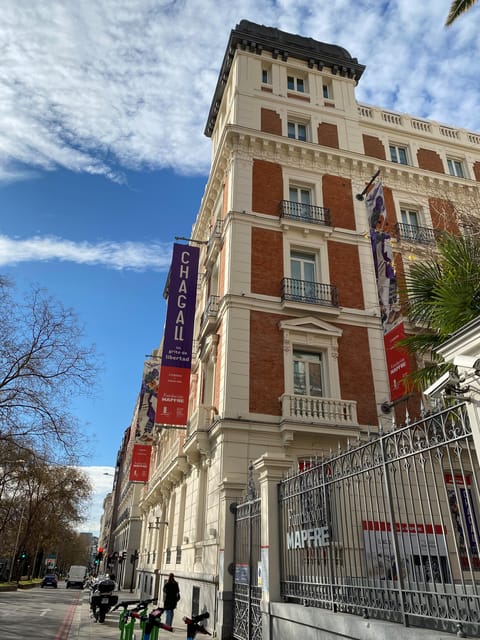
- Two major temporary exhibitions run until May 17, 2026: Anders Zorn’s paintings, watercolors, and prints share the building with nearly 200 photographs by Helen Levitt.
- The audio guide is included: It is available in English and Spanish through a QR code, but you need a phone, internet access, and headphones.
- The art covers several forms: Expect painting, photography, sketches, documentary images, and artistic photography.
- The price is low for a full museum visit: At $5 per person, the admission can be good value, though you should confirm the current charge because one recent visitor reported confusion about free entry.
- Plan for a self-guided visit: No guide names or scheduled live tour details are provided, so the audio guide and your own pace shape the experience.
- The building is wheelchair accessible: This makes it a practical cultural stop for many visitors with mobility needs.
Why Fundación MAPFRE makes a good Madrid art stop
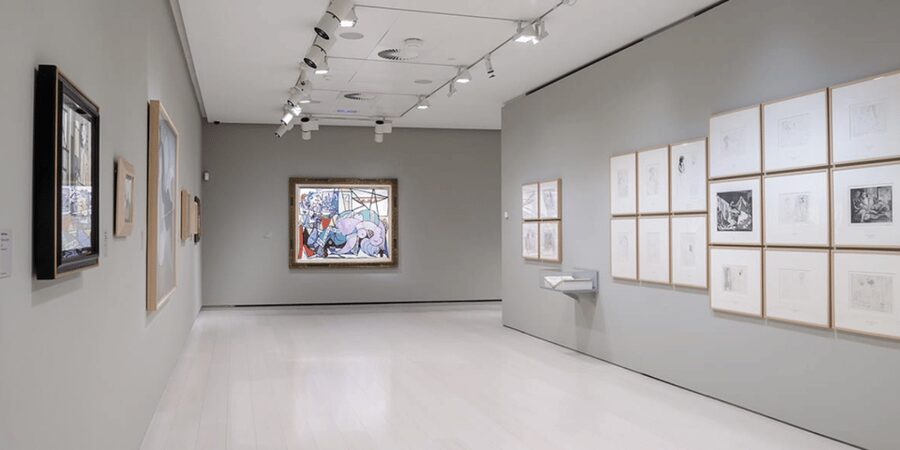
Fundación MAPFRE is a useful choice when you want more than another blockbuster museum. Its program brings together visual art and photography, with a clear focus on works from the late 19th century to the mid-20th century. That period gives you a chance to watch modern art take shape without being confined to one medium.
I like the balance here. You can move from a painted portrait or watercolor to a black-and-white street photograph, then compare how each artist handles people, place, and daily life. The exhibits are not simply a collection of famous names. They offer different ways to look at the modern world.
The focus on both international and local artistic work also helps keep the visit broad. You may arrive for one headline exhibition and find yourself spending just as much time with sketches, documentary photography, or another temporary display.
At about $5 per person, this is an easy addition to a Madrid day. It does not demand the cost or time commitment of a large national museum. You can spend a focused hour or two here, then continue with the rest of your plans.
Still, check the admission details before you arrive. One booking from November 2025 records a complaint in Spanish about being charged when the entrance was believed to be free. That does not establish the current rule, but it is a good reason to confirm the price and ticket conditions directly before booking.
More Museum Visits around Madrid:
- Berlin: Fotografiska Photography Exhibition Ticket
★ 4.6 · 168 reviews - Amsterdam: Foam Photography Museum Admission Ticket
★ 4.2 · 141 reviews - Paris: Private Photoshoot Outside the Louvre Museum
★ 4.8 · 139 reviews
Starting at the ticket desk
Your visit begins at the ticket desk, where you exchange your voucher. This is a simple arrangement, but it matters because you should not assume the QR code alone is your admission.
The listed duration is one day, which gives you flexibility rather than a fixed tour time. You should check availability for the starting times offered when you plan your visit. The information does not provide a timed guide, group size, or live tour schedule, so expect to explore independently.
That format suits me for an art museum. You can pause with a single photograph, move quickly through work that does not catch you, or return to a room that deserves more attention. It also means you need to manage your own pace. If you prefer a guide who explains every room in person, this may feel too loose.
The venue is wheelchair accessible, another practical point worth noting when planning your Madrid route. No separate access restrictions are given, so you can treat accessibility as part of the standard visit rather than a special add-on.
Using the free audio guide
The audio guide is included in the standard ticket and comes in English and Spanish. You access it by scanning a QR code available in the exhibition room, then listening on your own mobile device.
You need an active mobile internet connection. If your phone does not have mobile data, the venue provides free Wi-Fi. I would connect before settling into the first room, since stopping to solve a phone problem can break your concentration just as the art begins to take hold.
Headphones are required so the audio does not disturb other people. Your own headphones are the best choice. If you do not bring them, jack-style headphones can be purchased at the ticket counter for €1, although availability may mean a short wait.
This is a small but important cost detail. The $5 admission may be inexpensive, but the audio guide is not fully hands-free unless you already carry a phone and headphones. A charged phone is also wise, since the guide depends on it throughout the visit.
The supplied information does not identify individual guides or describe the length of each audio segment. Think of the guide as helpful background rather than a substitute for a personal art historian. You can use it selectively, listening to works that catch your eye and ignoring anything that feels too formal.
Anders Zorn and the journey from Europe to Sweden
The Anders Zorn exhibition gives you a clear path through the career of a Swedish artist who became famous far beyond his home country. Zorn lived from 1860 to 1920 and gained international recognition as a portraitist of kings, presidents, and celebrities.
His background makes the story appealing. He came from humble beginnings, yet built a public career through skill in oil painting, watercolor, and printmaking. The exhibition also includes his celebrated nude studies, showing the range that helped establish his reputation across Europe.
The display follows his career rather than presenting disconnected highlights. You begin with his early watercolors, then move to his period in England and his later work in Paris, where Impressionist influence helped strengthen his reputation.
That structure gives you a useful way to read the paintings. Instead of asking only if you like a particular portrait, you can watch Zorn change his handling of light, atmosphere, and movement. His work in different media also lets you compare the directness of watercolor with the weight and finish of oil.
His travels to the United States form another part of the story. Zorn’s American portraits of prominent figures show how international his career became, while his return to Mora shifts the attention toward ordinary Swedish life.
That change of subject is one of the exhibition’s most interesting features. The same artist who painted powerful public figures also returned to local people and familiar settings. The exhibition title, Traveling the World, Remembering the Land, captures that tension between international success and a rooted home life.
A featured work is Midnight, painted in 1891 and held by Zornmuseet in Mora. The painting gives you a useful entry point into his handling of the human figure and atmosphere. I would allow extra time for the Zorn section if you enjoy painting technique, portraiture, or the way an artist’s career changes through travel.
The exhibition also includes Zorn’s Spanish works and his artistic connection with Joaquín Sorolla. That link adds a welcome Spanish angle to a show centered on a Swedish painter. It helps place Zorn in a wider European conversation about light, modern life, and painterly freedom.
A few more photo experiences around Madrid worth a look
- Photographic tour of Madrid with a professional photographer
★ 5.0 · 104 reviews - Madrid: Private Photoshoot at the Retiro Park
★ 4.9 · 76 reviews - Explore Madrid by bike taking photos with Benja
★ 5.0 · 65 reviews - Photoshoot in Madrid
★ 5.0 · 44 reviews
Helen Levitt’s poetic New York streets
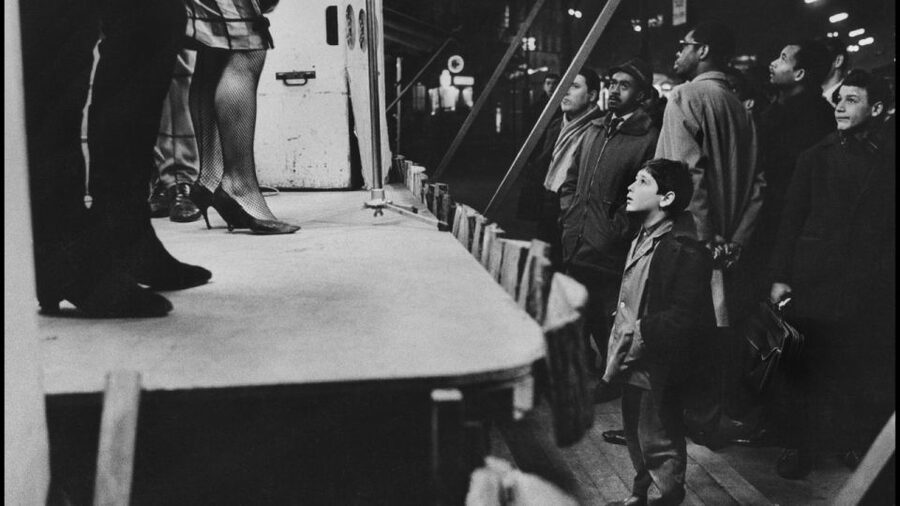
Helen Levitt’s exhibition shifts the mood from painted portraits and watercolors to the streets of New York. Levitt lived from 1913 to 2009 and spent more than seven decades developing a personal view of urban life.
Her early photographs began in the late 1930s. She was drawn to children at play, small gestures, and working-class neighborhoods. The appeal is not grand spectacle. It is the brief human moment: an expression, a pose, a game, or a bit of street activity that might vanish seconds later.
Nearly 200 works are arranged across nine sections. That scale makes this more than a quick sample of Levitt’s photography. You get a broad account of her career, from early photographs through her cinematic explorations.
The nine-part structure should help you see changes over time while keeping the exhibition easy to follow. I would not rush this section. Levitt’s images reward close attention because their meaning often sits in the relationship between people, gestures, and the surrounding street.
The exhibition presents her as a pioneering urban photographer with a strong social commitment. That description is useful, but the pictures matter most. Look for the way she gives children and working-class residents the same visual care that a formal portraitist might give a public figure.
One featured image is New York, c. 1940, from Film Documents LLC, courtesy of Zander Galerie, Cologne. It represents the period when Levitt was building her distinctive view of the city. The photographs are not only records of New York. They are carefully observed pictures shaped by timing, framing, and human curiosity.
I like placing Levitt beside Zorn because the contrast is productive. Zorn often worked through commissioned portraiture, travel, and painted surfaces. Levitt found meaning in unplanned street scenes and everyday behavior. One artist shows you how a person can occupy a portrait; the other shows you how a person can briefly animate a public space.
How the two exhibitions work together
The two headline shows give the visit a useful rhythm. Zorn’s section is about a career that moves between countries, media, public fame, and a return to local life. Levitt’s section stays close to city streets, human gestures, and the quiet drama of daily routines.
That difference keeps the museum from feeling repetitive. If you start with Zorn, Levitt offers a sharper change of pace. If you begin with Levitt, Zorn provides a broader art-history frame and a chance to study painting, watercolor, and printmaking.
The shared thread is observation. Both artists look closely at people and the places they inhabit. One creates portraits and scenes through paint; the other catches passing moments through photography.
The wider program includes permanent and temporary exhibitions of artwork and photography. You may therefore find additional material beyond the two exhibitions described here. The exact displays can change, so do not assume every room will remain the same beyond the stated run ending May 17, 2026.
The experience is strongest for visitors who enjoy comparing styles rather than collecting famous sights. You do not need a specialist background. The audio guide can provide basic direction, while the works themselves give you plenty to consider.
Who will get the most from this visit
I would recommend Fundación MAPFRE to you if you enjoy photography, portrait painting, or smaller cultural stops with a clear artistic focus. It also suits anyone who wants a break from Madrid’s largest museums without giving up serious work.
The Zorn exhibition should appeal to you if you like artists whose careers cross borders and media. His work connects Sweden, England, Paris, the United States, and Spain, while his return to Mora brings the story back to everyday Swedish life.
The Levitt exhibition is a strong choice if street photography interests you. Nearly 200 works give you enough material to follow her development rather than simply glance at a handful of well-known images.
Families with older children may find the Levitt photographs especially approachable because children, games, and street scenes create an immediate human connection. The audio guide in Spanish or English also gives you flexibility within a multilingual group.
I would be more cautious if you want a live, highly structured tour or a large collection of one artist’s work. The supplied details point to a self-guided visit, and there is no named guide or group itinerary. You will need to make your own route through the rooms.
Price, timing, and practical value
At $5 per person, the admission is modest for a full day of access to exhibitions, and the included audio guide improves the value. You can take your time instead of treating the visit as a quick photo stop.
The one-day validity is useful because it gives you room to fit the museum around other Madrid plans. Starting times depend on availability, so check the schedule rather than assuming you can arrive at any hour.
The price question deserves a little care. One recent Spanish review gave the lowest rating because the visitor believed the entrance was free but was charged. Another visitor praised the exhibition of Leonora Carrington, saying the organization and lighting were especially good, and describing the paintings as unexpectedly enjoyable. A separate short review called the visit very good.
Those comments point to two practical truths. The displays can be arranged with care, and individual exhibitions may be more rewarding than you expect. At the same time, admission information may not feel clear to everyone, so verify the current price before committing.
Free cancellation up to 24 hours before the visit and the option to reserve now and pay later give you some flexibility. These terms matter if your Madrid schedule is still changing. The museum is wheelchair accessible, which makes the low-cost cultural option more broadly usable.
Should you book Fundación MAPFRE?
Book it if you want a reasonably priced, self-guided art visit with two strong temporary exhibitions through May 17, 2026. The pairing of Anders Zorn and Helen Levitt gives you real variety, from European painting and printmaking to intimate New York street photography.
I would make this a priority for photography fans, people curious about late 19th and early 20th-century art, and visitors who enjoy carefully arranged exhibitions more than crowded blockbuster rooms. Bring headphones, charge your phone, and use the free Wi-Fi if needed.
I would pause before booking only if you expect a live guide, a fixed tour with a named expert, or absolute certainty that admission is free. Confirm the current price and starting time first. If the $5 charge applies, the included audio guide and two substantial exhibitions make it a sensible Madrid purchase.
FAQ
Where is Fundación MAPFRE located?
Fundación MAPFRE is in Madrid, in the Community of Madrid, Spain.
How much does the experience cost?
The listed price is $5 per person. Check the current admission terms before booking because one recent visitor reported confusion about being charged for an entrance they believed was free.
How long is the visit valid?
The ticket is valid for one day. You should check availability for the starting times offered.
Which exhibitions are available until May 17, 2026?
The two named temporary exhibitions are Anders Zorn, Traveling the World, Remembering the Land and Helen Levitt.
What does the Anders Zorn exhibition cover?
It follows Zorn’s career from early watercolors and his period in England to Paris, the United States, and his return to Mora. It also includes Spanish works and his connection with Joaquín Sorolla.
How large is the Helen Levitt exhibition?
The exhibition includes nearly 200 works arranged across nine sections.
Is an audio guide included?
Yes. The standard ticket includes a free audio guide in English and Spanish.
How do I access the audio guide?
You use a QR code available in the exhibition room. You need a mobile device with an active internet connection.
What if I do not have mobile data?
You can connect to the free Wi-Fi available inside the space.
Do I need headphones?
Yes. Headphones are required so other people are not disturbed. You can bring your own or buy jack-style headphones for €1 at the ticket counter, subject to availability.
Is the venue wheelchair accessible?
Yes, Fundación MAPFRE is wheelchair accessible.
Can I cancel the booking?
You can cancel up to 24 hours in advance for a full refund. You can also reserve now and pay later, according to the stated booking terms.
Just added around Madrid
- Flying dress photoshoot in Madrid★ 5.0 · 20 reviews
- Madrid Photo Tour with Pro Photographer Lifestyle and Portrait★ 5.0 · 6 reviews
- Private Photography Tour in Madrid with Personal Guide and Photographer★ 5.0 · 2 reviews
- Madrid Private Photoshoot★ 5.0 · 2 reviews
- Photoshoot in Madrid★ 5.0 · 44 reviews
- Private Photo sessions in Madrid★ 5.0 · 9 reviews
- Private Tour of Madrid with a Photography Session★ 5.0 · 6 reviews
- Explore Madrid by bike taking photos with Benja★ 5.0 · 34 reviews
Museums, compared.

Ticket for Photography Exhibitions at C/O Berlin
Read our review →
Rotterdam: National Museum of Photography Entrance Ticket
Read our review →Browse the lists this shoot appears in