
Review · PHOTOGRAPHY WORKSHOPS & LESSONS
Sintra Cascais : Landscape Photography One Day Workshop
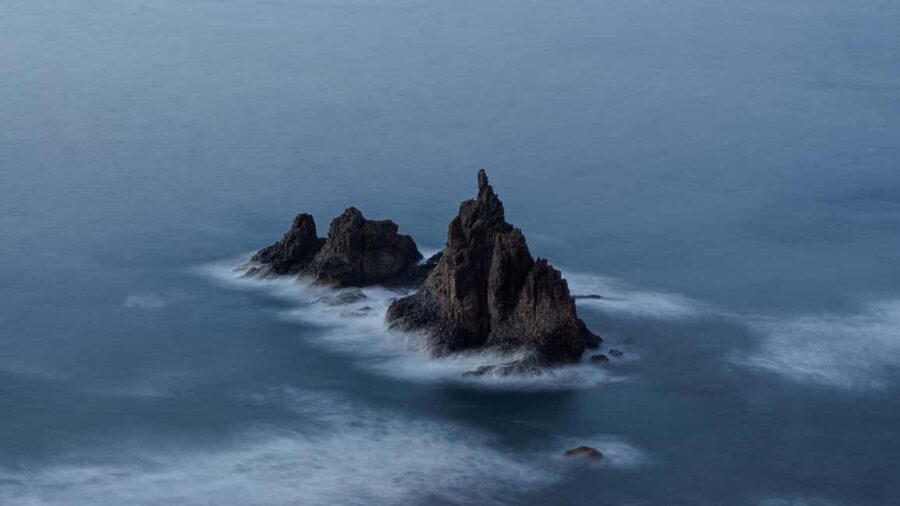
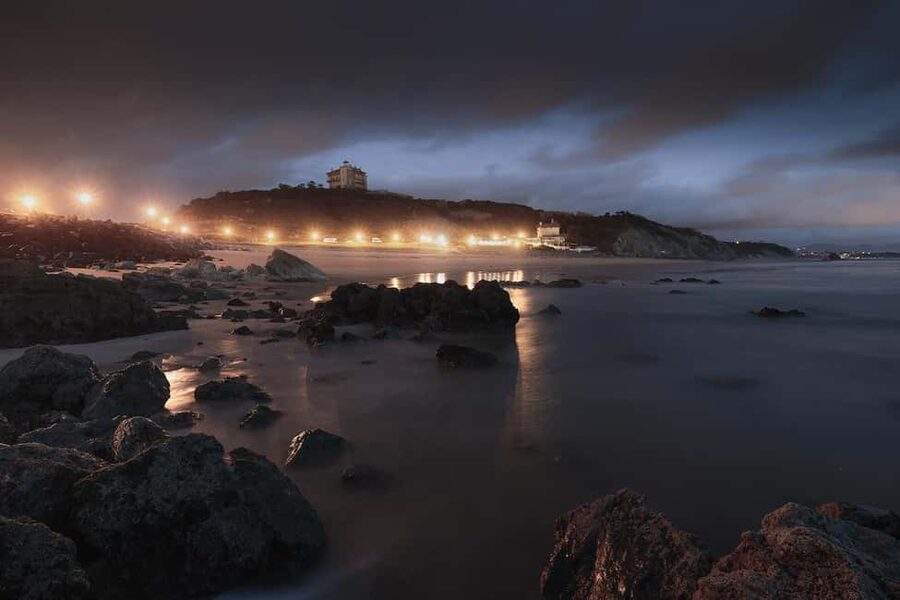
Cape Roca makes every camera work harder. This five-and-a-half-hour workshop takes you through the Sintra Cascais Natural Park, where cliffs, beaches, fishing harbors, tidal pools, and forest scenes give you plenty to photograph. I like the maximum group size of four, and I like that the lesson works with anything from a professional camera to a smartphone.
The other big plus is Willy, an experienced photographer who knows the area and teaches in English or French. You can work on composition, exposure, focus, filters, and long exposures instead of simply stopping for pretty views. The main consideration is practical: meals, drinks, and travel between locations are not included, and a tripod and weather-ready clothing matter.
Key points at a glance
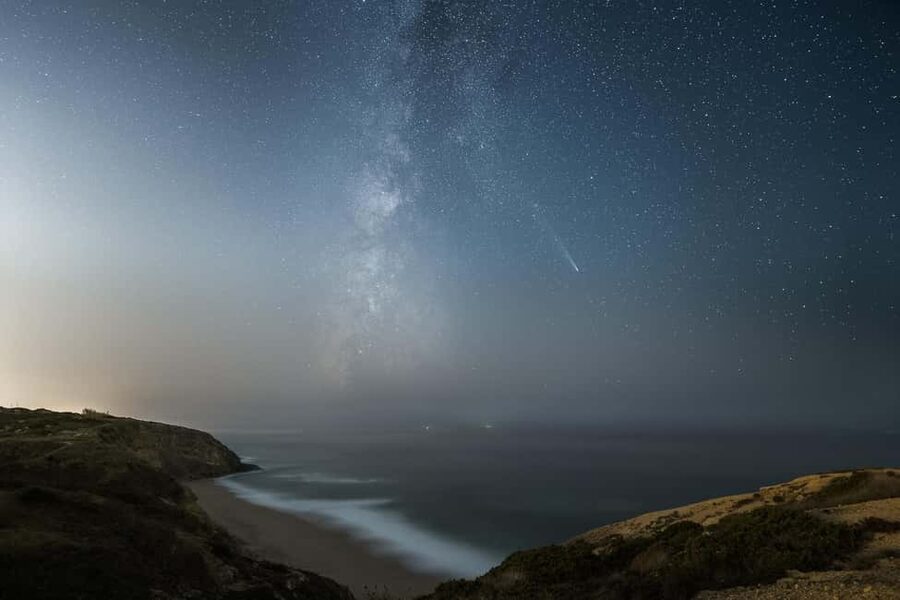
- Cape Roca and the Sintra Cascais coast: Photograph dramatic cliffs, rugged headlands, beaches, tidal pools, and fishing harbors in one broad outing.
- Four people maximum: The small group leaves room for personal tuition and one-on-one help with your camera settings.
- Any camera is welcome: Bring a DSLR, mirrorless camera, compact camera, or smartphone and learn how to use its strongest features.
- Long exposures and filters: Practice controlling bright light, smoothing movement, and adding mood to water and coastal scenes.
- Suitable for every skill level: Beginners can learn the basics while experienced photographers can test new approaches.
- A five-and-a-half-hour session: Long enough for several types of scenery, but still manageable as a half-day activity.
Why this Sintra Cascais workshop is worth your time
This is not a sightseeing tour with a few rushed photo stops. The point is to learn how to make better pictures in changing outdoor conditions. That difference matters. You may already know how to point a camera at a cliff or beach, but knowing where to stand, what to leave out, and how to handle strong light is what gives the final image more force.
I especially like the mix of subjects. The Sintra Cascais area gives you more than one standard coastal view. You may work with open sea and steep cliffs, then shift your attention to smaller details such as rock pools, fishing boats, shoreline textures, or filtered light in the woods. That range helps you practice instead of repeating the same composition all day.
The five-and-a-half-hour duration also has a useful balance. It gives you time to learn a technique, try it, and adjust after seeing the result. At the same time, it does not require you to commit to a full day of carrying gear across the region. Starting times vary, so check the available schedule before booking.
More Photography Workshops and Lessons in Portugal:
- Photography Workshop-Tour in Alfama – Lisbon
★ 5.0 · 16 reviews - Porto: Analog Photography Workshop & Tour
★ 5.0 · 13 reviews - Lisbon Photography Masterclass – Private Photography Lesson
★ 4.5 · 5 reviews
Meeting Willy and setting the pace
Willy leads the workshop, and his role is more than pointing out scenic locations. He helps you decide what equipment suits each scene, then guides you through the camera choices that support your idea. For a beginner, that can mean moving beyond automatic settings without feeling lost. For an experienced photographer, it can mean refining habits that have become a little stale.
The small group is one of the strongest features here. With no more than four participants, you should have a real chance to ask questions and receive direct help. That is particularly useful when you are trying to understand why a picture looks too bright, why the focus landed in the wrong place, or why a composition feels unbalanced.
A larger group often turns a photo workshop into a demonstration. This format is better suited to hands-on practice. You can show Willy your screen, explain what you were trying to capture, and get advice that relates to your own camera and style.
The teaching is available in English and French. Since the workshop is suitable for complete beginners through seasoned photographers, it should not feel like a technical class aimed only at professionals. Still, experienced photographers should tell Willy what they want to improve early in the session so the guidance can be shaped around those goals.
From cliffs to beaches: what you may photograph
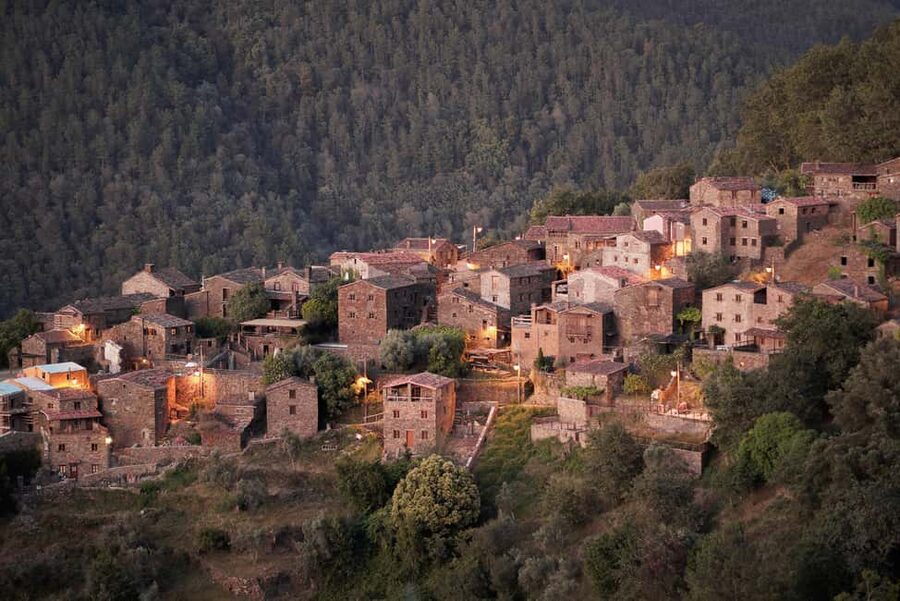
The exact sequence of stops can depend on the day and the available starting time, but the setting includes several distinct types of scenery. The variety is important because each one calls for a different approach.
Dramatic cliffs and rugged headlands give you broad, powerful scenes. Here, composition becomes the central lesson. You may need to decide how much sky to include, where the horizon should sit, and how to use the edge of a cliff or a foreground rock to lead the eye into the frame.
These views can look impressive in person but flat in a photograph if everything is placed in the middle. Willy can help you look for balance, depth, and a clear visual subject. That advice has value long after the workshop, since the same problems appear in mountain, city, and travel photography.
Golden beaches offer a different challenge. Sand, open sky, and sea can create large areas of similar color and tone. The lesson shifts toward timing, lines, texture, and exposure. You may experiment with the relationship between the beach and the horizon rather than simply recording the whole view.
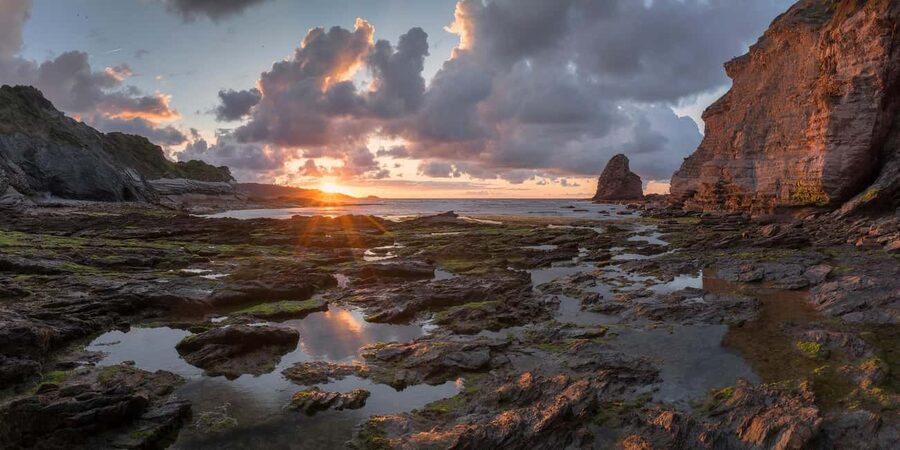
Tidal pools and shoreline rocks are useful for close compositions. They give you smaller subjects within the wider coastal setting. Reflections, patterns, and moving water can become the main focus, which is a good reminder that strong outdoor photographs do not always need a sweeping view.
Fishing harbors add human detail and structure. Boats, working shorelines, and harbor shapes can give your photographs a clear point of interest. These scenes may also help you think about color, repetition, and how to keep a busy frame organized.
The area also includes forest scenery. This keeps the session from becoming a nonstop exercise in sea and sky. Forest scenes tend to reward careful framing and attention to light. You may need to simplify a crowded view, choose a focusing point, and find order among the trees.
Composition lessons that you can use anywhere
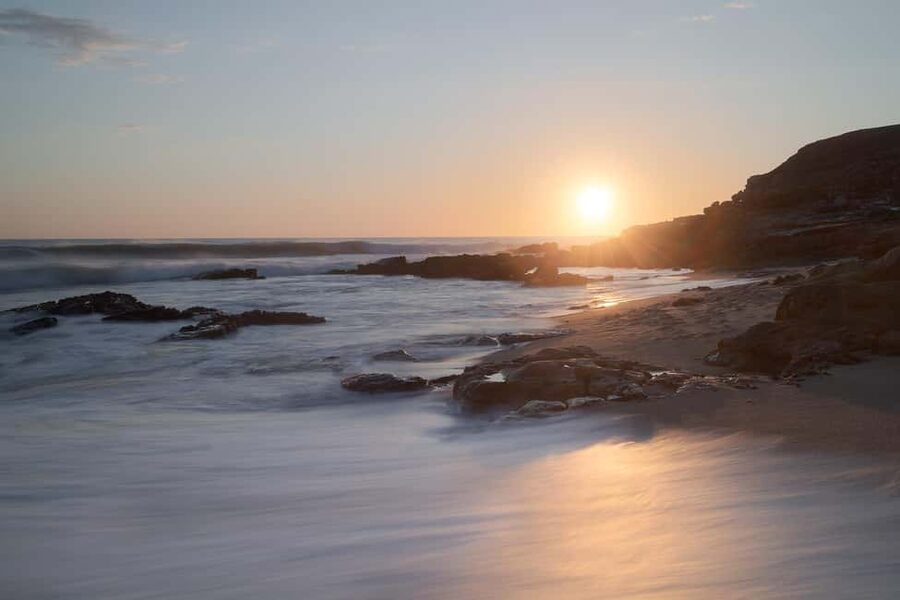
Composition is often presented as a list of rules, but a good field workshop makes it practical. You learn to ask what the picture is really about and which parts of the scene support that idea.
At the coast, you may have a cliff, a beach, a pool, and a wide horizon competing for attention. The answer is not always to include everything. A tighter frame may say more than a broad one. At another stop, a wider view may be the right choice because the relationship between sea, land, and sky is the subject.
Willy can help you create balanced images by considering the position and visual weight of different elements. A dark rock in one corner can balance a bright headland on the other side. A curve in the shoreline can guide the eye. A person, boat, or tree can provide scale, though you should not expect any particular subject to be placed for you.
This is especially helpful for smartphone photographers. Phones often produce sharp, bright files with little effort, but they can also encourage quick snapshots. The workshop gives you a reason to slow down, change your position, use built-in controls, and think about the frame before pressing the shutter.
More Day Trips around Portugal:
- Silfra: Half-Day Snorkeling Day Trip with Underwater Photos
★ 4.8 · 1,155 reviews - From Yerevan: 6 Most Instagramable Armenian Sights Day Trip
★ 4.3 · 304 reviews - Day Trip to Chefchaouen from Fez (instagram /Photos)
★ 5.0 · 180 reviews - Birding & Photography Day Trip to Doñana from Seville
★ 5.0 · 61 reviews
Exposure, focus, and controlling strong light
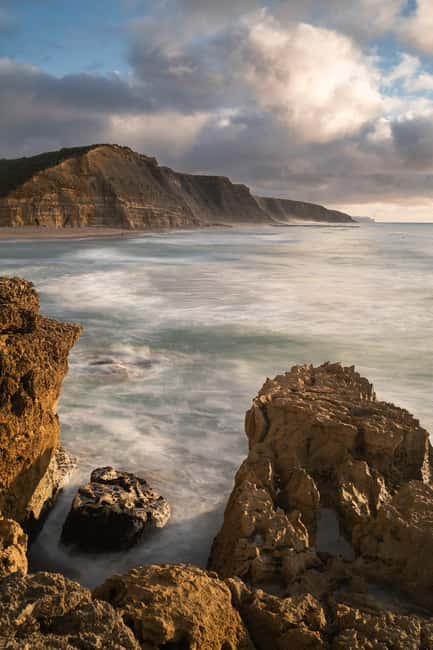
Coastal photography can be technically awkward. Bright sky, dark rock, reflective water, and changing cloud cover can all appear in the same frame. The workshop covers exposure settings and focusing techniques so you can handle those contrasts with more confidence.
You can learn how shutter speed, aperture, and sensitivity affect the final image. The goal is not to memorize settings for one location. It is to understand how to adjust when the light changes or when your creative aim changes.
Focus deserves equal attention. A scene with foreground rocks and a distant headland may require a thoughtful focusing choice. A close detail in a tidal pool asks something different. Practicing these decisions in the field is more useful than reading about them later because you immediately see what worked.
Filters are also part of the session. They can help control light and support creative choices, particularly in bright coastal conditions. You may use them to manage the balance between sky and land or to support a longer exposure. If you already own filters, bring them. If you do not, ask about equipment rental when arranging the workshop.
Long exposures can add movement and mood to water. A slower shutter speed may soften the appearance of waves or create a smoother sense of motion. This technique is not automatically better than a fast shutter. It simply gives you another way to show the scene, and Willy can help you judge when it suits the subject.
A tripod is listed among the items to bring, and that advice is worth taking seriously. It is particularly useful for long exposures and for keeping the frame steady while you make careful adjustments. Bring a charged smartphone as well, since it may help with camera features, creative apps, or quick reference during the lesson.
Bring the camera you actually use
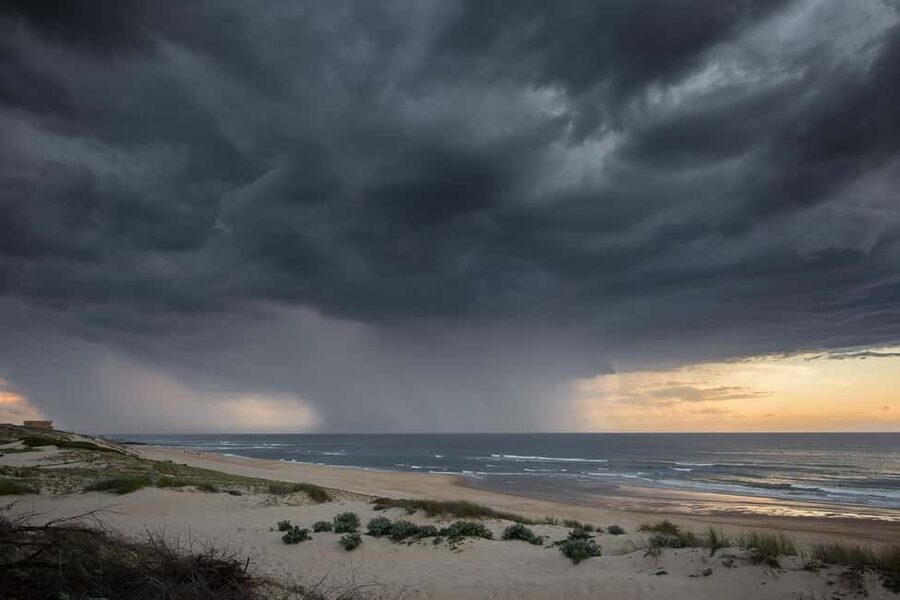
You do not need a professional kit for this experience. A DSLR or mirrorless camera with several lenses gives you the most control, but a compact camera can still handle the main lessons. A smartphone is also welcome, and the workshop aims to show you how to use manual controls, built-in features, and creative apps on the device you bring.
That makes the session more useful than a class focused only on expensive gear. The best camera is often the one you understand and carry. If you bring a complicated kit that you rarely use, the workshop may become an equipment-management exercise rather than a photo lesson.
If you need equipment, camera rental is included. The information does not specify the exact gear available, so confirm what you need before the day. Equipment insurance is not included, which is a useful point to check if you are borrowing or renting valuable equipment.
Pack comfortable shoes. The activity takes place outdoors across varied coastal and forest settings, and proper footwear will make it easier to concentrate on photography. Wear clothing suited to the weather, since conditions near the coast can change and the session runs for several hours.
What the five-and-a-half hours feel like
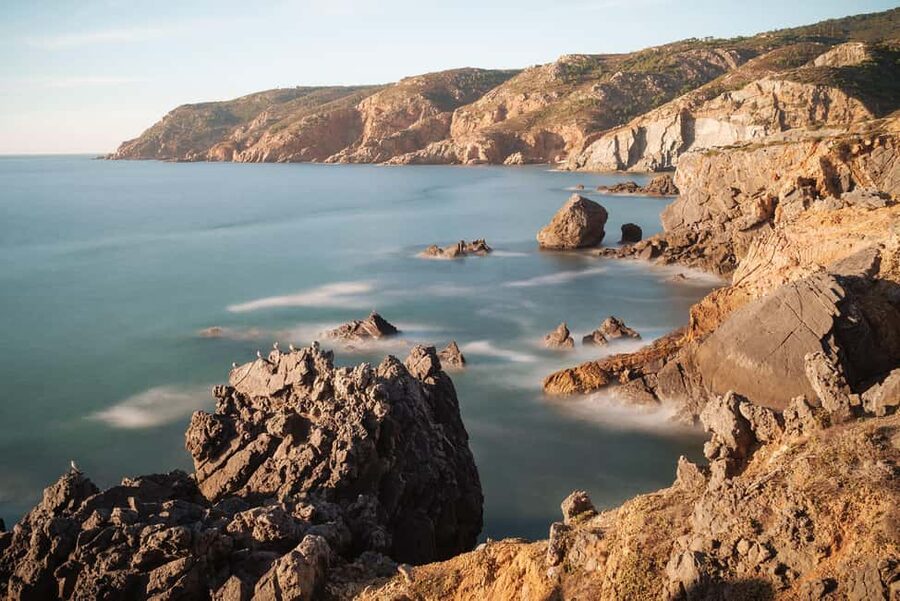
The time is likely to be divided between moving through the area, discussing a scene, setting up, shooting, and reviewing your choices. That rhythm is better for learning than spending the entire session walking or listening to a lecture.
You should expect a practical workshop rather than a formal classroom. Willy may explain a technique, show you how to apply it, and then give you time to try it with your own camera. The four-person limit helps keep that process personal.
Do not expect meals or drinks to be supplied. Bring what you need for the duration, since those costs are separate. Travel to and between locations is also not included, although some transport arrangements can be made. Clarify that point before booking, especially if you are not traveling with your own vehicle.
There is no promise of a particular number of stops or a fixed sequence, so you should choose this for the teaching and variety of scenery rather than for a checklist of famous viewpoints. The workshop is at its best when you are willing to spend time making and improving photographs, not just collecting quick snapshots.
The value of the $104 price
At $104 per person, the cost is reasonable for a small-group photography session that lasts five and a half hours. You are paying for instruction, local knowledge, personal feedback, and the chance to practice across coastal and forest settings. The maximum of four participants improves the value because your tuition is not diluted across a large crowd.
The price is less attractive if you only want transport and sightseeing. Meals, drinks, and travel between locations are extra, and equipment insurance is not included. If you already know your camera well and mainly want someone to drive you to scenic viewpoints, a standard sightseeing outing may suit you better.
For a beginner, the value comes from avoiding guesswork. A few hours of direct help with exposure, focus, and composition can save a lot of trial and error. For an experienced photographer, the value depends on your goals. If you want fresh ideas, long-exposure practice, or a different way to approach familiar coastal subjects, the small group and broad range of locations make the price easier to justify.
The current rating is 5 out of 5 from two verified bookings, including a January 2026 session around Cape Roca. That is encouraging, though the sample is small. The strongest praise focuses on Willy’s help with capturing the scenery, which fits the workshop’s main purpose.
Who should book this experience

I would recommend it most strongly to photographers who want instruction tied to real outdoor conditions. Beginners get a clear route into manual controls without needing to arrive with advanced skills. Smartphone users also have a good reason to book, since they can learn features they might otherwise overlook.
It also suits photographers who have become comfortable with their usual methods but want new ideas. Working with filters, long exposures, and different coastal subjects can refresh your approach. The small group should make it easier to ask specific questions instead of listening to generic advice.
You should be comfortable spending several hours outdoors and carrying your camera equipment. Children under 12 are not suitable for the activity, so this is aimed at older participants and adults who can focus on the workshop.
I would think twice if you want a relaxed sightseeing trip with little technical discussion. This is built around learning. You will get more from it if you arrive with a clear goal, such as improving composition, learning long exposures, or getting out of automatic mode.
Booking details that matter
You can cancel up to 24 hours before the activity for a full refund, and you can reserve now while paying later. Those terms help if your Portugal plans are still shifting, although you still need to check the available starting times.
The workshop is offered in English and French. Bring a camera if you have one, a charged smartphone, comfortable shoes, weather-appropriate clothing, and a tripod. If you need gear, arrange rental details in advance rather than assuming every type of camera or lens will be available.
Should you book the Sintra Cascais photo workshop?
Book it if you want more than a scenic drive. The strongest reasons are the four-person limit, Willy’s individual guidance, the mix of cliffs, beaches, pools, harbors, and forest, and the chance to practice filters and long exposures in real conditions.
Skip it if you mainly want included transport, food, or a quick series of viewpoints. The extra planning for travel between locations and the need to bring suitable gear are real considerations.
For anyone who wants to return from Portugal with better photographs and better judgment behind the camera, this is a focused and fairly priced half-day choice. Cape Roca and the Sintra Cascais coast provide the raw material. Willy’s tuition helps you turn those views into photographs with more control and purpose.
FAQ
How long does the photography workshop last?
The workshop lasts five and a half hours. Starting times vary, so check availability for the date you want.
What languages does the instructor speak?
The instructor offers the workshop in English and French.
How many people can join the workshop?
The group is limited to a maximum of four participants, allowing for personal tuition and one-on-one guidance.
Can beginners join the workshop?
Yes. The experience is suitable for complete beginners as well as seasoned photographers.
What kind of camera can I bring?
You can bring a professional DSLR, mirrorless camera, compact camera, or smartphone. Camera equipment rental is included if needed.
Are meals, drinks, and transportation included?
No. Meals and drinks are not included. Travel to and between locations is also separate, although some arrangements can be made. Equipment insurance is not included.
Just added around Portugal
- Private Photo Session in Portugal with a Local Photographer★ 5.0 · 5 reviews
- Holiday Photo Shoot with Lisbon Photographer★ 5.0 · 26 reviews
- Photography Workshop-Tour in Alfama – Lisbon★ 5.0 · 16 reviews
- Lisbon Photography Masterclass – Private Photography Lesson★ 4.5 · 5 reviews
- Authentic Photo Experience in Lisbon with a Local Photographer★ 5.0 · 27 reviews
- Photographer in Lisbon★ 4.5 · 4 reviews
- Private Photography from Lisbon★ 5.0 · 2 reviews
- Lisbon by Night: Golden and Blue Hour Photography Walk★ 5.0 · 4 reviews
Photography Workshops & Lessons, compared.

Paris Photography Masterclass – Private Photography Lesson
Read our review →
2-Hour Photography Class While Touring Downtown Santa Fe, Smart Phones Welcome!
Read our review →
Unique Rome by Night, Photo Tour and Workshop Under the Stars
Read our review →
Elevate Your Photography – Barcelona Private Tour & Workshop
Read our review →
Rome Photography Masterclass – Private Photography Lesson
Read our review →
Private (Phone) Photography Class in Park & Old Town
Read our review →
Venice Photography Masterclass – Private Photography Lesson
Read our review →
Custom Half-Day Photo Tour with Photography Lessons from Asheville
Read our review →Browse the lists this shoot appears in