
Review · PHOTOGRAPHY WORKSHOPS & LESSONS
Tokyo: Photography Masterclass – Private Photo Lesson
Tokyo rewards a patient eye. This private lesson gives you one-on-one coaching while you photograph Shibuya, Harajuku, and the city’s less obvious corners. I like the custom route, and I like that the guide works with your actual camera rather than giving a generic sightseeing talk.
The strongest part is the practical help. Tim has shown guests where to shoot at night and how to adjust camera settings, while Ivan has advised on focal lengths, slow shutter speeds, and time-lapse ideas. The main drawback is simple: you must bring your own camera, and this is a photography lesson, not a portrait session.
The three-hour format suits a first taste of Tokyo street photography, though serious photographers may want the six-hour day-and-night option. At $323 per private group of up to two, the cost makes the most sense when two people share it and want focused instruction rather than a large group walk.
Key points at a glance
- Start with coffee and camera basics: You first discuss your skill level, review technical material, and shape the route around your interests.
- Photograph famous Shibuya scenes: The meeting point at Hachiko leads naturally toward the famous crossing and its surrounding streets.
- Move beyond the obvious: The route can include back streets in Shibuya and youth fashion scenes in Harajuku.
- Choose day, night, or both: You can book a three-hour daytime lesson, a three-hour night session, or a six-hour combined outing.
- Get advice matched to each shot: Guides can help with focal length, shutter speed, time-lapse choices, and camera settings.
- Keep it private: The group is limited to your party, with the price covering up to two people.
Starting at Hachiko with your camera in hand
The lesson begins at the Hachiko Memorial Statue in Shibuya, a practical meeting point and one of Tokyo’s best-known landmarks. Hachiko was an Akita dog remembered for his loyalty, and the bronze statue is easy to find outside Shibuya Station.
You should allow time to reach the correct exit. From the station, follow signs for the Hachiko exit. Shibuya is served by JR East’s Yamanote, Saikyo, and Shonan-Shinjuku lines, along with the Keio Inokashira Line, Tokyo Metro’s Ginza, Hanzomon, and Fukutoshin lines, and the Tokyu Den-en-toshi and Toyoko lines.
If you take a taxi, the provided Japanese request points the driver toward Hachiko Crossing near Shibuya Station. That can help if the station feels like a maze, though the train exit is the clearest choice for most people.
The opening coffee is more useful than it may sound. It gives you time to explain what you want to learn, show the guide your camera, and discuss your current level. A beginner can get help with basic controls, while a more experienced photographer can focus on composition, timing, or a particular kind of street scene.
That early conversation is central to the value of the lesson. You are not simply following a fixed route while the guide recites facts. You help decide whether the session should focus on famous sights, night photography, people and fashion, architecture, or quieter street details.
More Private Photoshoots in Japan
- Tokyo by Night Photography Tour (Private Option Available)
★ 5.0 · 151 reviews - Tokyo: Photo Shoot with a Private Vacation Photographer
★ 5.0 · 53 reviews - Tokyo 6hr Instagram Highlights Private Tour with Licensed Guide
★ 5.0 · 38 reviews
Turning Shibuya Crossing into a photography exercise
Shibuya Crossing is the obvious first challenge. It is famous for the huge wave of people moving across the intersection, but the scene can be harder to photograph well than it looks. There is a lot happening at once, and a quick snapshot can easily become a pile of unrelated shapes.
A private instructor can help you think through the shot before you press the shutter. You might work on where to stand, what to include at the edges of the frame, and how to time the movement. The goal is not simply to record the crossing, but to make a photograph with a clear subject and structure.
This is also where individual coaching matters. If your camera is set incorrectly, you can usually ask for help immediately instead of trying to remember advice from a crowded group walk. The guide can also suggest a different focal length or explain when a slower shutter speed might better show movement.
The crossing itself is a major attraction, so expect plenty of activity around you. That is part of the appeal, but it also means the lesson may feel exposed and hectic at first. If you want calm, carefully controlled compositions, tell your guide early. The private format gives you a better chance to shift toward quieter streets.
A useful expectation check: the lesson teaches you how to photograph Tokyo, but the guide is not there to photograph you. If you want polished portraits of yourself in the city, this is the wrong product.
Shibuya’s back streets and the value of a local eye
After the major crossing, the route can turn into Shibuya’s back streets. This change of pace helps you see why the tour is more than a checklist of landmarks. Tokyo’s photographic interest often comes from the contrast between a giant public scene and a smaller street nearby.
The exact stops are shaped around your interests. You may spend longer looking for signs, storefronts, side streets, or passing moments, or return to a major location to improve a shot. The guide’s role is to point out opportunities and help you decide how to handle them.
Ivan received especially strong praise for precise location planning and for knowing where a shot worked best. That kind of local familiarity can save time in a city where a promising subject may be visible only from one particular corner or at one useful angle.
You should still keep your expectations reasonable. A three-hour session cannot cover every side of Shibuya, Harajuku, and Tokyo’s major sights in depth. The advantage is not the number of places checked off. It is the chance to spend meaningful time on a smaller selection of scenes with advice suited to your camera and ability.
Harajuku fashion and street photography practice
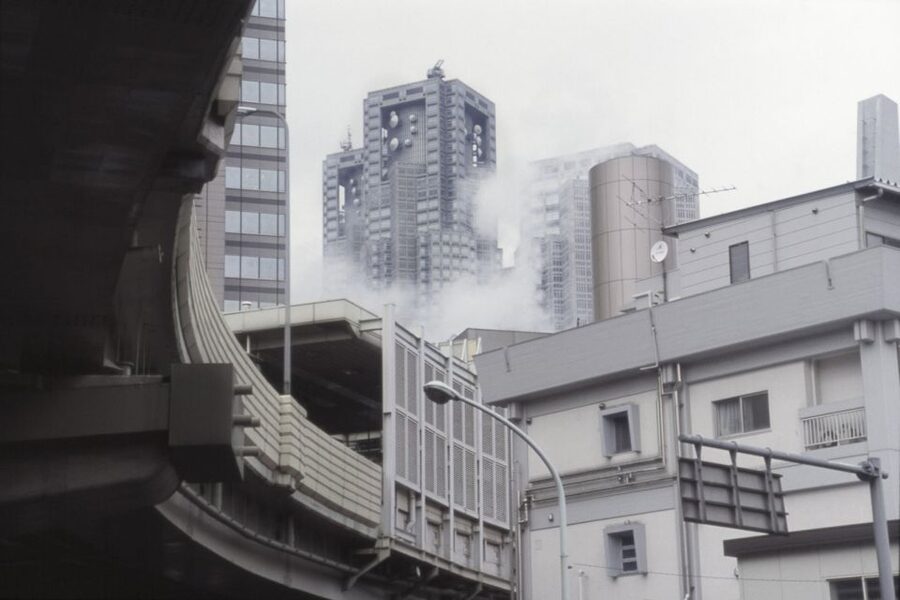
The lesson can continue into Harajuku, where youth fashion provides a different subject from Shibuya’s crossing. Clothing, color, texture, and personal style can give you strong visual material, but photographing people in public requires care and good judgment.
The description of the route specifically points to Harajuku’s eclectic youth fashion. That does not promise a staged fashion shoot or arranged portraits. Instead, you should think of this part as a chance to work on candid street photography and learn how to notice style, gesture, and movement without forcing a scene.
A guide can help you decide how close to get, how to frame a subject, and how to avoid clutter behind the person you are photographing. You can also ask for help choosing between a wider view that shows the street and a tighter frame that emphasizes clothing or expression.
This section will suit you if you enjoy people-focused photography and quick decisions. It may be less comfortable if you prefer architecture, still scenes, or landscapes. Tell the guide what interests you during the coffee meeting so the route does not spend too much time on a subject you do not enjoy.
More Private Photoshoots in Tokyo
- Tokyo: Private photo shoot
★ 5.0 · 31 reviews - Tokyo: Customized Private Historical Guided Photoshoot Tour
★ 5.0 · 25 reviews - Tokyo: Private Makeover Photography Studio in Luxury Kimono
★ 5.0 · 22 reviews - Tokyo Private photo tour with Nightstreet Neon photographer
★ 5.0 · 17 reviews
Technical coaching that matches the moment
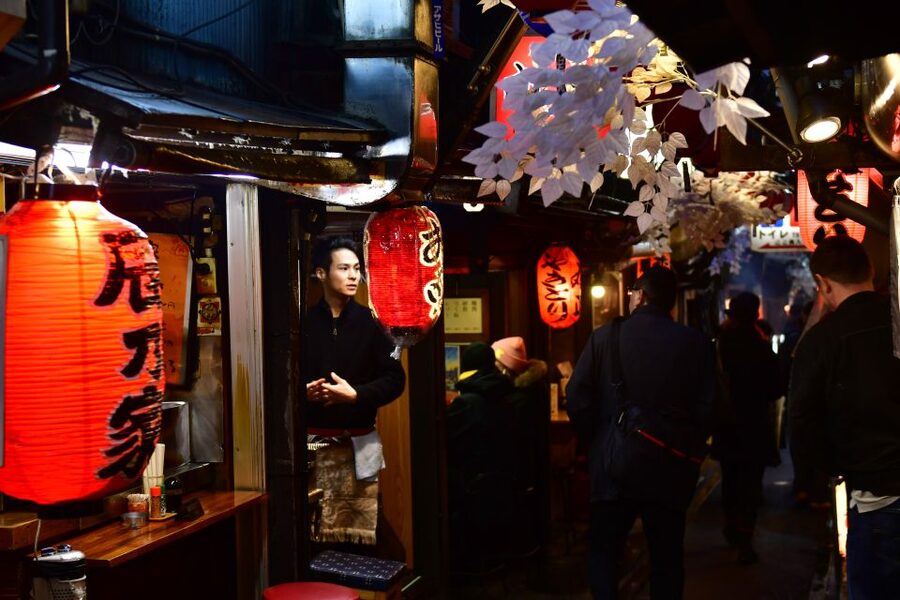
The best reason to book this experience is the chance to connect technical choices with real scenes. Camera advice can feel abstract in a classroom. On the street, you can test a setting, see the result, and adjust it while the subject is still in front of you.
The available guidance can include:
- Selecting a focal length for a particular composition
- Using a slower shutter speed to show movement
- Considering time-lapse for changing scenes
- Adjusting camera settings for night photography
- Building confidence with a camera you are still learning to operate
Ivan was praised for understanding which focal length a shot required and when special treatment, such as a slow shutter or time-lapse, might suit the scene. That is useful advice because it links gear and settings to intent. You are not changing controls just because someone told you to. You are learning why a choice may help.
Tim’s night-tour guidance also focused on useful camera settings and strong locations. If you choose the evening option, ask for advice before the light drops. Night photography can become frustrating when you are still searching through menus while the best moment passes.
Beginners are welcome, including people picking up a camera for the first time. Semi-professional photographers are also included in the target range, so the lesson is not limited to basic instruction. The private setup lets the guide adjust the level instead of forcing both people into the same lesson plan.
Day, night, or six hours for both
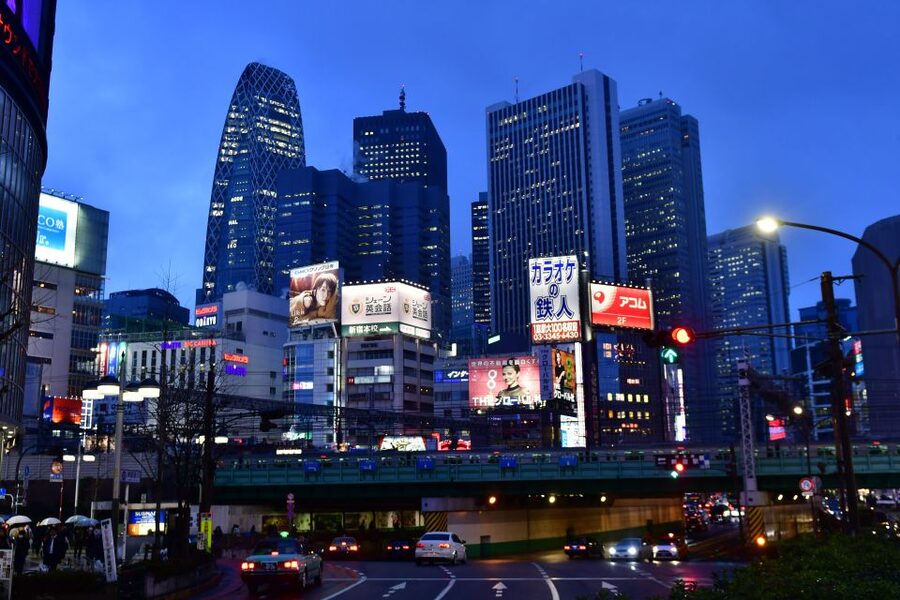
You can choose among three formats: a three-hour day tour, a three-hour night tour, or a six-hour combined day-and-night tour.
The daytime option is a sensible choice if you want to learn camera basics, study street scenes clearly, and work on composition without the added challenge of low light. It also gives you a straightforward introduction to the city before you decide if night photography interests you.
The night option suits photographers who want neon, illuminated streets, and the particular mood of Shibuya after dark. It also makes technical coaching more valuable, since exposure and focus can be harder in low light. Tim’s advice on settings and locations is especially relevant here.
The six-hour combined tour offers the broadest study, but it is also a bigger time commitment. You may get more room to compare daylight and night conditions, revisit ideas, and photograph both famous areas and smaller streets. Still, six hours with a camera can be tiring, especially if you are new to manual controls.
Starting times depend on availability. Check the selected date carefully, and make sure the option you choose matches your energy, interests, and arrival plans.
What $323 means for a private lesson
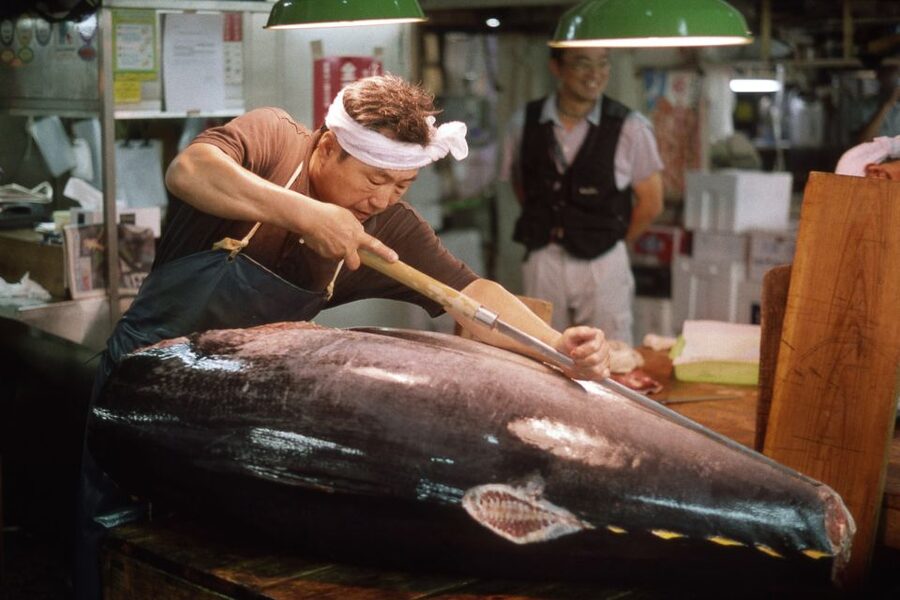
The price is $323 for a group of up to two people. That is not a casual walking tour price, but it is easier to justify if two people share the booking. Split between two participants, it becomes a more reasonable cost for three hours of private instruction in one of the world’s most visually demanding cities.
You are paying for more than a guide who points out sights. The value comes from the personal lesson, route changes, camera advice, and the ability to ask questions whenever you need help. The price is less attractive if you mainly want sightseeing or already know exactly how to photograph street scenes on your own.
A solo photographer should compare the cost with how much individual feedback matters. If you are trying to improve quickly, learning on location may save time and frustration. If you want a simple introduction to Shibuya, a regular city tour may offer better value.
A camera is not included. Bring the camera you plan to use, along with any lens and batteries you normally rely on. A tripod is also not included, but one can be rented by request. Ask about that before the tour rather than assuming one will be ready at the meeting point.
How to prepare for a useful three hours
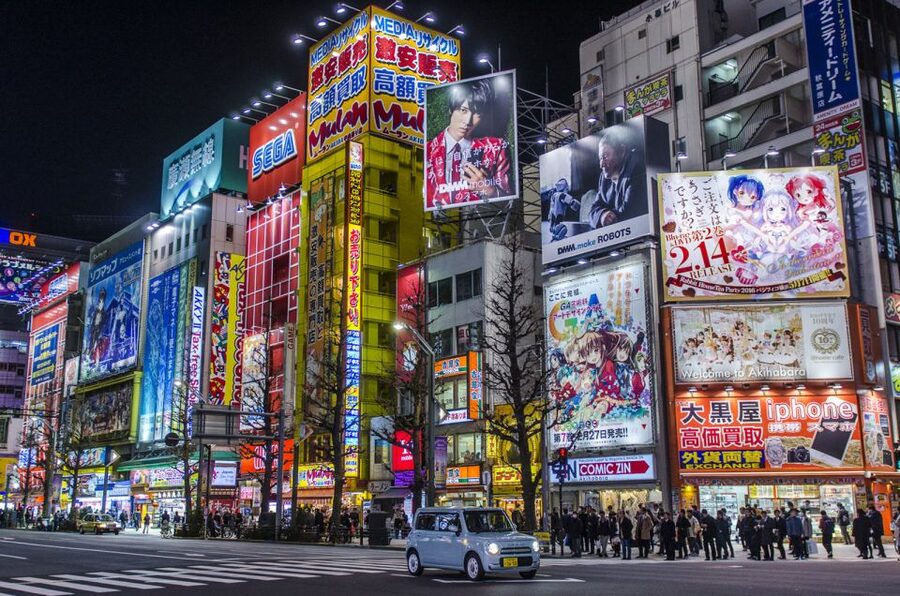
Before you arrive, decide what you want from the lesson. You might want basic camera confidence, stronger night shots, help with composition, or ideas for photographing people and fashion. A clear goal helps the guide use the limited time well.
Bring your own camera and be ready to show the guide how you normally use it. If your camera has a manual, bring it or keep a digital copy available. The supplied details do not promise that every camera model can be handled instantly, so knowing your basic menu layout will help.
Wear shoes suitable for walking between city streets and bring enough battery power for three hours of shooting. These are practical precautions rather than special requirements, and the tour information does not specify a dress code or equipment list beyond the camera note.
If you have a specific shot in mind, say so at the start. You can request time at Hachiko Crossing, ask for lesser-known corners, or focus on Harajuku fashion. The guide can then build the session around your priorities instead of guessing.
English is the stated tour language. The guides named in the feedback include Karl, Tim, and Ivan. Karl was praised for knowing the right locations and responding closely to the requested route, while Ivan was singled out for planning, technical judgment, and clear communication.
Who will get the most from this experience
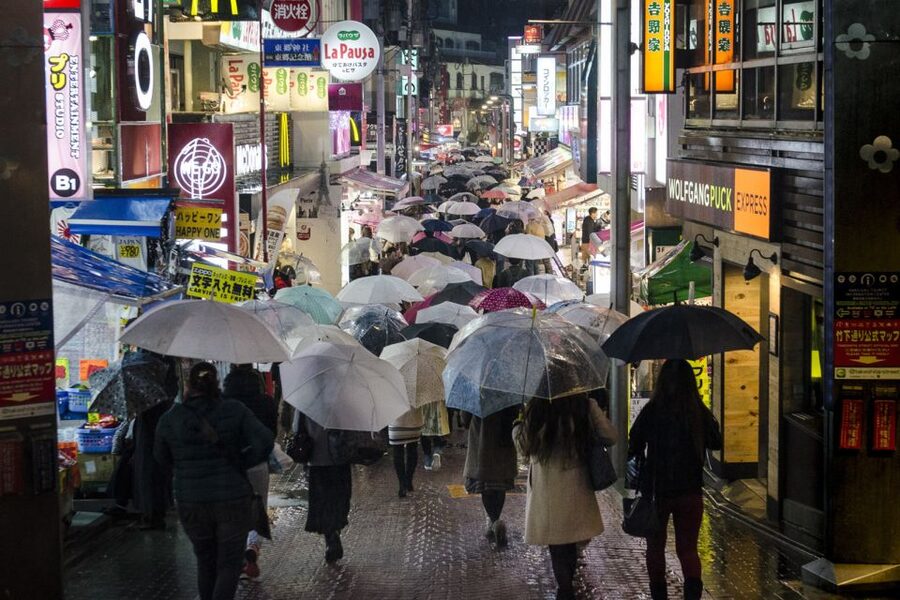
This lesson is best for you if you want to improve while photographing real Tokyo scenes. It suits complete beginners because the opening discussion can establish camera basics, and it suits experienced amateurs who want a second opinion on focal length, timing, or special techniques.
It is also a strong match for couples or friends who want a private activity with a shared interest. Since the price covers up to two people, the cost works better when both participants want photography instruction.
You may want to skip it if your main goal is a portrait session, a broad sightseeing tour, or a fast visit to many landmarks. The guide will not take pictures of you, and three hours is not enough to provide a full survey of Tokyo.
The five-star feedback includes praise for location planning, useful camera-setting advice, strong communication, and the ability to tailor the route. Those are exactly the qualities that matter here. The experience depends less on a fixed list of stops and more on how well the guide matches the lesson to your interests.
Should you book the Tokyo photography lesson?
Book it if you want to return from Tokyo with better photographs and a clearer sense of why your camera settings matter. The private format, English-speaking instruction, and route flexibility give you far more personal attention than a standard group walk.
Choose the night option for neon and low-light practice, the day option for a gentler introduction, or the six-hour format if you want to compare both. Bring your own camera, explain your goals at the opening coffee, and treat Hachiko Crossing as a starting point rather than the whole event.
Skip it if you want someone to pose you and take professional portraits. For photographers who want practical coaching from Shibuya’s major crossing to Harajuku street scenes, this is a focused and useful way to see Tokyo through a more careful lens.
FAQ
Where does the photography lesson meet?
The meeting point is the Hachiko Memorial Statue in Shibuya. From Shibuya Station, use the Hachiko exit.
How long is the photography lesson?
The standard lesson lasts three hours. A six-hour combined day-and-night option is also available.
Can I choose a daytime or nighttime tour?
Yes. You can choose a three-hour daytime tour, a three-hour nighttime tour, or a six-hour option combining both.
Is the tour private?
Yes. It is a private group experience, with the listed price covering up to two people.
Is a camera included?
No. You need to bring your own camera.
Can I rent a tripod?
A tripod is not included, but it is available to rent by request.
Is this a portrait photography session?
No. The lesson teaches you how to photograph Tokyo with your camera. The guide will not take portrait photos of you.
What language is the lesson conducted in?
The tour is conducted in English with a live guide.
Can I cancel for a full refund?
Yes. You can cancel up to 24 hours in advance for a full refund.
Do I need to pay when I book?
You can reserve now and pay later, so no payment is required at the time of booking.
More Photography Workshops and Lessons in Tokyo
- Paris Photography Masterclass – Private Photography Lesson
★ 5.0 · 112 reviews - 2-Hour Photography Class While Touring Downtown Santa Fe, Smart Phones Welcome!
★ 5.0 · 108 reviews - Unique Rome by Night, Photo Tour and Workshop Under the Stars
★ 5.0 · 96 reviews - Elevate Your Photography – Barcelona Private Tour & Workshop
★ 5.0 · 78 reviews
Just added around Tokyo
- Tokyo: Customized Private Historical Guided Photoshoot Tour★ 5.0 · 25 reviews
- Tokyo: Private Photo Shoot with a Professional Photographer★ 5.0 · 11 reviews
- Tokyo: Private Photoshoot at Shibuya Crossing★ 4.7 · 7 reviews
- Tokyo: Private Makeover Photography Studio in Luxury Kimono★ 5.0 · 22 reviews
- Tokyo Portrait Tour with a Professional Photographer★ 5.0 · 29 reviews
- Tokyo Photoshoot Tour with a Local Photographer★ 5.0 · 37 reviews
- Tokyo Private photo tour with Nightstreet Neon photographer★ 5.0 · 17 reviews
- Tokyo: Private Instagramable Customised Tokyo City Day Tour★ 4.2 · 4 reviews
Photography Workshops & Lessons, compared.
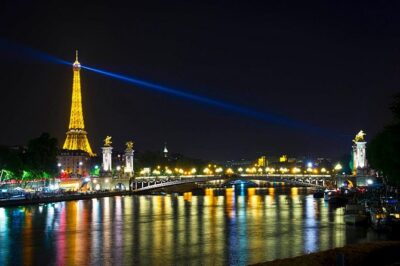
Paris Photography Masterclass – Private Photography Lesson
Read our review →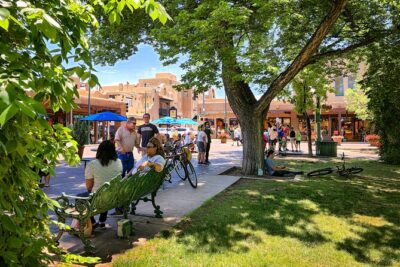
2-Hour Photography Class While Touring Downtown Santa Fe, Smart Phones Welcome!
Read our review →
Unique Rome by Night, Photo Tour and Workshop Under the Stars
Read our review →
Elevate Your Photography – Barcelona Private Tour & Workshop
Read our review →
Rome Photography Masterclass – Private Photography Lesson
Read our review →
Private (Phone) Photography Class in Park & Old Town
Read our review →
Venice Photography Masterclass – Private Photography Lesson
Read our review →
Custom Half-Day Photo Tour with Photography Lessons from Asheville
Read our review →Browse the lists this shoot appears in