
Review · TOKYO PHOTO TOURS & PHOTOSHOOTS
Tokyo Sumo Morning Practice Tour w/ Ring-Side Seat + Photo Shoot
Sumo gets real before the matches begin. This two-hour morning tour takes you into a working sumo stable in Tokyo, where you can watch wrestlers stretch, repeat drills, and face one another in serious practice. I like the close-up view of genuine training and the small group, limited to 10 people. I also like having a guide who can explain what you are seeing instead of leaving you to guess.
The main catch is that the experience depends on the stable’s rules and schedule. Photography with the wrestlers is not guaranteed, even though a photo session is part of the advertised experience. Seating is first come, first served, and a late arrival can mean missing the tour entirely.
Key points to know before booking
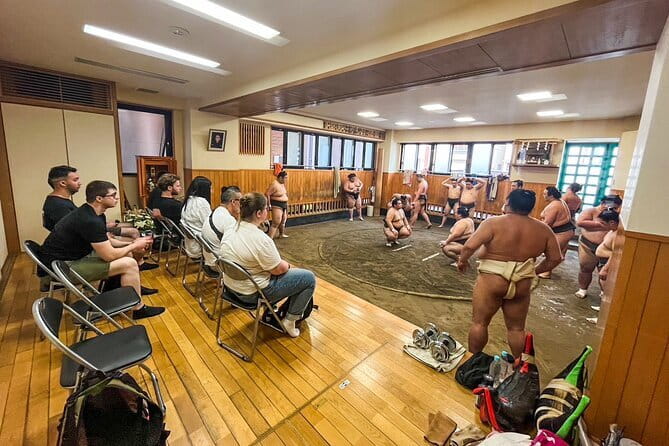
- Watch real morning practice in a sumo stable, not a staged demonstration or audience participation show.
- Meet at Kiyosumi Shirakawa Station at 8:30 a.m., then walk with a local guide to the stable.
- Expect an intimate group, with a stated maximum of 10 people, although groups may sometimes be divided among stables.
- Practice lasts about 90 minutes, but the session can finish earlier or later depending on the stable.
- End at Kiyosumi Gardens, a pleasant place to slow down after the intensity of the training.
- Plan carefully for the rules: arrive early, use the restroom beforehand, and be ready to sit only in permitted tatami areas.
Why this sumo morning is different
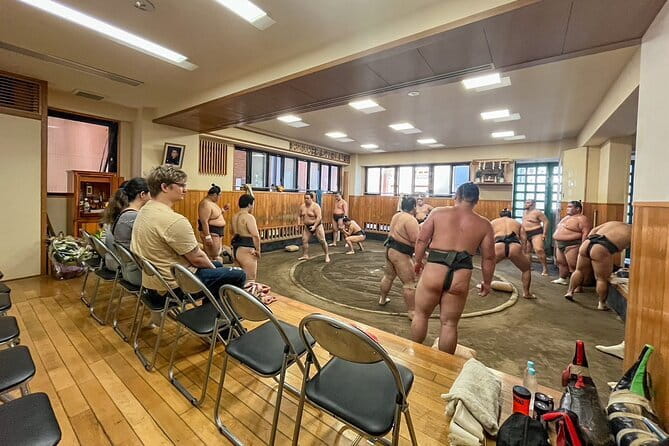
Many sumo-related activities are built for entertainment. This one is appealing because it takes you to a place where wrestlers actually train. You are not invited to climb into the ring, wrestle an athlete, or watch a comic version of the sport. You sit quietly and observe the work.
That difference matters. Sumo practice can look repetitive at first, but the repetition is the point. Stretching, footwork, strength exercises, and practice bouts reveal how much effort goes into a contest that may last only seconds. You can see the concentration of the wrestlers and the attention they give to their stable master, head trainer, and one another.
I especially like this for people who already follow sumo and cannot fit an official tournament into their Tokyo schedule. The practice session gives you a close view of the sport without requiring a ticket to a major event. It also gives first-time viewers a better sense of what sumo demands physically.
The experience has earned a 4.9 rating from 93 reviews, with 99 percent recommending it. That is unusually strong, but the high praise makes sense when you understand what the tour does well: it offers access, context, and a respectful setting rather than a polished stage show.
More Early-Start Trips around Tokyo:
- Tokyo Ryogoku Sumo Morning Practice + Photo Shoot with Wrestlers
★ 4.5 · 277 reviews - Exclusive Sumo Morning Practice in Tokyo with Photo Opportunity
★ 5.0 · 68 reviews - Barcelona: Paddleboarding at Sunrise. Includes: instructor, photos, equipment
★ 4.7 · 570 reviews
Meeting at Kiyosumi Shirakawa at 8:30 a.m.
The tour begins at Kiyosumi Shirakawa Station, with the meeting point listed at 3-chōme-11-1 Kiyosumi in Koto City. A local guide meets you there and leads the walk to the sumo stable.
The walk is short, according to the tour details, but you should still allow extra time for finding the correct station exit and meeting point. The tour starts promptly. If you arrive late, you will not be allowed to join, and no refund or rescheduling is provided for a missed start.
That strict timing is understandable. A sumo stable is a working place, not a public attraction with an open reception desk. The group needs to arrive together and follow the stable’s routine. Still, this is one part of the experience where you need to be disciplined. I would aim to reach the station area well before 8:30.
The guide is an important part of the morning. Marie is specifically praised for her passion for sumo and for helping explain what is happening. A guide can point out the difference between warm-up work, repeated exercises, and practice bouts. If you are new to sumo, ask questions after the practice about the basic rules and the sport’s traditions.
Inside the stable: quiet, close, and serious
The main visit lasts about 90 minutes. You sit in the permitted tatami areas and watch the wrestlers train at close range. The setting is deliberately simple. You are there to observe, not to move around freely or treat the stable like a museum.
The wrestlers may work through stretching and repetitive exercises before beginning practice bouts. The training can appear calm one moment and remarkably forceful the next. The physical contrast is part of what makes the session so absorbing. Some wrestlers are very large, while others have more ordinary builds, but the sport demands strength, balance, timing, and agility from all of them.
The atmosphere is not designed for applause or chatter. Wrestlers remain focused on their work, and the small audience is expected to respect that concentration. You may feel the weight of the setting more clearly because there is no theatrical commentary or artificial excitement.
I like that the tour gives you a chance to watch the relationship between wrestlers and their trainers. The respect shown toward the stable master and head trainer is one of the details that helps explain why sumo is more than a contest of size. Training is tied to discipline, rank, ritual, and long-established customs.
Seating is first come, first served. If you arrive after other participants, you may be placed farther from the front. Depending on the number of bookings, the group may also be divided and sent to different stables. That means the exact setting can vary, but the basic idea remains the same: watch a real practice session from inside a functioning sumo stable.
The rules are part of the experience
You will need to follow the stable’s instructions closely. Only designated tatami areas are accessible, while other parts of the building are off limits. Disruptive behavior or disrespect toward the stable’s rules can lead to refusal of entry or removal without a refund.
This is not a place for wandering around to find the best angle. You may also need to remain quiet and avoid interrupting the practice. That may sound restrictive, but it helps preserve the experience for both the wrestlers and the audience.
Restroom access may not be available during the training, so use the facilities before the tour begins. You should also dress for the season. Tokyo summers can reach 40°C, while winter temperatures can fall to around -5°C. The practice itself may take place indoors, but weather still matters for the walk to and from the stable.
Children under 12 are not permitted inside the sumo stable. The minimum age is 12, and this rule is firm. Most people can participate physically, but the tour does involve sitting in a traditional stable setting and observing quietly for an extended period.
A few more photo experiences around Tokyo worth a look
- Tokyo: Kimono Dressing, Walking, and Photography Session
★ 4.9 · 427 reviews - Best Go Kart Experience in Shibuya Crossing with Iconic Photos
★ 5.0 · 348 reviews - Tokyo Cyberpunk Street Photo Tour
★ 5.0 · 165 reviews - Tokyo by Night Photography Tour (Private Option Available)
★ 5.0 · 151 reviews
Photography and the promised sumo photo
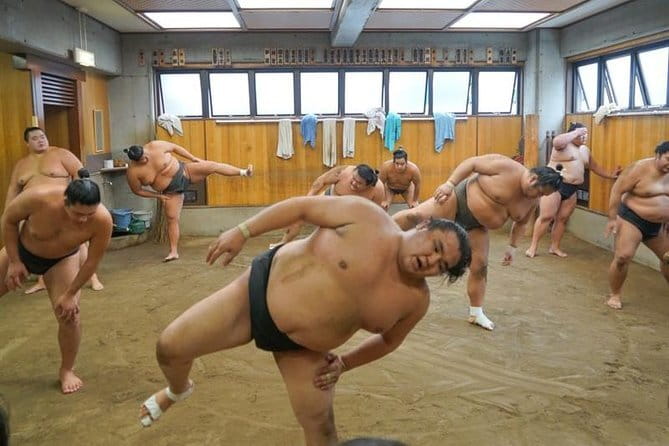
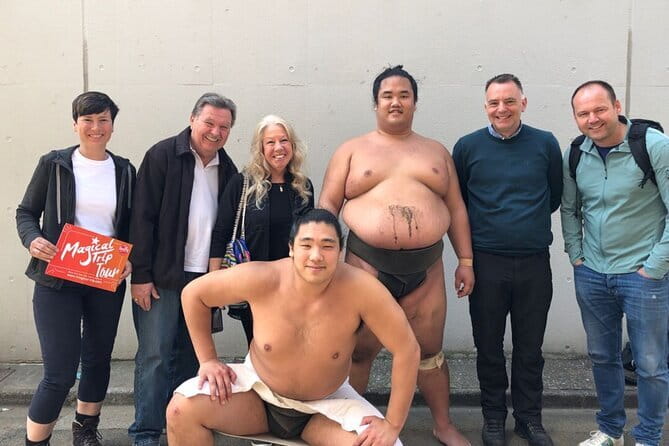
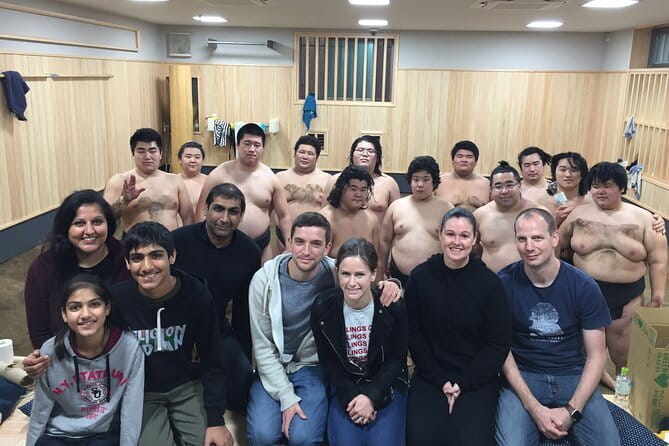
A photo opportunity is included as one of the tour’s attractions. Several parts of the experience are praised for helping participants preserve the memory, especially the chance to have a photo taken with sumo wrestlers.
There is an important qualification. Photography during practice depends on the individual stable’s policy. On some days, photos of the wrestlers or photos with them may not be allowed. The stable’s rules take priority, so you should treat the photo shoot as a possibility rather than an absolute promise.
That uncertainty is worth knowing before you pay. If your main reason for booking is a picture beside a wrestler, this tour carries some risk. If your main goal is to see authentic training, the photo policy is less important, and the practice itself remains the heart of the morning.
You may also be allowed to leave before practice ends, but you cannot re-enter once you leave. Since the length of practice can change, it is best to stay flexible rather than schedule a tight appointment immediately afterward.
Finishing at Kiyosumi Gardens
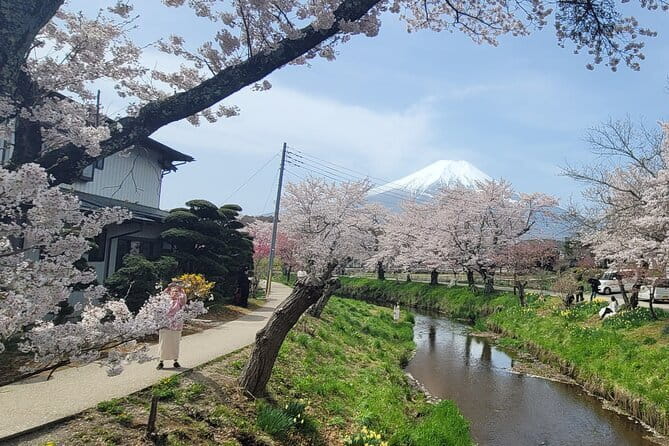
After the stable visit, the group ends at Kiyosumi Gardens. The final 30 minutes give you time to cool down and leave the intensity of the training behind.
This is a smart finish. Watching sumo at close range can be surprisingly demanding, even when you are seated. The garden provides a quieter setting where you can reflect on the morning and continue at your own pace after the official tour ends.
The tour description does not promise a full guided visit through the gardens, so you should think of this stop as a calm ending rather than another major activity. If you want to spend more time there, you can make your own plans after the tour, subject to the activity’s actual end time.
Is $99.10 a fair price?
At $99.10 per person, this is not the cheapest way to learn about sumo. You are paying for more than admission, though. The price covers a guide, access to a sumo stable, help with the local meeting process, and the chance to watch professional-level training from inside the facility.
There is no separate entrance fee for the practice itself. The value comes from arranging access to a place that is normally difficult for an independent visitor to enter. You also avoid the much larger commitment of building your day around an official tournament.
For a committed sumo fan, the price is reasonable because the setting is the product. For a casual visitor who only wants a quick introduction to Japanese sports, it may feel expensive, especially if the photo opportunity is unavailable or the seating position is not close to the front.
The small-group limit helps justify the cost. A maximum of 10 people should make it easier to hear the guide and see what is happening, although the group may be divided and assigned to different stables. The actual experience can also vary based on the day’s practice schedule.
Who will enjoy this most?
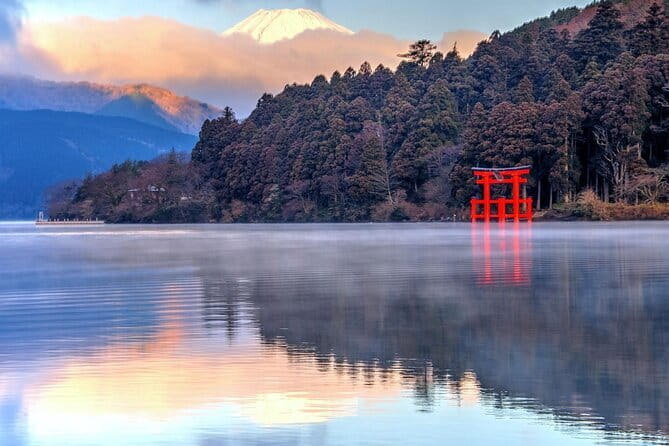
I would recommend this tour to:
- Sumo fans who are in Tokyo outside tournament dates.
- First-time visitors who want to see the sport in a serious setting.
- People who value access to working cultural spaces over a polished show.
- Families with children aged 12 and older.
- Visitors who enjoy close observation and can sit quietly for about 90 minutes.
It may not suit you if you need a guaranteed photo, dislike strict rules, or want a highly interactive activity. You do not get to enter the ring, train with the wrestlers, or move freely around the stable.
The tour also asks for punctuality and patience. You need to arrive on time, accept the seating available, and understand that the stable’s condition and tournament commitments may change the schedule at short notice.
Practical booking advice
The activity offers free cancellation if you cancel at least 24 hours before the local start time. Changes or cancellations made less than 24 hours before the start are not refunded or accepted.
The stable can also cancel or adjust the practice schedule because of the wrestlers’ condition or tournament duties. If the stable cancels, a full refund is issued. The practice can end earlier or later than the estimated two-hour duration, so leave space in your schedule afterward.
Bring a mobile ticket and check the meeting instructions before leaving your hotel. Wear clothing suitable for the weather, arrive early, and use the restroom before meeting the guide. Most importantly, do not treat the stable like a photo studio. The wrestlers’ training comes first.
Should you book the Tokyo sumo practice tour?
Book it if you want real sumo rather than a staged activity. The strongest part of this experience is the chance to watch disciplined training in an actual stable, with a guide such as Marie helping you understand the work in front of you.
I would book it for serious sports fans, culture-focused visitors, and anyone missing an official tournament during a Tokyo visit. I would hesitate only if the photo with a wrestler is your main reason for going, since stable rules can prevent photography.
Arrive early, follow instructions, and keep your schedule open afterward. If you do that, the $99.10 price buys access to a side of sumo that most visitors cannot arrange on their own.
FAQ
Where does the tour begin?
The tour begins at Kiyosumi Shirakawa Station. The listed meeting point is 3-chōme-11-1 Kiyosumi, Koto City, Tokyo 135-0024, Japan.
What time does the tour start?
The tour starts at 8:30 a.m. It begins promptly, so late arrivals cannot join.
How long does the tour last?
The estimated duration is about two hours. The practice session lasts around 90 minutes, followed by about 30 minutes at Kiyosumi Gardens. The exact end time can change.
How many people can join?
The stated maximum is 10 participants. Depending on the number of bookings, the group may be divided and assigned to different sumo stables.
Is the sumo practice a real training session?
Yes. The experience takes place at a sumo stable and features actual morning practice, including exercises and practice bouts.
Is there an entrance fee for the sumo practice?
There is no separate entrance fee for attending the morning practice. The tour price is $99.10 per person.
Can children join?
Only people aged 12 and older can enter the sumo stable. Children under 12 are not permitted.
Is photography allowed inside the stable?
Photography depends on the rules of the individual stable. Photos of the wrestlers or photos with them may not be allowed on some days.
Can I leave the stable during practice?
You may leave before practice ends if necessary, but you cannot re-enter after leaving.
What happens if the stable cancels the practice?
If the stable cancels because of the wrestlers’ condition or tournament commitments, a full refund is issued.
Just added around Tokyo
- Asakusa Kimono/Yukata Rental & Photography_Tsutsuji★ 5.0 · 12 reviews
- Asakusa Kimono Photography Tour★ 5.0 · 8 reviews
- Travel Tokyo with Your Own Personal Photographer★ 5.0 · 43 reviews
- Personal Travel and Vacation Photographer Tour in Tokyo★ 5.0 · 19 reviews
- Tokyo: Photo Shoot with a Private Vacation Photographer★ 5.0 · 53 reviews
- Tokyo: Private photo shoot★ 5.0 · 31 reviews
- Tokyo: Evening Photography Tour★ 4.8 · 61 reviews
- Tokyo:Genuine Tea Ceremony, Kimono Dressing, and Photography★ 5.0 · 33 reviews
Tokyo Photo Tours & Photoshoots, compared.
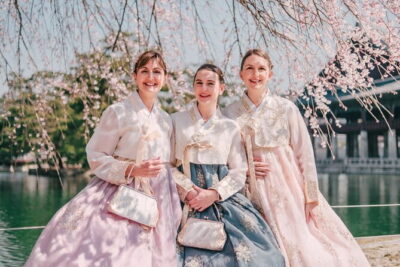
Kimono Dressing, Walking, and Photography Session
Read our review →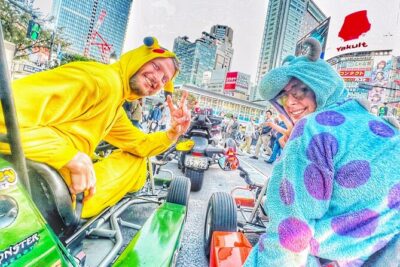
Best Go Kart Experience in Shibuya Crossing with Iconic Photos
Read our review →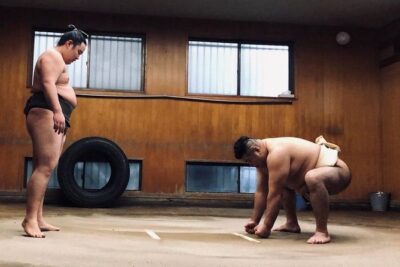
Tokyo Ryogoku Sumo Morning Practice + Photo Shoot with Wrestlers
Read our review →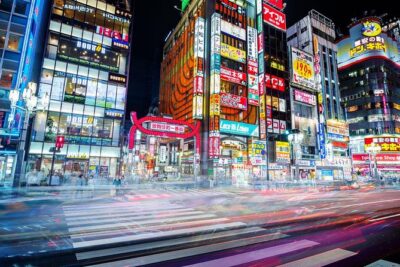
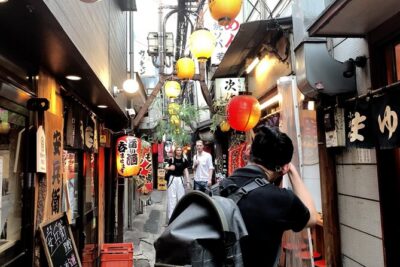
Tokyo by Night Photography Tour (Private Option Available)
Read our review →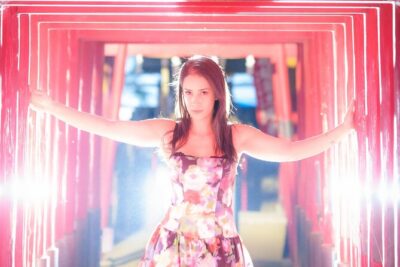
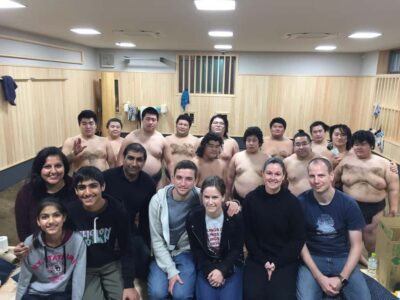
Sumo Practice Tour with Ring-Side Seat and Photoshoot
Read our review →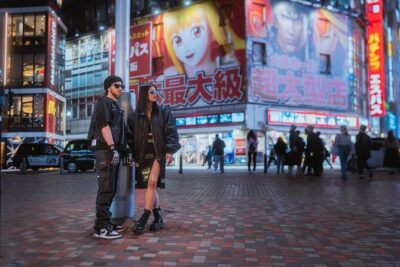
Tour with Pro Tokyo Photographer and take Edgy Unique Portraits
Read our review →Browse the lists this shoot appears in