
Review · TOKYO PHOTO TOURS & PHOTOSHOOTS
Tokyo: Sumo Practice Tour with Ring-Side Seat and Photoshoot
Sumo gets serious before the match begins. This two-hour morning visit takes you inside a working sumo stable, where you can watch wrestlers train at close range rather than view polished bouts from the stands. I like the rare access to a real practice and the chance to hear every breath, slap, and hard landing. I also like the guides, especially Marie, Sho, and Masao Hiramatsu, who explain the rules and customs before the quiet audience enters the stable.
The main drawback is comfort. You may sit on tatami flooring for much of the session, and some groups have reported standing when seats filled. One stable had several rows of chairs, but seating is not guaranteed. At $96 per person, this is not a cheap two-hour activity, yet the access, small group size, guide, and end-of-session photos make it a fair buy for anyone truly curious about sumo.
Key points to know before booking
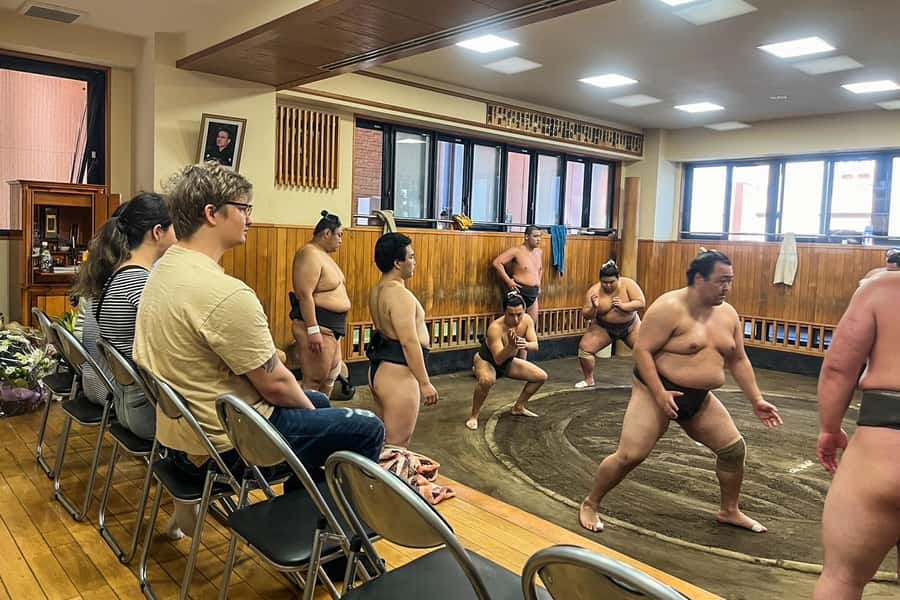
- You watch a genuine morning practice: This is training, not a staged performance, so the pace may begin quietly and build toward intense bouts.
- The view is unusually close: You may see wrestlers’ footwork, breathing, repeated drills, and physical contact from only a short distance away.
- The guide makes the session easier to follow: You receive explanations of sumo rules, rankings, customs, stable etiquette, and the lifestyle of the wrestlers.
- The group is limited to 10 people: That keeps the visit more personal and gives you room to ask questions.
- A photo with a wrestler may be possible: Photos are taken at the wrestler’s discretion after practice, so treat this as a welcome possibility, not a promise.
- Comfort varies by stable: Chairs may be available, but you should be prepared for tatami seating and a strict no-stroller, no-wheelchair setting.
Why a practice session can be better than a tournament
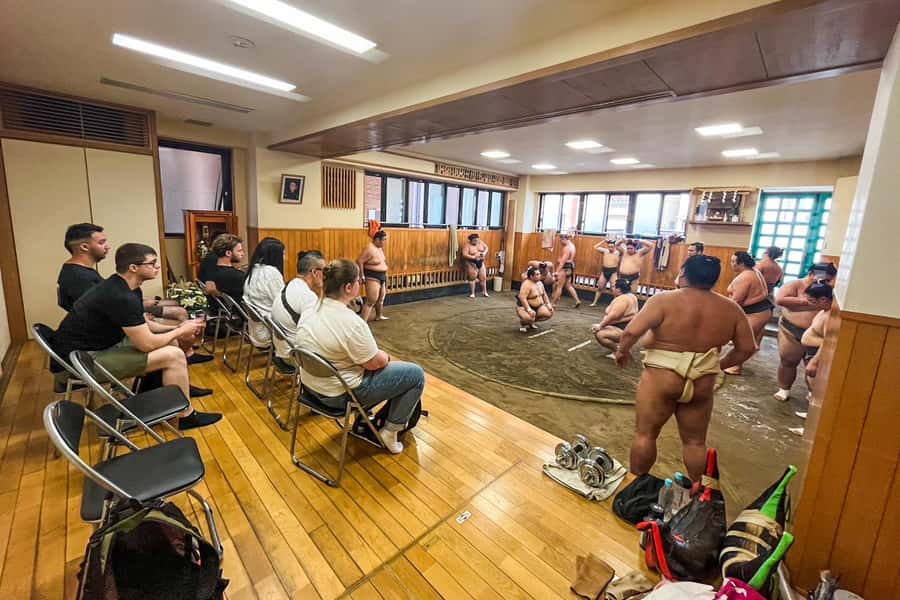
A Tokyo sumo tournament gives you official bouts, ceremony, rankings, and the charged mood of a full arena. This visit gives you something different: the work behind those public matches.
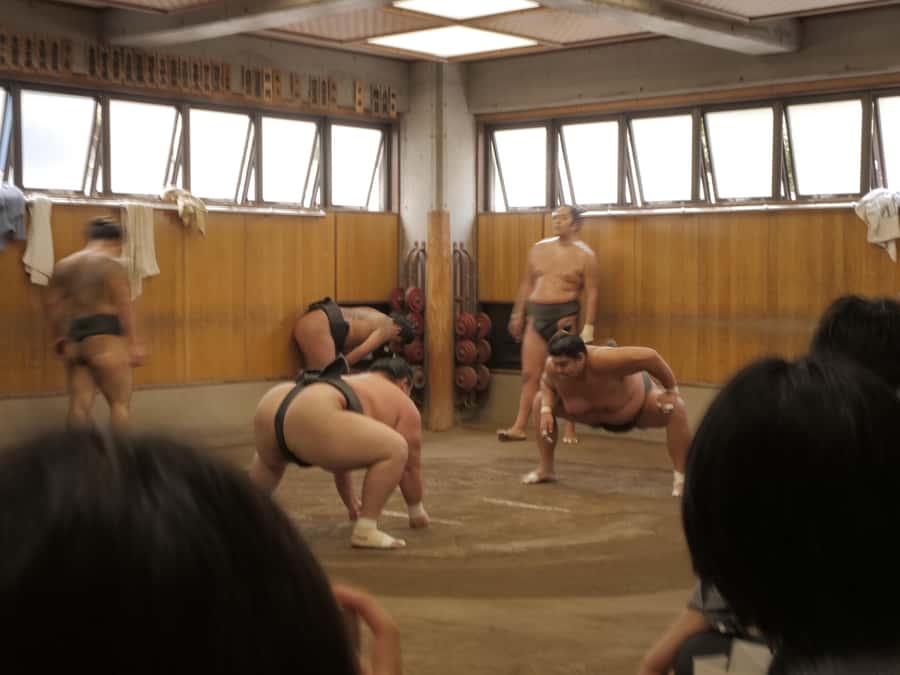
You see wrestlers repeat movements, push against one another, and receive instruction from the stable master. The practice can look repetitive at first, but that repetition is the point. You begin to see how balance, timing, strength, and discipline are built through hundreds of small actions.
The training often grows more intense as the session continues. One part of the room may feel quiet and formal, then suddenly two wrestlers collide with startling force. You can hear their breathing and feel the seriousness of the room. This physical side of sumo is easy to miss when you only watch short television clips.
I especially like this format for first-time visitors. You are not expected to know the difference between a practice drill and a full bout. The English-speaking guide gives you a basic framework first, then points out what matters as the wrestlers work.
A few more photo experiences around Tokyo worth a look
- Tokyo: Kimono Dressing, Walking, and Photography Session
★ 4.9 · 427 reviews - Best Go Kart Experience in Shibuya Crossing with Iconic Photos
★ 5.0 · 348 reviews - Tokyo Ryogoku Sumo Morning Practice + Photo Shoot with Wrestlers
★ 4.5 · 277 reviews
Meeting at Kiyosumi-Shirakawa Station
Your meeting point is the A1 exit of Kiyosumi-Shirakawa Station. Look for the guide holding a red or orange Magical Trip sign. The stable is described as only about a two-minute walk from the meeting point, which keeps the morning simple and avoids a long transfer across Tokyo.
Arrive early. The tour starts promptly, and late arrivals cannot join or receive a refund. That rule matters here because a sumo stable is a working place, not a public attraction with a flexible admission window. The group enters together and must follow the stable’s schedule and instructions.
The tour itinerary lists a visit around 3-chome-6-2 Kiyosumi, followed by a stop around 3-chome-3-9 Kiyosumi, before returning to Kiyosumi-Shirakawa Station. The addresses are useful for understanding the compact route, but you should rely on the guide for the exact entrance and movement between spaces.
Before you enter the stable
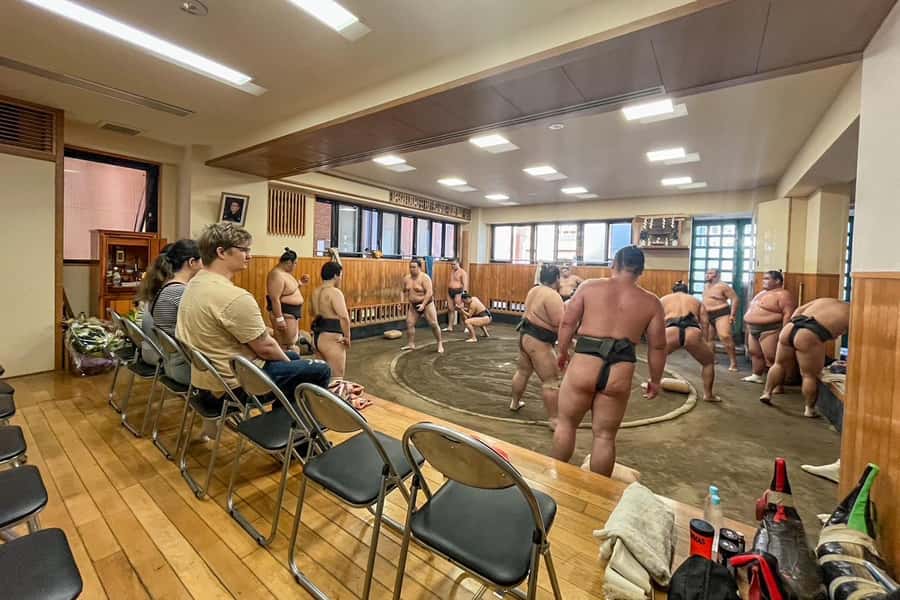
Your guide first explains the rules of the stable and gives background on sumo. This short introduction is important because the room may not look like a conventional tourist attraction. You are entering a place where wrestlers live and train under a strict routine.
The included Magical Trip sumo guidebook adds a handy reference. It covers basic rules, traditions, and history in a concise format, and some visitors also received pamphlets with wrestler names, photos, and information about the stable. That makes it easier to follow the session without trying to remember every term at once.
Guides have received particularly strong praise for making the subject clear. Marie has been described as passionate and engaging, while Sho explained the rules and ranking system before the group entered. Masao Hiramatsu was also praised for answering questions and helping with broader questions about Japan after the visit.
You should expect a respectful atmosphere. Avoid loud conversation, wandering into restricted areas, or treating the stable like a photo studio. Only the designated tatami areas are open to visitors. Other parts of the building are off-limits.
Watching the wrestlers train from close range
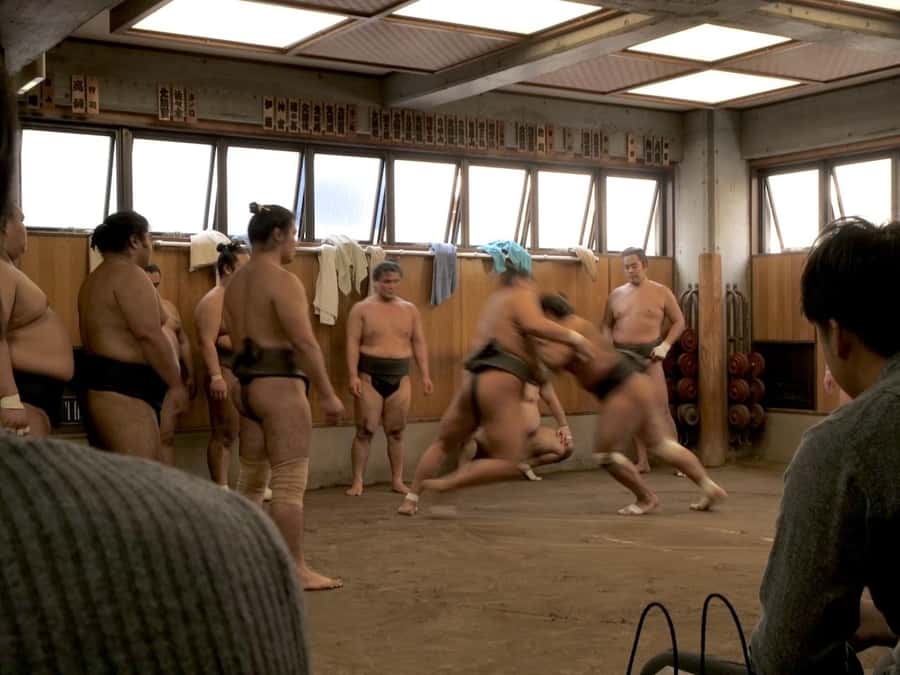
The central part of the visit is the morning practice. You sit or stand near the training area and watch wrestlers work through drills and bouts. The experience is less about a single dramatic match and more about seeing how the athletes prepare over time.
That difference makes the visit useful. At a tournament, you see the finished product. Here, you see wrestlers developing their skills, listening to instruction, and repeating techniques. You may notice the discipline of the group and the serious relationship between the wrestlers and the stable master.
Some sessions include many bouts in succession. The action may be highly physical, but it is also structured. The practice has its own rhythm, and the guide can help explain what you are seeing as the intensity changes.
A visitor who attended a tournament found the practice to be a different kind of experience, with a closer view and a better sense of preparation. That comparison is fair. If your main goal is the pageantry of a formal competition, buy tournament tickets. If you want to understand the daily effort behind sumo, this visit offers more direct access.
Same place, a different kind of shoot:
- Tokyo Cyberpunk Street Photo Tour
★ 5.0 · 165 reviews - Tokyo by Night Photography Tour (Private Option Available)
★ 5.0 · 151 reviews - Tokyo Shinjuku Night Photo Tour with Pro Gota
★ 5.0 · 142 reviews - Tokyo Sumo Morning Practice Tour w/ Ring-Side Seat + Photo Shoot
★ 5.0 · 93 reviews
Seating, tatami, and the real comfort question
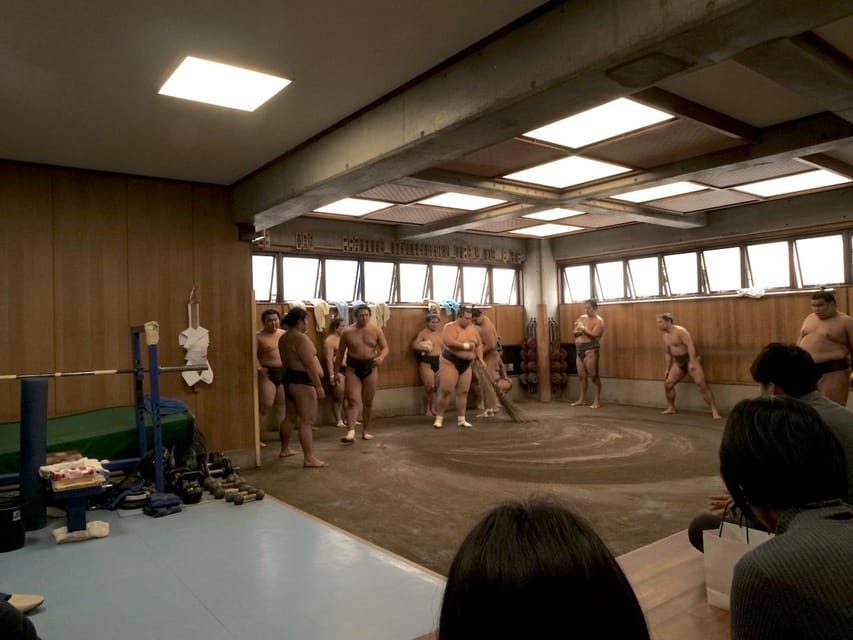
The seating situation deserves honest attention. The official information says most stables do not provide chairs, and visitors are expected to sit on tatami, the traditional straw mat flooring. Some areas are not suitable for wheelchairs or strollers.
Actual seating can vary. One group found three rows of chairs, while another described four rows and said people in the back chose to stand. Another visitor specifically appreciated having chairs, especially for anyone unable to sit on the floor. These differences likely reflect the stable and the setup on the day.
You should wear clothes that allow you to sit comfortably and be ready to remain in one position for a while. If sitting cross-legged is difficult, ask your guide about available chairs when you arrive, but do not assume one will be reserved for you.
This tour is not suitable for wheelchair users, and children under 12 cannot enter the stable. Baby strollers are not allowed. The small group limit of 10 helps with space, but it does not change the physical limits of the building.
The photoshoot after practice
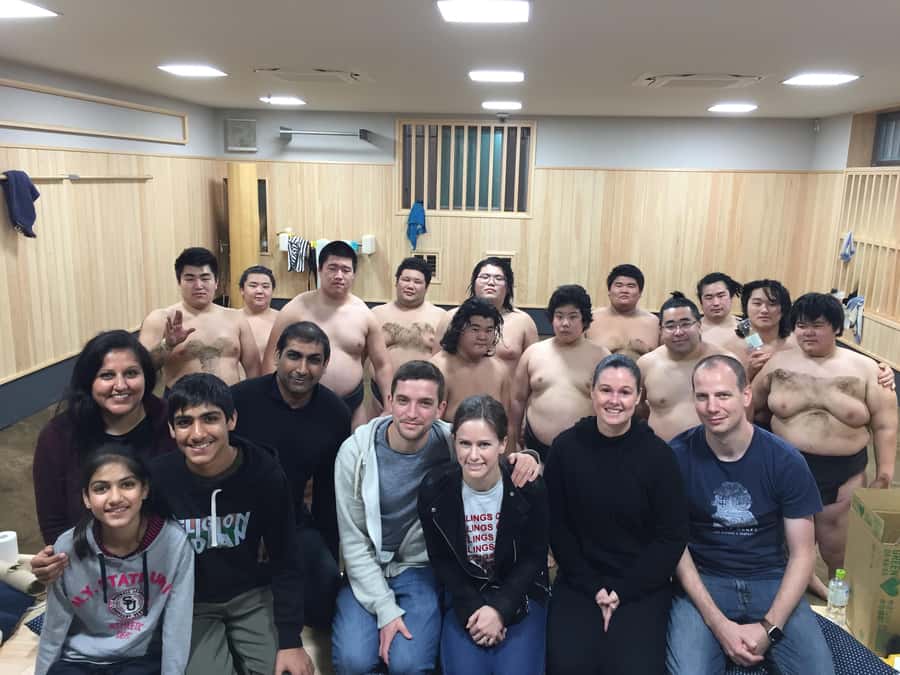
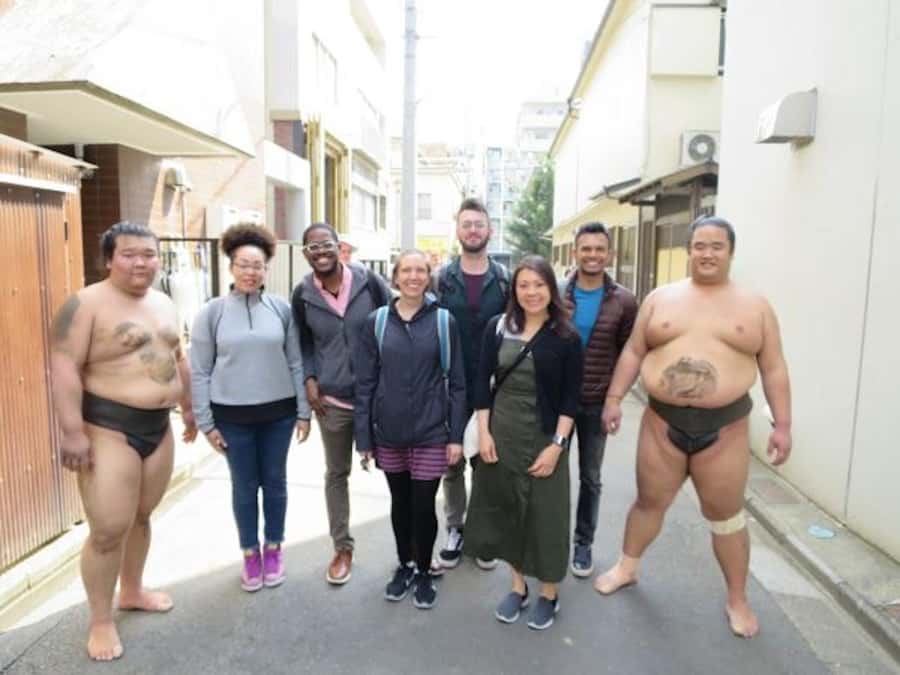
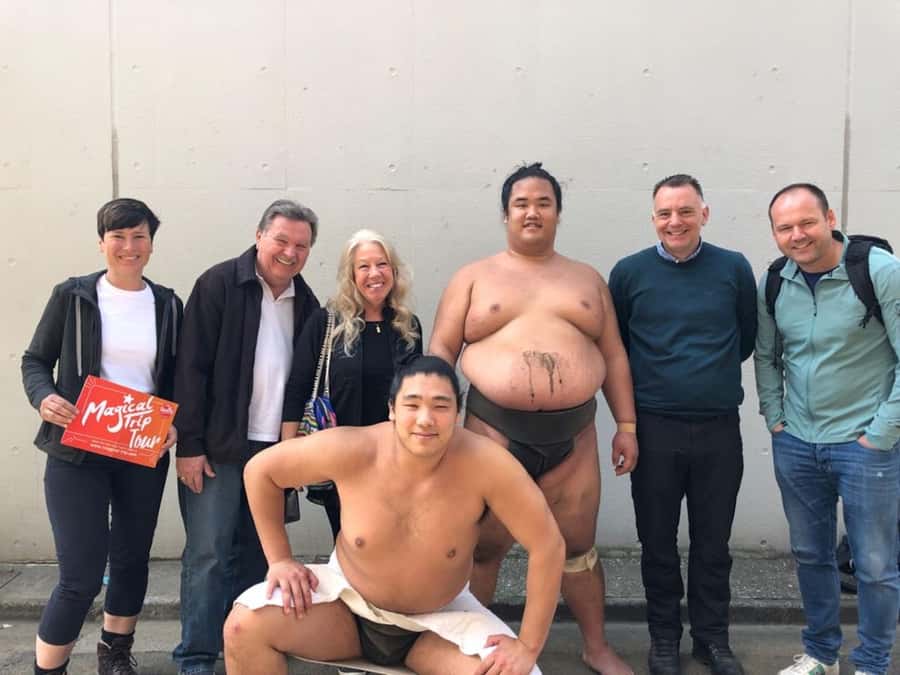
At the end, you may have the chance to take a photo with a sumo wrestler. The activity includes a photoshoot, but the photo depends on the wrestler’s discretion and the stable’s circumstances.
This is best viewed as a gracious extra, not the reason to book. The real value comes from observing practice. Still, a group photo or brief meeting can give the visit a satisfying finish, especially if this is your first direct encounter with sumo.
Some groups were able to ask questions afterward and meet wrestlers in person. Keep your expectations polite and flexible. The wrestlers have just completed a demanding training session, and the stable’s rules come first.
What the $96 price gets you
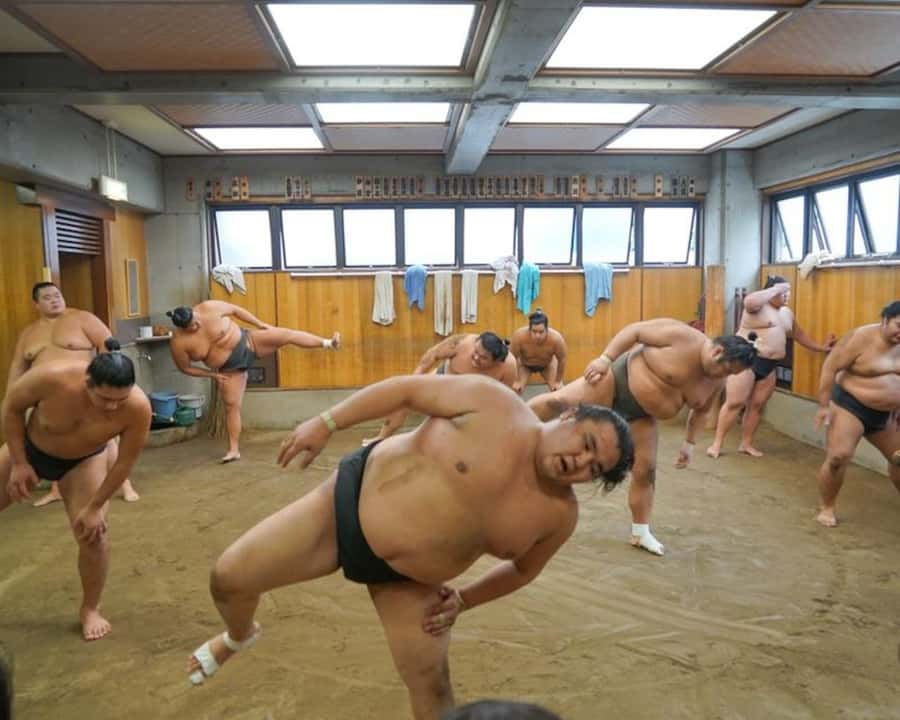
At $96, this is priced above many ordinary Tokyo walking tours. You are paying for access to a place that is normally unavailable to casual visitors, along with an English-speaking guide, entry, a sumo guidebook, and the possibility of photos.
The small group limit matters. With no more than 10 participants, the guide has a better chance of explaining the action and answering questions. You are also not being left to guess what the gestures, drills, or stable customs mean.
I see the strongest value for visitors who would otherwise struggle to find an authentic way into sumo culture. The tour may also be worthwhile if you have already attended a tournament and want to understand the training that happens away from the public arena.
The value is weaker if you only want a quick photo or a guaranteed interaction with a wrestler. The practice schedule can change at short notice because of wrestler condition or tournament commitments. If the stable cancels, you receive a full refund, but you should still keep some flexibility in your Tokyo plans.
Free cancellation is available up to 24 hours before the start time, and you can reserve now and pay later. Those policies help, but punctuality remains strict on the day.
Who will enjoy this most
I would recommend the tour to:
- First-time Tokyo visitors who want a cultural experience beyond major sights
- Sumo fans who want to see training rather than only formal matches
- Adults and older children aged 12 and above
- Visitors who appreciate explanation, etiquette, and behind-the-scenes access
- People comfortable with a quiet, respectful setting and possible floor seating
You may want to skip it if you need guaranteed wheelchair access, cannot sit or stand for an extended period, or expect a fast-moving attraction. The practice can be repetitive, and the stable may have rules that limit movement and photography.
It is also not a good fit for anyone who dislikes early appointments, though the exact start time depends on availability. Check the schedule before booking and plan to arrive well before the meeting time.
Final verdict: book it for access, not spectacle
You should book this tour if you want to understand how sumo wrestlers train and live within a disciplined stable environment. The close view, small group, strong guides, and useful explanations make it far more meaningful than simply spotting sumo on television.
The main cautions are simple: be on time, prepare for tatami or standing, follow every stable rule, and do not count on a photo with a wrestler. If those conditions suit you, the $96 cost is reasonable for two hours of access to a part of Tokyo most visitors cannot enter.
For a first visit, I would choose this before paying for a tournament only if your priority is learning how sumo works behind the bouts. For the grand ceremonies and official competition, choose the arena. For the sweat, repetition, discipline, and close-up training, choose the stable.
FAQ
Where does the tour meet?
Meet your guide at the A1 exit of Kiyosumi-Shirakawa Station. The guide will hold a red or orange sign marked Magical Trip.
How long does the tour last?
The experience lasts two hours.
What language is the tour conducted in?
The tour includes an English-speaking guide.
How many people can join the group?
The group is limited to 10 participants.
Are children allowed to join?
The tour is for ages 12 and over. Children under 12 cannot enter the sumo stable.
Can wheelchair users join?
No. The tour is not suitable for wheelchair users, and some areas inside the stable are not wheelchair accessible.
Will I sit on chairs?
You may find chairs, but they are not guaranteed. Most stables expect visitors to sit on tatami, and some people may need to stand if seating is limited.
Is a photo with a sumo wrestler guaranteed?
No. A photo may be available after practice, but it depends on the wrestler’s discretion and the stable’s circumstances.
What happens if the stable cancels practice?
The stable may cancel or change its practice schedule at short notice because of wrestler condition or tournament commitments. If the stable cancels, you receive a full refund.
Just added around Tokyo
- Asakusa Kimono/Yukata Rental & Photography_Tsutsuji★ 5.0 · 12 reviews
- Asakusa Kimono Photography Tour★ 5.0 · 8 reviews
- Travel Tokyo with Your Own Personal Photographer★ 5.0 · 43 reviews
- Personal Travel and Vacation Photographer Tour in Tokyo★ 5.0 · 19 reviews
- Tokyo: Photo Shoot with a Private Vacation Photographer★ 5.0 · 53 reviews
- Tokyo: Private photo shoot★ 5.0 · 31 reviews
- Tokyo: Evening Photography Tour★ 4.8 · 61 reviews
- Tokyo:Genuine Tea Ceremony, Kimono Dressing, and Photography★ 5.0 · 33 reviews
Tokyo Photo Tours & Photoshoots, compared.
Kimono Dressing, Walking, and Photography Session
Read our review →
Best Go Kart Experience in Shibuya Crossing with Iconic Photos
Read our review →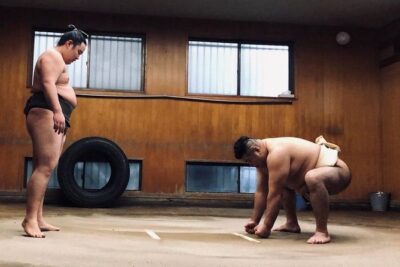
Tokyo Ryogoku Sumo Morning Practice + Photo Shoot with Wrestlers
Read our review →
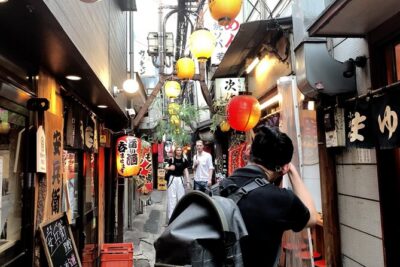
Tokyo by Night Photography Tour (Private Option Available)
Read our review →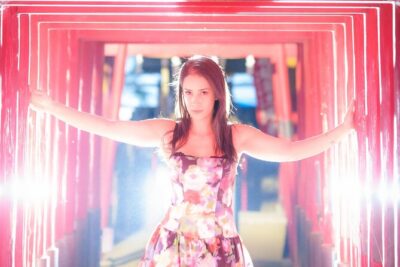
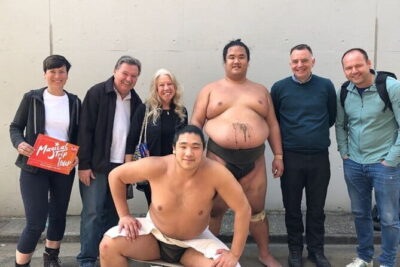
Tokyo Sumo Morning Practice Tour w/ Ring-Side Seat + Photo Shoot
Read our review →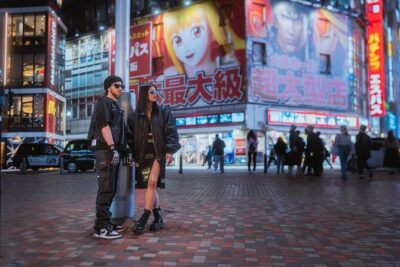
Tour with Pro Tokyo Photographer and take Edgy Unique Portraits
Read our review →Browse the lists this shoot appears in