
Review · KYOTO PHOTO TOURS & PHOTOSHOOTS
Kyoto One-day Taxi Tour by Licenced Guide Photographer 8 pax
Kyoto packs centuries into one day. This private taxi tour makes that load manageable, combining Kinkakuji, Arashiyama, Gion, Fushimi Inari, and Kiyomizu-dera with an English-speaking guide and professional photography. I especially like the private vehicle for up to eight people and the chance to adjust the day around your group. The main tradeoff is simple: the price is high, and lunch or dinner costs extra.
I also like that Ai is not just a driver with a script. She has been a government-certified English tour guide interpreter since 2015, holds an MBA in tourism and hospitality management from Kyoto University, and completed an MA in Japanese Pedagogy at Columbia University in 2025. Her photography background adds something useful for a sightseeing day, especially if your group wants polished family or group pictures.
The schedule is ambitious. You will cover five major Kyoto sights in about eight hours, with some stops limited to roughly one hour. That works well for a first look, but it will not give you time to explore every temple garden, climb all of Fushimi Inari, or linger in every historic lane.
Key points to know before booking
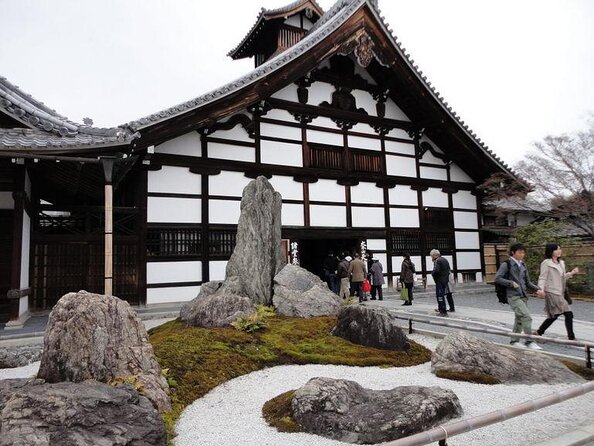
- Five major Kyoto sights in one day: Kinkakuji, Arashiyama, Gion, Fushimi Inari, and Kiyomizu-dera create a broad first visit.
- A private taxi for up to eight people: Your group travels together in an air-conditioned vehicle, with parking and pickup included.
- Ai combines guiding and photography: She offers unlimited photography during the tour and explains Japanese culture as you go.
- The route can be adjusted: The day is described as flexible, so you can discuss priorities before or during the tour.
- The quoted price covers major transport costs: The listed group price is $1,553.42, with a private taxi priced at 91,000 JPY and temple admissions listed at 8,000 JPY per group.
- Meals are separate: Lunch, and dinner if arranged, are not included in the tour price.
Why this private Kyoto day makes sense
Kyoto’s famous sights are spread across the city. Kinkakuji is in the northwest, Arashiyama is farther west, Fushimi Inari is in the south, and Kiyomizu-dera sits in the eastern hills. Trying to connect all five by public transportation in one day would mean repeated train, bus, and walking transfers.
A private taxi removes much of that friction. You do not need to work out which station exit to use, find a bus with room for eight people, or split your party across vehicles. For a family, multigenerational group, or cruise-port excursion, that convenience can be worth a great deal.
The tour is priced at $1,553.42 per group of up to eight people, not per person. Divided among eight, that is about $194 per person before meals. A smaller group pays more per head, so the value improves sharply when you fill most of the available seats.
The price includes the private taxi, pickup and drop-off, parking, and the listed entrance fees for Kinkakuji and Kiyomizu-dera. Meals are the main extra expense. Ai can arrange tempura or Kobe beef in Gion, but you pay for that meal separately.
I would also pay attention to the currency details. The package information lists a 91,000 JPY private taxi cost and 8,000 JPY in temple admissions, while the advertised group price is shown in US dollars. Ask for the exact current total in your booking currency if exchange rates matter to your budget.
More Guided Tours around Kyoto:
- Kyoto:Private Tour/Luxury Vehicle with Guide & photographer
★ 4.8 · 35 reviews - A Privately Guided Photoshoot in Beautiful Kyoto by a Pro
★ 5.0 · 18 reviews - Kyoto 6hr Instagram Highlights Private Tour with Licensed Guide
★ 5.0 · 18 reviews
Kinkakuji, Kyoto’s famous Golden Pavilion
The day begins at Kinkakuji, usually called the Golden Pavilion. Its gold-covered upper levels reflect in the pond, creating one of Kyoto’s most recognizable views. This is not simply a photo stop. The site began as a retreat for the shogun in the fourteenth century and later became a Zen temple.
You have about one hour here. That is enough to follow the main route, view the pavilion, and hear Ai explain its place in Kyoto’s political and religious story. The grounds are carefully arranged, with water, trees, and changing views of the pavilion as you walk.
Admission is listed separately in the stop description but included in the overall tour package. That distinction matters. You should not need to buy the standard Kinkakuji ticket on the day, but confirm the current inclusions if the booking page has changed.
The limitation is crowding. Kinkakuji is one of Kyoto’s most visited sights, and the main viewing area can feel busy. With only an hour, you will probably see the essential route rather than take your time in every corner. The private taxi helps with access, but it cannot make the pavilion a quiet, private experience.
Arashiyama bamboo and Togetsu Bridge
Arashiyama brings a different side of Kyoto. The bamboo forest offers tall green stalks and narrow paths, while nearby Togetsu Bridge gives you a broad river view framed by the surrounding hills. The area changes with the seasons: cherry blossoms in spring, fresh green in summer, autumn color later in the year, and occasional snow in winter.
The planned stop is about one hour, with no separate admission fee listed. That gives you time for a walk through part of the bamboo area and a visit to the bridge, but not a full exploration of every nearby attraction.
This is one place where your group should set expectations. The bamboo forest is compact in the main sightseeing area, and an hour moves quickly once you account for getting out of the taxi, walking, taking photographs, and returning to the vehicle. If Arashiyama is your top priority, ask Ai how much of the stop can be expanded and which other stop might be shortened.
I like the inclusion of Arashiyama because it breaks up the temple-heavy route. Kinkakuji offers formal architecture and a pond garden, while Arashiyama gives you seasonal scenery and a change of pace. The two stops work well together, even though neither can be explored at great length on this schedule.
Gion lunch and a taste of old Kyoto
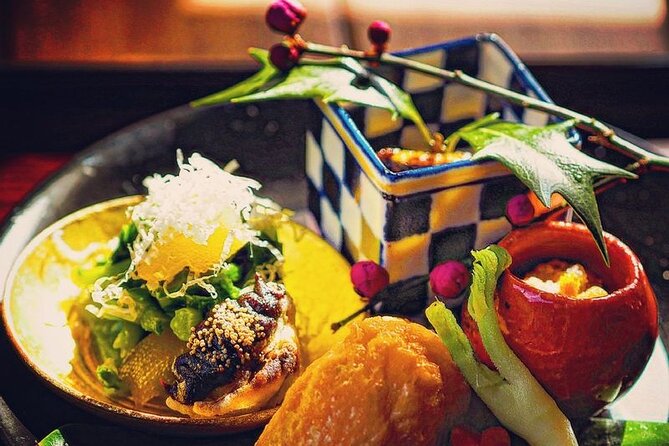
Gion is scheduled for two hours, including lunch. This is the longest single stop, and it gives the day a useful pause after the morning sights. Ai can arrange a tempura or Kobe beef restaurant in the district, though the meal itself is not included.
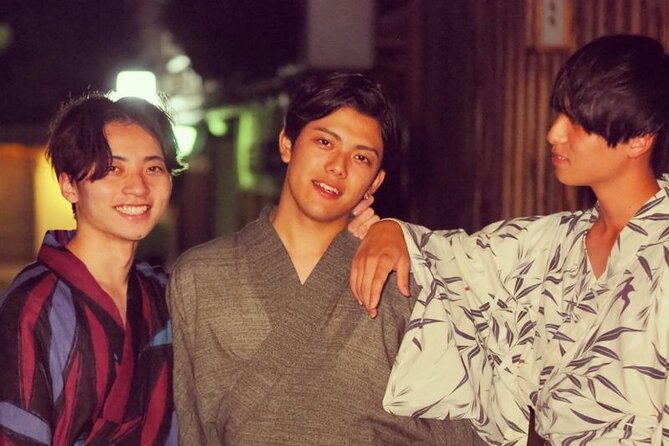
I would treat this as more than a restaurant booking. Gion is known for traditional streets, wooden buildings, and its connection with maiko and geisha culture. The eastern side of Kyoto, including the area around Kiyomizu-dera, connects naturally with Gion, so this stop helps tie the day together.
The meal choice will affect your budget. Tempura and Kobe beef can range widely in price, and no fixed restaurant or menu is specified. Ask Ai what restaurant she has in mind, what type of meal is available, and whether your group can choose a less expensive option.
A two-hour lunch stop may feel generous if you prefer sightseeing over dining. On the other hand, a larger group needs time to sit down, order, eat, and regroup. For eight people, a proper meal break is much easier with local help than trying to find a table at the last minute.
A few more photo experiences around Kyoto worth a look
- Kyoto: Maiko Makeover and Photoshoot Experience
★ 4.7 · 239 reviews - Kyoto: Private Photoshoot Service
★ 5.0 · 158 reviews - Your Private Vacation Photography Session In Kyoto
★ 5.0 · 110 reviews - Kyoto: Tea Ceremony with Kimono and Photoshoot
★ 4.9 · 90 reviews
Fushimi Inari and the red torii gates
Fushimi Inari-taisha is one of Kyoto’s most memorable sights. Its hillside paths pass beneath thousands of vermilion torii gates, donated over time by individuals and businesses. The repeated gates create a strong visual rhythm and make this stop particularly worthwhile for photography.
The planned visit lasts about one hour. That is enough to walk through the lower section and experience the famous gates, but it is not enough to complete the full mountain route at a relaxed pace. If you want to go farther uphill, tell Ai before the day begins so she can help balance the schedule.
There is no admission fee listed for Fushimi Inari. The main cost here is your time and energy. The path is not a flat plaza, and the experience changes as you climb. You might find the lower section busy, while the atmosphere may change farther along the route, but the supplied schedule does not promise how far the group will walk.
This is another reason the private format helps. Your group can discuss whether to focus on the iconic first section or trade time elsewhere for a longer walk. That kind of choice is more useful than a rigid checklist when your party has different fitness levels.
Kiyomizu-dera and Kyoto’s eastern hills
Kiyomizu-dera closes the main sightseeing route. This UNESCO World Heritage site is set in Kyoto’s eastern hills and is known for its large wooden stage and elevated views. The approach leads through streets associated with traditional Kyoto, making the visit feel connected to Gion rather than isolated from it.
You have about one hour here, and admission is included in the stated package. As at Kinkakuji, it is worth confirming the current admission arrangement at booking because the stop information and package details present the fee in different ways.
The eastern hills are not a flat, effortless area. You should expect walking, slopes, and historic streets around the temple. Comfortable shoes matter. The one-hour plan allows for the principal temple view and a short stroll, but it is too brief for a slow exploration of every lane and shop.
The timing can be especially appealing later in the day, when you can stroll around the Gion and Kiyomizu area after seeing the temple. The schedule describes this as an opportunity to see typical Kyoto streets in the evening. Since exact sunset timing changes by season, do not assume the light will always be the same.
Ai as guide and photographer
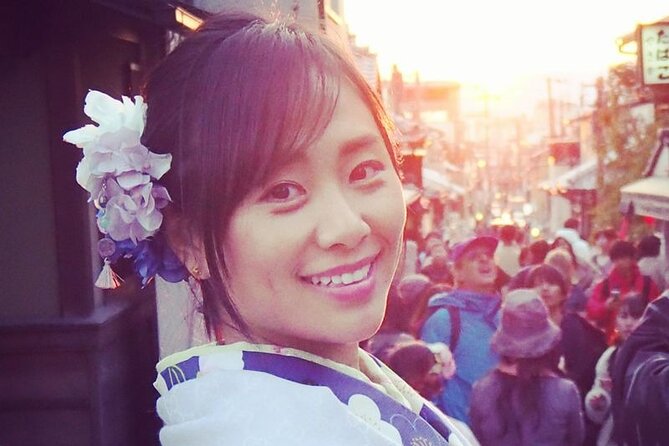
Ai’s qualifications are a major part of the tour’s appeal. She has worked as a government-certified English guide interpreter since 2015, and her academic background includes Japanese pedagogy and tourism and hospitality management. That combination suggests a guide who can explain both language and cultural context, not just point out buildings.
One published five-star account gives special praise to Ai’s friendly manner, experience, and conversations about Japanese culture and the meaning of the places visited. That is important because Kyoto’s temples and shrines can blur together when you only collect photographs. Good explanation gives each stop a clearer purpose.
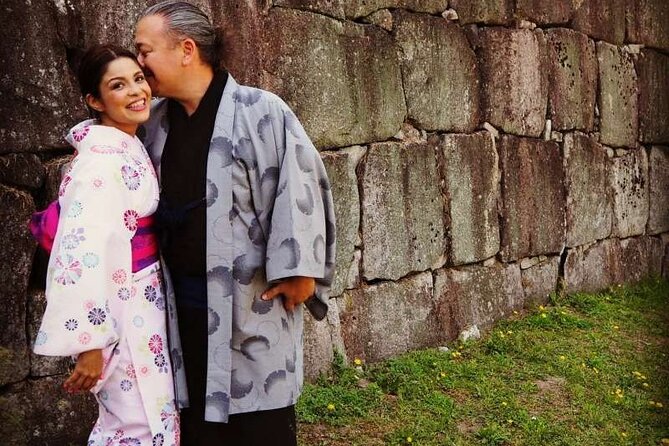
The photography service is included at no additional charge. You receive unlimited photography by a professional photographer during the tour, which can be helpful for groups that usually end up with one person missing from every picture.
The details do not say how the images are delivered, how quickly you receive them, or whether editing is included. I would ask those questions before booking. Also, explain your preferred photo style in advance: formal group portraits, family pictures, candid moments, or quick shots at each landmark.
Pickup options and the eight-hour rhythm
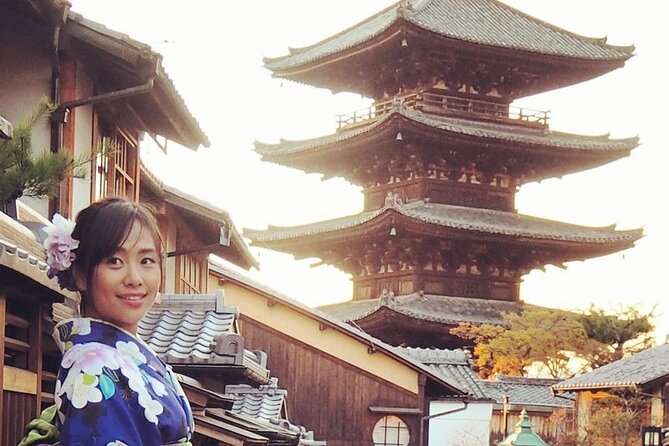
Pickup and drop-off are available from Kyoto Station, hotels in Kyoto, Osaka, Kobe, and Nara City, as well as the Kobe and Osaka cruise ports. That broad pickup area makes this a practical choice for a port day or for a group staying outside central Kyoto.
The vehicle is air-conditioned, and parking fees are included. Those details matter in Kyoto, where summer heat, winter chill, and busy sightseeing roads can make transfers tiring. A vehicle also gives your group a place to regroup between locations, though traffic still affects the day.
The listed stops add up to about six hours of planned time: one hour at Kinkakuji, one at Arashiyama, two in Gion, one at Fushimi Inari, and one at Kiyomizu-dera. The full tour lasts about eight hours, leaving roughly two hours for driving, parking, loading, and transitions. That is a sensible allowance for a route spread across Kyoto, but the schedule remains tight.
You should arrive ready to keep moving. If your group wants long temple visits, extended meals, and a full Fushimi Inari hike, this route covers too much territory. If you want a well-organized first look at Kyoto’s best-known sights, the pace is more reasonable.
Who should book this Kyoto tour?
I would recommend it most strongly for groups of four to eight people who value convenience and want one vehicle for the day. Families with older relatives, cruise passengers, and first-time visitors who dislike complicated transfers are especially well suited.
It also fits people who want cultural explanation rather than a self-guided photo checklist. Ai’s English guiding, academic background, and photography work add personal attention that you do not get from simply hiring a car.
I would be more cautious if you are a solo visitor or a couple watching every yen. The fixed group price is harder to justify with only one or two people. I would also hesitate if your main goal is a slow, detailed visit to one district, since this route is designed for coverage.
The cancellation terms require care. The experience is non-refundable and cannot normally be changed after booking. If poor weather forces cancellation, you are offered another date or a full refund, but a personal change of plans does not qualify for a refund.
FAQ
How long is the Kyoto taxi tour?
The tour lasts approximately eight hours.
How many people can join the private tour?
The price covers one private group of up to eight people.
Which sights are included?
The route includes Kinkakuji Temple, Arashiyama, Gion, Fushimi Inari-taisha Shrine, and Kiyomizu-dera Temple.
Is hotel or cruise-port pickup available?
Yes. Pickup and drop-off are available at Kyoto Station, hotels in Kyoto, Osaka, Kobe, and Nara City, plus the Kobe and Osaka cruise ports.
Are transportation and temple entrance fees included?
The private taxi, parking fees, and listed entrance fees for Kinkakuji and Kiyomizu-dera are included. The package information lists the temple admissions at 8,000 JPY per group.
Is lunch included?
No. Lunch and dinner are not included. Ai can arrange a tempura or Kobe beef restaurant in Gion, but you pay for the meal separately.
Is the photography service included?
Yes. Unlimited photography by a professional photographer is included in the tour price.
Should you book it?
Book this tour if you want to see Kyoto’s major sights in one carefully managed day, prefer a private vehicle, and can share the cost with a medium-sized group. Ai’s guiding and photography make the experience more personal than a basic taxi hire.
Skip it if you want long temple visits, a full Fushimi Inari climb, or a low-cost day for one or two people. For the right group, the value comes from saved transport hassles, flexible planning, included photography, and expert help connecting Kyoto’s famous places into one practical route.
Just added around Kyoto
- A Privately Guided Photoshoot in Beautiful Kyoto by a Pro★ 5.0 · 18 reviews
- Tea Ceremony with Kimono and Professional Photoshoot in Kyoto★ 5.0 · 44 reviews
- Kyoto Photography Masterclass – Private Photography Lesson★ 5.0 · 11 reviews
- Private photo shoot & walk in Kyoto – Professional photo shoot★ 5.0 · 20 reviews
- Private Photoshoot Experience in Kyoto ( Gion )★ 5.0 · 61 reviews
- Private Photography Tour in Kyoto★ 5.0 · 2 reviews
- Exclusive Gion Kyoto Photoshoot: A Private Experience★ 5.0 · 11 reviews
- Kyoto Photo Travel with Local Guide and Personal Photographer★ 5.0 · 3 reviews
Kyoto Photo Tours & Photoshoots, compared.

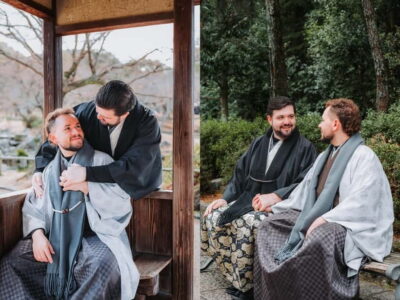
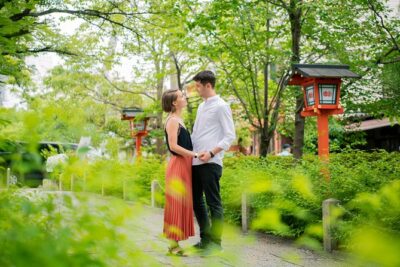
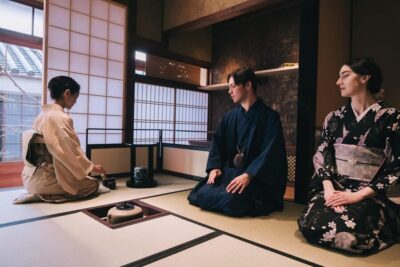
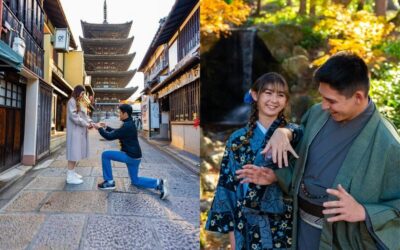

Private Photoshoot Experience in Kyoto ( Gion )
Read our review →
Kyoto Gion Kiyomizudera Kimono Yukata Hairstyle | Photoshoot
Read our review →Browse the lists this shoot appears in