
Review · PHOTOGRAPHY WORKSHOPS & LESSONS
Kyoto Photography Masterclass – Private Photography Lesson
Kyoto rewards a slow shutter. This private three-hour lesson pairs a professional photographer guide with Kyoto’s most photogenic streets, temples, lanterns, and wooden houses. I like the one-to-one format, and I like that the guide adjusts camera advice to your skill level instead of delivering a fixed lecture.
The strongest feature is the practical help with composition, lighting, and camera settings while you are standing in front of the subject. A possible drawback is the $170 per-person price, especially for one guest, and you must bring your own camera because one is not included.
Key points at a glance
- Private instruction: Only your group takes part, so the pace and lesson can match your experience.
- Kyoto’s classic subjects: The route includes Gion, Pontocho, Yasaka Shrine, Hokan-ji Temple, Ninenzaka, and Kiyomizudera Temple.
- Useful night photography practice: Long exposure, tripod use, and reviewing photographs are part of the appeal of the evening option.
- A real lesson, not just a walking tour: You receive guidance on settings, composition, angles, and light as you photograph.
- Tripod help is available: A tripod can be provided on request, which matters for night shots.
- Small-group value: Group discounts may make the $170 price easier to justify when shared by several people.
What this Kyoto photo lesson is really offering
This is not simply a walk to famous Kyoto sights with a few snapshots along the way. The purpose is to help you make better photographs while you are in the city.
A professional photographer leads you to useful viewpoints, explains how to handle the light, and offers advice on camera settings and composition. You can ask questions as they come up. That matters because photography problems are often easiest to understand when you are looking at the actual subject, not a classroom example.
The private setup is another major advantage. If you are new to photography, you can spend more time on basic settings without slowing down a larger group. If you already know your camera, you can focus on more specific goals such as night exposure, framing, or finding stronger angles.
The experience lasts about three hours and ends where it begins. That gives you enough time for several locations, though not enough time to linger at every stop. You should think of it as a focused photo session with a Kyoto walk built around it.
More Private Photoshoots in Japan
- Kyoto: Private Photoshoot Service
★ 5.0 · 158 reviews - Your Private Vacation Photography Session In Kyoto
★ 5.0 · 110 reviews - Kyoto: Private Gion District Photoshoot Experience
★ 5.0 · 79 reviews
Daytime Kyoto: wooden streets, temples, and quiet paths
The daytime version focuses on Kyoto’s traditional character. You may photograph Gion’s wooden machiya houses, temple architecture, street details, patterns, textures, and the meeting point between old customs and modern city life.
The supplied description also includes the Philosopher’s Path as a possible setting. Its quieter route and gentle scenery offer a different kind of photographic practice from the narrow streets of Gion. Here, you may work on lines, repeating forms, reflections, and calm compositions rather than lantern-lit streets and bright signs.
For a photographer, Kyoto’s appeal is not limited to a single famous building. It is found in rooflines, timber, stone, paper screens, gates, shadows, and small changes in texture. A guide who knows the area can help you notice those details instead of taking only the standard front-facing temple photograph.
The daytime route is likely the better choice if you want to learn basic composition, work with natural light, or photograph architectural details without the extra technical demands of darkness. It may also suit you if your main interest is Kyoto’s traditional streets rather than night scenes.
Gion and Pontocho: two different views of old Kyoto
The route begins at the Statue of Izumo-no-Okuni near Kawabatacho in Higashiyama Ward. From there, the listed stops include Gion and the Pontocho District, two well-known areas with very different photographic moods.
Gion gives you traditional wooden façades and narrow streets. The attraction is the relationship between the buildings, the road, and the changing light. Your guide can help you frame a scene so that the architecture does not simply sit in the middle of the photograph.
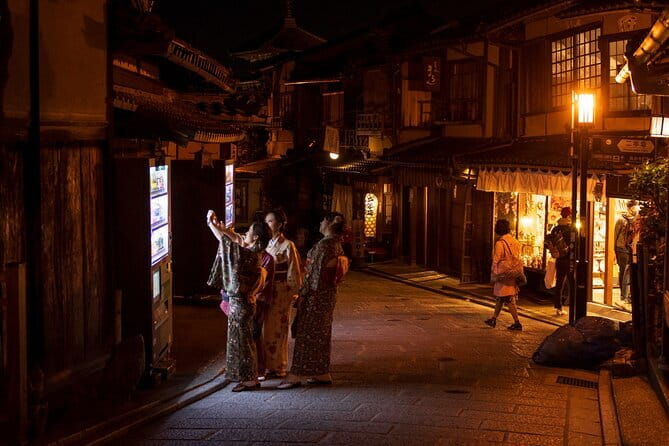
Pontocho brings a more intimate evening atmosphere. Its lanterns and narrow alley create strong lines and pockets of light. This is an excellent place to practice exposure choices, since a bright lantern beside a dark passage can fool an automatic setting.
Pontocho is also a place where you should remain considerate. The route is a real neighborhood and dining area, not a photo set. Follow your guide’s advice about where to stand and avoid blocking entrances or photographing people without permission.
Gion Corner and Minamiza Theater
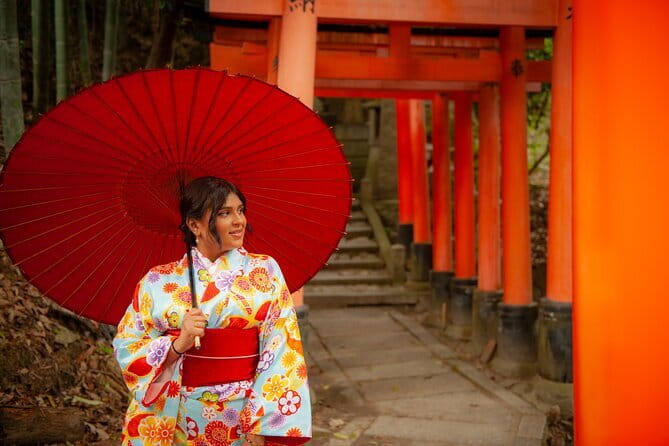
Gion Corner appears next on the route. Its name is closely tied to traditional performing arts, so it adds cultural context to the walk even when you are photographing only the surrounding streets and architecture.
This stop can help you look beyond the obvious tourist picture. Instead of photographing a whole building, you might focus on a sign, doorway, pattern, or contrast between traditional design and the modern street around it. The lesson’s emphasis on texture and composition is especially useful here.
Minamiza Theater adds another strong architectural subject. The building offers bold shapes and a clear sense of place. Depending on the light and the pace of the group, you may work on symmetrical framing, vertical lines, or details that show the theater’s character without including the entire façade.
Because the tour lasts three hours, you should not expect a long visit inside each location. The value comes from moving through several settings while receiving advice that you can apply again later in Kyoto.
More Private Photoshoots in Kyoto
- Private Photoshoot Experience in Kyoto ( Gion )
★ 5.0 · 61 reviews - Kyoto: Private Photoshoot Experience in Arashiyama Bamboo
★ 4.9 · 55 reviews - Kyoto Private Photo Shoot & Tour by SnapKyoto
★ 5.0 · 41 reviews - Kyoto:Private Tour/Luxury Vehicle with Guide & photographer
★ 4.8 · 35 reviews
Yasaka Shrine and Hokan-ji Temple
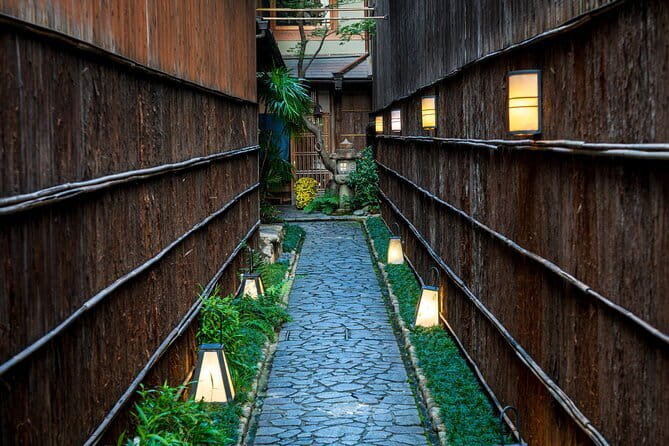
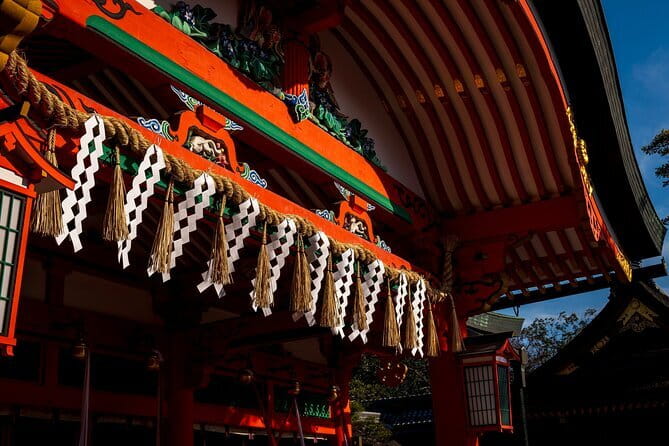
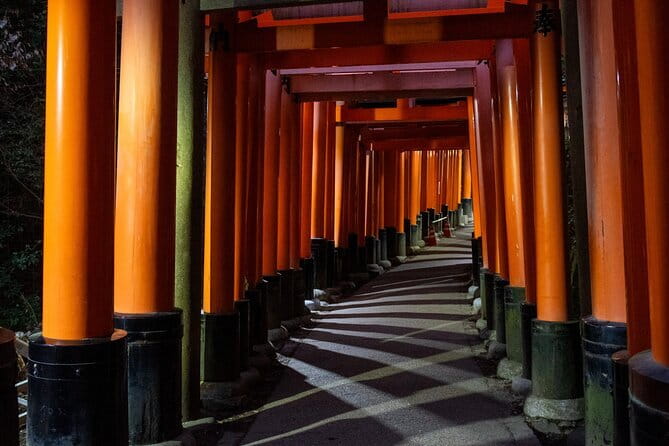
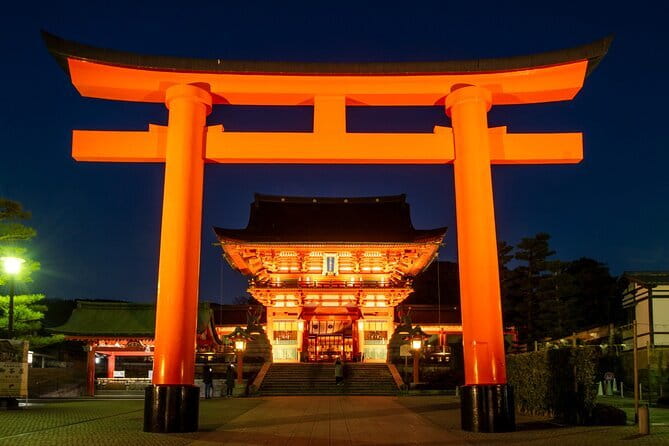
Yasaka Shrine brings gates, shrine structures, and traditional religious details into the route. The setting gives you opportunities to photograph color, repetition, roof shapes, and the relationship between open space and built structures.
A guide can be particularly helpful at a shrine because it is easy to point a camera at the most recognizable feature and stop there. A stronger photograph may come from a less obvious angle, a carefully chosen foreground, or a frame that uses the gate to lead the eye.
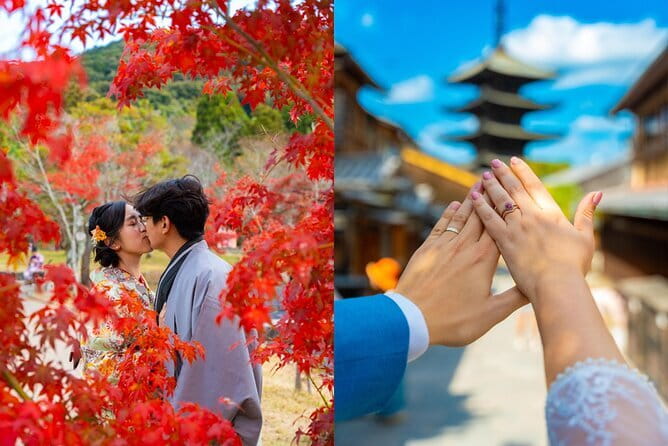
Hokan-ji Temple is known for the familiar five-story pagoda often called Yasaka-no-To. It provides one of Kyoto’s most recognizable views, but recognizable does not always mean easy to photograph. Streets, buildings, and changing light affect how much of the structure you can include.
This is where personalized guidance earns its keep. Your photographer can help you decide whether to work with the full pagoda, a partial view, nearby rooftops, or details in the surrounding streets. The goal is not just to collect famous sights. It is to make a considered image from them.
Ninenzaka and Kiyomizudera: strong subjects, limited time
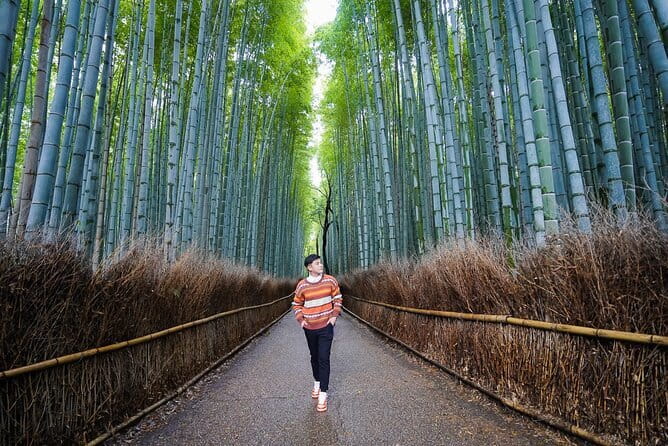
Koju Ninenzaka, generally associated with Kyoto’s historic sloping streets near Kiyomizudera, gives you a chance to photograph traditional buildings, stone paving, and changing perspective. The slope itself can create a natural leading line, while the wooden façades provide repeating shapes and warm tones.
This area can also be busy, so it may take patience to find a clear frame. The private format helps because you are not tied to a large group’s fixed pace. Still, the three-hour limit means you may need to choose between careful composition and covering more ground.
Kiyomizudera Temple is the final listed stop. Its scale, elevated setting, and night lighting make it a powerful subject. At night, the illuminated temple against the dark sky gives you a chance to practice long exposure and control the balance between bright lights and shadow.
The temple is also a good place to review what you have learned. You may arrive with basic advice from earlier stops, then apply it to a more demanding scene. That progression makes the route feel like a lesson rather than eight unrelated photo opportunities.
Night photography is the strongest specialty
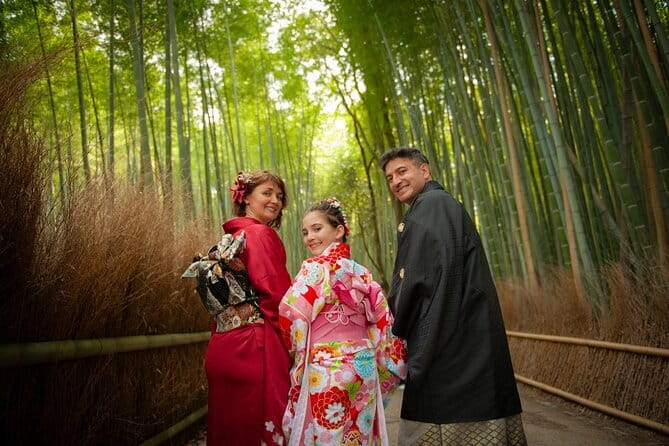
The evening option is the most distinctive part of this experience. Kyoto after dark changes the technical problem in front of you. You must manage shutter speed, camera movement, focus, brightness, and the difference between artificial lights and dark surroundings.
The tour focuses on long exposure and on making each photograph communicate the quiet mood of the city. That is more useful than simply being told to use a slow shutter speed. You can learn why a tripod helps, how movement affects sharpness, and how to review the result before trying again.
A particularly useful detail is the chance to use a tripod brought by the guide, if requested. One participant described working through shots with Irven, reviewing the images, resetting the camera, and improving the results step by step. That kind of immediate feedback can save you from repeating the same technical mistake all evening.
You should request the tripod in advance rather than assume it will appear automatically. The supplied information says it is available on request, while a camera is not included.
Night photography is not ideal for every visitor. If you are new to manual settings, the dark streets may feel demanding. If you want to learn precisely those skills, however, the challenge is the point. The private format gives you room to ask basic questions and repeat the process until the settings make sense.
How the teaching style affects the value
The price is $170 per person. That is a serious cost for a three-hour activity, but the comparison should be made with a private photography lesson, not a standard sightseeing walk.
You are paying for a professional photographer, a local guide, English-speaking in-person guidance, route planning, and instruction tailored to your group. You also avoid the usual problem of a large class where the guide must keep moving while several people struggle with different cameras.
The value improves if two or more people in your party share the lesson and qualify for a group discount. It is harder to justify for someone who only wants a few attractive holiday pictures and has no interest in learning camera technique.
I think the price makes the most sense for three types of people:
- You want a focused lesson rather than casual sightseeing.
- You have a camera but do not feel confident using its settings.
- You care enough about night, architectural, or street photography to practice during the session.
You should also remember that the experience does not include a camera. Bring your own equipment and make sure you know how to turn it on before meeting your guide. The lesson can improve your technique, but it cannot replace a camera you do not have.
Who should book this private lesson?
This tour suits a beginner who wants calm, individual help. It also suits an intermediate photographer who wants fresh ideas about framing Kyoto’s streets or handling difficult evening light.
The private arrangement is useful for couples, families, and friends with similar interests. It is less suitable if some members of the group want a conventional sightseeing tour while others want to stop often for camera adjustments.
The route contains a lot of walking between urban sights, temples, and traditional streets, but the supplied information says most people can participate. It is also near public transportation, which makes reaching the starting point more manageable.
Service animals are allowed. Confirmation is provided at booking, and the activity ends back at the meeting point near the Statue of Izumo-no-Okuni.
Practical advice before you go
Bring the camera you actually plan to use in Kyoto. If you have several lenses or accessories, choose only what you can comfortably carry for three hours. A lighter setup will make it easier to concentrate on the lesson.
If night photography interests you, ask for the tripod when arranging the experience. The tripod support was a major part of the useful evening session described by the provider, especially because the photographer helped review and improve shots rather than simply taking the equipment along.
Tell the guide your experience level and your main goal. You might want help with basic settings, composition, street photography, temple architecture, or long exposure. Since the activity is private, that information can shape how the time is used.
Allow for the possibility that the route and teaching emphasis will vary between the daytime street version and the night version. The daytime plan highlights Gion, traditional streets, and the Philosopher’s Path. The night plan emphasizes Pontocho, lanterns, Kiyomizudera, and long exposure.
Free cancellation is available if you cancel at least 24 hours before the start time. Changes or cancellations made inside that 24-hour window are not accepted for a refund, using Kyoto local time as the cutoff.
Should you book the Kyoto Photography Masterclass?
Book it if you want to leave Kyoto with better photography skills, not just more photographs. The private format, location knowledge, and patient image review make the experience especially appealing for anyone interested in night photography.
The best reason to choose it is the chance to photograph famous Kyoto scenes while receiving immediate advice on what to change. The main reason to skip it is the price, particularly if you are not bringing a camera or do not want a lesson.
For a dedicated photographer, $170 can be fair value for three hours of one-to-one help across some of Kyoto’s most useful subjects. For a casual sightseer, a regular walk through Gion may be enough.
FAQ
How long is the Kyoto Photography Masterclass?
The experience lasts approximately three hours.
Is this a private photography tour?
Yes. Only your group participates in the activity.
What locations are included?
The listed stops are Gion, Pontocho District, Gion Corner, Minamiza Theater, Yasaka Shrine, Hokan-ji Temple, Koju Ninenzaka, and Kiyomizudera Temple.
Where does the tour start?
It starts at the Statue of Izumo-no-Okuni at Kawabatacho, Higashiyama Ward, Kyoto, 605-0076, Japan.
Where does the experience end?
The activity ends back at the meeting point.
Is a camera included?
No. You need to bring your own camera.
Can I request a tripod?
Yes. A tripod is available on request.
Is an English-speaking guide included?
Yes. The experience includes a licensed English-speaking in-person local guide and a professional photographer guide.
Can service animals participate?
Yes. Service animals are allowed.
What is the cancellation policy?
You can receive a full refund if you cancel at least 24 hours before the experience begins. Cancellations or changes made less than 24 hours before the start time are not accepted for a refund.
More Photography Workshops and Lessons in Kyoto
- Paris Photography Masterclass – Private Photography Lesson
★ 5.0 · 112 reviews - 2-Hour Photography Class While Touring Downtown Santa Fe, Smart Phones Welcome!
★ 5.0 · 108 reviews - Unique Rome by Night, Photo Tour and Workshop Under the Stars
★ 5.0 · 96 reviews - Elevate Your Photography – Barcelona Private Tour & Workshop
★ 5.0 · 78 reviews
Just added around Kyoto
- A Privately Guided Photoshoot in Beautiful Kyoto by a Pro★ 5.0 · 18 reviews
- Tea Ceremony with Kimono and Professional Photoshoot in Kyoto★ 5.0 · 44 reviews
- Private photo shoot & walk in Kyoto – Professional photo shoot★ 5.0 · 20 reviews
- Private Photoshoot Experience in Kyoto ( Gion )★ 5.0 · 61 reviews
- Kyoto One-day Taxi Tour by Licenced Guide Photographer 8 pax★ 5.0 · 2 reviews
- Private Photography Tour in Kyoto★ 5.0 · 2 reviews
- Exclusive Gion Kyoto Photoshoot: A Private Experience★ 5.0 · 11 reviews
- Kyoto Photo Travel with Local Guide and Personal Photographer★ 5.0 · 3 reviews
Photography Workshops & Lessons, compared.
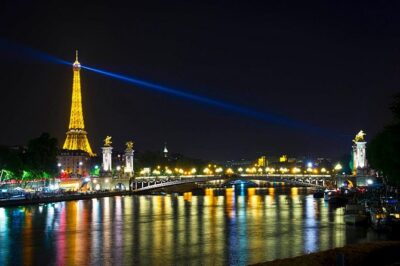
Paris Photography Masterclass – Private Photography Lesson
Read our review →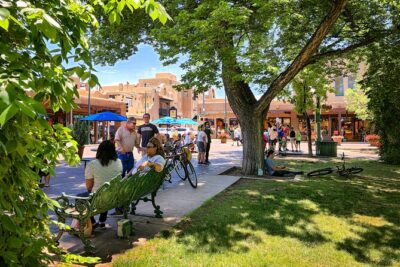
2-Hour Photography Class While Touring Downtown Santa Fe, Smart Phones Welcome!
Read our review →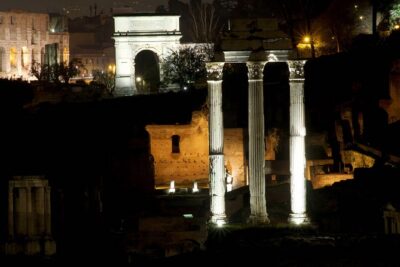
Unique Rome by Night, Photo Tour and Workshop Under the Stars
Read our review →
Elevate Your Photography – Barcelona Private Tour & Workshop
Read our review →
Rome Photography Masterclass – Private Photography Lesson
Read our review →
Private (Phone) Photography Class in Park & Old Town
Read our review →
Venice Photography Masterclass – Private Photography Lesson
Read our review →
Custom Half-Day Photo Tour with Photography Lessons from Asheville
Read our review →Browse the lists this shoot appears in