Review · PHOTOGRAPHY WORKSHOPS & LESSONS
London Photography Masterclass – Private Photography Lesson
London looks better through a camera. This private three-hour lesson combines city sightseeing with practical photography coaching, taking you from Westminster Bridge and the London Eye to St. Paul’s Cathedral and Tower Bridge. I like the one-on-one format, which gives you room to ask questions, fix mistakes, and work at your own level.
I also like the choice between classic city views and a more technical night session. Guides such as Derrick, Rose, and Noemi have helped photographers work on composition, ISO, aperture, long exposure, light trails, and light painting. The main drawback is cost: at $218.21 per person, this is a serious spend for a three-hour activity, especially if you already know your camera well.
What Makes This London Lesson Worth Considering
- A private route through ten major sights, including Westminster Bridge, Waterloo Bridge, Millennium Bridge, St. Paul’s Cathedral, The Shard, and Tower Bridge.
- Night photography practice, with long exposure, light trails, light painting, and high ISO shooting.
- Personal coaching from a working photographer, rather than a fixed group lecture.
- Image review during the walk, so you can adjust settings while the scene is still in front of you.
- Good fit for mixed experience levels, from an enthusiastic teenager to a photographer who already knows the basics.
- A practical way to see London safely after dark, with a guide handling the route while you focus on your camera.
A Private Lesson Rather Than a Standard Sightseeing Walk
This experience works best if you want two things at once: a look at London’s major sights and useful instruction you can apply after the session. You are not simply taken from one photo stop to another. The guide can ask what you already know, find out what you want to improve, and adjust the lesson around your interests.
That personal approach matters. A beginner may need help with aperture, shutter speed, and ISO. Someone with more experience may want stronger compositions, better night exposures, or fresh ways to photograph places they have already seen many times. The guides Derrick, Rose, and Noemi are praised for being patient while still encouraging people to move past safe, ordinary images.
The tour is private, so only your group takes part. That is a major advantage for anyone who dislikes waiting while a large group changes camera settings. It also makes the lesson more useful for families or couples with different skill levels. Group discounts are available, though the published price is listed per person.
More Photography Workshops and Lessons in London
- Beginners Photography Course – Small Group Workshop
★ 5.0 · 8 reviews - London Smartphone Photography workshop and tour
★ 5.0 · 5 reviews - Wildlife Photography Workshop in Richmond Park in London
★ 4.5 · 5 reviews
Choosing Between Daylight and London After Dark
The experience can focus on London by day or on night photography. The exact choice is important because the two versions teach different skills.
A daytime route gives you a broad look at central London. You can work on composition, framing, perspective, and finding interesting details in familiar places. The route links grand civic buildings, riverside views, modern architecture, and street scenes. It is a good choice if you want a mixture of sightseeing and camera practice.
The night option is more technical. The reflections on the Thames, illuminated bridges, and city lights create strong subjects, but low light also exposes weak camera habits. You may work with a tripod, long exposures, light trails, light painting, and high ISO settings. Bring a tripod and a scarf if you choose this version. The guide can help you understand how changes to ISO, aperture, and exposure time affect the final image.
Night photography also requires more patience. A three-hour session may cover many locations, but you will not have unlimited time at every stop. If your main goal is to produce a small set of carefully controlled night images, tell the guide early so the lesson can focus on fewer places.
Westminster Bridge and the Palace of Westminster
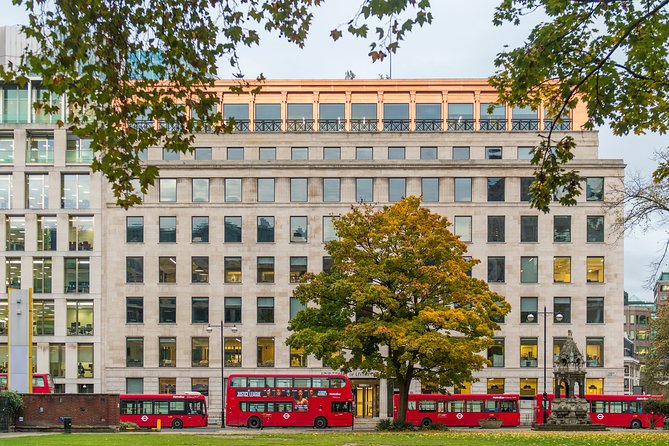
The meeting point is at St Thomas’ Hospital or County Hall, near Westminster Bridge, London SE1 7EP. This puts you beside one of London’s most useful starting points for photography.
Westminster Bridge gives you a strong opening view across the Thames toward the Palace of Westminster. The bridge itself can help create leading lines, while the river gives you space to frame the buildings cleanly. The Palace of Westminster offers detailed stonework, towers, and a formal architectural shape that rewards careful composition.
This is also a good place to settle into the lesson. Your guide can see how you handle your camera and suggest changes before the route becomes more demanding. At night, you can begin learning how artificial light affects color and exposure. Bright buildings beside dark water are not always easy to meter, so this first stop can set up the technical work later.
The area can feel busy, especially around major sights. That is part of the challenge. Your guide helps you move through central London safely while you keep your attention on the picture rather than on every turn in the route.
The London Eye and the Household Division
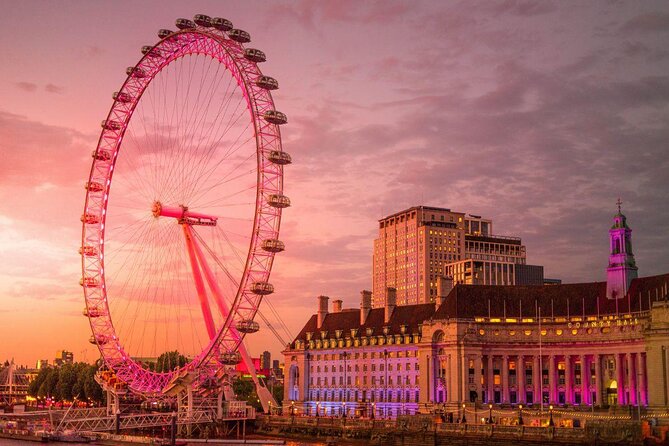
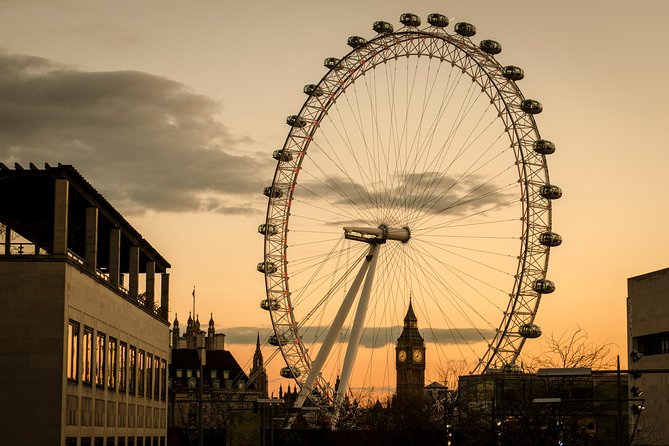
The London Eye adds a modern shape to the route and gives you another chance to think about scale. It can be photographed as a dominant subject, framed against the river, or used as part of a wider city view. Its circular form also contrasts nicely with the sharp lines of Westminster.
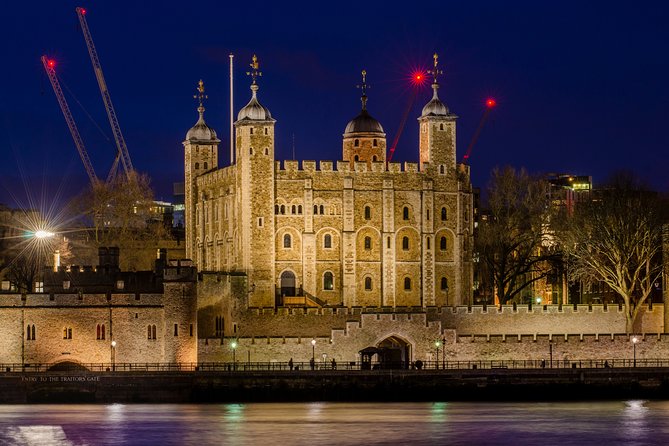
The Household Division brings a more formal London subject into the mix. Here, you may work on details, symmetry, and the relationship between architecture and people. The tour information does not promise a specific ceremony or scheduled event, so you should treat this as a location stop rather than expect a performance.
These early stops are useful for photographers who tend to point directly at famous buildings. A private guide can encourage you to change your height, leave more space around the subject, or look for a less obvious angle. That kind of correction is often more valuable than another list of sightseeing facts.
More Photography Workshops and Lessons in the UK
- Edinburgh Photography Masterclass – Private Photography Lesson
★ 5.0 · 40 reviews
Waterloo Bridge and Southbank
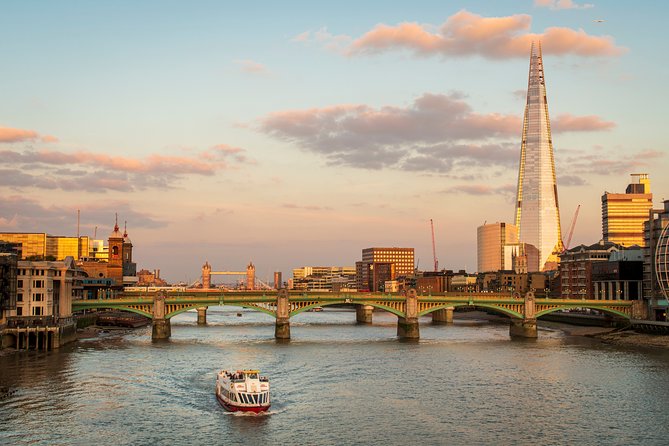
Waterloo Bridge is one of the route’s best places for broad views along the Thames. It can give you a strong city panorama, with room to include the river, bridges, skyline, and changing light. The view is especially useful at dusk or after dark when reflections and illuminated buildings become part of the picture.
Southbank then changes the mood. This riverside stretch offers a more open setting and a chance to photograph people, movement, architecture, and the river together. You can work on a balance between planned compositions and quick reactions.
I would pay attention to how long the tour stays in this area. The route includes many stops, and the guide may keep you moving. That is good for seeing a lot of London, but it may feel fast if you want to perfect every frame. Derrick received praise for fitting many places into a short session while stopping to review photographs as they were taken. That approach suits someone who wants several practical lessons rather than one long stationary shoot.
Millennium Bridge and St. Paul’s Cathedral
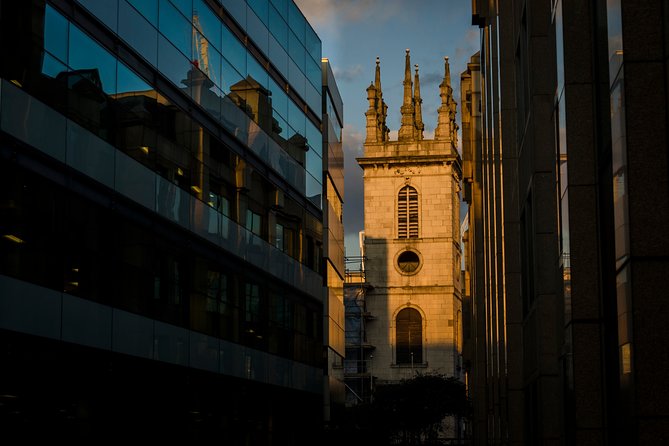
The Millennium Bridge is a strong subject for lines and perspective. Its structure can direct the eye toward St. Paul’s Cathedral, creating a natural connection between modern design and one of London’s best-known landmarks. This is the sort of location where a guide can help you refine composition without needing a complicated setup.
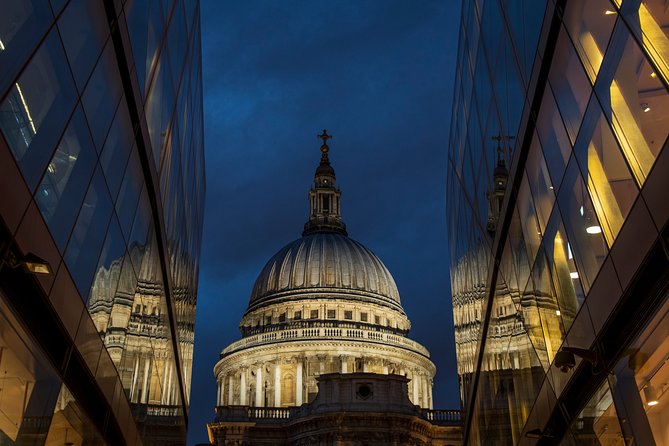
St. Paul’s rewards both wide and tighter views. You can include the cathedral in a larger city scene or concentrate on architectural details. At night, the contrast between the lit cathedral and the surrounding darkness creates a useful test of exposure.
If you are still learning, this part of the route can clarify why a camera’s automatic setting may not give you the result you want. A bright building, dark sky, and moving people can confuse the meter. The lesson is designed to show how aperture, shutter speed, and ISO work together, rather than treating each camera setting as an isolated trick.
The Shard and Tower Bridge
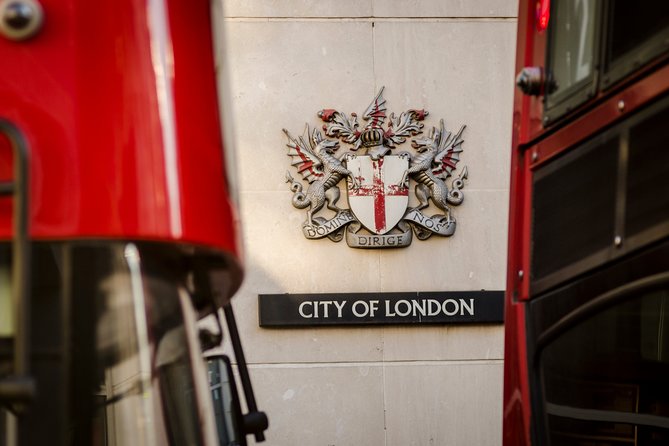
The Shard brings a very different subject to the final part of the route. Its narrow glass form reaches above the city and can be used as a vertical subject, a distant skyline element, or a reflection. It also gives the guide a chance to discuss how modern architecture changes the feel of a London photograph.
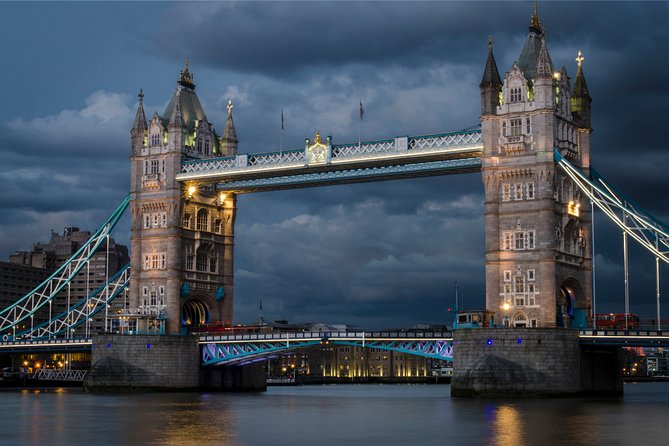
Tower Bridge is the natural grand finale. It offers strong structure, repeated shapes, river reflections, and, after dark, a mix of artificial light and shadow. Long exposure can smooth the water and turn moving lights into trails. A tripod is especially useful here, but it is not included, so you need to bring your own if you want that technique.
The route ends back at the meeting point rather than at Tower Bridge. That matters for planning. You may need time and energy for the return, and the final location is not necessarily the place where the activity finishes.
What You Actually Learn During the Three Hours
The biggest strength of this experience is the chance to receive corrections while you are taking photographs. You can ask why an image looks flat, why a highlight is too bright, or why a night exposure has become blurry. The guide can then suggest a setting or a change in position and let you test it immediately.
The night session focuses on several specific skills:
- Long exposure for water, buildings, and moving light.
- Light trails from traffic and other moving sources.
- Light painting for creative effects.
- High ISO shooting when a tripod or slow shutter speed is not practical.
- The effect of different aperture settings on brightness and visual style.
- The relationship between exposure time and motion blur.
No camera is provided. You need to bring your own camera, and the same applies to a tripod. The information does not specify a required camera model, so the most useful step is to use equipment you already understand. A complicated new camera can distract from the lesson.
The coaching also goes beyond technical settings. Rose worked with people who wanted to move beyond familiar tourist images and try less expected views. Derrick was praised for reviewing images during the route and for helping photographers push past good enough. That combination of technical advice and creative pressure is where the experience earns its value.
How the Guides Shape the Experience
The guide can make or break a private lesson, and the named instructors bring different strengths according to the available feedback.
Derrick is described as an accomplished photographer who takes time to learn what a person wants from the session. He also encourages people to keep working until an image improves, rather than accepting the first acceptable result.
Rose has worked well with both experienced photographers and younger participants. She helped one 17-year-old photographer find creative opportunities despite rain and made the lesson comfortable for someone speaking English as an additional language. Her night sessions have also focused on locations and views that challenge a photographer’s usual habits.
Noemi helped a photographer who understood basic techniques but had not managed successful night exposures. Her instruction focused on how ISO, aperture, and exposure time changed the result. That kind of step-by-step explanation is particularly helpful if you know the terms but have trouble applying them in the dark.
The guides speak English. The activity is private, which gives you a better chance to explain exactly what you want to learn.
Rain, Cold Weather, and Realistic Expectations
London weather can change the mood of the session. Rain may make handling equipment harder, but wet streets and pavement can also produce reflections. The available feedback includes successful lessons during rain, with guides adapting and helping participants continue to make worthwhile images.
For a night tour, bring a tripod and a scarf. Warm clothing matters because you may spend time waiting for a long exposure to finish or for a better light pattern to appear. You should also be ready to walk between locations and protect your camera from wet conditions.
Do not expect every stop to produce a perfect photograph. The value is in learning how to respond when the light, weather, or viewpoint is less than ideal. That skill travels with you long after the London session ends.
Is $218.21 Per Person Good Value?
The price is $218.21 per person, with group discounts available. That is high for three hours if you view the activity as sightseeing alone. The route includes major London sights, but you are not paying simply for transport or admission to attractions.
The stronger value comes from private instruction. You receive direct attention, can ask repeated questions, and can work on your own equipment. If a private photography lesson would cost a similar amount in your home city, the price may feel reasonable, especially because the session also gives you access to carefully chosen London locations.
It is less attractive if you only want a quick photo walk or already feel fully confident with your camera. In that case, you may spend a lot for advice you do not need. The experience makes more sense if you arrive with clear goals, such as learning long exposure, improving composition, or producing better night images.
Free cancellation is available if you cancel at least 24 hours before the start time. Changes or cancellations made less than 24 hours ahead are not accepted for a refund.
Who Should Book This Photography Masterclass?
I would recommend it to:
- Beginners who want personal help with camera settings.
- Intermediate photographers who keep taking the same type of London image.
- Couples or families with one keen photographer and mixed experience levels.
- Anyone who wants to learn night photography without joining a multi-day course.
- Repeat London visitors who have already photographed the main sights and want fresh viewpoints.
- Parents looking for a memorable, skill-based birthday gift for a teenage photographer.
I would hesitate if you do not own a camera, since one is not provided. I would also think twice if you dislike walking, want a slow session at only one location, or expect a guaranteed clear evening. This is a working lesson, not a polished photo shoot where someone else takes the pictures for you.
Final Verdict: A Strong Choice for Hands-On Learners
Book this tour if you want London sightseeing tied to real camera practice. The private format, flexible instruction, and direct image review give it more substance than a standard photo walk. The night option is especially useful if long exposure and city-light photography have always seemed harder than they look.
Skip it if your main goal is a cheap introduction to London’s landmarks. At $218.21 per person, the price only makes sense when you plan to use the instruction. Bring your own camera, add a tripod for night work, tell the guide what you want to improve, and treat the three hours as a focused workshop with London as the subject.
FAQ
Where does the London Photography Masterclass start?
It starts at St Thomas’ Hospital or County Hall, Stop D, London SE1 7EP, near Westminster Bridge.
Where does the experience end?
The activity ends back at the meeting point.
How long does the photography lesson last?
The experience lasts approximately three hours.
Is this a private activity?
Yes. Only your group participates in the activity.
Is the tour offered in English?
Yes. The experience is offered in English.
Is a camera included?
No. You need to bring your own camera.
Is a tripod included?
No. A tripod is not included. You should bring one if you want to work on long exposures and other night photography techniques.
What photography skills can I practice at night?
The night session can cover long exposure, light trails, light painting, and high ISO shooting. It also covers how ISO, aperture, and exposure time affect your images.
What sights are included on the route?
The route includes Westminster Bridge, the Palace of Westminster, the London Eye, the Household Division, Waterloo Bridge, Southbank, Millennium Bridge, St. Paul’s Cathedral, The Shard, and Tower Bridge.
Can I cancel for a full refund?
Yes, if you cancel at least 24 hours before the experience start time. Cancellations or changes made less than 24 hours before the start are not accepted for a refund.
More Private Photoshoots in the UK
- Professional Private Couple Photoshoot
★ 5.0 · 35 reviews - Private Night Photography Tour in London
★ 5.0 · 29 reviews - London Photography Tour – Private Tour
★ 5.0 · 17 reviews - London: Private Photography with Professional Photographer
★ 5.0 · 7 reviews
More Private Photoshoots in London
- London: Private Photoshoot with Video Clip Option
★ 4.8 · 182 reviews - Private landmarks photoshoot for families and couples
★ 5.0 · 92 reviews - London: Private Landmark Tour with Professional Photographer
★ 4.7 · 91 reviews - Private Tour: Night Photography Tour in London
★ 5.0 · 48 reviews
Just added around London
- Iconic London Photo Walking Tour★ 4.6 · 11 reviews
- Flying dress professional photoshoot with pro photographer★ 5.0 · 5 reviews
- London: East End Instagrammable Street Art & Graffiti Tour★ 4.9 · 22 reviews
- Colourful Notting Hill Photography Tour★ 5.0 · 3 reviews
- London: Private Photography with Professional Photographer★ 5.0 · 7 reviews
- A Professional Photo Walk Experience in London★ 5.0 · 4 reviews
- London Smartphone Photography workshop and tour★ 5.0 · 5 reviews
- Wildlife Photography Workshop in Richmond Park in London★ 4.5 · 5 reviews
Photography Workshops & Lessons, compared.
Paris Photography Masterclass – Private Photography Lesson
Read our review →
2-Hour Photography Class While Touring Downtown Santa Fe, Smart Phones Welcome!
Read our review →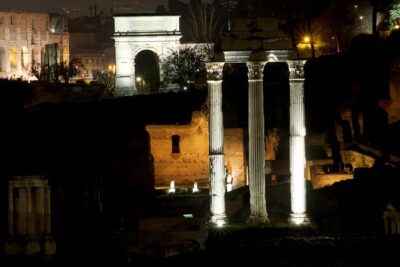
Unique Rome by Night, Photo Tour and Workshop Under the Stars
Read our review →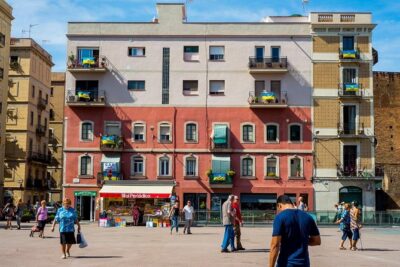
Elevate Your Photography – Barcelona Private Tour & Workshop
Read our review →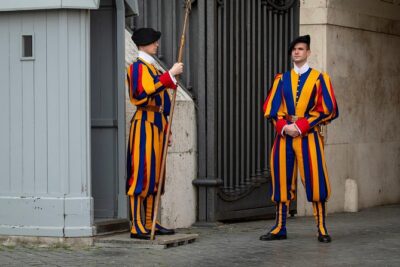
Rome Photography Masterclass – Private Photography Lesson
Read our review →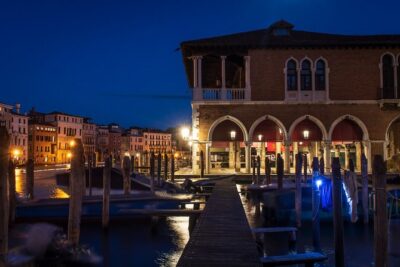
Venice Photography Masterclass – Private Photography Lesson
Read our review →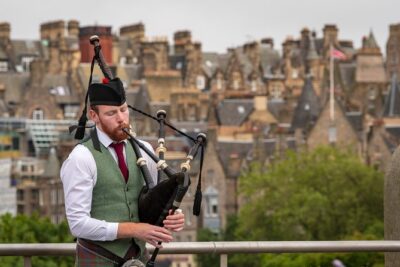
Edinburgh Photography Masterclass – Private Photography Lesson
Read our review →