Review · NIGHT & ASTRO PHOTOGRAPHY
Private London Night Photography Workshop – Trafalgar Square and South Bank
London looks different after dark. This private three-hour workshop turns Trafalgar Square, Westminster, and the South Bank into a practical outdoor classroom. I like the one-to-one attention and the chance to work with your own camera instead of receiving a generic lecture. I also like that the route is built around famous views that reward careful night shooting.
The main consideration is the price: at $353.53 per person, this is a serious photography purchase, not a cheap sightseeing walk. You will need to bring a camera and a charged battery, and a tripod is strongly recommended. If your main goal is simply to see London lit up, this may feel costly.
For anyone keen to improve, the value is easier to see. The instructor works at your pace, explains camera settings in plain terms, and helps you make creative choices rather than merely point at landmarks. One especially praised instructor, Lou, was patient with tripod setup, framing, and creative shots, even adapting the session for Christmas lights.
Key points before you book
- Three hours of London after dark: Photograph Trafalgar Square, the London Eye, Westminster, and South Bank in one evening.
- Private instruction: Only your group participates, so the advice can match your camera and current skill level.
- Long-exposure practice: Learn to smooth river water, create light trails, and control fountain movement.
- Bring a tripod if possible: It is recommended for the clearest night images, and hired tripods may be available after booking.
- Practical teaching from a Fine Art photographer: Expect help with settings, framing, composition, and creative ways to see familiar places.
- Useful for pairs and small groups: Group discounts may help, and people aged 16 or 17 can attend with a responsible adult who also pays.
Why this London night workshop is different
Many London sightseeing tours ask you to look, listen, and move on. This one asks you to stop. You might spend several minutes adjusting a shutter speed, waiting for the right light, or shifting your camera a few inches to improve the frame.
That slower pace is the point. Night photography is less forgiving than daylight shooting. A bright sign can blow out, a small camera shake can soften the whole image, and a scene that looks dramatic to your eye may appear flat on screen. The instructor helps you work through those problems on location.
The workshop is also private. You are not trying to keep up with a large group or waiting while someone else receives help with a different camera. You can ask basic questions without feeling rushed, or spend more time on advanced composition if you already understand manual settings.
The instruction covers a wide range of cameras, but you should still bring the camera you plan to use at home. The session is most useful when you learn on your own equipment, with its actual menus, controls, and quirks.
More Photography Workshops and Lessons in London
- Beginners Photography Course – Small Group Workshop
★ 5.0 · 8 reviews - London Photography Masterclass – Private Photography Lesson
★ 5.0 · 6 reviews - London Smartphone Photography workshop and tour
★ 5.0 · 5 reviews
Starting at Trafalgar Square with fountains and sculpture
The meeting point is on Charing Cross Strand, London WC2N 5HF. From there, the session begins at Trafalgar Square, a strong opening because it offers several types of night photography in one compact setting.
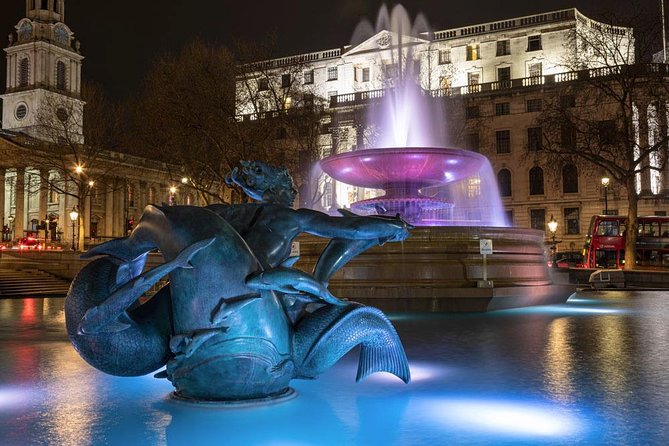
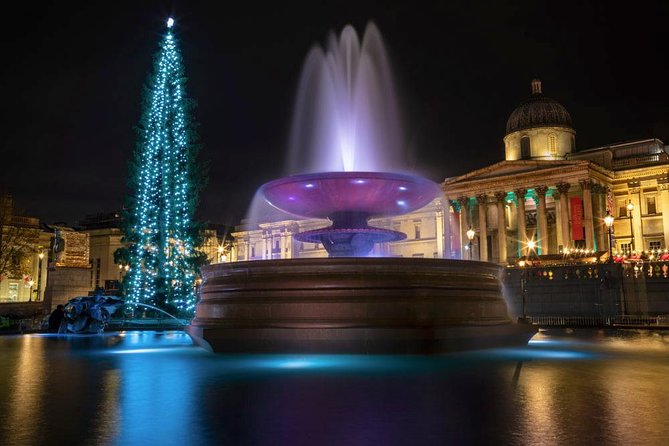
The fountains provide moving water for long-exposure practice. With the right settings, water can look smooth and soft rather than frozen in place. You can also experiment with different exposure times to create noticeably different effects from the same fountain.
The square gives you more than one subject. You can work on colourful reflections, then switch to the sculptures and aim for a sharper, more controlled image. This makes the stop useful for learning the difference between photographing motion and photographing a fixed object under artificial light.
Composition is a major part of the teaching here. You may be shown how to frame a sculpture against the surrounding buildings, how to use the square’s lines to guide the eye, or how to avoid placing every subject dead centre. These are skills you can use long after the London trip.
Trafalgar Square is also a good place to test your basic setup. Your instructor can help you choose a low ISO, set a suitable aperture, focus accurately, and use a delayed shutter or remote release if needed. The exact settings depend on your camera and the available light, so the benefit is learning the decision-making rather than copying a fixed recipe.
One practical warning: the square is outdoors, and night conditions can change. Bring warm layers and weatherproof clothing. You are not sitting in a studio between shots.
Victoria Embankment and the London Eye across the river
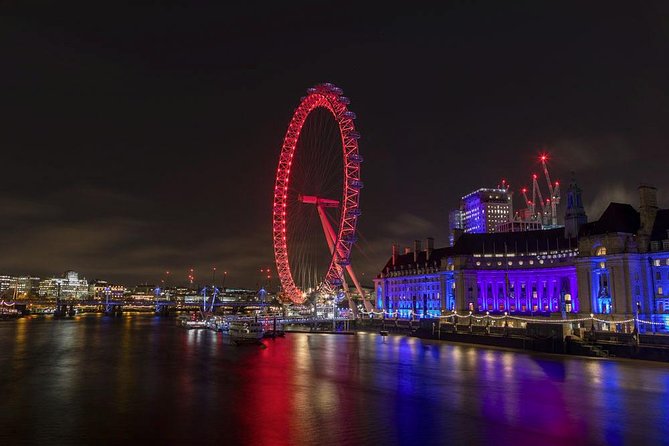
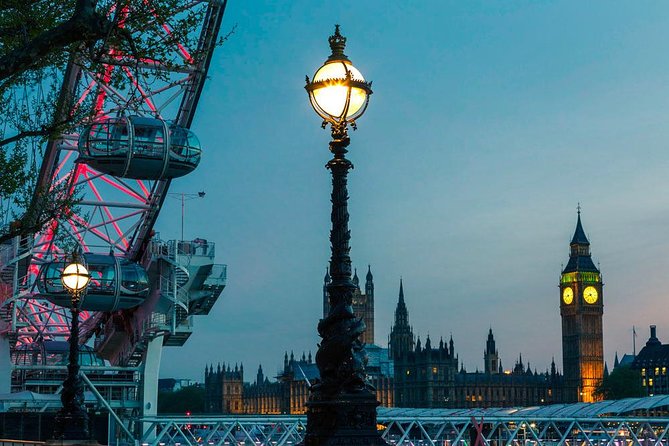
At Victoria Embankment, the subject changes from fountains and sculpture to a wide river view. The London Eye becomes the main focus, seen from across the Thames.
This is where long exposures can show their value again. River water that looks choppy in person can become a smooth reflective surface in a photograph. Lights from the opposite bank may stretch across the water, giving you a chance to work with reflections rather than treat them as a distraction.
A wide view such as this can tempt you to include too much. Your instructor can help you decide how much sky, water, riverbank, and architecture belong in the frame. You may also work on finding a fresh angle instead of making the same straight-on image found in every postcard.
The river setting brings a technical challenge. Low light often requires a steady camera, and a tripod is the clearest practical advantage. The workshop recommends bringing one, and tripods may be available for hire if you ask after booking. Confirm that arrangement before the evening if you need to borrow one.
This stop is especially useful if you want to understand how a small change in viewpoint affects a night image. A slight shift can place the London Eye, reflections, and surrounding lights into a cleaner relationship. That is more valuable than simply collecting another landmark snapshot.
Westminster Bridge, Big Ben, and light trails
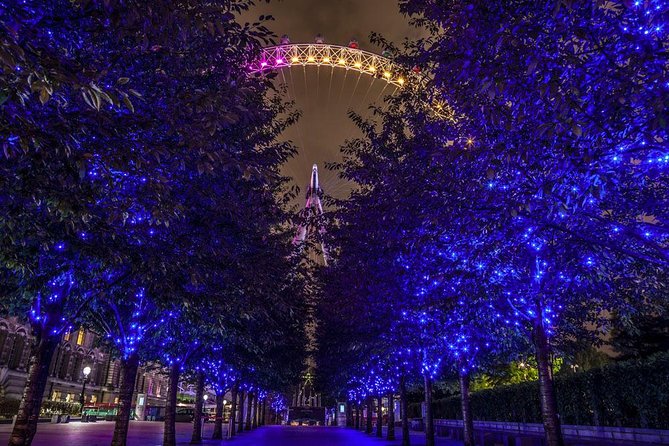
The route also includes views toward Big Ben and the Houses of Parliament, along with night trails on Westminster Bridge. These subjects give you a chance to work with architecture and movement in the same frame.
Traffic light trails are a classic night photography effect, but they are not automatic. You need to choose a position, wait for suitable traffic, and keep the camera steady during the exposure. The instructor can help you decide how to include the bridge lines without letting them overpower Big Ben or the Parliament buildings.
This part of the evening is likely to appeal to photographers who want an image with energy. A sharp building beside streaking lights creates a clear sense of movement, while a slower exposure can make the bridge feel more graphic and ordered.
The location also tests your framing skills. Westminster has several famous elements competing for attention, so it helps to decide what the main subject is before pressing the shutter. A shot that includes everything may be less effective than one that gives Big Ben, the bridge, or the river a clear role.
You will also get advice on using available light at night. This does not mean adding artificial lighting to the scene. It means seeing how street lamps, illuminated buildings, reflections, and passing vehicles shape the final image.
More Photography Workshops and Lessons in the UK
- Wildlife Photography Workshop in Richmond Park in London
★ 4.5 · 5 reviews - Private Shoreditch Street Photography Workshop
★ 4.5 · 4 reviews - Private London Street Photography Workshop
★ 5.0 · 4 reviews - Private Course – Beginners Photography Workshop
★ 5.0 · 2 reviews
South Bank for new angles on familiar London
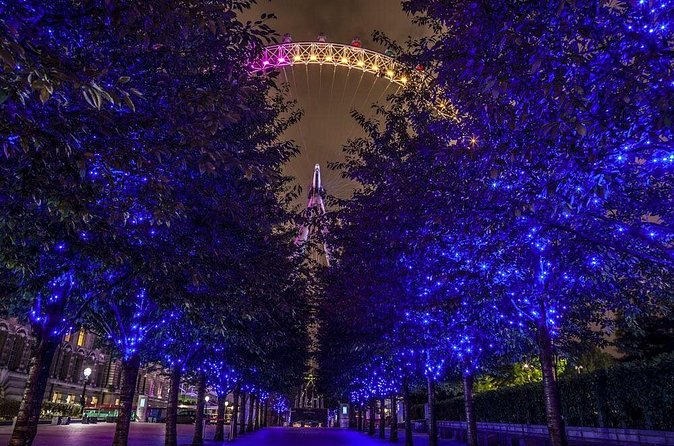
The South Bank is the broadest part of the workshop. Here you explore architecture and landmarks from different viewpoints, with the instructor encouraging you to look beyond the obvious angle.
That approach is one of the stronger reasons to choose a private class. You are not only being taken to a famous place. You are being asked how you might photograph it differently. A change in height, distance, direction, or framing can make a familiar London view feel more personal.
The South Bank is also a useful place to bring together the evening’s techniques. You can look for reflections, leading lines, strong shapes, and areas of contrast. If you have spent the first part of the session learning camera controls, this is where you can begin making more independent choices.
The teaching draws on the instructor’s Fine Art photography practice. That matters because Fine Art work usually pays close attention to mood, structure, balance, and the emotional effect of an image, not only technical sharpness. You should still expect practical help, but the session reaches beyond settings into the question of why a photograph works.
The exact mix of subjects will depend on the evening and the conditions. That flexibility is useful, but it also means you should not expect a fixed set of identical shots. The goal is to build your skills while photographing some of London’s best-known night scenes.
What the instruction covers in three hours
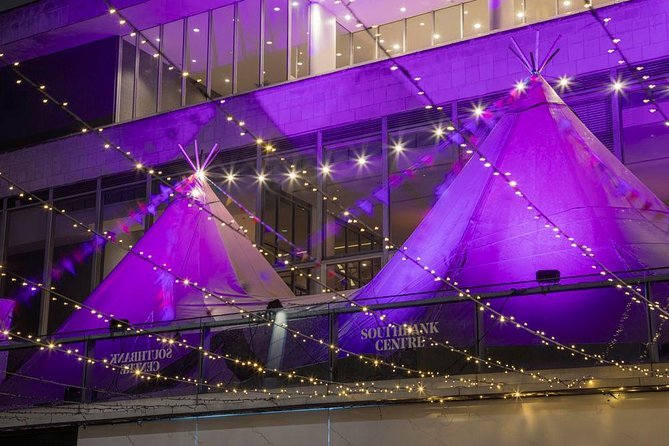
The workshop is designed as hands-on tuition rather than a talk. You can expect help with camera settings, tripod use, composition, framing, and the use of light after sunset.
The instructor can adapt explanations to your experience. If you are new to night photography, the session can cover how to set up the camera and tripod and how to control an exposure. If you already shoot manually, you can spend more time on creative framing and making images with a distinct look.
The most useful teaching may come when something goes wrong. A blurred image, a distracting highlight, or a dull composition gives you a specific problem to solve. Learning why it happened helps you repeat the good result later without needing the instructor beside you.
You also receive a review of the work completed and guidance on developing your skills. The supplied details do not specify a formal editing session or a set number of finished photographs, so you should think of this as field instruction with follow-up advice, not a full post-processing course.
The experience is offered in English. It is private, and group discounts may be available. For a couple, parent and older teenager, or a small group of friends who already share an interest in photography, that private format can make the fee easier to justify.
The $353.53 price and who gets good value
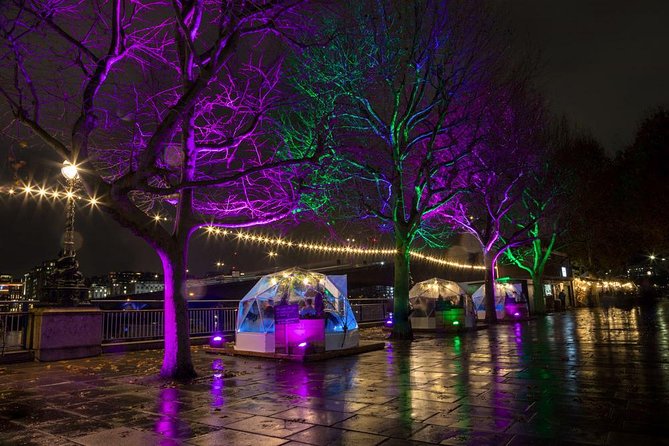
At $353.53 per person, the cost is high for a three-hour activity. You are paying for private instruction from a professional Fine Art photographer, a planned route through several major London photo locations, and advice tailored to your own equipment.
That price makes more sense if you intend to keep using the skills. A person who wants to learn long exposures, improve manual control, or build a stronger night portfolio may gain far more than someone seeking a single evening of sightseeing.
It is also worth considering the cost of a wasted night. If you are already carrying a camera and tripod through London but do not know how to handle low light, independent trial and error can produce a lot of dark, blurred, or overexposed files. Personal guidance can save time and help you understand what to change.
The value is lower if you only want a guide to point out landmarks. You can see Trafalgar Square, Westminster, and the South Bank without paying for photography tuition. This experience earns its price through teaching, not transport, food, or entry tickets.
The two available ratings are five stars, with particular praise for patient instruction, camera setup, creative framing, and the ability to accommodate a request for Christmas light photography. Another strong point was the chance for a parent and daughter to improve their skills together while producing good images.
What to bring and how to prepare
Bring your own camera and a fully charged battery. A spare battery is not listed as required, so I would not treat it as mandatory, but a full charge is essential for a three-hour outdoor session.
A tripod is strongly recommended for the clearest night images. If you do not have one, ask about hiring one after booking. Do not assume one will automatically be supplied.
Dress for the forecast. The workshop takes place outside, beside open public spaces and the river, with plenty of standing and practical work. Comfortable shoes, a warm layer, and rain protection can make a large difference to your patience and concentration.
Think about what you want to learn before you arrive. You might want to master shutter speed, learn how to photograph water, create light trails, improve composition, or get better results from your particular camera. Tell the instructor early, so the advice can focus on your priorities.
The session ends back at the meeting point. No refreshments are included, so plan to eat before or after the workshop rather than expect drinks along the route.
Who should book this experience
I would recommend it most strongly to photographers who already own a camera but feel uncertain about night settings. Beginners can benefit because the instruction is personal and practical, while more experienced photographers can work on creative framing and a more deliberate style.
It also suits pairs. The experience with a daughter shows how well the format can work when two people want to learn together. A private session lets you share the evening without being separated from your companion or placed in a mixed group.
It may suit older teenagers, but anyone aged 16 to under 18 must attend with a responsible adult, and that adult must also pay the course fee. Most participants can take part, and service animals are allowed.
I would not choose it for a visitor who dislikes standing outdoors at night, has no interest in photography, or wants a fast list of London sights. It is a working photography session, with pauses for setup and repeated attempts.
Cancellation is free up to 24 hours before the start time, with a full refund. Cancellations or changes made within 24 hours are not accepted for a refund, and the cut-off uses London local time.
Should you book the London night photography workshop?
Book it if you want to learn by making photographs in real London conditions. The route gives you fountains, reflections, river views, architecture, and light trails, while the private format lets the instructor focus on your camera and your goals.
The strongest reason to choose it is the patient, personal teaching associated with Lou, especially for tripod setup, basic controls, and creative shots. The strongest reason to hesitate is the price, particularly if you are not committed to improving your photography.
Bring a tripod if you can, arrive with a full battery, and dress for the weather. If you do that and treat the evening as a lesson rather than a standard tour, this can be a productive way to see London after dark and leave with photographs you will be proud to print or share.
FAQ
How long does the photography workshop last?
The experience lasts approximately three hours.
Where does the workshop begin?
It begins at Charing Cross Strand, London WC2N 5HF, UK.
Where does the workshop end?
The activity ends back at the meeting point.
What locations are included?
The route includes Trafalgar Square, Victoria Embankment, Westminster, and South Bank, with views of the London Eye, Big Ben, the Houses of Parliament, and Westminster Bridge.
Should I bring a tripod?
Yes. A tripod is recommended for the clearest night photographs. Tripods may be available to hire, but you should ask about hiring one after booking.
Can someone aged 16 or 17 attend?
Yes. A person aged 16 to under 18 must attend with a responsible adult, and the adult must also pay a course fee.
More Private Photoshoots in the UK
- London: Private travel vacation photoshoot -Romantic Special
★ 4.7 · 50 reviews - Private Tour: Night Photography Tour in London
★ 5.0 · 48 reviews - Professional Private Couple Photoshoot
★ 5.0 · 35 reviews - London: Private Landmarks with a Professional Photographer
★ 5.0 · 30 reviews
More Private Photoshoots in London
- London: Private Photoshoot with Video Clip Option
★ 4.8 · 182 reviews - Private landmarks photoshoot for families and couples
★ 5.0 · 92 reviews - London: Private Landmark Tour with Professional Photographer
★ 4.7 · 91 reviews - Professional Private Photoshoot in London
★ 5.0 · 63 reviews
Just added around London
- Ultimate introduction to photography in Central London★ 5.0 · 19 reviews
- Street Photography Workshops in London★ 5.0 · 6 reviews
- Private Tour: Photography Walking Tour from Trafalgar Square to Covent Garden★ 5.0 · 5 reviews
- Shoreditch Street Art Private Photography Tour including Brick Lane★ 5.0 · 5 reviews
- South Bank Photography Tour – Small Group★ 5.0 · 2 reviews
- PRIVATE PHOTOSHOOT in London★ 5.0 · 6 reviews
- Professional Private Photoshoot in London★ 5.0 · 63 reviews
- Private Photoshoot in London★ 5.0 · 17 reviews
Night & Astro Photography, compared.
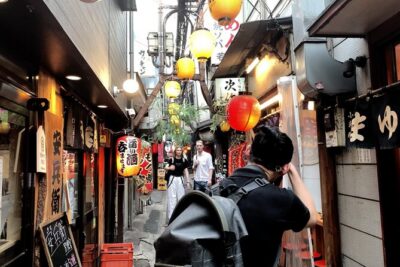
Tokyo by Night Photography Tour (Private Option Available)
Read our review →
Night Photo Session in a Fiat 500 with Aperol Spritz
Read our review →
Private Guided Night Photography Tours on Cape Cod (for one photographer.)
Read our review →